The Intersection of Technology and Pharmaceutical Products
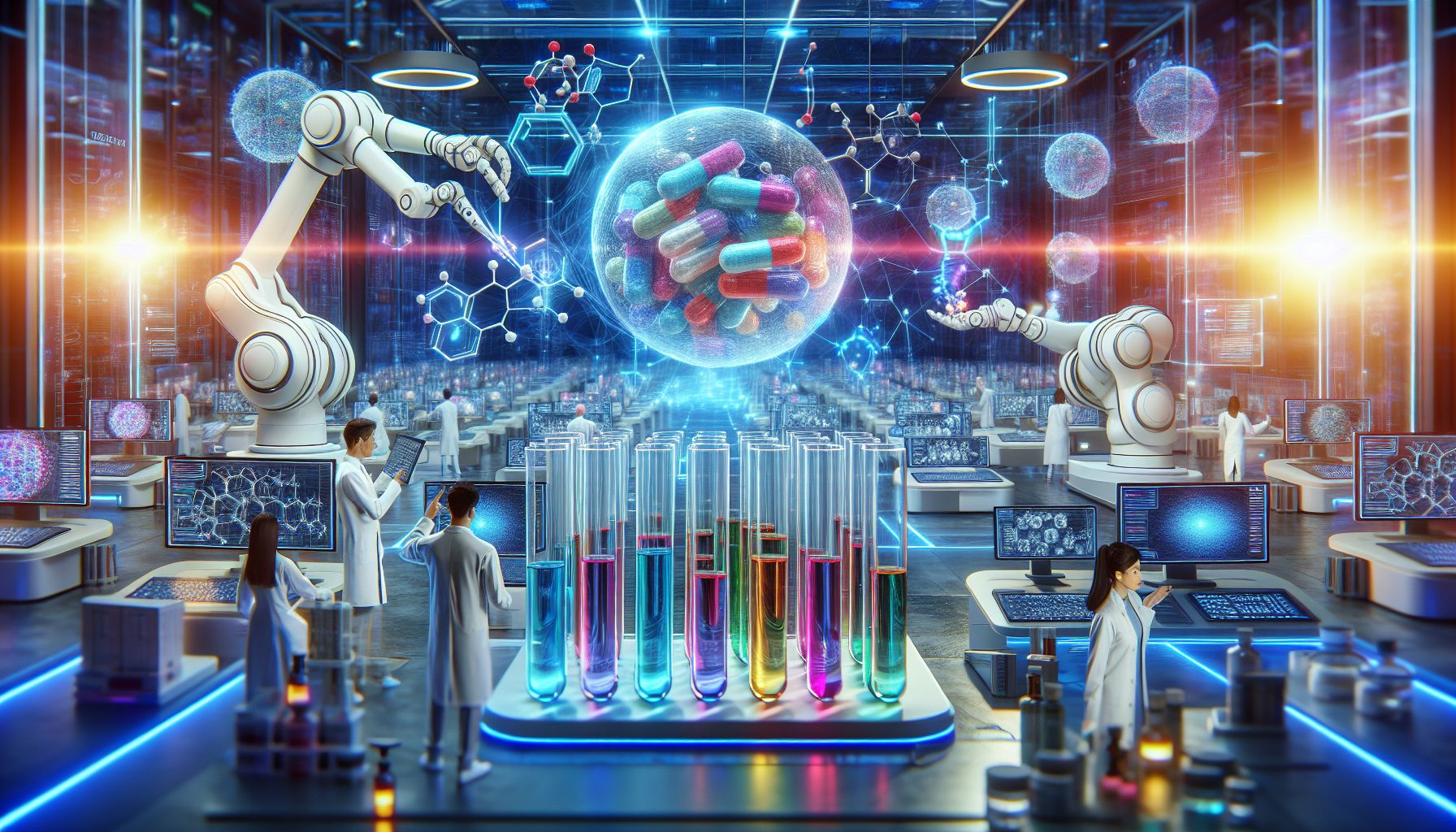
In recent years, the pharmaceutical industry has seen a significant shift towards incorporating technology into the research, development, and distribution of new products. This intersection of technology and pharmaceutical products has the potential to revolutionize and improve healthcare on a global scale.
One of the most valuable contributions of technology to the pharmaceutical industry is in the research and development phase. Advancements in data analytics, artificial intelligence, and machine learning have accelerated the process of drug discovery. These technologies allow researchers to analyze vast amounts of data, identify potential drug candidates, and predict their efficacy with greater accuracy than ever before. This has led to faster and more targeted drug development, ultimately bringing innovative treatments to patients more quickly.
Additionally, technology has also improved the manufacturing and distribution of pharmaceutical products. Automation and robotics have increased the efficiency and precision of drug production, while blockchain technology has enhanced supply chain management and security. These advancements not only speed up the manufacturing process but also ensure greater quality control and traceability of pharmaceutical products, reducing the risk of counterfeit medications entering the market.
Furthermore, technology has played a crucial role in improving patient care and adherence to medication. Mobile health apps, wearable devices, and telemedicine platforms have made it easier for patients to monitor their health, track their medication intake, and communicate with healthcare providers remotely. This not only improves patient outcomes but also reduces the burden on healthcare systems by enabling more efficient and personalized care.
Despite the numerous benefits of technology in the pharmaceutical industry, there are still challenges that need to be addressed. Data privacy and security concerns, regulatory hurdles, and the digital divide are just a few of the obstacles that need to be overcome to fully realize the potential of technology in healthcare.
In conclusion, the integration of technology into the pharmaceutical industry has had a transformative impact on the research, development, manufacturing, distribution, and patient care of pharmaceutical products. As technology continues to evolve, we can expect to see even more innovative solutions that will further improve healthcare outcomes and accessibility. By embracing these advancements and addressing the challenges, we can create a future where technology and pharmaceutical products work seamlessly together to benefit patients worldwide.
Comments are Disabled