The Impact of Technology on Pharmaceutical Products
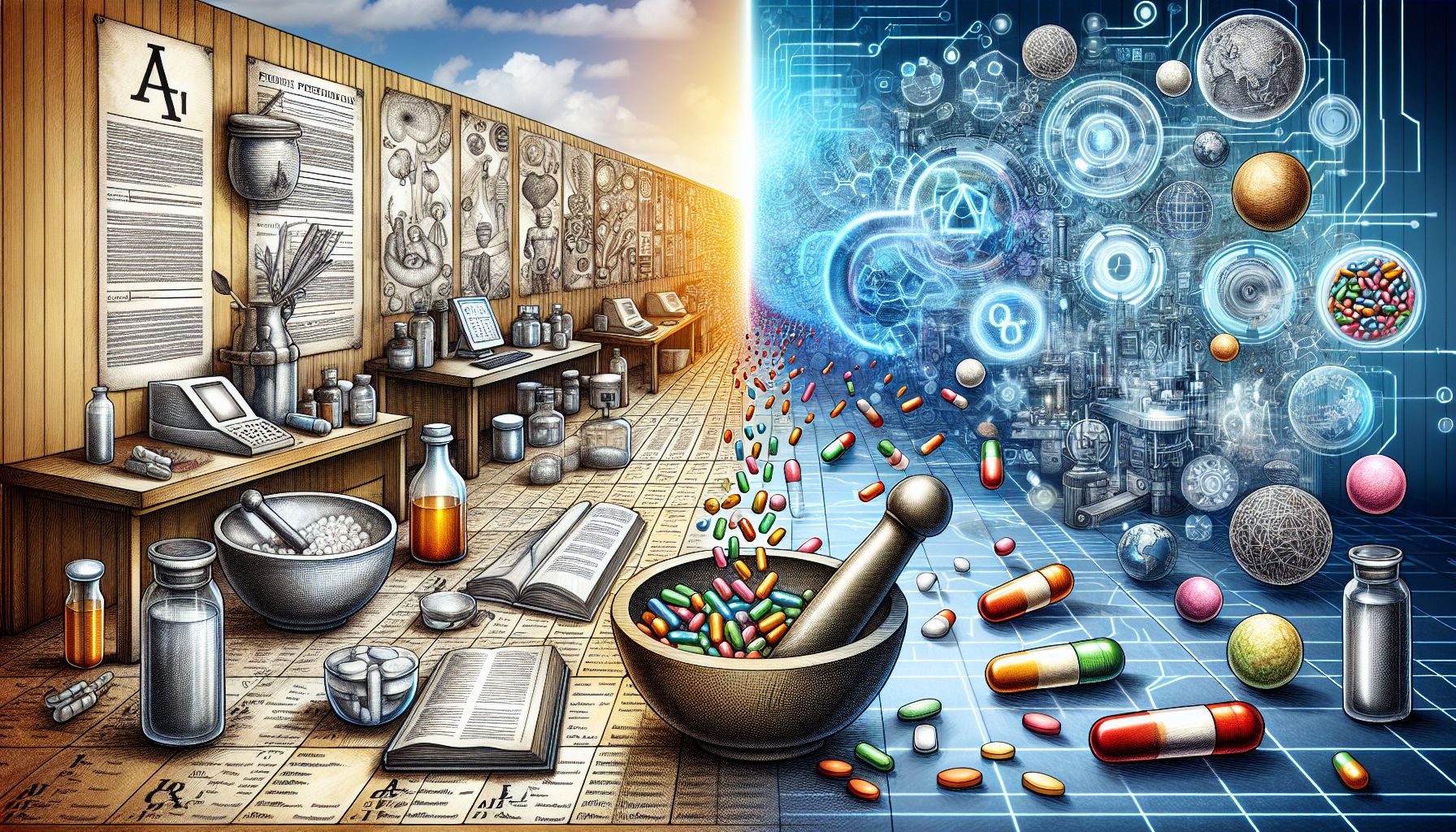
Technology has revolutionized the way pharmaceutical products are developed, tested, and delivered to patients. With advancements in digital platforms, artificial intelligence, and personalized medicine, the landscape of the pharmaceutical industry has been forever changed.
One of the key ways technology has transformed pharmaceutical products is through the process of drug discovery. With the help of computational tools and algorithms, researchers are able to sift through vast amounts of data to identify potential drug candidates more efficiently. This has led to a significant reduction in the time it takes to bring a new drug to market, saving both time and resources.
In addition, technology has enabled pharmaceutical companies to develop personalized medicine tailored to individual patients. By analyzing a patient’s genetic makeup, lifestyle, and other factors, doctors can now prescribe treatments that are more targeted and effective. This not only improves patient outcomes but also reduces the risk of adverse side effects.
Moreover, technology has played a crucial role in improving the manufacturing and delivery of pharmaceutical products. Automation and robotics have streamlined the production process, leading to higher quality products and reduced production costs. In addition, advancements in packaging and tracking systems have enhanced the safety and security of pharmaceutical products throughout the supply chain.
On the research front, technology has empowered scientists to conduct clinical trials more efficiently and accurately. Digital platforms allow for the remote monitoring of patients, real-time data analysis, and virtual collaboration among researchers. This has not only accelerated the pace of clinical trials but has also increased the likelihood of identifying potential risks early on.
Despite all the benefits that technology has brought to the pharmaceutical industry, there are still challenges that need to be addressed. Data privacy and security concerns, regulatory hurdles, and ethical considerations are just a few of the issues that pharmaceutical companies must navigate in the digital age.
In conclusion, the impact of technology on pharmaceutical products cannot be understated. From drug discovery to personalized medicine to manufacturing and delivery, technology has transformed every aspect of the pharmaceutical industry. As we continue to push the boundaries of innovation, it is essential for pharmaceutical companies to embrace technology and leverage its power to improve patient outcomes and advance global health.
The article above highlights the significant impact of technology on pharmaceutical products. As technology continues to evolve, the pharmaceutical industry must adapt and innovate to meet the changing needs of patients and healthcare providers.
Comments are Disabled