The Intersection of Technology and Pharmaceutical Products
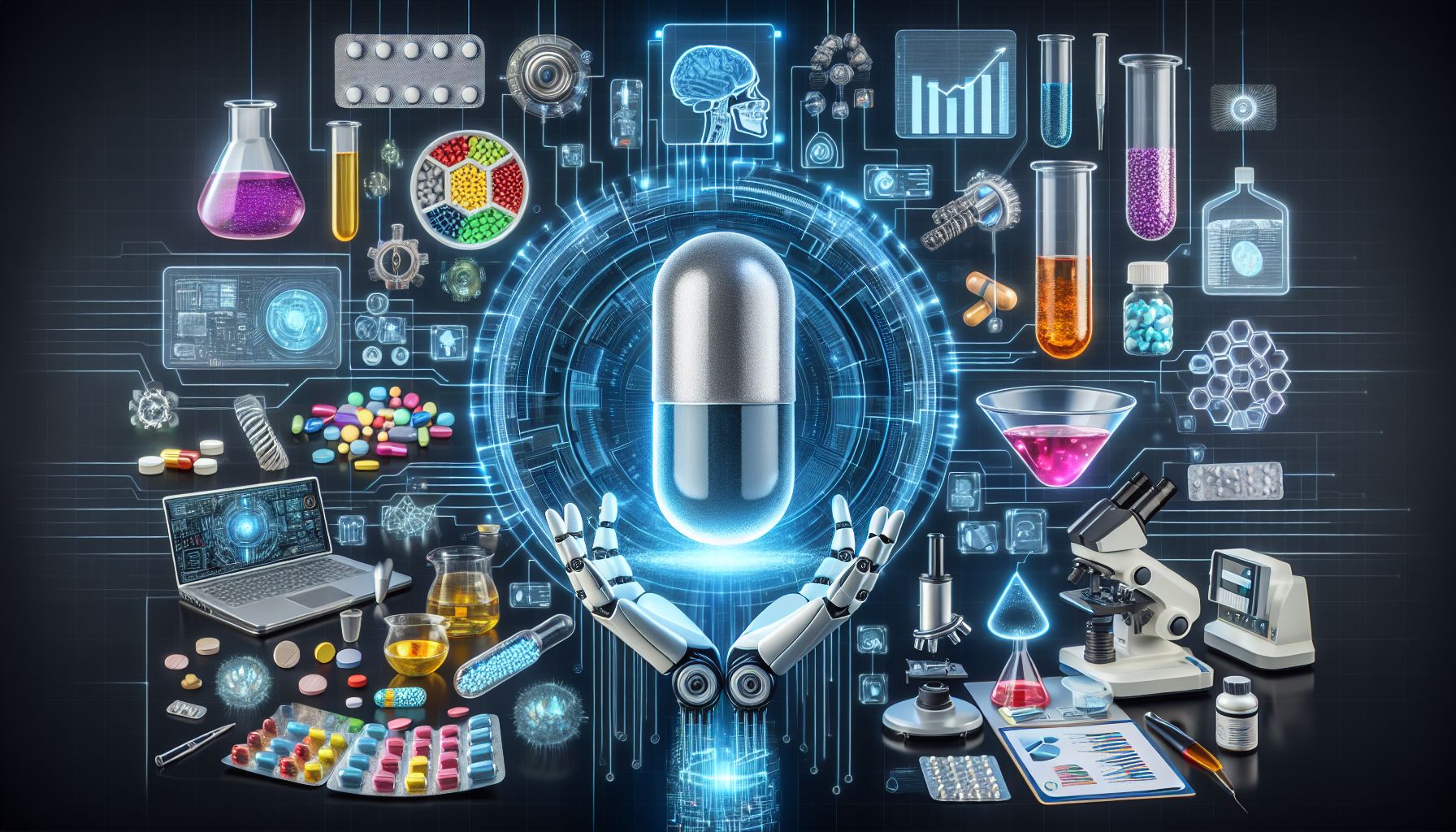
In today’s digital age, technology plays a crucial role in the development and manufacturing of pharmaceutical products. From research and development to delivery and monitoring, technology has revolutionized the way medications are created, tested, and distributed. This marriage of technology and pharmaceuticals has led to more efficient processes, improved patient outcomes, and increased access to treatment options.
One of the key areas where technology has made a significant impact is in the research and development of new drugs. High-performance computing and machine learning algorithms have enabled pharmaceutical companies to analyze vast amounts of data quickly and accurately, speeding up the drug discovery process. Virtual screening, molecular modeling, and bioinformatics tools have also been instrumental in predicting how new compounds will interact with biological systems, reducing the need for costly and time-consuming lab experiments.
Furthermore, technology has revolutionized the way drugs are manufactured. Automated systems and robotics have increased the efficiency and reliability of production lines, ensuring consistent quality and reducing the risk of human error. Continuous manufacturing techniques have also been introduced, allowing for real-time monitoring and adjustment of processes to optimize production efficiency and product quality.
In addition to research and manufacturing, technology has also transformed the way pharmaceutical products are delivered and monitored. Smart devices and wearable sensors are now being used to administer medication, track patient compliance, and monitor treatment outcomes in real-time. This has not only improved patient convenience but also enhanced the ability of healthcare providers to tailor treatment plans to individual patient needs.
Moreover, the use of big data analytics and artificial intelligence has revolutionized clinical trials and post-market surveillance. By analyzing massive amounts of data from electronic health records, clinical trials, and social media, researchers can identify patterns, trends, and adverse reactions more efficiently, leading to faster regulatory approvals and more accurate safety monitoring.
In conclusion, the integration of technology into the pharmaceutical industry has led to significant advancements in drug development, manufacturing, delivery, and monitoring. As technology continues to evolve, we can expect even more innovations in the way pharmaceutical products are researched, produced, and distributed, ultimately leading to better outcomes for patients worldwide. It is clear that the intersection of technology and pharmaceutical products will continue to drive progress and shape the future of healthcare.
Comments are Disabled