The Impact of Technology on Pharmaceutical Products
Technology has revolutionized the way pharmaceutical products are developed, tested, and delivered to the market. From innovative research techniques to advanced manufacturing processes, technology plays a critical role in shaping the future of the healthcare industry. In this article, we will explore the remarkable advancements that have been made possible through the integration of technology into pharmaceutical products.
Improved Drug Discovery and Development
One of the most significant contributions of technology to the pharmaceutical industry is in the area of drug discovery and development. High-throughput screening, bioinformatics, and computational modeling have enabled researchers to identify potential drug candidates more efficiently. These technological advancements facilitate the analysis of vast amounts of data, helping scientists to identify new molecular targets, predict drug efficacy, and optimize dosages. Consequently, the time and cost required for drug discovery have significantly reduced, leading to a quicker transition from laboratory to patient.
Enhancing Clinical Trials
Clinical trials are a critical step in determining the safety and effectiveness of pharmaceutical products before they hit the market. Technology has enhanced various aspects of clinical trials, making them more efficient and reliable. Electronic data capture systems ensure that patient information is securely recorded and easily accessible, facilitating better data management and analysis. Wearable devices and mobile apps allow real-time monitoring of patient conditions, providing accurate and continuous data to researchers. This integration of technology not only enhances the reliability of clinical trial results but also improves patient participation and engagement.
Precision Medicine
Advancements in technology have paved the way for precision medicine, an approach that tailors medical treatment to a patient’s individual characteristics, including their genetic makeup and lifestyle. Through genetic profiling and biomarker identification, technology enables pharmaceutical products to target specific patient populations with higher efficacy and fewer adverse effects. Personalized therapies, such as gene editing and targeted drug delivery, are on the horizon, promising to revolutionize the treatment of diseases ranging from cancer to genetic disorders.
Manufacturing and Quality Control
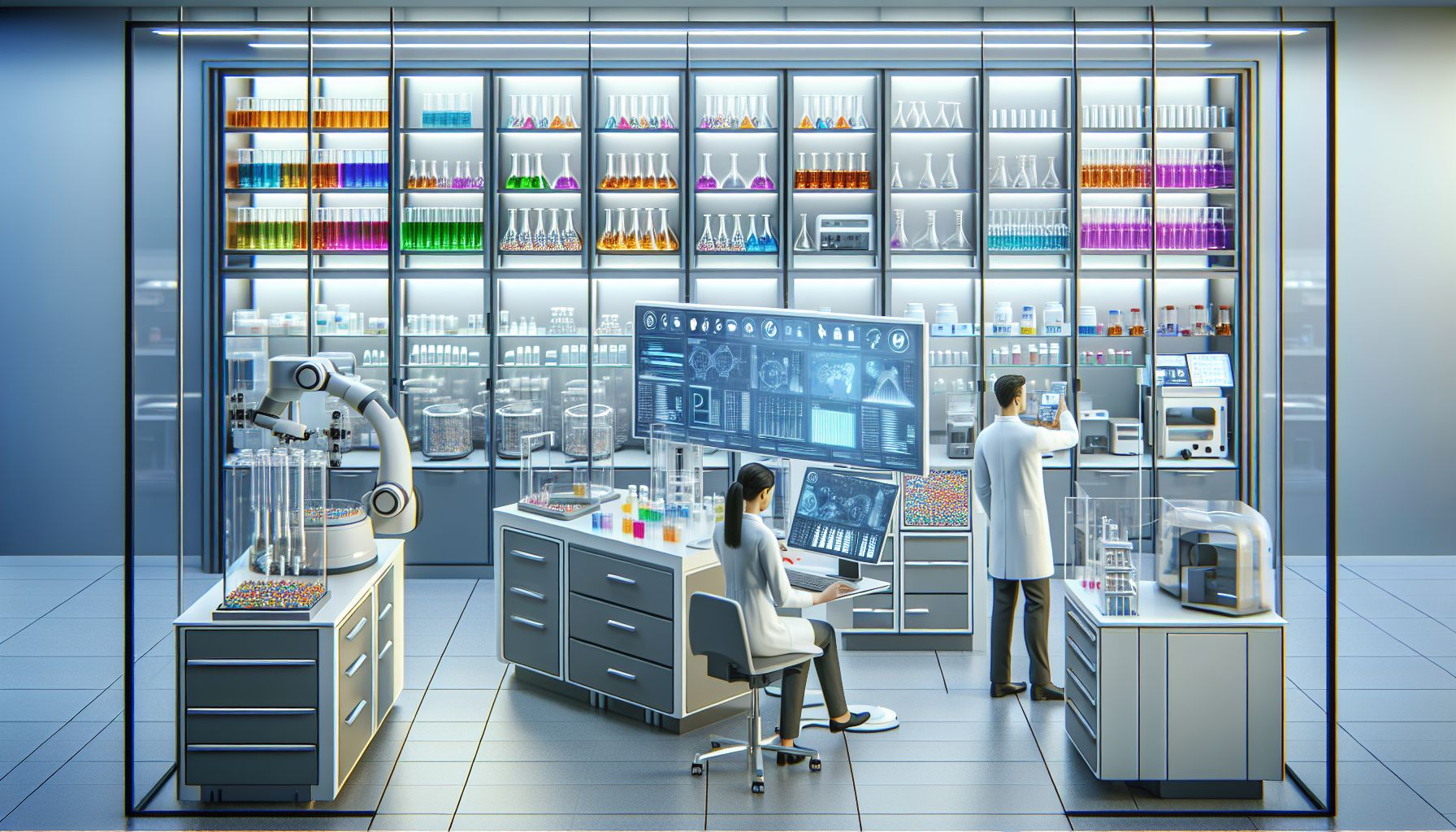
Technology has transformed pharmaceutical manufacturing, making it faster, more efficient, and cost-effective. Automation and robotics have streamlined the production process, ensuring consistent quality and reducing human errors. Moreover, real-time monitoring and analytical tools enable manufacturers to closely monitor production environments, ensuring adherence to stringent quality standards. These advancements in manufacturing technology have not only improved the supply chain but also lowered the likelihood of product recalls and improved patient safety.
Conclusion
Technology has undoubtedly redefined the pharmaceutical industry, driving advancements in drug discovery, clinical trials, precision medicine, and manufacturing. The integration of technology into pharmaceutical products has yielded quicker and more targeted therapies, enhanced the reliability of clinical trial results, and improved overall patient care. As technology continues to evolve, we can expect further innovation in the development of pharmaceutical products, leading to a brighter and healthier future for all.
Comments are Disabled