The Intersection of Technology and Pharmaceutical Products
In recent years, the pharmaceutical industry has seen significant advancements with the integration of technological tools and innovations. These advancements have not only revolutionized the way drugs are developed and manufactured but also how they are administered and monitored.
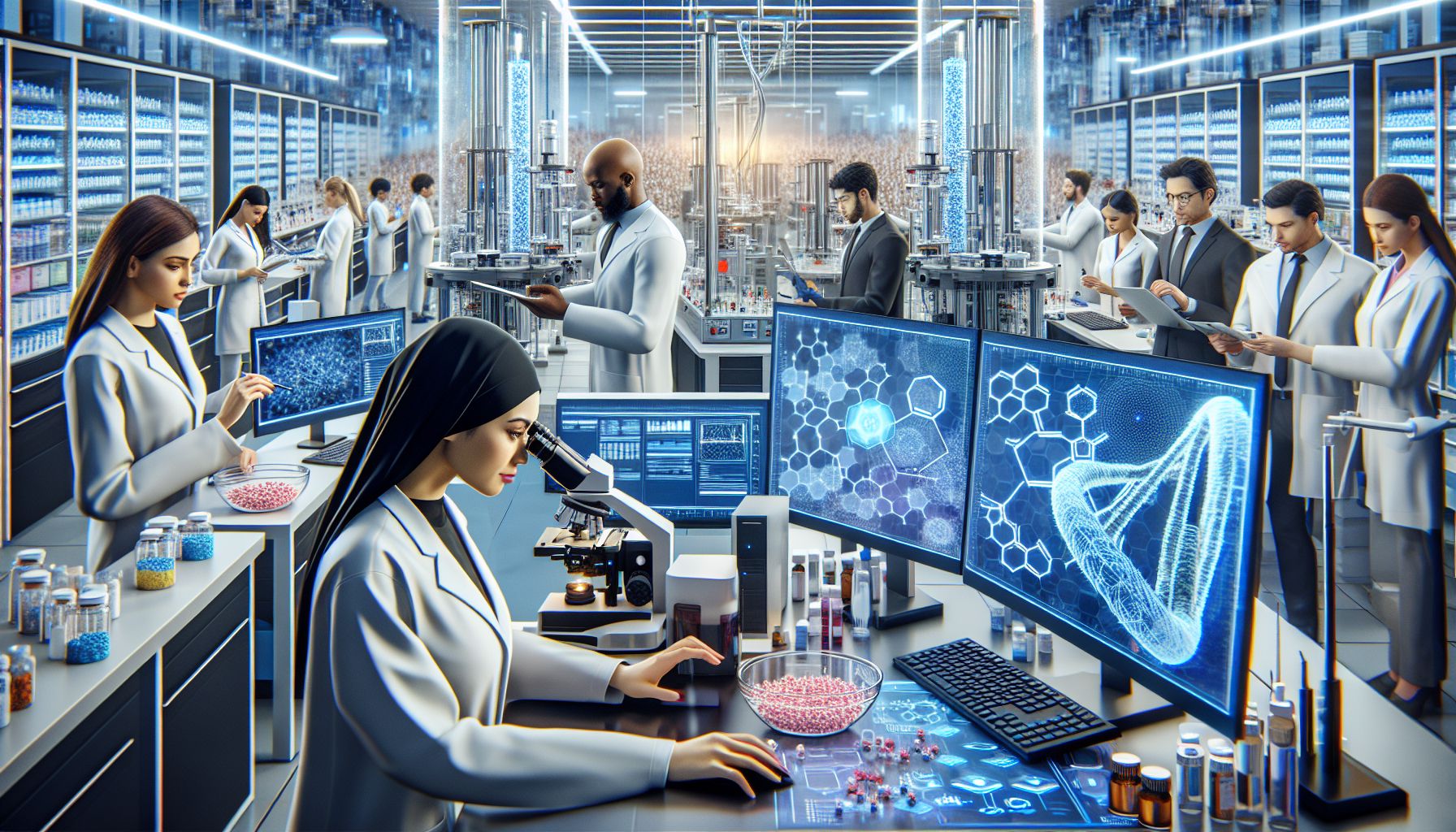
One of the key areas where technology has had a profound impact is in the research and development of new pharmaceutical products. With the help of advanced computational tools and artificial intelligence, scientists are able to analyze vast amounts of data to identify new drug targets and predict the effectiveness of potential drug candidates. This has greatly accelerated the drug discovery process, leading to the development of more targeted and personalized medications.
Additionally, technology has also played a crucial role in the manufacturing process of pharmaceutical products. Automation and robotics have improved efficiency and accuracy in drug production, reducing the likelihood of errors and contamination. This has not only resulted in higher quality drugs but also in cost savings for pharmaceutical companies.
Another area where technology has made a significant impact is in drug delivery systems. From smart pills to wearable devices, pharmaceutical products are now equipped with sensors and connectivity features that allow for real-time monitoring and personalized dosing. This not only improves patient compliance and adherence but also enables healthcare providers to track and adjust treatment plans more effectively.
Furthermore, technology has also revolutionized how pharmaceutical products are marketed and distributed. Online platforms and digital marketing strategies have made it easier for pharmaceutical companies to reach healthcare professionals and consumers, providing them with valuable information and resources. This has helped improve access to essential medications and fostered greater transparency in the industry.
Despite the many benefits that technology brings to the pharmaceutical industry, there are also challenges that need to be addressed. Issues such as data privacy, cybersecurity, and regulatory compliance must be carefully managed to ensure the safety and efficacy of pharmaceutical products. Additionally, there are concerns about the potential reliance on technology at the expense of human expertise and judgment.
In conclusion, the integration of technology in the pharmaceutical industry has brought about a new era of innovation and efficiency. From drug discovery to manufacturing to delivery, technology has transformed every aspect of the pharmaceutical product lifecycle. While there are challenges to overcome, the opportunities for improved healthcare outcomes and patient experience are immense. As technology continues to evolve, so too will the ways in which pharmaceutical products are developed, commercialized, and utilized.
Comments are Disabled