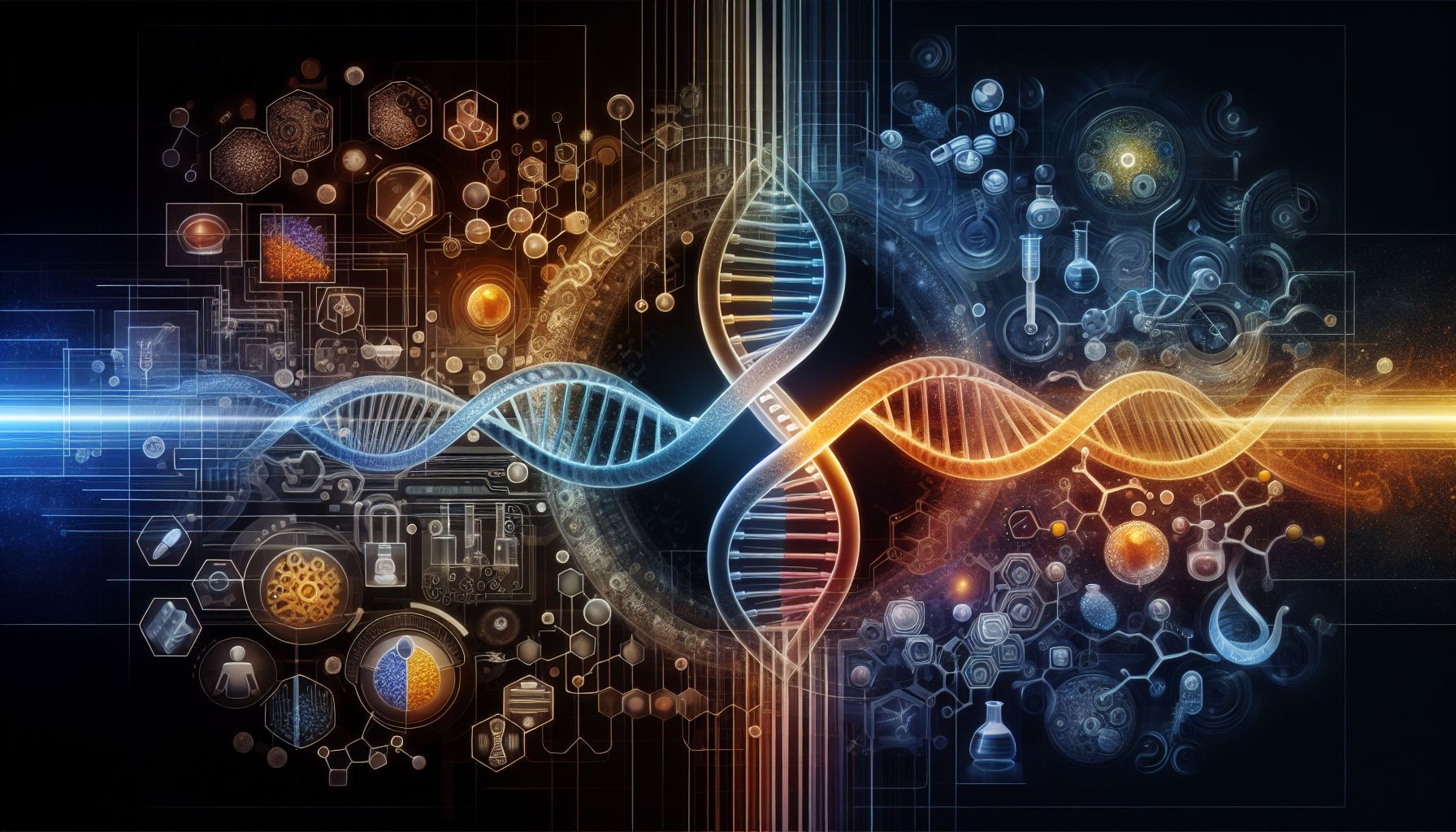
The Intersection of Technology and Pharmaceutical Products
In today’s world, technology plays a crucial role in the pharmaceutical industry, revolutionizing the way drugs are developed, tested, and delivered to patients. Advancements in technology have not only increased the speed and efficiency of drug development but also improved patient outcomes and safety. Let’s explore how technology has transformed the pharmaceutical sector and the benefits it brings.
One of the major ways technology has impacted the pharmaceutical industry is through the use of artificial intelligence (AI) and machine learning algorithms. These technologies have the ability to analyze vast amounts of data in a fraction of the time it would take a human researcher. This has led to more accurate predictions of drug interactions, identification of potential side effects, and even the discovery of new drugs. AI has also been instrumental in speeding up the clinical trial process by identifying suitable candidates for trials based on their genetic makeup and medical history.
Another technological advancement that has revolutionized the pharmaceutical industry is 3D printing. This innovation has the potential to completely transform the way drugs are manufactured. With 3D printing, drugs can be tailored to individual patients’ needs, leading to personalized medicine. This not only improves patient adherence to medication but also reduces the risk of adverse reactions and side effects.
Moreover, technology has enabled pharmaceutical companies to track and monitor the supply chain more efficiently, reducing the risk of counterfeit drugs entering the market. Blockchain technology, for example, has been used to create a transparent and secure system for tracking the movement of drugs from the manufacturer to the patient. This not only ensures the authenticity of the drugs but also safeguards patient health.
Additionally, the use of telemedicine and digital health tools has made healthcare more accessible to patients, especially in remote areas. Patients can now consult with healthcare providers, receive prescriptions, and monitor their health remotely, using smartphones and other digital devices. This has not only improved patient convenience but also enhanced adherence to medication regimens and treatment plans.
In conclusion, the intersection of technology and pharmaceutical products has brought about significant advancements in drug development, testing, and delivery. From AI and machine learning to 3D printing and blockchain technology, these innovations have improved patient outcomes, safety, and accessibility to healthcare services. As technology continues to advance, we can expect further breakthroughs in the pharmaceutical industry, leading to improved treatments and better healthcare for all.
Comments are Disabled