The Impact of Technology on Pharmaceutical Products
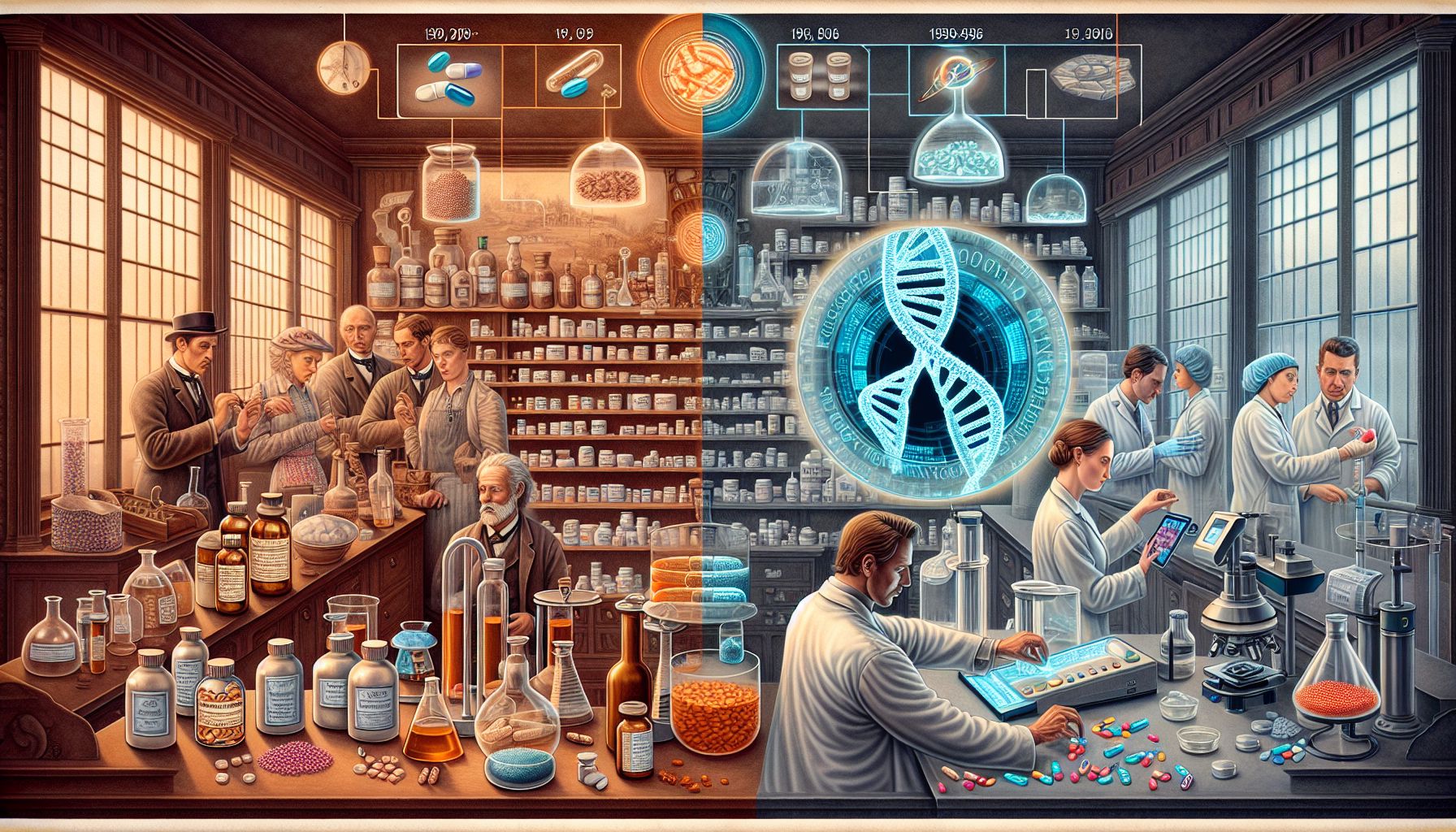
With advancements in technology permeating every facet of our lives, it is no surprise that the pharmaceutical industry has also benefited immensely from these innovations. From drug discovery and development to manufacturing and distribution, technology has revolutionized the way pharmaceutical products are made and consumed. Let’s explore the various ways technology has transformed the pharmaceutical industry.
Drug Discovery and Development
The process of developing a new drug is a complex and time-consuming task. However, technology has accelerated this process significantly. Through computer modeling and simulations, scientists can identify potential drug candidates and predict their efficacy and safety before moving forward with expensive and time-consuming clinical trials. This saves both time and resources, bringing life-saving drugs to market faster.
Moreover, technology has enabled the collection and analysis of vast amounts of data, leading to more personalized medicine. By capturing and analyzing patient data, including genetic information, pharmaceutical companies can develop targeted therapies that are tailored to an individual’s unique biological makeup. This allows for more effective treatments and improved patient outcomes.
Manufacturing and Quality Control
Technology has brought tremendous improvements to pharmaceutical manufacturing processes. Automation and robotics have made production more precise, efficient, and cost-effective. These advancements have reduced the risk of human error, contamination, and cross-contamination during manufacturing, resulting in safer and more reliable pharmaceutical products.
In addition, technologies such as real-time monitoring and quality control systems have enhanced the tracking and traceability of pharmaceutical products. This ensures that drugs are manufactured under optimal conditions and adhere to strict regulatory standards. Such advancements contribute to patient safety while minimizing the potential for counterfeit or substandard medicines in the market.
Digital Health Tools
The emergence of various digital health tools and mobile applications has empowered patients to take control of their health like never before. From mobile health monitoring devices to medication reminder applications, technology has transformed the way patients interact with pharmaceutical products.
For instance, patients can now monitor their vital signs, blood glucose levels, or medication adherence using wearable devices or smartphone apps. This data can be easily shared with healthcare professionals who can then make informed decisions regarding treatment plans. Such tools not only promote patient engagement but also improve medication adherence, leading to better health outcomes.
Conclusion
The integration of technology into the pharmaceutical industry has resulted in significant advancements that benefit both patients and healthcare providers. From expediting drug development processes to improving manufacturing efficiency and enhancing patient care through digital health tools, technology continues to shape the future of pharmaceutical products. As technology continues to evolve, we can expect further breakthroughs and innovations in this critical sector, enabling the development of even more effective and personalized treatments for a variety of diseases.
Comments are Disabled