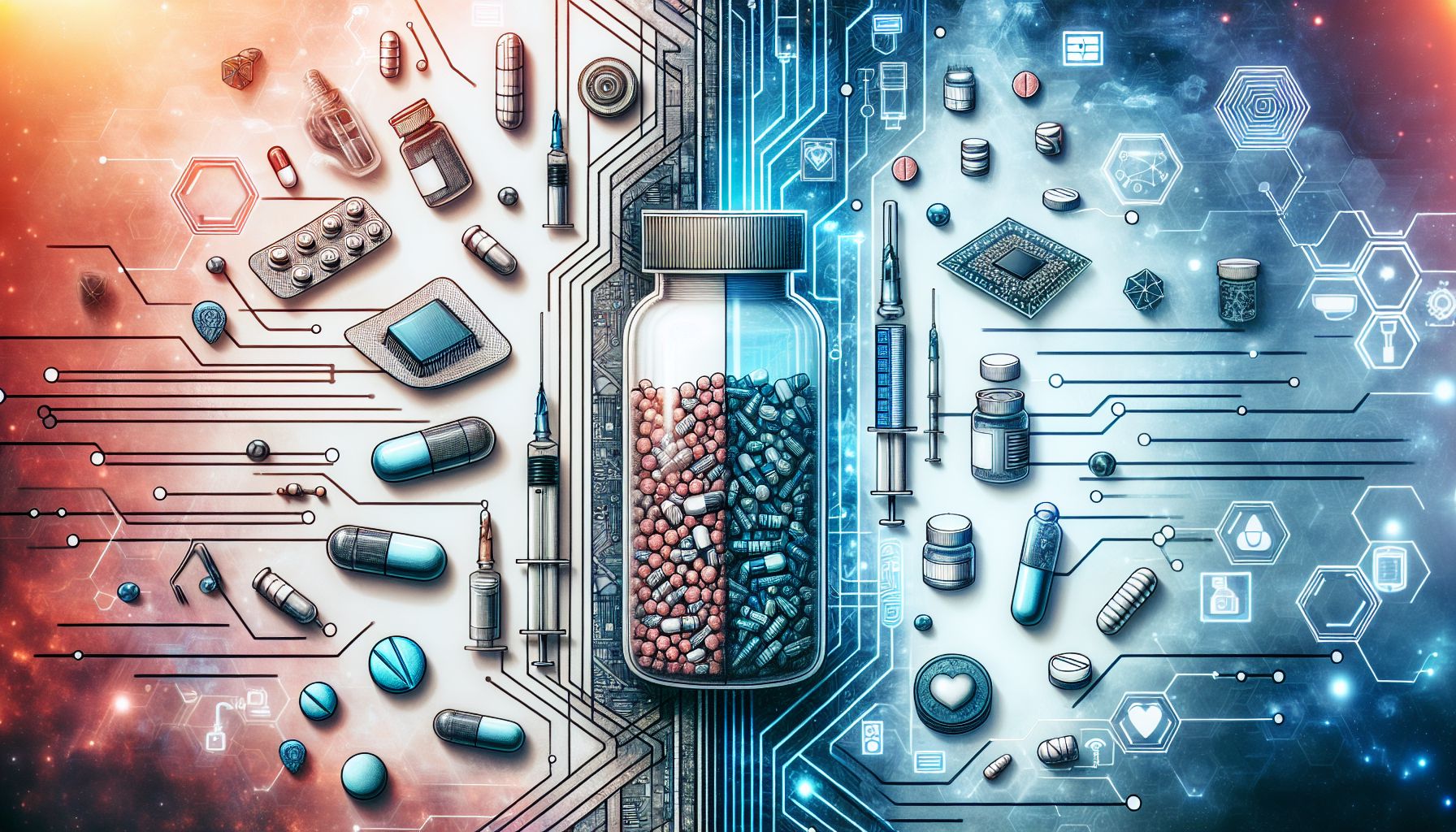
The Intersection of Technology and Pharmaceutical Products
In today’s rapidly advancing world, technology has become an integral part of our lives. It has transformed various industries, including healthcare and pharmaceuticals. The integration of technology and pharmaceutical products has brought about groundbreaking advancements that have revolutionized the way we diagnose, treat, and manage diseases. In this article, we will explore the significant ways in which technology has transformed pharmaceutical products.
Improved Research and Development
Technology has greatly accelerated the pace of research and development in the pharmaceutical industry. Scientists can now leverage sophisticated computer modeling techniques to simulate the behavior of molecules and predict their interactions with the human body. This allows for more efficient screening of potential drug candidates, saving time and resources. Furthermore, the invention of high-throughput screening techniques enables the rapid screening of thousands of compounds, significantly expanding the possibilities for drug discovery.
Precision Medicine and Personalized Treatments
Advancements in technology have paved the way for precision medicine, a tailored approach to treatment based on an individual’s unique genetic makeup and health characteristics. By analyzing vast amounts of genomic data, healthcare providers can now identify genetic variations that may impact drug metabolism or treatment efficacy. This information allows for personalized treatment plans, maximizing the effectiveness of pharmaceutical products while minimizing side effects.
Enhanced Drug Delivery Systems
The integration of technology has revolutionized drug delivery systems, making treatments more efficient and patient-friendly. For instance, the development of targeted drug delivery systems, such as nanotechnology-based carriers, enables drugs to be delivered directly to the affected area, reducing systemic side effects. Additionally, smart drug delivery devices, such as implantable sensors or wearable patches, can monitor drug levels in the body and adjust dosages accordingly, ensuring optimal therapy.
Improved Access to Healthcare
One of the most profound impacts of technology in the pharmaceutical industry is the improvement in access to healthcare. Telemedicine and mobile health applications have made it possible for healthcare providers to remotely diagnose and monitor patients, particularly those in remote areas or with limited mobility. Furthermore, the emergence of e-pharmacies and online prescription services has made obtaining pharmaceutical products more convenient and accessible, breaking down geographical barriers.
Enhanced Patient Safety and Adherence
Technological advancements have also significantly enhanced patient safety and medication adherence. Electronic prescription systems ensure accurate and legible prescriptions, reducing the risk of medication errors. Moreover, smart pill bottles and medication reminder apps help patients adhere to their prescribed regimens by providing timely reminders and monitoring their medication intake. This improves treatment outcomes and reduces the likelihood of complications arising from non-adherence.
In conclusion, technology’s integration with pharmaceutical products has revolutionized the healthcare industry in countless ways. From improving research and development to enabling precision medicine and enhancing drug delivery systems, technology has paved the way for better treatment outcomes and patient experiences. As technology continues to evolve, we can expect further advancements that will reshape the future of pharmaceutical products and the way we approach healthcare.
Comments are Disabled