The Impact of Technology on Pharmaceutical Products
Technology has revolutionized various industries, and the pharmaceutical sector is no exception. The combination of science and technology has led to significant advancements in drug discovery, development, manufacturing, and patient care. These innovations have not only improved the efficiency and effectiveness of pharmaceutical products but also paved the way for groundbreaking discoveries.
A Paradigm Shift in Drug Discovery and Development
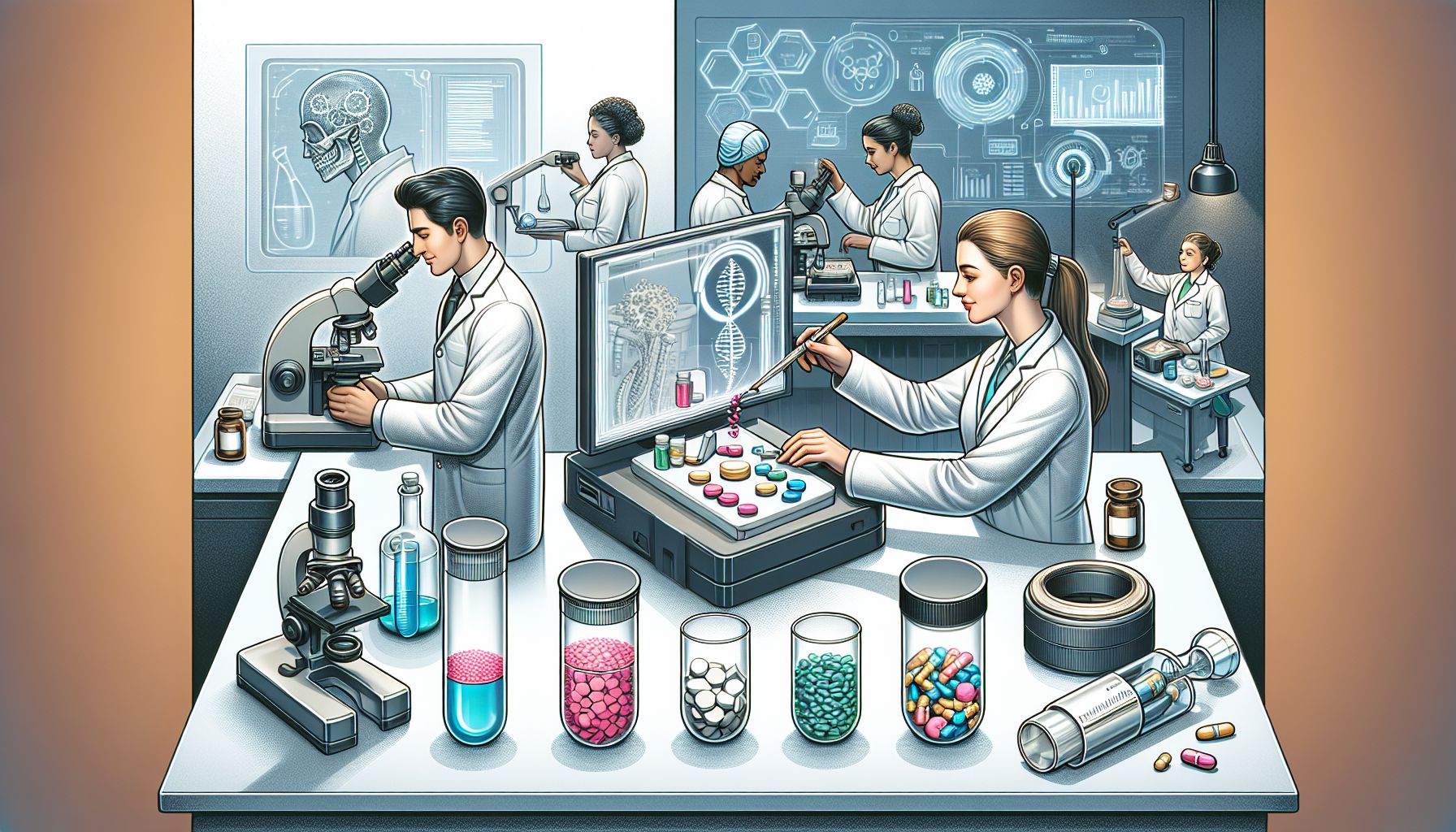
In the past, drug discovery and development was a lengthy and challenging process. However, with technological advancements, this process has become faster and more accurate. High-throughput screening techniques, which use automation and robotics, allow scientists to test a vast number of chemical compounds efficiently. This accelerates the identification of potential drug targets and leads to more effective drug candidates.
Virtual drug development has also gained prominence thanks to technology. Computer simulations and modeling help scientists predict drug behavior, potentially reducing the need for costly and time-consuming laboratory experimentation. This has significantly improved the success rate of drug discovery, making it more economical and less reliant on animal testing.
Enhancing Manufacturing and Quality Control
Pharmaceutical manufacturing requires precise measurements and rigorous quality control to ensure the safety and efficacy of products. Technology has played a vital role in streamlining this process. Automated systems for manufacturing and packaging enable faster production rates while ensuring accuracy and minimizing human error.
In addition, real-time monitoring systems have become prevalent in pharmaceutical manufacturing. These technology-driven solutions continuously monitor critical parameters such as temperature, pressure, and pH levels, ensuring that the manufacturing process remains within the desired specifications. Any deviations can be promptly identified and corrected, maintaining the highest standards of quality control.
Improving Patient Care and Treatment
Technology has brought significant advancements to patient care and treatment, making healthcare more personalized and efficient. Wearable devices and mobile applications enable patients to monitor their health in real-time. For instance, smartwatches can track heart rate, sleep patterns, and physical activity, providing valuable data to healthcare professionals. This data allows doctors to make informed decisions tailored to individual patients’ needs.
Pharmaceutical companies have also embraced telemedicine, which utilizes technology to provide remote medical consultations. Patients can connect with healthcare professionals through video calls or secure messaging platforms, eliminating the need for in-person visits for routine check-ups or minor concerns. Telemedicine has enhanced access to healthcare services, especially for individuals living in remote areas or those with mobility limitations.
Conclusion
The integration of technology with pharmaceutical products has transformed the industry, bringing numerous benefits that were unimaginable in the past. From speeding up drug discovery and enhancing manufacturing efficiency to improving patient care through wearables and telemedicine, technology has propelled the field forward.
As technology continues to evolve, the pharmaceutical industry is likely to witness further advancements. From gene editing and personalized medicine to artificial intelligence-driven drug development, the future holds immense potential. With ethical considerations and continuous innovation, the collaboration between technology and pharmaceutical products will undoubtedly shape a healthier and brighter tomorrow.
Comments are Disabled