The Intersection of Technology and Pharmaceutical Products
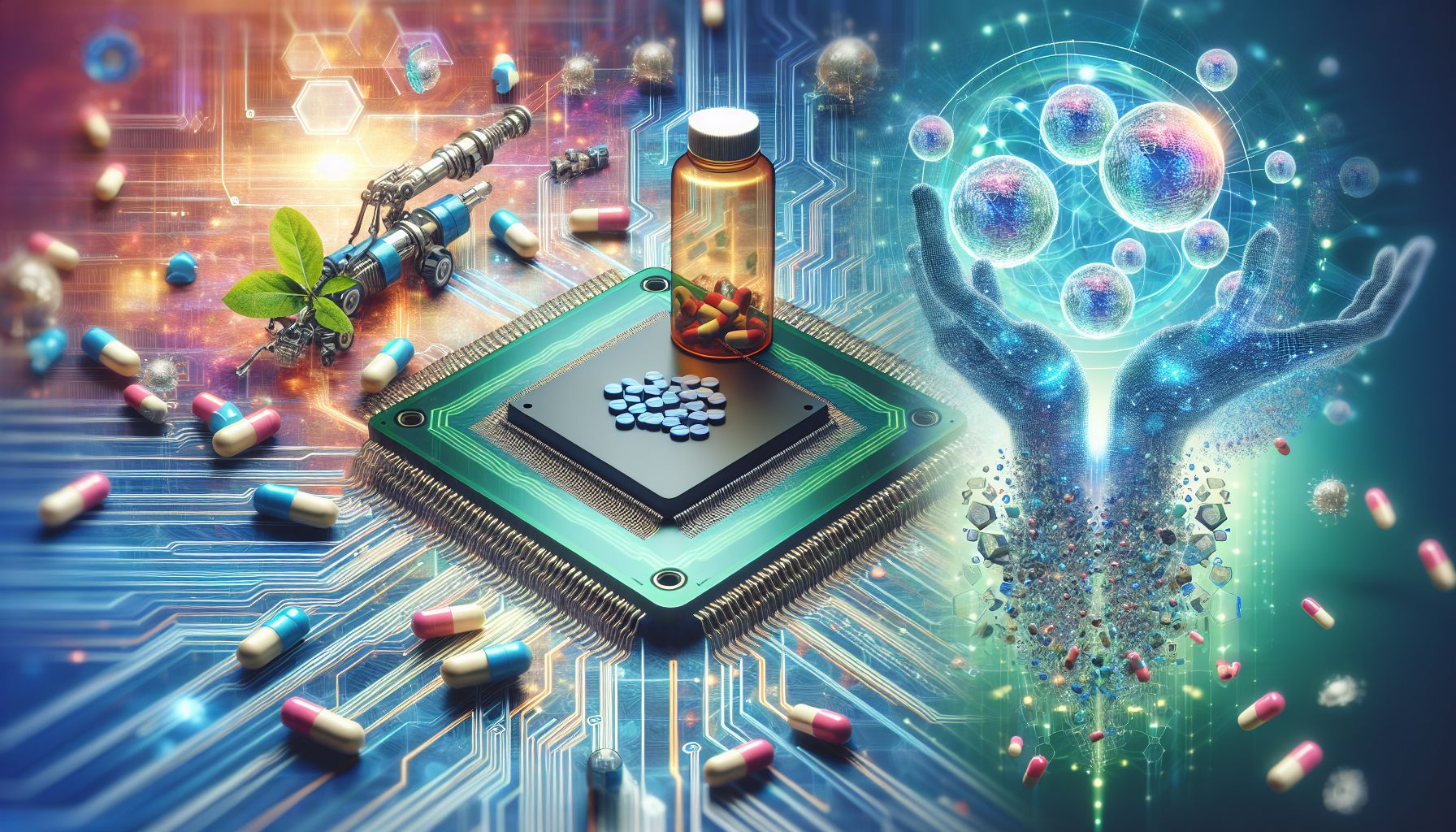
Technology has transformed every aspect of our lives, and the field of pharmaceutical products is no exception. As advancements continue to revolutionize the healthcare industry, the integration of technology has brought about significant changes in the way medications are developed, manufactured, and administered. This marriage between technology and pharmaceutical products has opened new avenues for innovation, efficiency, and patient care.
Manufacturing and Quality Assurance
One of the most apparent areas where technology has had a profound impact in the pharmaceutical industry is in the manufacturing process. Automation and robotics have replaced manual labor, allowing for higher precision and productivity in the production of medications. These technologies have significantly reduced the risk of human error, ensuring consistent quality and safety of pharmaceutical products.
The implementation of advanced software systems has also revolutionized quality assurance processes. By utilizing artificial intelligence and machine learning algorithms, pharmaceutical companies can identify potential issues and deviations in real-time. This not only guarantees the production of high-quality medications but also allows for swift corrective action, minimizing any potential harm to consumers.
Research and Development
The integration of technology in the pharmaceutical industry has expedited the research and development (R&D) process, leading to the discovery of life-saving medications at a faster pace. High-performance computing and data analysis tools enable scientists to process massive amounts of data, accelerating drug discovery and development. Additionally, genetic sequencing technologies have allowed for personalized medicine, tailoring treatments to individual patients based on their genetic makeup.
Furthermore, technology has facilitated collaboration and knowledge sharing among researchers. Virtual reality and augmented reality tools enable scientists from different parts of the world to collaborate in real-time, enhancing the R&D process. This exchange of expertise has led to breakthroughs in finding new drug targets and understanding diseases more profoundly.
Patient Care and Monitoring
Technology has also had a significant impact on patient care and monitoring. The development of innovative medical devices and wearables has allowed patients to actively participate in their own healthcare. From insulin pumps to smart inhalers and continuous glucose monitors, these devices enable individuals to manage chronic conditions more effectively and make informed decisions about their treatment.
Moreover, advancements in telemedicine have eliminated physical barriers, enabling healthcare professionals to remotely monitor and treat patients. This has proven particularly vital in rural areas where access to medical specialists may be limited. Telehealth has also become increasingly necessary in times of global crises, such as the recent COVID-19 pandemic, where social distancing measures have restricted in-person medical consultations.
Conclusion
The integration of technology in pharmaceutical products has transformed the industry in remarkable ways. From manufacturing to research and development, and patient care, technology has improved efficiency, accuracy, and patient outcomes. As technology continues to evolve, we can expect even more groundbreaking innovations that will revolutionize the pharmaceutical industry, ultimately enhancing the quality of healthcare and improving the lives of patients worldwide.
Comments are Disabled