How Commercial Drones Are Changing Utility Inspections
Spotting a faulty power line or an aging water tower once meant dispatching teams to navigate dangerous terrain and climb high structures. Now, the rise of commercial drones is transforming how utility companies approach these crucial inspections, making the process faster, safer, and more cost-effective than ever before.
Reducing Risk and Enhancing Safety
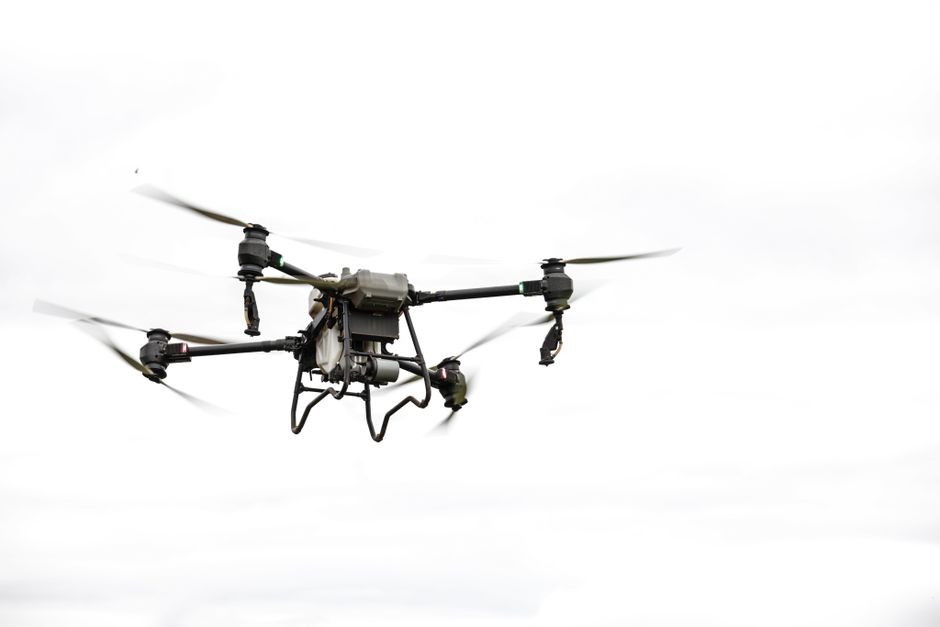
Traditional utility inspections often involve significant hazards for field workers, such as climbing transmission towers or traversing remote, uneven ground to reach pipelines. Commercial drones equipped with high-resolution cameras can fly over assets and deliver close-up imagery, minimizing the need for staff to enter dangerous areas. Aerial drone surveying services enable teams to quickly identify problem spots from a safe distance, reducing exposure to falls and environmental dangers. This shift has already led to fewer workplace injuries and improved compliance with safety regulations.
Efficiency Through Real-Time Data Collection
Drone utility inspection isn’t just about safety; it’s about speed and efficiency. Crews that once spent days covering a remote corridor can now collect detailed visual and thermal data in hours. Surveillance drones can stream live footage to engineers on the ground, allowing rapid decisions about repairs and maintenance. This real-time access to information means issues like overheating transformers or corroded infrastructure can be addressed before they escalate into outages or emergencies.
Comparing UAVs and Drones in Utility Applications
The terms “UAV” (unmanned aerial vehicle) and “drone” are often used interchangeably, but there are subtle differences in some professional circles. UAV generally refers to the aircraft component, while “drone” usually describes the entire system, including ground controls and software. In utility operations, both fixed-wing UAVs and multi-rotor drones have roles. Fixed-wing models are useful for inspecting long stretches of power lines, while quadcopters excel at hovering in place for detailed surveys of specific points, such as substations or damaged cables.
Expanding Roles: From Inspections to Security
Utility companies are finding more ways to leverage drones beyond simple inspection. Drone security is an emerging field, with some providers using surveillance drones to monitor critical infrastructure for trespassing, theft, or vandalism. These drones can patrol perimeters automatically, transmit live alerts to security personnel, and even follow intruders with on-board sensors. This added layer of protection is especially valuable for remote substations and water treatment plants, where traditional security measures may fall short.
Where to Find More Guidance on Drone Inspection Solutions
Choosing the right commercial drone system depends on factors like range, camera payload, and regulatory requirements. For utility managers considering deployment at scale, a deeper dive into equipment options, pilot certification, and best practices is essential. Start by exploring comprehensive guides on utility drone operations, which compare drone models, data management tools, and integration strategies for energy and water utilities. These resources can help you evaluate what fits your inspection needs, budget, and compliance obligations.
Comments are Disabled