How Technology is Revolutionizing Pharmaceutical Products
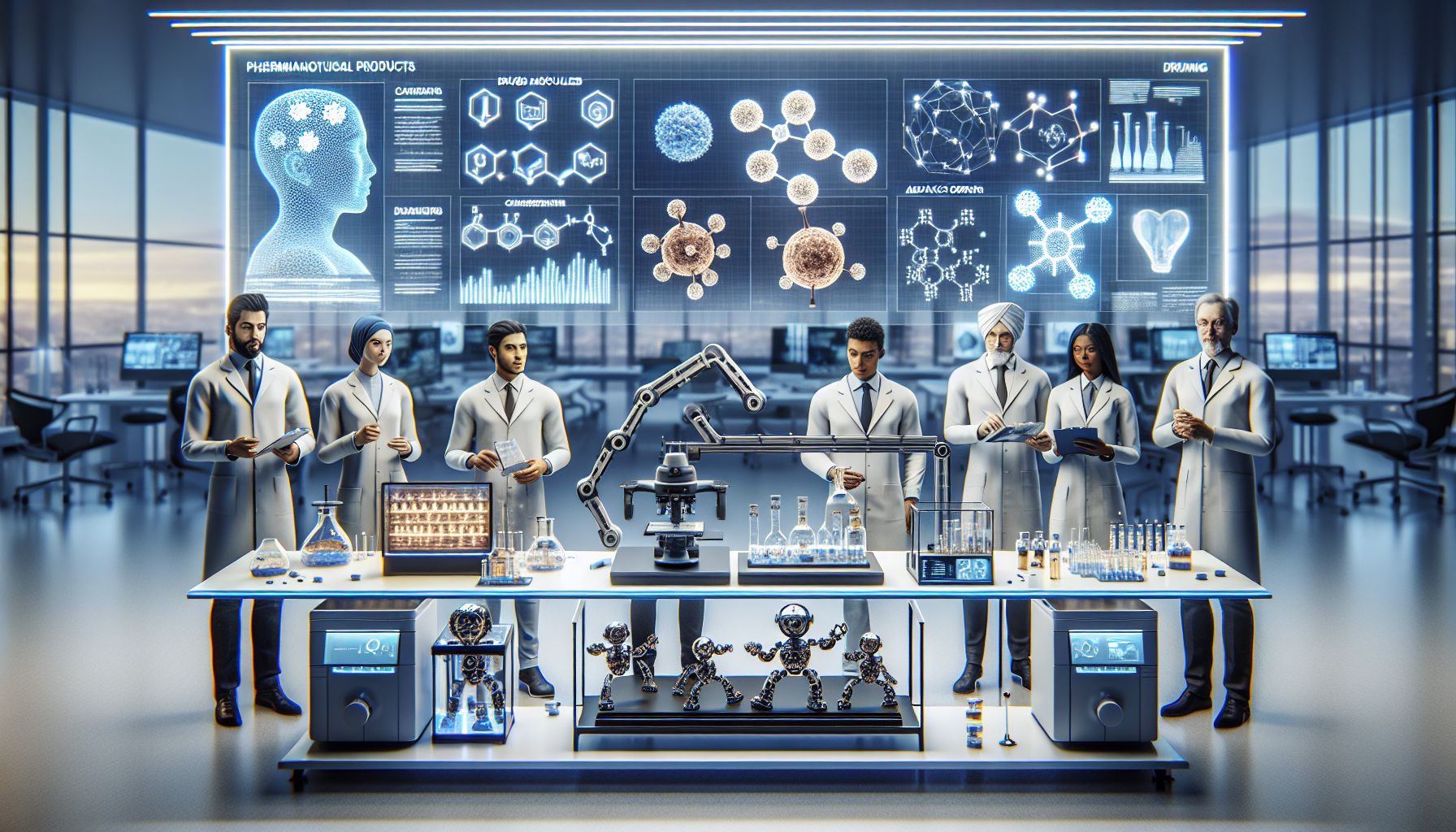
Technology has been transforming various industries over the years, and the pharmaceutical sector is no exception. The marriage between technology and pharmaceutical products has brought about significant advancements, ultimately benefiting patients and healthcare systems worldwide. From drug discovery to personalized medicine, technology has revolutionized pharmaceutical products in unprecedented ways.
Drug Discovery
One of the most significant impacts of technology on pharmaceutical products is its role in drug discovery. In the past, developing a new drug was a lengthy and challenging process. However, with the aid of technology, this process has been streamlined. High-throughput screening techniques, combined with computational modeling and artificial intelligence, allow researchers to analyze thousands of molecules in a short period. This process has tremendously expedited the identification of potential drug candidates, significantly reducing the time and cost of drug discovery.
Manufacturing and Quality Control
Technology has also modernized the manufacturing and quality control processes of pharmaceutical products. Automation and robotics have replaced much of the manual labor involved in drug production, ensuring higher precision and efficiency. This shift has not only increased the speed of manufacturing but also improved the consistency and overall quality of pharmaceutical products. Furthermore, technology enables continuous monitoring and real-time data analysis during the manufacturing process, leading to more reliable and safer end products.
Delivery Systems
Advancements in technology have revolutionized drug delivery systems, enhancing patient experiences and treatment effectiveness. The development of various delivery methods, such as nanotechnology and implantable devices, has enabled targeted and controlled drug administration. These systems ensure that medications are delivered directly to the affected area, minimizing side effects and improving the therapeutic outcome. Moreover, technology has played a vital role in the development of patient-friendly devices like wearable sensors and smart inhalers, empowering individuals to monitor their health conditions and adhere to their treatment plans more effectively.
Personalized Medicine
Perhaps one of the most promising aspects of technology in pharmaceutical products is personalized medicine. Thanks to breakthroughs in genomic sequencing and bioinformatics, researchers can now analyze an individual’s genetic makeup and tailor treatment plans accordingly. This approach ensures that patients receive the most effective and appropriate medications for their specific conditions, avoiding unnecessary trial-and-error processes. By combining genomics with advanced diagnostics, technology has opened doors to precision medicine, ultimately improving health outcomes and reducing healthcare costs.
In conclusion, the integration of technology into the pharmaceutical industry has revolutionized the development, manufacturing, delivery, and personalization of pharmaceutical products. These advancements have not only increased the speed and efficiency of drug discovery but also improved manufacturing processes, delivery mechanisms, and personalized treatment plans. As technology continues to evolve, the future of pharmaceutical products holds immense potential for further advancements and innovation. Ultimately, this will lead to better healthcare outcomes and improved patient experiences globally.
Comments are Disabled