
Technological Advancements in the Pharmaceutical Industry
The intersection of technology and pharmaceutical products has revolutionized the healthcare landscape. Traditional medicine is being transformed by scientific breakthroughs and innovative techniques, leading to improved patient outcomes and enhanced drug development processes. With each passing day, technology continues to reshape the pharmaceutical industry, creating a more efficient and effective healthcare system.
Advanced Drug Discovery and Development
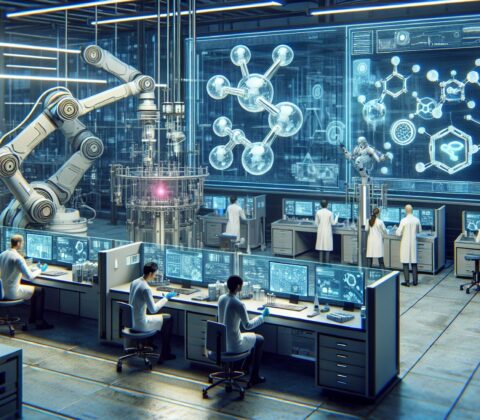
One of the most significant contributions of technology to the pharmaceutical industry is in the field of drug discovery and development. Through the use of computational methods and artificial intelligence (AI), scientists can now identify potential drug candidates more swiftly and accurately. These groundbreaking technologies help in sifting through vast amounts of data and predicting chemical interactions, significantly reducing the time and cost involved in traditional drug discovery processes.
Moreover, machine learning algorithms have proven to be invaluable in analyzing massive datasets, enabling researchers to detect patterns and make informed decisions. Predictive models have become an integral part of pharmaceutical research, allowing scientists to anticipate drug efficacy and toxicity. These technological advancements expedite the drug development timeline and improve the overall success rate, ultimately benefiting patients worldwide.
Smart Drug Delivery Systems
Advancements in technology are not limited to drug development alone. Smart drug delivery systems are another area where innovation has had a remarkable impact. These systems utilize cutting-edge technology to deliver medications in a controlled, targeted, and personalized manner.
For instance, implantable devices equipped with biosensors can continuously monitor a patient’s vital signs and release drugs when needed. This enables precise dosage administration and reduces the risk of adverse effects. Furthermore, wearable devices and smartphone applications have emerged to help patients track their medication intake and adherence. These digital solutions empower individuals to take charge of their health and ensure timely consumption of prescribed medications.
Enhanced Clinical Trials and Personalized Medicine
The integration of technology has also transformed the landscape of clinical trials, making them more efficient and patient-centered. Electronic data capture systems and electronic health records have replaced traditional paper-based documentation, minimizing errors and facilitating real-time data analysis. Additionally, telemedicine and remote monitoring technologies enable researchers to conduct trials remotely, improving both accessibility and patient recruitment.
Furthermore, technology plays a crucial role in advancing personalized medicine. By combining genetic information with technological tools such as DNA sequencing and AI algorithms, healthcare providers can tailor treatments to individual patients. This personalized approach eliminates the reliance on trial-and-error methods and ensures the most effective treatment plan, increasing the chances of positive health outcomes.
Conclusion
Technology continues to revolutionize the pharmaceutical industry, driving innovations in drug discovery, delivery systems, clinical trials, and personalized medicine. These advancements have significantly improved patient care by enabling faster drug development, precise drug delivery, more efficient clinical trials, and personalized treatments. As technology continues to advance, we can expect further breakthroughs that will reshape healthcare and bring us closer to a future where diseases are better managed and controlled.
Comments are Disabled