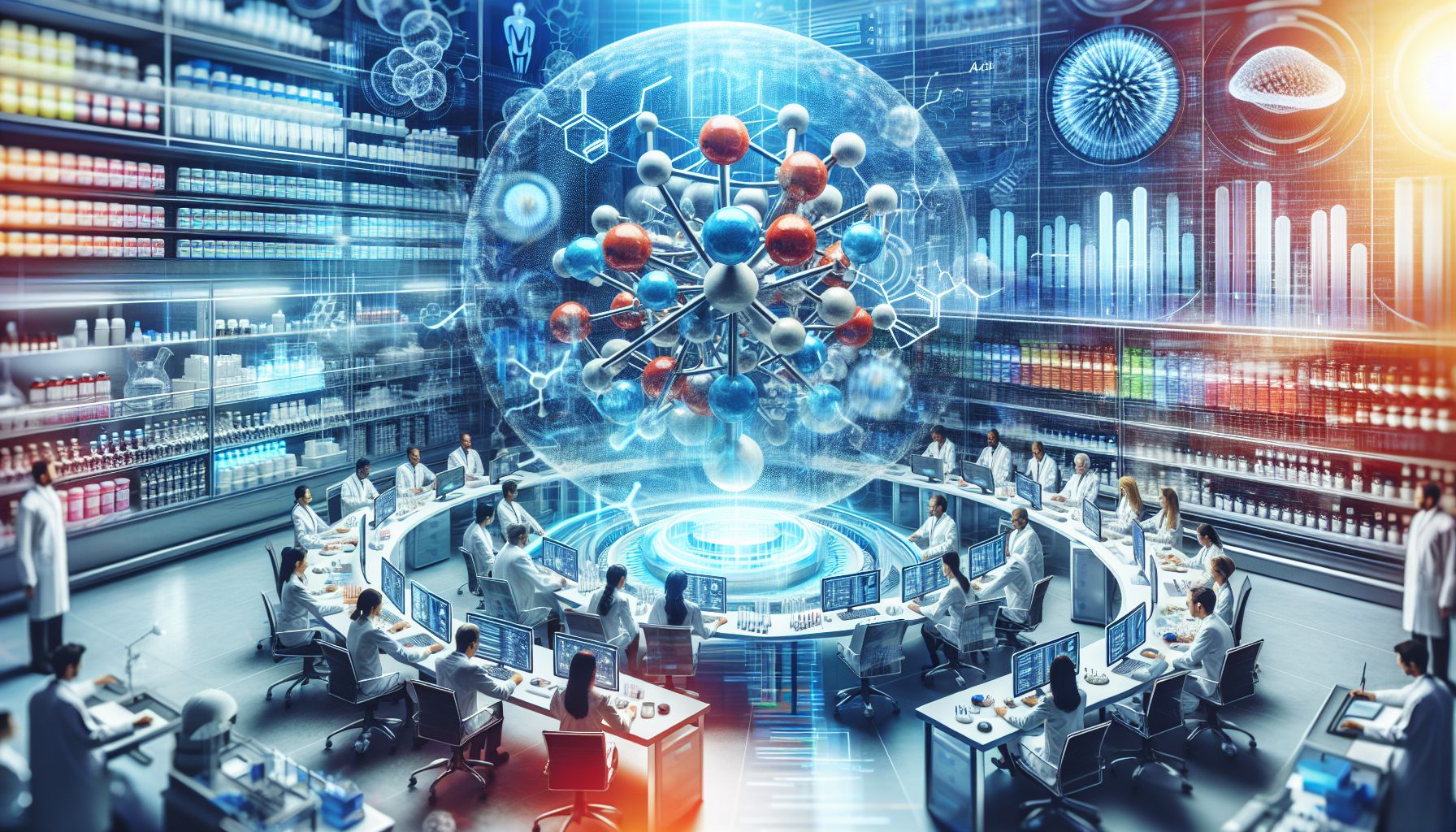

Technology and Pharmaceutical Products: A Powerful Combination
Technology has revolutionized every aspect of our lives, from simple daily tasks to complex industries. It has also played a crucial role in the advancement of pharmaceutical products, leading to improved treatments, precise diagnoses, and better patient outcomes. The integration of technology and pharmaceuticals has created a powerful combination that is shaping the future of healthcare.
In the past, drug development and manufacturing relied heavily on manual processes, which were time-consuming and prone to errors. However, with the advent of technology, the pharmaceutical industry has witnessed a remarkable transformation. Automating various stages of drug discovery, development, and production have accelerated the entire process, allowing for faster and more efficient results.
One of the significant contributions of technology to pharmaceuticals is the field of artificial intelligence (AI). AI can analyze vast amounts of data and identify patterns that humans might miss, leading to new insights into diseases and potential treatment options. Machine learning algorithms can assist in predicting the efficacy of new drugs, thereby streamlining the research and development process.
The use of technology has also led to significant advancements in drug delivery systems. Traditional oral medications often have limitations in terms of absorption and effectiveness. However, with the help of technology, pharmaceutical companies have been able to develop improved drug delivery methods. Transdermal patches, inhalers, and micro-encapsulation techniques enable the precise administration of medications, enhancing their efficacy and reducing side effects.
Moreover, technology has transformed the way healthcare professionals diagnose and monitor diseases. Cutting-edge medical devices, such as MRI machines, CT scanners, and genetic testing equipment, provide accurate and detailed information for early detection and treatment planning. These diagnostic tools not only improve patient outcomes but also contribute to the overall efficiency of healthcare systems.
Additionally, the integration of technology in pharmaceutical products has revolutionized patient care through telemedicine and remote monitoring. Patients can now consult with healthcare professionals from the comfort of their homes, saving time and reducing the burden on hospitals and clinics. Remote monitoring devices enable real-time tracking of patients’ vital signs, allowing for proactive intervention and personalized treatment plans.
While the integration of technology and pharmaceutical products has brought significant advancements, it has also presented challenges. Ensuring the security and privacy of patient data, particularly in the era of connected devices and digital health apps, remains a priority. Cybersecurity measures need to be robust to protect sensitive medical information from unauthorized access.
In conclusion, the marriage of technology and pharmaceutical products has propelled the healthcare industry forward, benefiting patients, healthcare professionals, and the entire ecosystem. From streamlining drug development to innovative drug delivery systems and advanced diagnostics, technology has enhanced every step of the pharmaceutical process. However, it is vital to overcome challenges related to data security and privacy to fully harness the potential of this powerful combination. As technology continues to evolve, so too will the ways in which pharmaceutical products are developed, improving healthcare outcomes and transforming lives.
Comments are Disabled