Technology and Pharmaceutical Products: Revolutionizing Healthcare
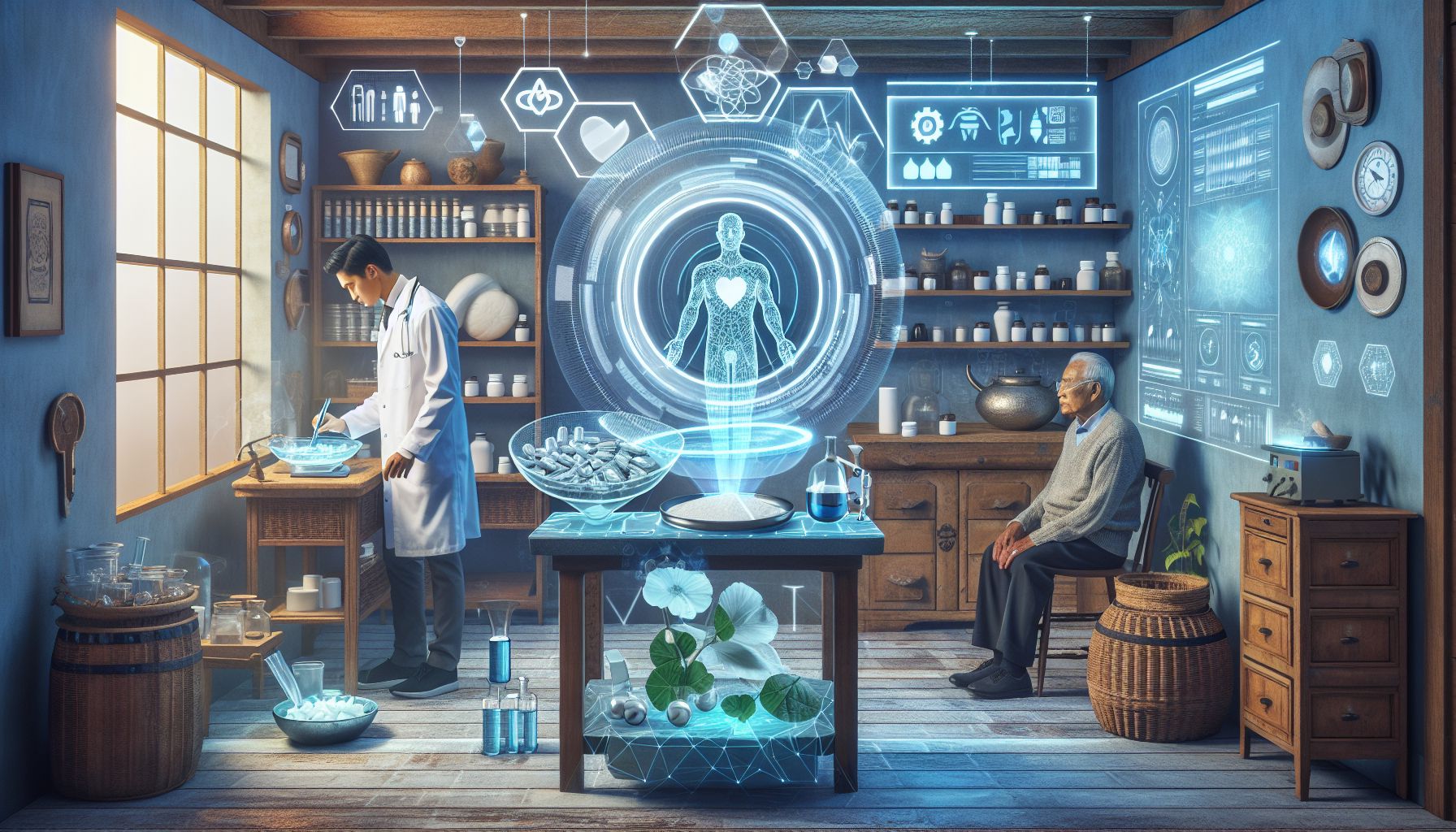
The healthcare industry has undergone a substantial transformation in recent years, thanks to the combined power of technology and pharmaceutical advancements. With the integration of high-tech tools and innovative scientific discoveries, we are witnessing a revolution that is transforming the way we approach healthcare. In this blog post, we will delve into the profound impact that technology has had on pharmaceutical products, enhancing their development, manufacturing process, and patient care.
Advancing Research and Development
Technology has paved the way for groundbreaking advancements in drug research and development. Through the use of computational models and complex algorithms, researchers can now accelerate the process of screening potential drug candidates. This allows for more efficient identification of molecules with therapeutic potential, reducing the time required for the lengthy drug discovery phase. In addition, Big Data analytics enable scientists to analyze vast amounts of medical data, expediting the identification of novel drug targets and facilitating personalized medicine approaches.
Improving Manufacturing Processes
Pharmaceutical manufacturing has also benefited significantly from technological advancements. The introduction of automation and robotics has enabled the industry to boost production efficiency while ensuring precision and reliability. Automated systems can now perform intricate tasks such as compound synthesis, formulation, and packaging, minimizing human errors and increasing the speed of manufacturing. Moreover, with the help of artificial intelligence (AI) and machine learning algorithms, manufacturers can optimize production processes, reduce waste, and improve drug quality and safety.
Enhancing Patient Care
The combination of technology and pharmaceutical products has revolutionized patient care. Wearable devices and mobile applications have become invaluable tools for monitoring patients’ health conditions, tracking medication adherence, and improving disease management. These devices provide real-time data to healthcare professionals, enabling them to make more informed decisions and personalize treatment regimens. Moreover, telemedicine and virtual consultations have gained momentum, allowing patients to access healthcare remotely and reducing the burden of overburdened healthcare systems. This fusion of technology and pharmaceuticals empowers patients to take greater control of their health, improving overall outcomes.
Ensuring Safety and Compliance
Pharmaceutical products must meet strict safety and compliance regulations. Here, technology plays a vital role in ensuring adherence to these standards. From supply chain management to quality control, high-tech tools such as blockchain and Internet of Things (IoT) devices provide transparency and traceability throughout the entire production and distribution process. This not only enhances patient safety but also helps prevent counterfeit drugs from entering the market. Additionally, digital platforms and machine learning algorithms aid in pharmacovigilance, allowing for early detection of adverse drug reactions and better post-marketing surveillance.
Conclusion
With technology becoming increasingly intertwined with pharmaceutical products, the future of healthcare looks promising. The synergy between these two domains has expedited drug discovery, streamlined manufacturing processes, improved patient care, and enhanced safety and compliance practices. As we embrace the era of digital health, the transformative power of technology will continue to reshape the pharmaceutical industry, leading to better healthcare outcomes for all.
Comments are Disabled