Technology Revolutionizing Pharmaceutical Products
The intersection between technology and pharmaceutical products has caused a paradigm shift in the healthcare industry. The integration of innovative technologies in drug development, manufacturing, and delivery has paved the way for groundbreaking advancements in patient care. Today, technology has become an invaluable tool for researchers, manufacturers, and healthcare professionals alike, allowing the development of more efficient and personalized pharmaceutical products.
Technological Advancements in Drug Development
Traditionally, drug development and discovery have been time-consuming and costly processes. However, with the advent of cutting-edge technologies, such as artificial intelligence (AI) and machine learning, this landscape is rapidly changing. These technologies have the capability to process and analyze vast amounts of data, enabling researchers to identify potential drug targets and design molecules with enhanced potency and specificity.
Additionally, the use of computer simulations and digital modeling has revolutionized the drug development process. Researchers can now predict the behavior of drugs within the human body, saving both time and resources in the pre-clinical phase. This not only expedites the development of new pharmaceutical products, but also minimizes the risks associated with adverse effects.
Improving Manufacture and Quality Control
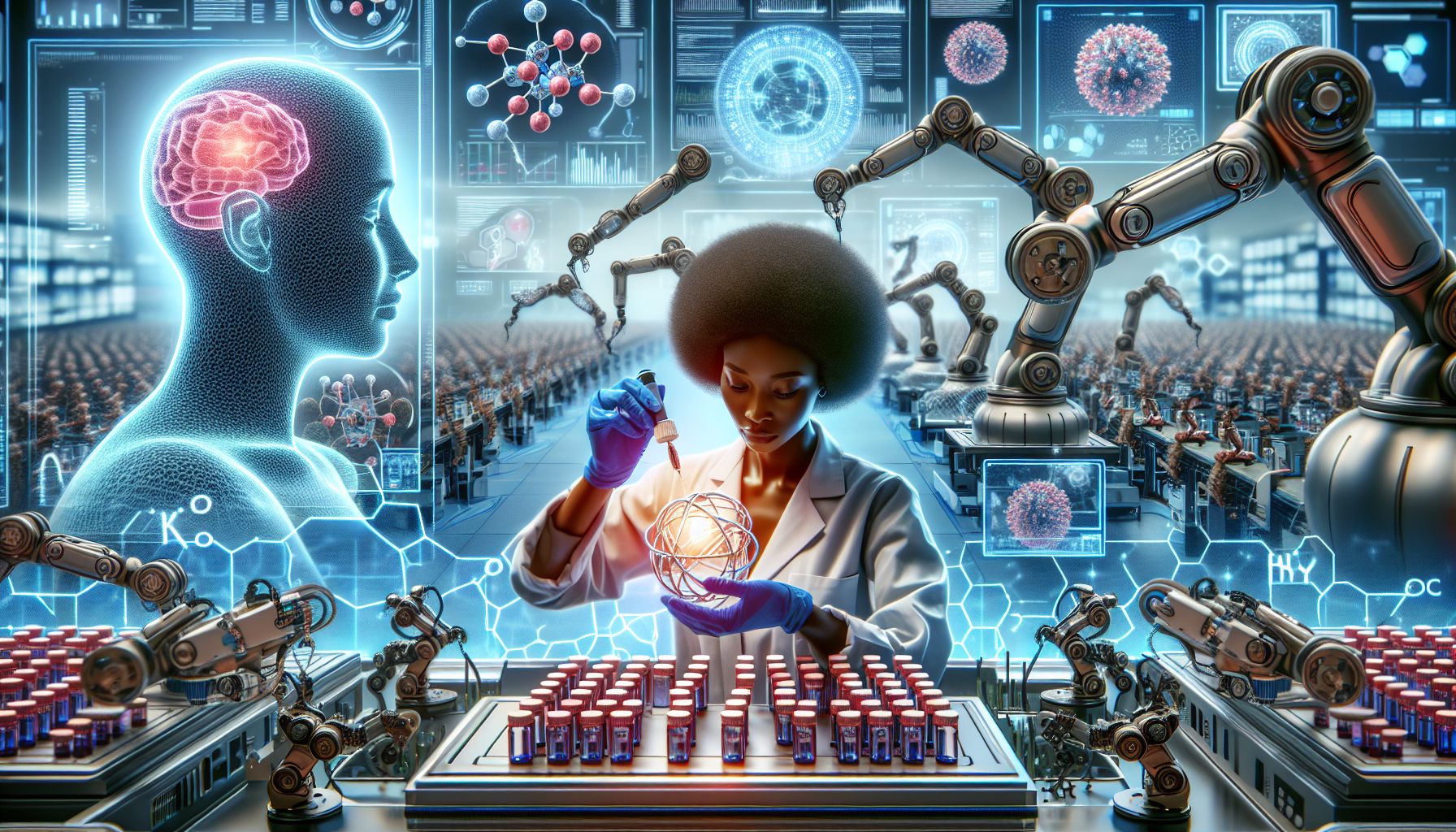
Manufacturing pharmaceutical products has become more efficient and precise thanks to the implementation of advanced technologies. Automation and robotics have significantly improved the accuracy and speed of manufacturing processes. These technologies ensure consistent production, reducing the likelihood of errors and ensuring product quality.
Furthermore, data-driven analytics and real-time monitoring systems have enhanced quality control mechanisms. By closely monitoring manufacturing processes, potential issues can be quickly identified and rectified, leading to a higher quality final product. Additionally, these advancements help to ensure compliance with regulatory standards and improve patient safety.
Enhanced Drug Delivery Systems
Technological advancements have also revolutionized drug delivery systems, improving the efficiency and efficacy of pharmaceutical products. Nanotechnology, for instance, has enabled the development of nanocarriers that can deliver drugs directly to specific cells or tissues, reducing unwanted side effects and improving treatment outcomes. These nanocarriers can be engineered to release drugs in a controlled manner, enhancing the therapeutic effect of the medication.
In addition, technology has facilitated the development of personalized medicine through the use of wearable devices and digital health platforms. These devices can monitor patient data in real-time, providing valuable information to healthcare professionals. With this information, medication dosage and treatment plans can be tailored to individual patients, maximizing the efficacy of pharmaceutical products.
Conclusion
The integration of technology in the pharmaceutical industry has revolutionized the way we develop, manufacture, and deliver drugs. From enhancing drug discovery with AI and machine learning to improving manufacturing processes through automation and real-time monitoring, technology has significantly improved the efficiency, safety, and effectiveness of pharmaceutical products. As advancements continue to emerge, we can expect even greater innovation and advancements in the healthcare industry, ultimately leading to better patient outcomes and improved quality of life.
Comments are Disabled