Technology’s Impact on Pharmaceutical Products
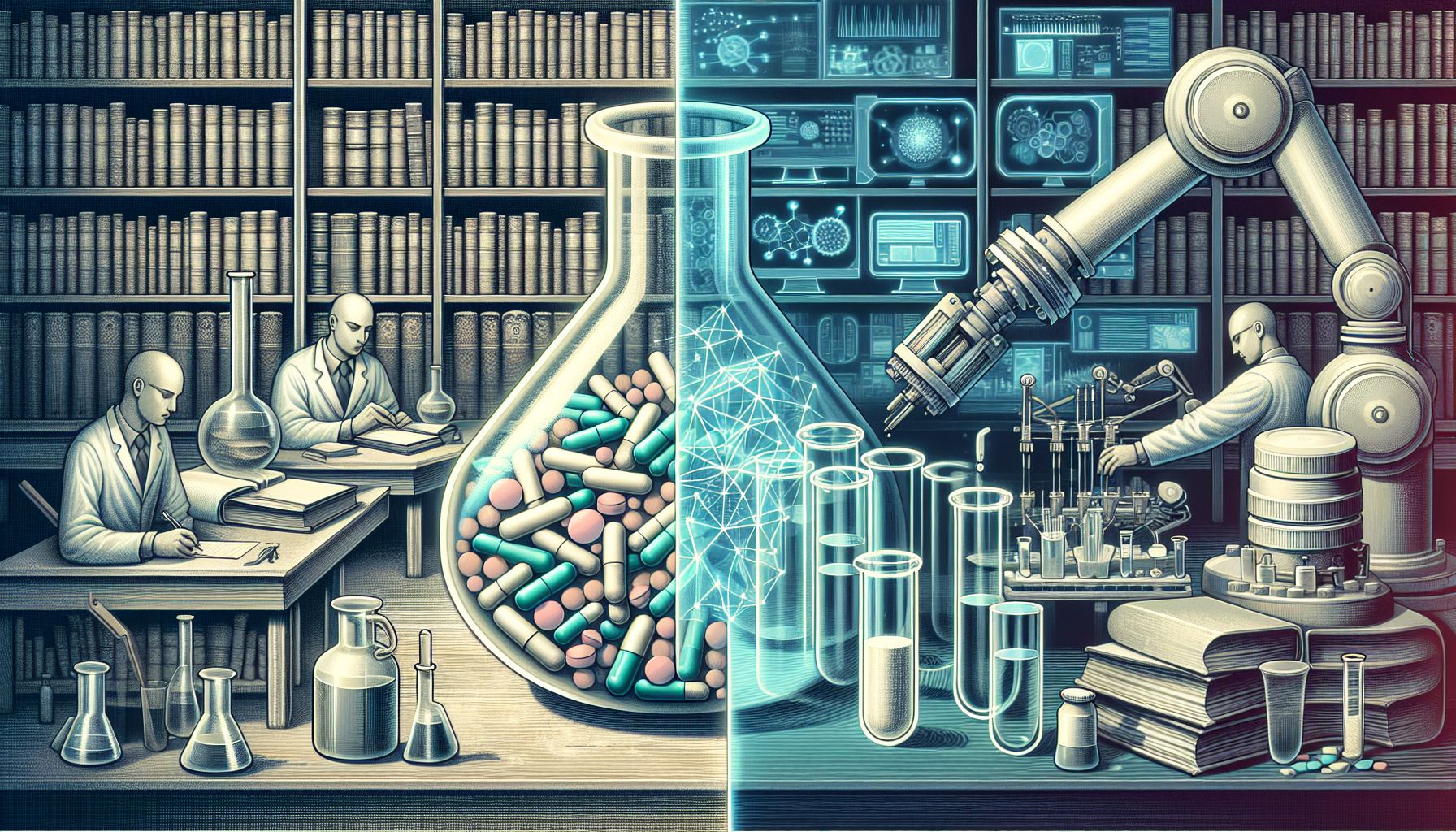
In today’s rapidly evolving world, technology plays a crucial role in the development, production, and distribution of pharmaceutical products. From research and development to manufacturing and marketing, advancements in technology have revolutionized the pharmaceutical industry, leading to the creation of innovative drugs and treatments that improve the quality of life for millions of people worldwide.
One of the major ways in which technology has transformed the pharmaceutical industry is through accelerated drug discovery and development. With the help of computational modeling and simulation, scientists can analyze vast amounts of data to identify potential drug candidates more quickly and accurately than ever before. This has significantly reduced the time and cost associated with bringing a new drug to market, allowing pharmaceutical companies to deliver life-saving treatments to patients in a timelier manner.
Moreover, technology has also revolutionized the manufacturing process of pharmaceutical products. Automation and robotics have made production more efficient and streamlined, ensuring the consistency and quality of drugs being manufactured. Additionally, the use of data analytics and artificial intelligence has enabled manufacturers to optimize their supply chains, reducing waste and improving overall productivity.
In terms of distribution and marketing, technology has facilitated the seamless delivery of pharmaceutical products to patients. Online pharmacies and telemedicine services have made it easier for individuals to access the medications they need, particularly in remote or underserved areas. Furthermore, digital marketing strategies have allowed pharmaceutical companies to reach their target audience more effectively, increasing awareness about various health conditions and available treatment options.
However, while technology has brought about numerous benefits to the pharmaceutical industry, it also presents new challenges and ethical considerations. Issues such as data privacy, cybersecurity, and the regulation of digital health products require careful attention and ongoing dialogue to ensure that patients are protected and that the integrity of the industry is maintained.
In conclusion, technology has had a profound impact on pharmaceutical products, from drug discovery and development to manufacturing and distribution. As the industry continues to embrace new technologies and innovations, it is essential for stakeholders to collaborate and adapt to these changes responsibly. By leveraging the power of technology, the pharmaceutical industry can continue to make significant advancements in healthcare and improve the well-being of individuals around the world.
Comments are Disabled