The Evolution of Technology in Pharmaceutical Products
Technology has significantly impacted the pharmaceutical industry, revolutionizing the way drugs are developed, tested, and distributed. As advancements in technology continue to progress at a rapid pace, the potential for innovation within the pharmaceutical sector is endless.
One of the most significant technological advancements in pharmaceutical products is the use of artificial intelligence (AI) and machine learning. With the ability to process vast amounts of data in a fraction of the time it would take a human, AI has revolutionized drug discovery and development. By analyzing molecular structures, predicting drug interactions, and identifying potential side effects, AI has accelerated the drug development process and increased the efficiency of clinical trials.
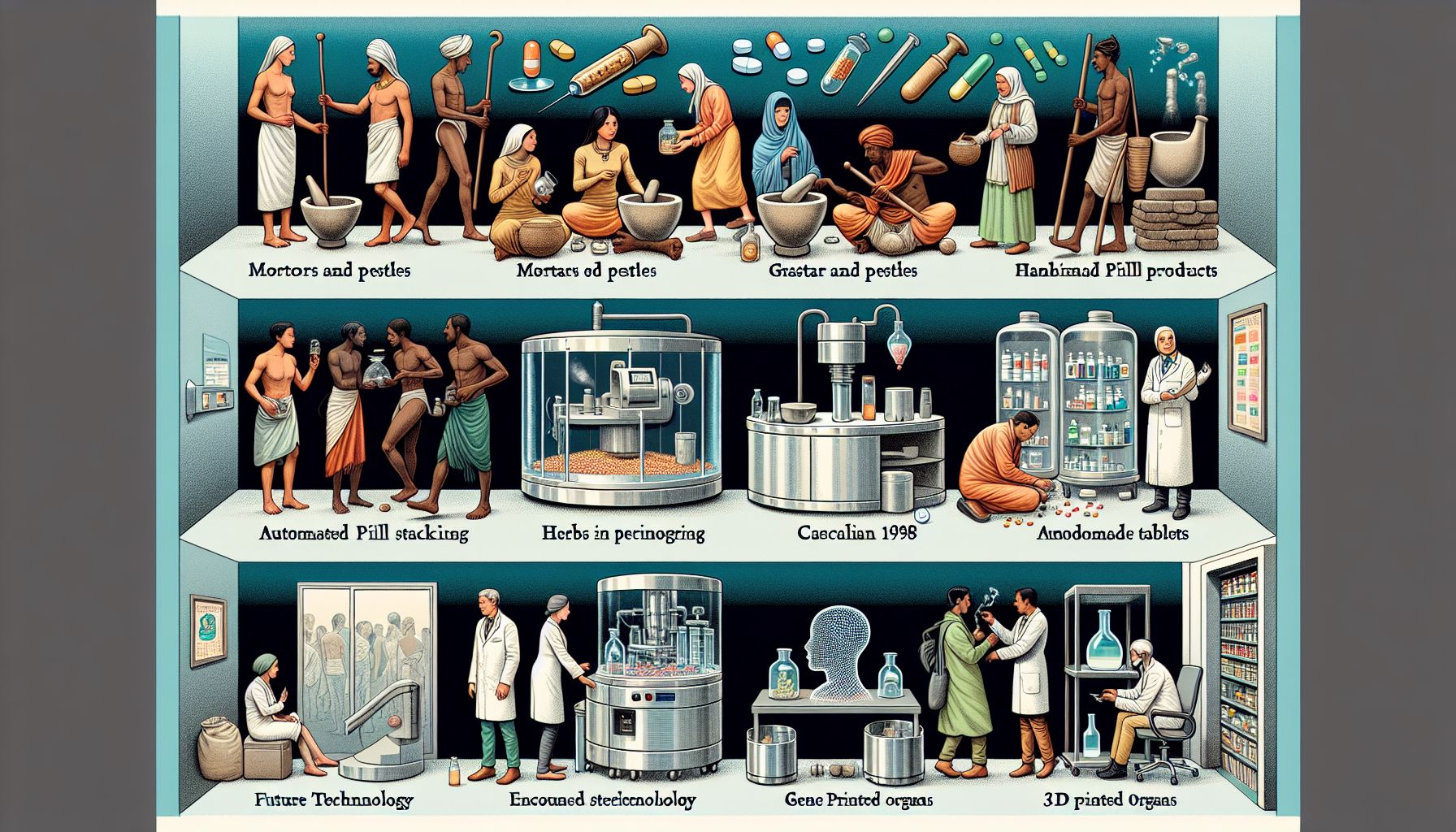
Furthermore, 3D printing technology has also made a significant impact on the pharmaceutical industry. This technology allows for the precise and customizable manufacturing of drugs, making it easier to create personalized medicines for patients. By using 3D printing, pharmaceutical companies can tailor drug dosages to the specific needs of individual patients, leading to more effective treatment outcomes.
In addition to AI and 3D printing, the Internet of Things (IoT) has also played a crucial role in the evolution of pharmaceutical products. By connecting medical devices, sensors, and other healthcare equipment to the internet, pharmaceutical companies can gather real-time data on patient health, medication adherence, and treatment outcomes. This data allows for more personalized and proactive healthcare interventions, ultimately improving patient outcomes and reducing healthcare costs.
Moreover, virtual reality (VR) and augmented reality (AR) have also been utilized in the pharmaceutical industry to enhance drug development and training processes. By creating immersive simulations and virtual training programs, pharmaceutical companies can train employees more effectively and efficiently, resulting in better-educated staff and improved drug manufacturing processes.
As technology continues to advance, the possibilities for innovation within the pharmaceutical industry are endless. From AI-powered drug discovery to personalized 3D printed medications, the future of pharmaceutical products is exciting and promising. By embracing and leveraging technological advancements, pharmaceutical companies can create safer, more effective drugs and improve patient outcomes worldwide.
In conclusion, technology has significantly impacted the pharmaceutical industry, transforming the way drugs are developed, tested, and distributed. As AI, 3D printing, IoT, VR, and AR continue to advance, the potential for innovation within the pharmaceutical sector is vast. By embracing these technological advancements, pharmaceutical companies can create more personalized and effective medications, ultimately improving patient outcomes and revolutionizing healthcare as we know it.
Comments are Disabled