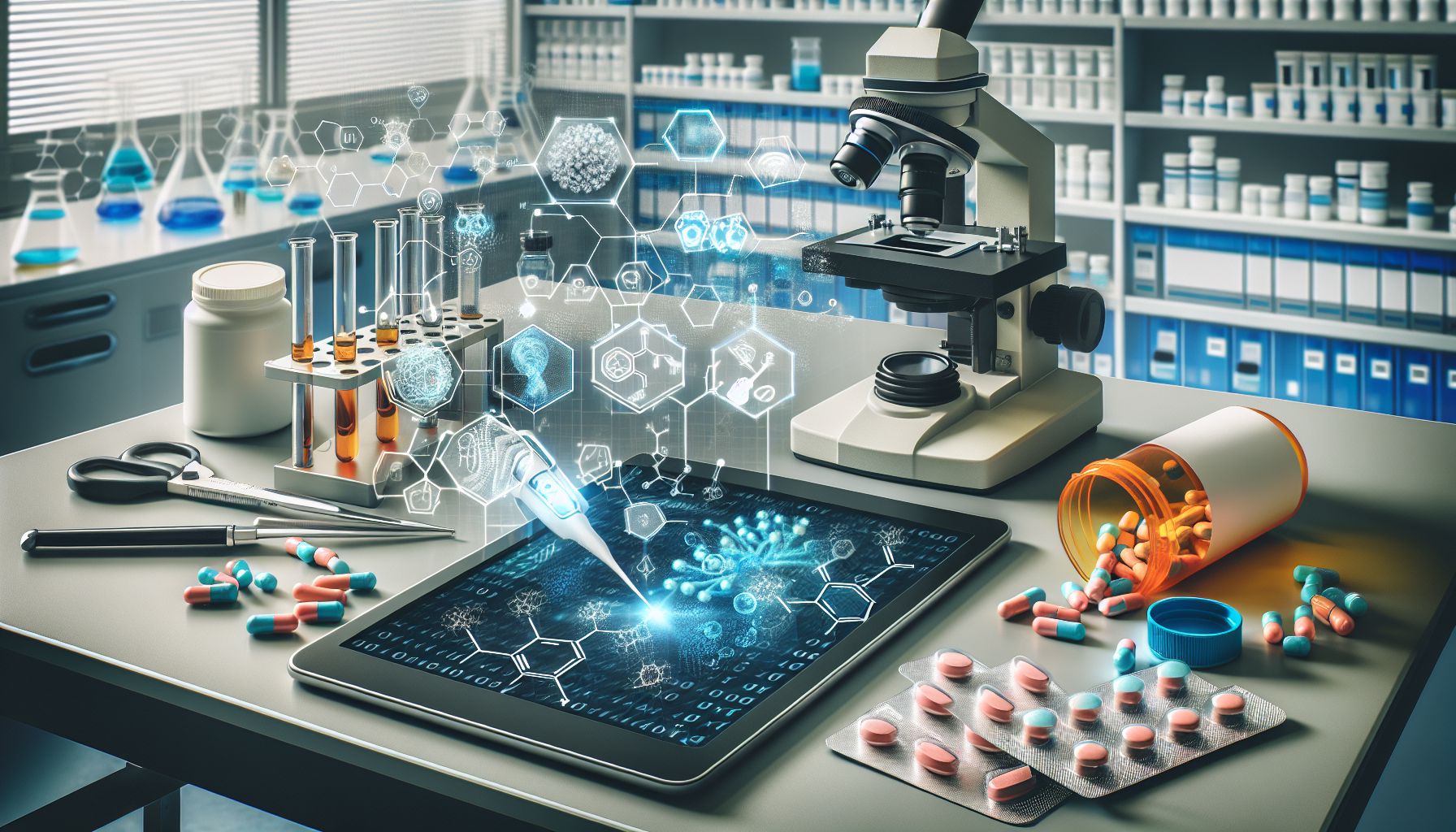
The Intersection of Technology and Pharmaceutical Products
Technology has played a significant role in revolutionizing the pharmaceutical industry. From drug discovery to patient care, advancements in technology have paved the way for more efficient and effective treatments. The integration of technology into pharmaceutical products has not only accelerated the development process but has also improved patient outcomes.
One area where technology has made a profound impact is in drug discovery. The traditional method of drug discovery is time-consuming and expensive, often taking years to bring a new drug to market. However, with the help of technologies such as artificial intelligence and machine learning, researchers are now able to identify potential drug candidates in a fraction of the time. These technologies analyze vast amounts of data to predict how a drug will interact with the human body, allowing researchers to focus on the most promising compounds.
In addition to drug discovery, technology has also enhanced the way pharmaceutical products are manufactured. 3D printing, for example, has revolutionized the production process by allowing for personalized medicine to be created on-demand. This not only reduces costs but also ensures that patients receive the exact dose they need. Furthermore, technologies such as blockchain have been implemented to track and trace pharmaceutical products, reducing the risk of counterfeit drugs entering the market.
When it comes to patient care, technology has enabled pharmaceutical companies to develop innovative solutions that improve medication adherence and monitoring. Smart pills, for example, contain sensors that transmit data to a smartphone app, allowing healthcare providers to track patient compliance in real-time. This not only ensures that patients are receiving the intended benefits of their medication but also allows for early intervention if any issues arise.
Despite the many benefits of integrating technology into pharmaceutical products, there are challenges that must be addressed. Data privacy and security concerns, for example, have become increasingly important as more patient information is being collected and analyzed. Additionally, the high costs of implementing new technologies can be a barrier for some companies, especially smaller ones.
In conclusion, the intersection of technology and pharmaceutical products has led to numerous advancements that have transformed the industry. From drug discovery to patient care, technology has improved the efficiency, effectiveness, and safety of pharmaceutical products. While there are challenges that must be overcome, the potential benefits of integrating technology into the pharmaceutical industry are vast and will continue to shape the future of healthcare.
Comments are Disabled