The Intersection of Technology and Pharmaceutical Products
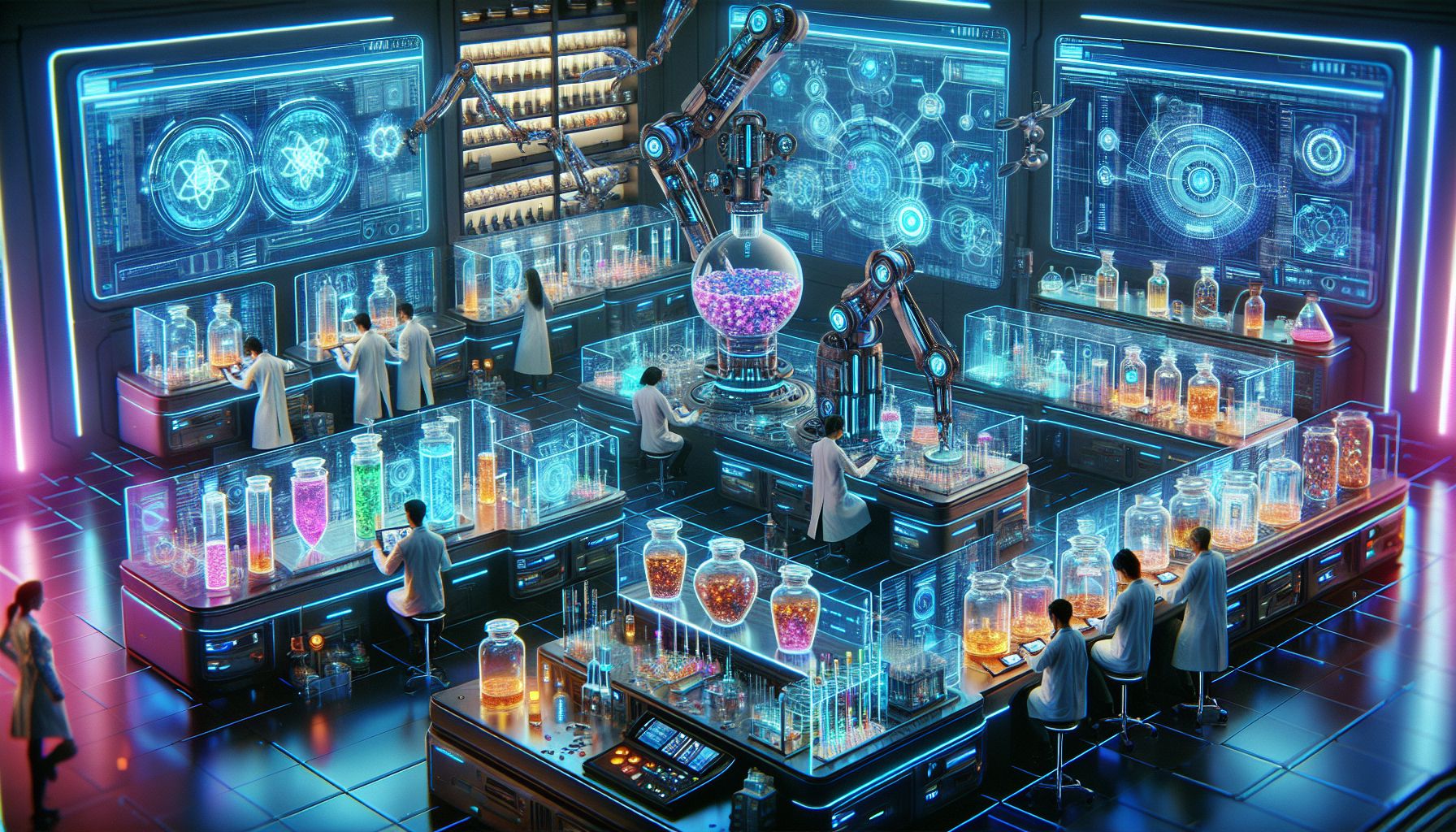
Technology has revolutionized every aspect of our lives, including the pharmaceutical industry. From researching new drugs to manufacturing and distribution, technology plays a crucial role in ensuring that patients have access to safe and effective medications.
One of the most significant advancements in pharmaceutical technology is the use of artificial intelligence (AI) in drug discovery. AI algorithms can analyze massive amounts of data in a fraction of the time it would take a human researcher, leading to the identification of potential drug candidates much faster. This has the potential to speed up the drug development process and bring new medications to market more quickly.
In addition to AI, technology has also revolutionized the way drugs are manufactured. 3D printing technology, for example, is being used to create personalized medications for patients. This approach allows for precise dosages and formulations tailored to individual patients, improving treatment outcomes and reducing the risk of adverse reactions.
Moreover, technology has been instrumental in improving the safety and efficacy of pharmaceutical products. Quality control systems powered by automation and machine learning algorithms can detect defects and inconsistencies in medications, ensuring that only high-quality products reach consumers. This not only protects patients but also helps companies maintain compliance with regulatory standards.
Another area where technology is making a significant impact is in the way pharmaceutical products are delivered to patients. Smart pill bottles equipped with sensors can remind patients to take their medications, track adherence, and even alert healthcare providers in case of missed doses. This technology is particularly valuable for patients with chronic conditions who require regular medication to manage their health.
As the pharmaceutical industry continues to embrace technology, it’s crucial for companies to prioritize data security and privacy. With the increasing use of digital health technologies, including wearable devices and mobile apps, there is a wealth of sensitive patient data that must be protected from cyber threats and breaches. Strong encryption protocols, secure cloud storage, and regular security updates are essential to safeguarding patient information.
In conclusion, technology has transformed the pharmaceutical industry, from drug discovery and manufacturing to distribution and patient care. By harnessing the power of AI, 3D printing, automation, and other cutting-edge technologies, companies can develop safer, more effective medications and improve patient outcomes. As technology continues to evolve, the future of pharmaceutical products looks brighter than ever before.
Comments are Disabled