The Intersection of Technology and Pharmaceutical Products
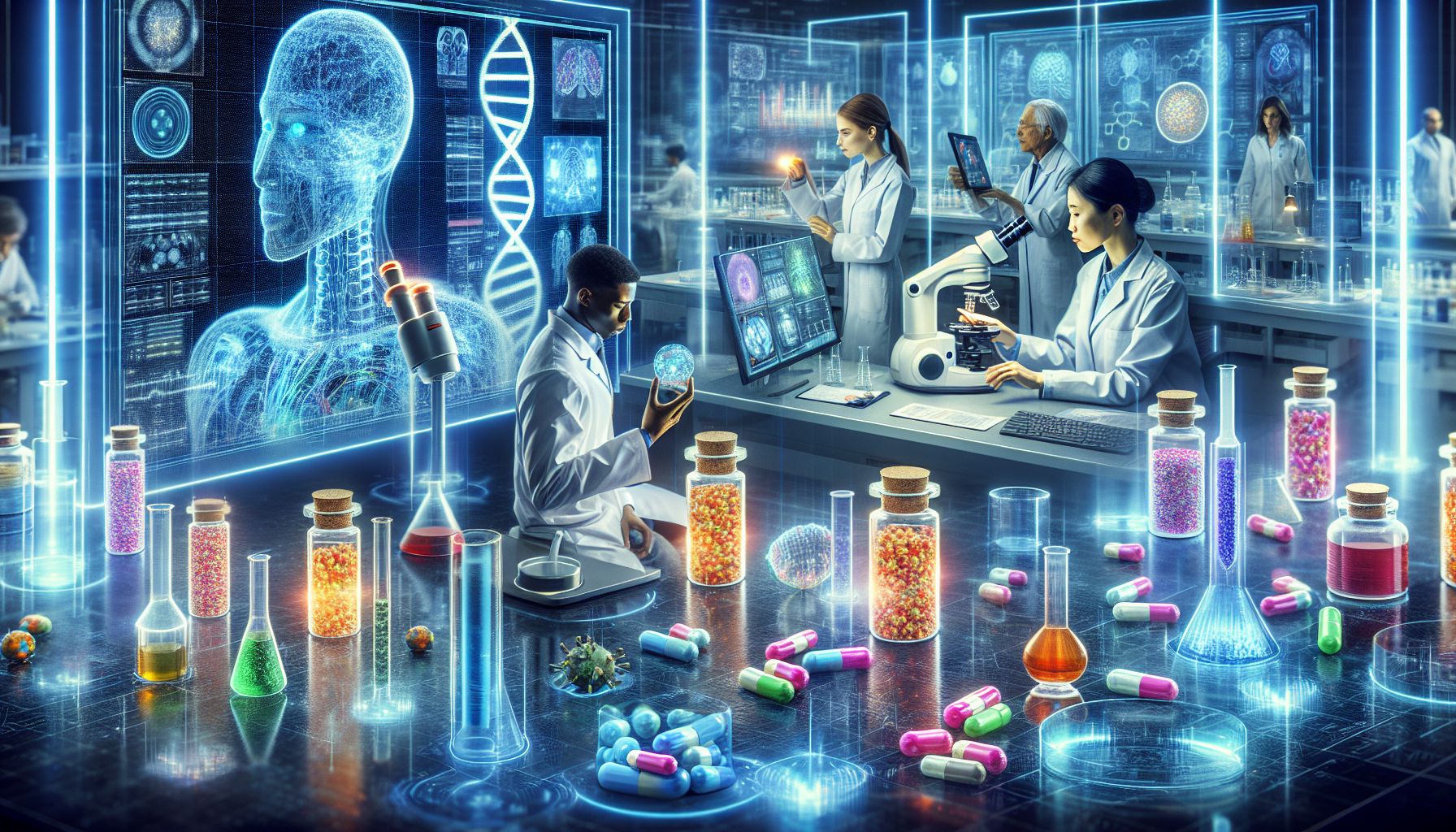
In recent years, technology has played an increasingly important role in the development and distribution of pharmaceutical products. From advanced manufacturing processes to digital health solutions, the integration of technology has revolutionized the pharmaceutical industry in numerous ways.
One of the most significant ways technology has impacted pharmaceutical products is through the development of precision medicine. By leveraging technologies such as genomics and data analytics, pharmaceutical companies can now create personalized treatments tailored to individual patients. This approach not only improves the efficacy of medications but also reduces the likelihood of adverse reactions, ultimately leading to better outcomes for patients.
Another area where technology has made a profound impact is in drug discovery and development. High-throughput screening, computational modeling, and artificial intelligence have significantly accelerated the pace at which new drugs can be identified, tested, and brought to market. These technologies have not only streamlined the drug development process but have also led to the discovery of novel therapeutic targets and treatment options.
Furthermore, the integration of technology has improved the efficiency and safety of pharmaceutical manufacturing. Automated processes, robotics, and quality control systems have enabled pharmaceutical companies to produce medications at a faster rate while ensuring consistent quality and compliance with regulatory standards. This has ultimately led to lower production costs and reduced time to market for new medications.
In addition to the production and development of pharmaceutical products, technology has also transformed the way they are distributed and administered to patients. Telemedicine, mobile health apps, and wearable devices have enabled healthcare providers to remotely monitor patients, deliver treatments, and optimize medication adherence. These digital health solutions not only improve patient outcomes but also increase access to healthcare services, especially for individuals in remote or underserved areas.
While the integration of technology into pharmaceutical products has brought about numerous benefits, it has also raised important challenges and considerations. Issues such as data privacy, cybersecurity, and regulatory compliance must be carefully addressed to ensure the safety and security of patients. Additionally, the rapid pace of technological advancements requires pharmaceutical companies to continuously adapt and innovate to stay competitive in the marketplace.
In conclusion, the intersection of technology and pharmaceutical products has transformed the way medications are developed, manufactured, and delivered to patients. By harnessing the power of technology, pharmaceutical companies can create more effective treatments, improve patient outcomes, and drive innovation in the healthcare industry. As technology continues to evolve, it will be exciting to see how it further shapes the future of pharmaceutical products and healthcare as a whole.
Comments are Disabled