The Intersection of Technology and Pharmaceutical Products
Technology has greatly impacted the field of pharmaceuticals, revolutionizing the way drugs are developed, tested, and distributed. With the use of cutting-edge technologies, pharmaceutical companies are able to create more effective medications, streamline the drug development process, and improve patient outcomes.
One of the key ways technology has influenced pharmaceutical products is through the use of artificial intelligence (AI) and machine learning. These technologies have been instrumental in speeding up the drug discovery process by quickly analyzing massive amounts of data to identify potential compounds and predict their efficacy. AI-powered algorithms can also be used to design clinical trials, predict patient responses to medications, and personalize treatment plans for individuals based on their genetic makeup.
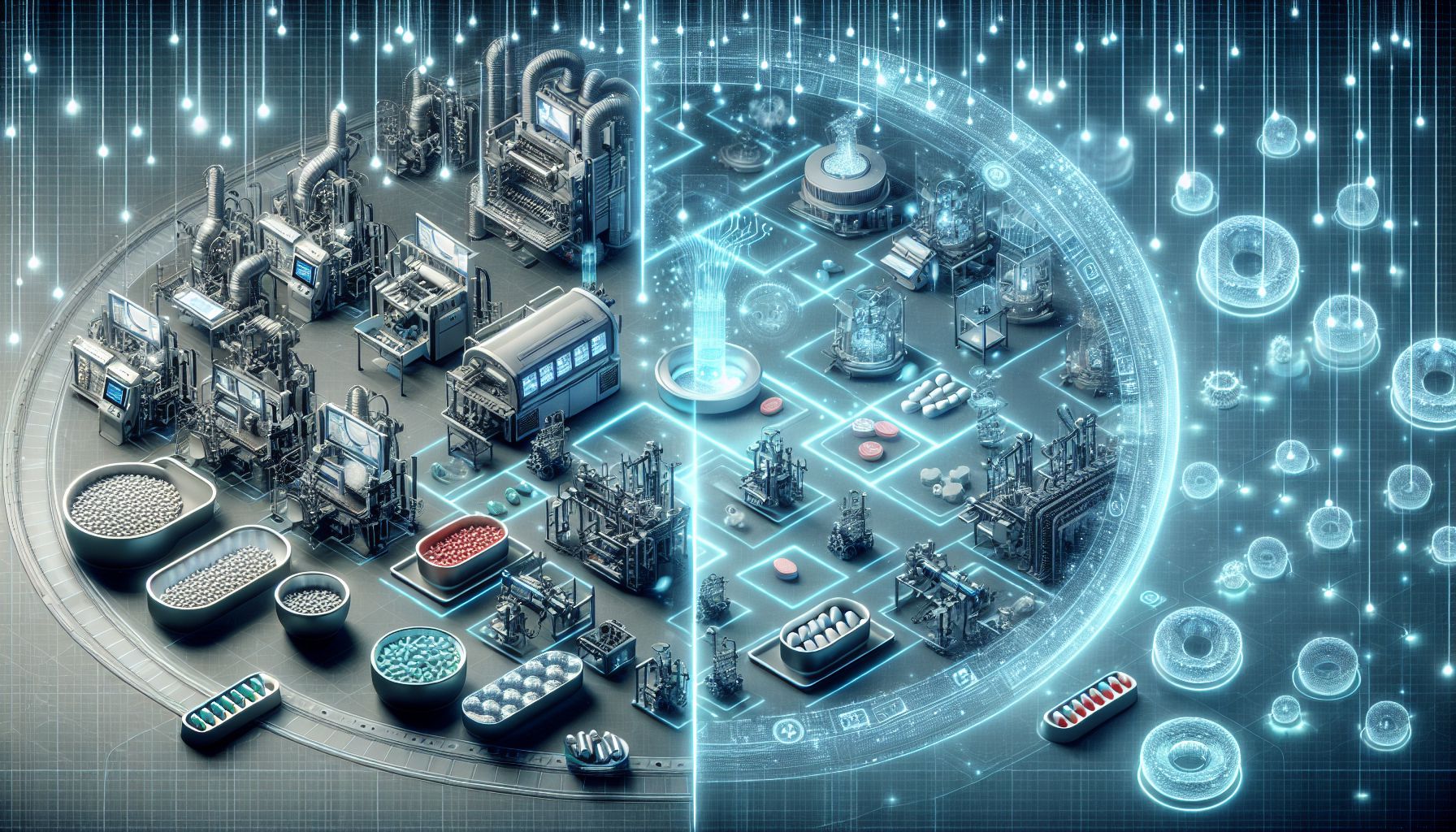
Additionally, technology has enabled pharmaceutical companies to improve the quality and safety of their products through the use of advanced manufacturing techniques. For example, 3D printing technology is now being used to create personalized medications tailored to individual patient needs. This allows for more precise dosing and better treatment outcomes.
Furthermore, the use of digital platforms and mobile apps has transformed the way pharmaceutical products are marketed and distributed. Online pharmacies and telemedicine services have made it easier for patients to access medications from the comfort of their own homes. Drug companies can now reach a wider audience and provide more personalized support to patients through virtual consultations and remote monitoring.
In the field of research and development, technology has also played a crucial role in making clinical trials more efficient and cost-effective. Virtual trials, where patients participate remotely using wearable devices and telemedicine, have become increasingly popular, allowing for faster recruitment of participants and real-time monitoring of patient data.
However, it is important to note that with these advancements also come challenges and concerns. Data privacy and security issues remain a major concern in the pharmaceutical industry, as the use of digital platforms and AI technologies raises questions about the protection of sensitive patient information. Additionally, the high cost of implementing and maintaining these technologies can be a barrier for some companies, particularly smaller pharmaceutical firms with limited resources.
In conclusion, the intersection of technology and pharmaceutical products has significantly transformed the healthcare industry, allowing for the development of more effective medications, personalized treatment plans, and improved patient outcomes. While there are challenges to overcome, the potential benefits of these advancements are vast and promising for the future of healthcare.
Comments are Disabled