The Intersection of Technology and Pharmaceutical Products
From the invention of the microscope to the development of DNA sequencing, technology has always played a crucial role in the advancement of pharmaceutical products. As the fields of science and technology continue to evolve, we are seeing an increasing convergence of the two disciplines, leading to groundbreaking innovations in the healthcare industry.
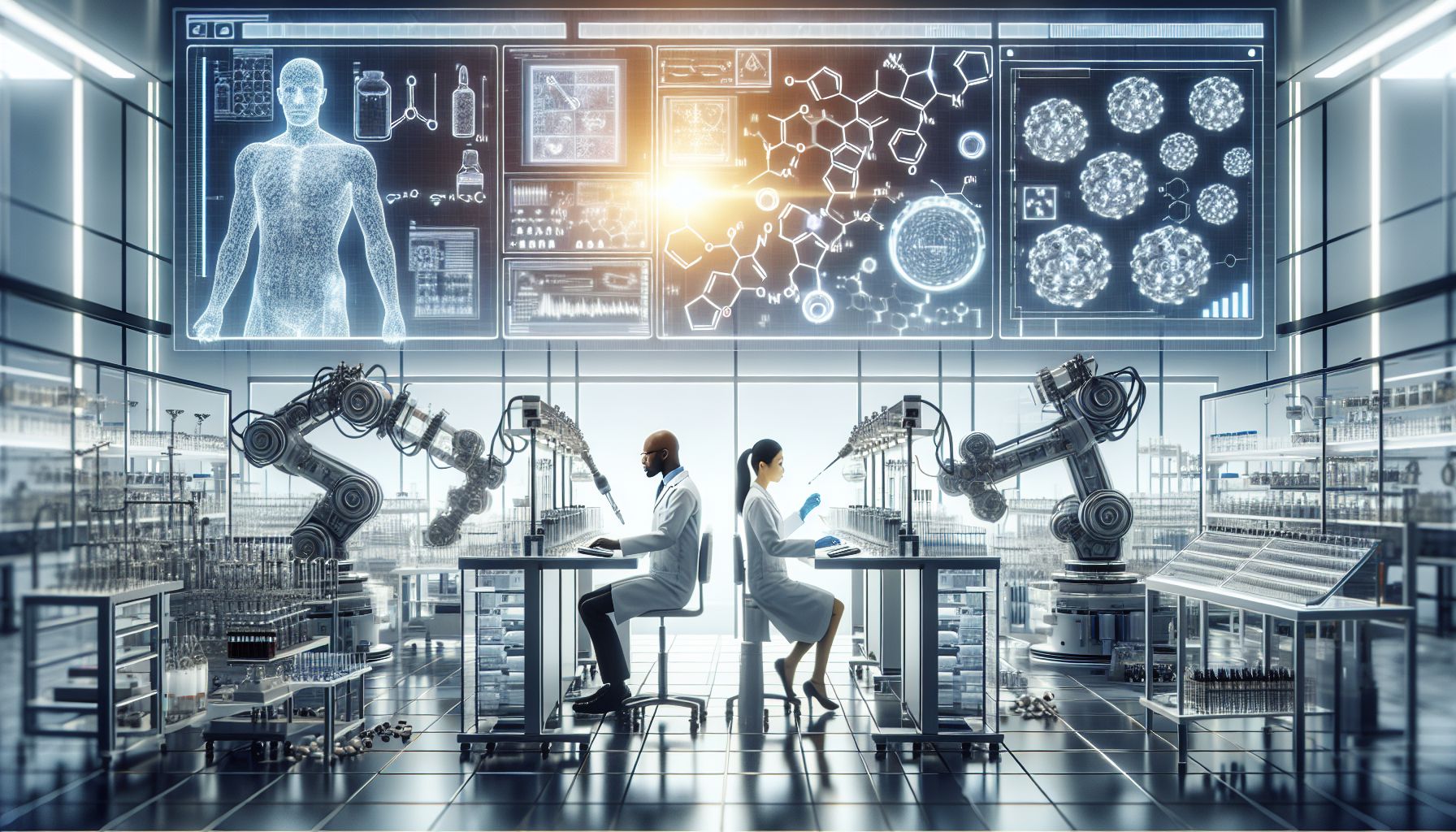
One of the most notable ways in which technology has revolutionized the pharmaceutical sector is through the use of artificial intelligence (AI). AI algorithms can analyze vast amounts of data to identify potential drug targets, predict patient responses to treatment, and even design new molecules with desired properties. This has greatly accelerated the drug discovery process, allowing researchers to develop new treatments more quickly and efficiently than ever before.
Another area where technology is making a significant impact is in the realm of personalized medicine. Thanks to advances in genomics, researchers are now able to sequence an individual’s DNA and use that information to tailor treatments to their specific genetic makeup. This has led to the development of targeted therapies that are more effective and have fewer side effects than traditional, one-size-fits-all approaches.
In addition to AI and genomics, other technologies such as 3D printing, nanotechnology, and wearable devices are also transforming the pharmaceutical landscape. 3D printing technology, for example, is being used to create customized drug delivery systems that can release medications at a controlled rate or target specific areas of the body. Nanotechnology is enabling the development of nanomedicines that can deliver drugs more efficiently and accurately to diseased tissues. And wearable devices, such as smart drug delivery patches or health monitoring sensors, are improving patient outcomes by providing real-time data on treatment adherence and response.
As technology continues to advance at a rapid pace, the possibilities for innovation in the pharmaceutical industry are seemingly endless. However, with these advancements come new challenges, such as data privacy concerns, regulatory hurdles, and ethical considerations. It is crucial for researchers, policymakers, and industry stakeholders to work together to address these issues and ensure that the benefits of technology in healthcare are maximized while minimizing potential risks.
In conclusion, the intersection of technology and pharmaceutical products has the potential to revolutionize the way we develop, deliver, and personalize treatments for a wide range of diseases. By harnessing the power of AI, genomics, and other cutting-edge technologies, we can improve patient outcomes, reduce healthcare costs, and ultimately save lives. The future of medicine is here, and it is being shaped by the convergence of science and technology.
Comments are Disabled