The Intersection of Technology and Pharmaceutical Products
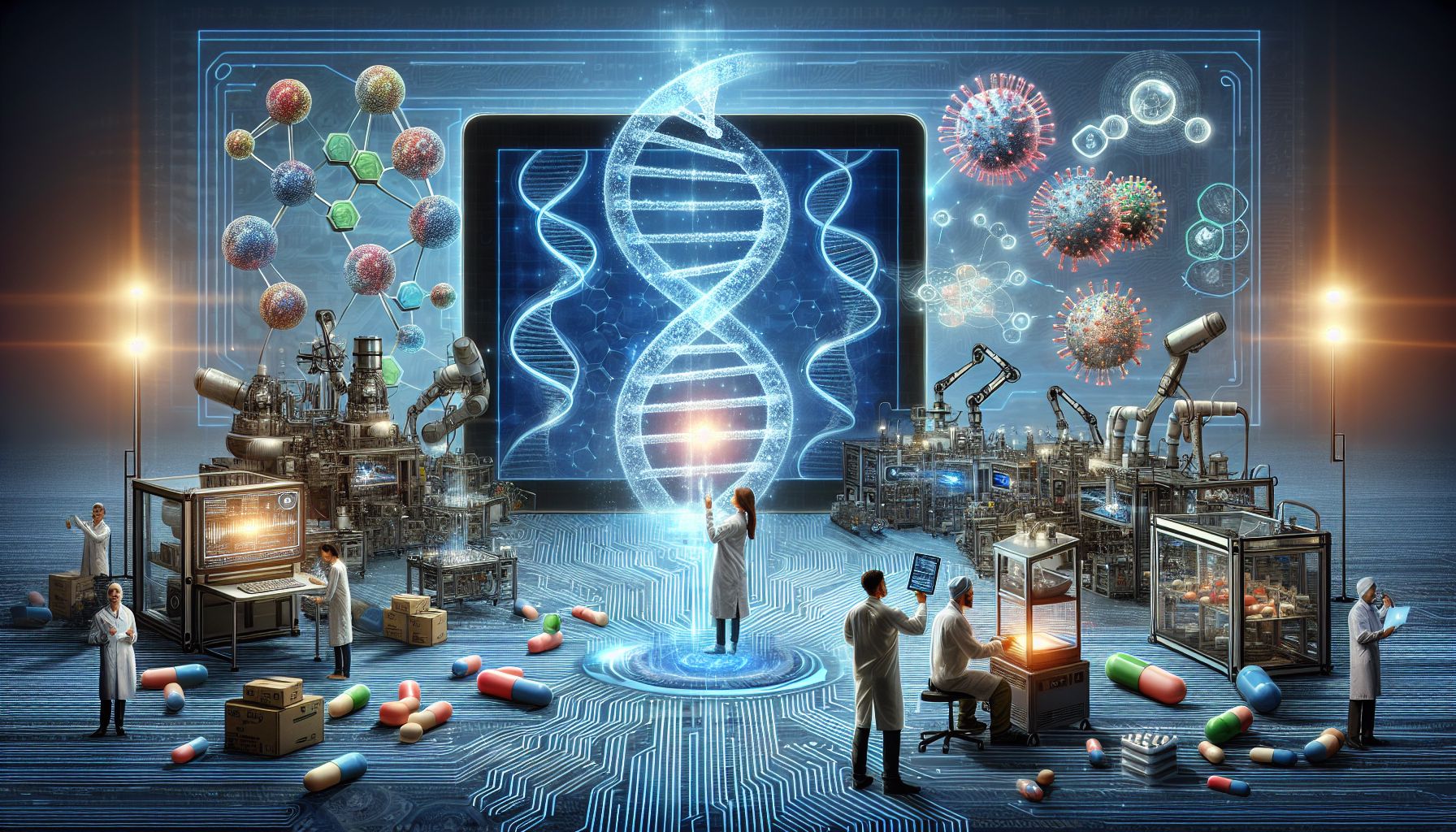
Pharmaceutical products affect nearly every aspect of our lives. From life-saving medications to over-the-counter remedies, the advancements in the pharmaceutical industry have significantly improved our overall well-being. However, the progress in this field would not have been possible without the integration of technology. Technology and pharmaceutical products are now intertwined, transforming the sector in ways that were unimaginable in the past.
The Role of Technology in Research and Development
Technological advancements have revolutionized the way pharmaceutical products are researched and developed. In the past, the process of discovering and testing new drugs was time-consuming and costly. Today, technology has made it possible to accelerate these processes, saving both time and resources.
One of the most significant contributions of technology is the use of high-throughput screening methods. This technique allows researchers to test thousands of compounds against a target disease or condition simultaneously. Through robotics and automation, large-scale screenings can be conducted rapidly, leading to the identification of potential new drugs.
Additionally, technologies like artificial intelligence (AI) have become indispensable tools in drug discovery. Machine learning algorithms can analyze vast amounts of data, predict molecular interactions, and even design new molecules with specific properties. This has opened up new possibilities for creating innovative pharmaceutical products more efficiently.
Enhancing Drug Delivery and Patient Experience
Advancements in technology have also greatly impacted drug delivery systems, improving the effectiveness and ease of use of pharmaceutical products. From transdermal patches to smart inhalers, these innovations have transformed how medications are administered.
One notable example is the development of personalized medicine. Through advancements in genomics and molecular diagnostics, pharmaceutical products can now be tailored to an individual’s specific genetic makeup. This leads to more targeted treatments with reduced side effects, ultimately improving patient outcomes.
Furthermore, the rise of telemedicine and digital health technologies has made it easier for patients to access healthcare and adhere to treatment regimens. Mobile applications and wearable devices can monitor vital signs, remind patients to take their medications, and provide real-time feedback to healthcare providers. These technologies not only empower patients to take control of their health but also support remote patient care, especially in rural or underserved areas.
The Future of Technology and Pharmaceutical Products
The synergies between technology and pharmaceutical products are expected to continue shaping the industry in the future. As we enter the era of precision medicine, technologies like gene editing, nanotechnology, and 3D printing hold enormous potential.
Gene editing technologies, such as CRISPR-Cas9, allow for precise modification of genes, opening up possibilities for targeted therapies and even genetic cures for certain diseases. Nanotechnology, on the other hand, enables the delivery of drugs at the cellular level, increasing their efficacy while minimizing side effects.
3D printing in pharmaceuticals is another exciting area of technological advancement. This technology allows for the creation of patient-specific drug dosages and even complex drug delivery systems. It has the potential to revolutionize the manufacturing and distribution of pharmaceutical products, making them more accessible and personalized.
In Conclusion
The integration of technology in the pharmaceutical industry has transformed drug discovery, enhanced drug delivery systems, and improved patient care. By streamlining research processes, enabling personalized medicine, and leveraging digital health technologies, technology continues to push the boundaries of what is possible in the world of pharmaceutical products. As we move forward, the future holds even more promise with emerging technologies that will reshape the industry, ultimately benefiting patients and society as a whole.
Comments are Disabled