The Intersection of Technology and Pharmaceutical Products
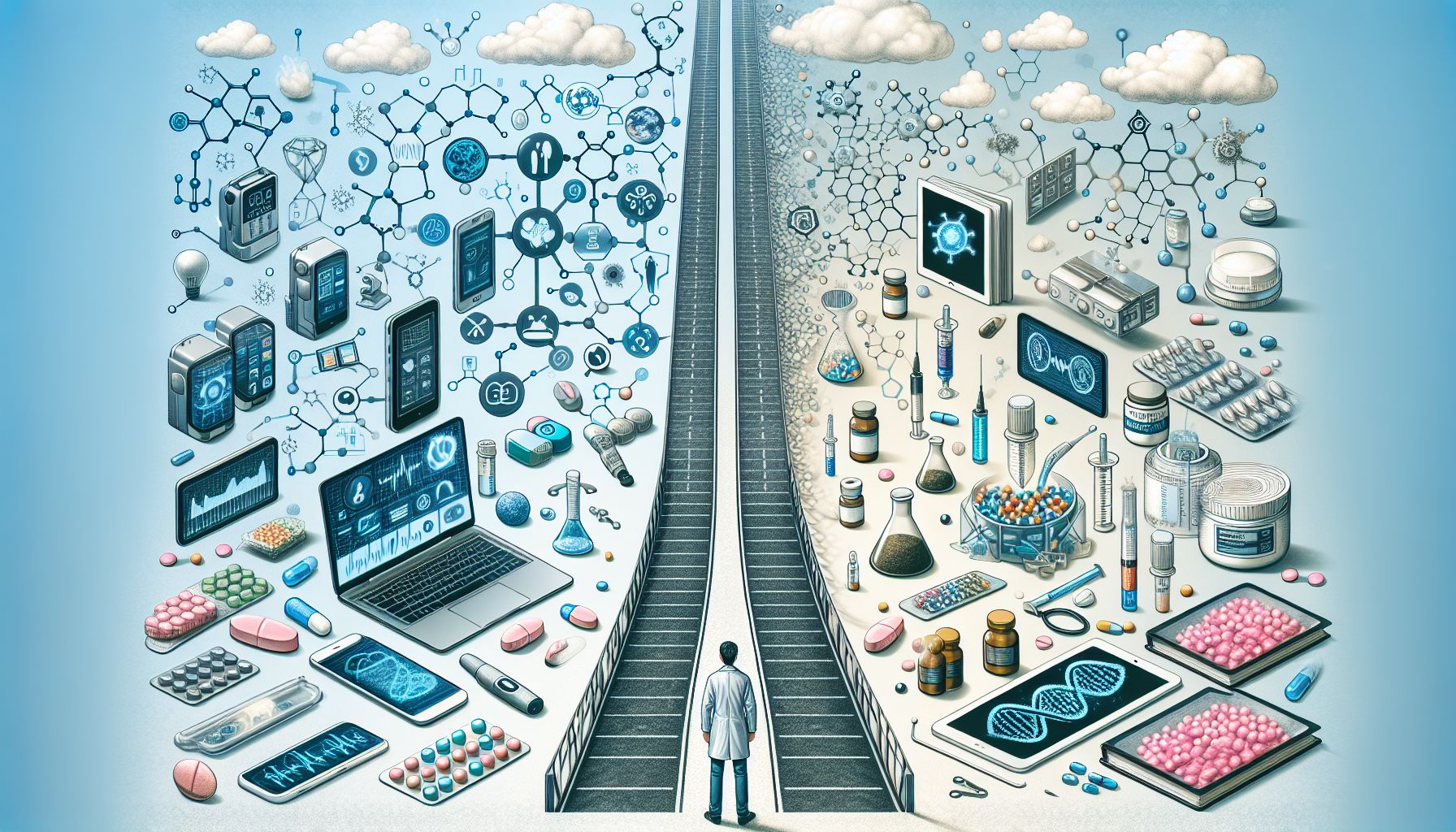
Technology has revolutionized every aspect of our lives, and the pharmaceutical industry is no exception. In recent years, advancements in technology have led to a significant shift in how pharmaceutical products are developed, tested, and distributed. From the discovery of new drugs to the monitoring of patient outcomes, technology plays a crucial role in every stage of the pharmaceutical process.
One of the most significant impacts of technology on the pharmaceutical industry is in the area of drug discovery. With the help of powerful computing tools and advanced algorithms, researchers can now screen millions of compounds in a fraction of the time it would have taken using traditional methods. This has led to the rapid identification of potential drug candidates and has accelerated the process of bringing new treatments to market.
In addition to speeding up drug discovery, technology has also improved the quality and efficiency of clinical trials. Electronic data capture systems allow researchers to collect and analyze data in real-time, leading to more accurate results and faster decision-making. Furthermore, wearable devices and mobile applications make it easier for patients to participate in clinical trials, increasing the pool of participants and improving the overall quality of the data.
Once a drug has been approved for use, technology continues to play a vital role in monitoring patient outcomes and ensuring the effectiveness and safety of the medication. Electronic health records allow healthcare providers to track patient progress, identify potential issues, and make adjustments to treatment plans as needed. This real-time data analysis can lead to better patient outcomes and reduced healthcare costs.
In the realm of drug distribution, technology has also made significant advances. Automated systems can now track and manage inventory in real-time, reducing the risk of medication shortages and ensuring that patients have access to the medications they need. Additionally, blockchain technology is being used to improve the security and transparency of the pharmaceutical supply chain, making it easier to trace the origin of medications and prevent counterfeit drugs from entering the market.
In conclusion, the intersection of technology and pharmaceutical products has led to a new era of innovation and efficiency in the healthcare industry. From drug discovery to distribution, technology has transformed every aspect of the pharmaceutical process, leading to improved outcomes for patients and healthcare providers alike. As technology continues to evolve, we can expect even more advancements in the field of pharmaceuticals, making it an exciting time to be involved in healthcare innovation.
Comments are Disabled