The Intersection of Technology and Pharmaceutical Products
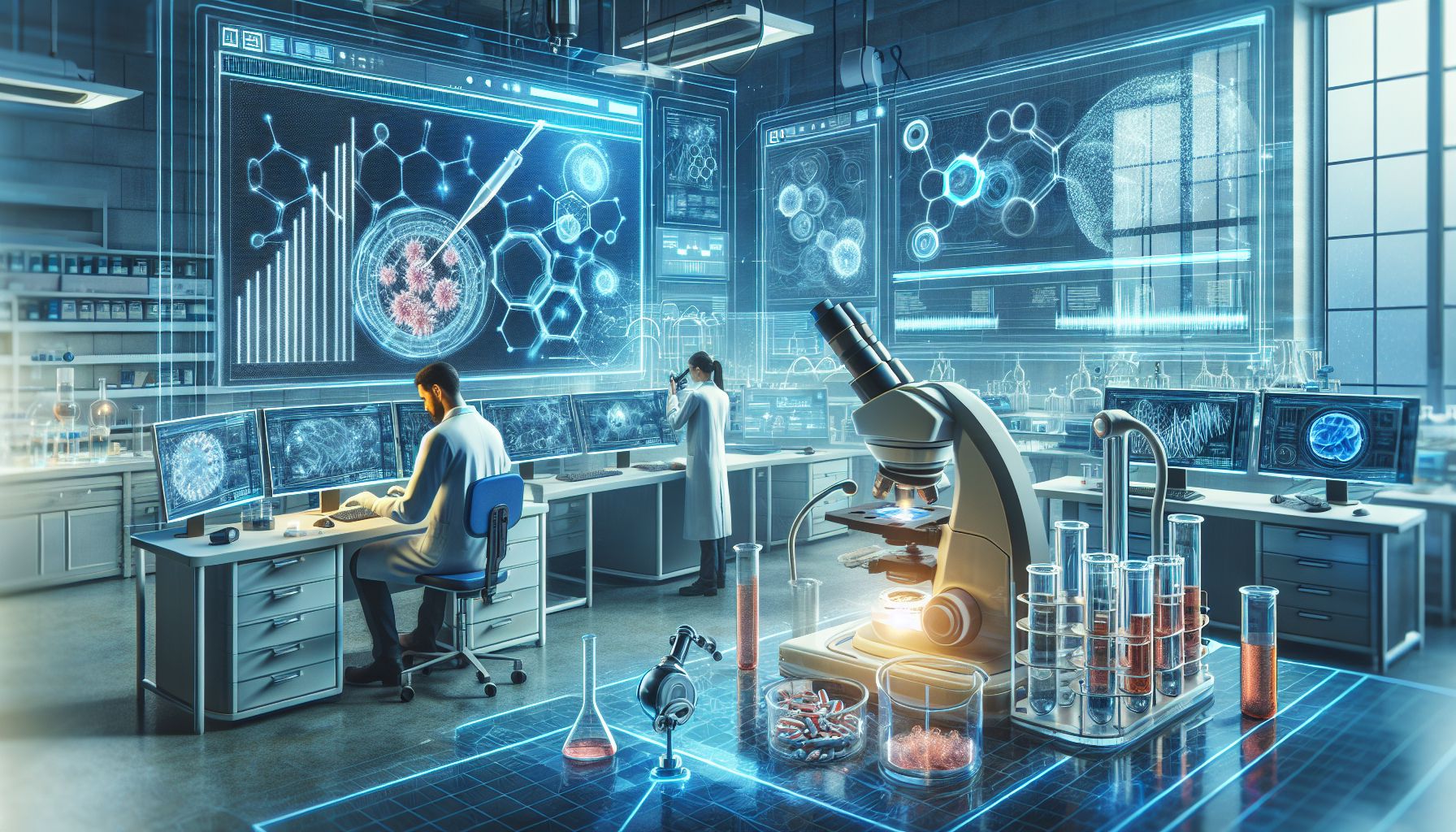
In recent years, the pharmaceutical industry has seen a significant shift towards the integration of technology into its products. This has led to the development of innovative solutions that have improved patient outcomes, increased medication adherence, and streamlined healthcare processes. The intersection of technology and pharmaceutical products has not only revolutionized the way medications are delivered and administered but has also opened up new opportunities for personalized medicine and patient care.
One of the most significant advancements in this area is the development of smart pills. These are medications that contain a tiny sensor that communicates with a smartphone app to track when the pill is swallowed. This technology has been particularly useful in the treatment of chronic conditions such as diabetes, where medication adherence is critical for successful management. By monitoring pill ingestion, healthcare providers can ensure that patients are taking their medications as prescribed and make adjustments to their treatment plans as needed.
Another important technology that has been integrated into pharmaceutical products is wearable devices. These devices can track vital signs, monitor medication levels in the body, and provide real-time feedback to patients and healthcare providers. For example, insulin pumps that are connected to continuous glucose monitors can automatically adjust insulin delivery based on the patient’s blood sugar levels, leading to better glycemic control and fewer hypoglycemic episodes.
Furthermore, advancements in artificial intelligence and machine learning have enabled pharmaceutical companies to analyze vast amounts of data to identify patterns and trends in patient responses to medications. This has led to the development of personalized medicine, where treatments are tailored to each individual based on their genetic makeup, lifestyle factors, and medical history. By leveraging technology in this way, pharmaceutical companies can create more effective and safe medications that are better suited to the needs of each patient.
Additionally, technology has played a crucial role in improving the transparency and safety of pharmaceutical products. Blockchain technology, for example, can be used to track the supply chain of medications from manufacturing to distribution, ensuring that counterfeit drugs do not enter the market. This has led to increased trust in the pharmaceutical industry and greater confidence among patients and healthcare providers.
In conclusion, the integration of technology into pharmaceutical products has transformed the way medications are developed, delivered, and monitored. By leveraging smart pills, wearable devices, artificial intelligence, and blockchain technology, pharmaceutical companies have been able to improve patient outcomes, reduce healthcare costs, and enhance the quality of care. As technology continues to advance, we can expect to see even more innovative solutions that will revolutionize the pharmaceutical industry and improve the lives of patients around the world.
Comments are Disabled