The Intersection of Technology and Pharmaceutical Products
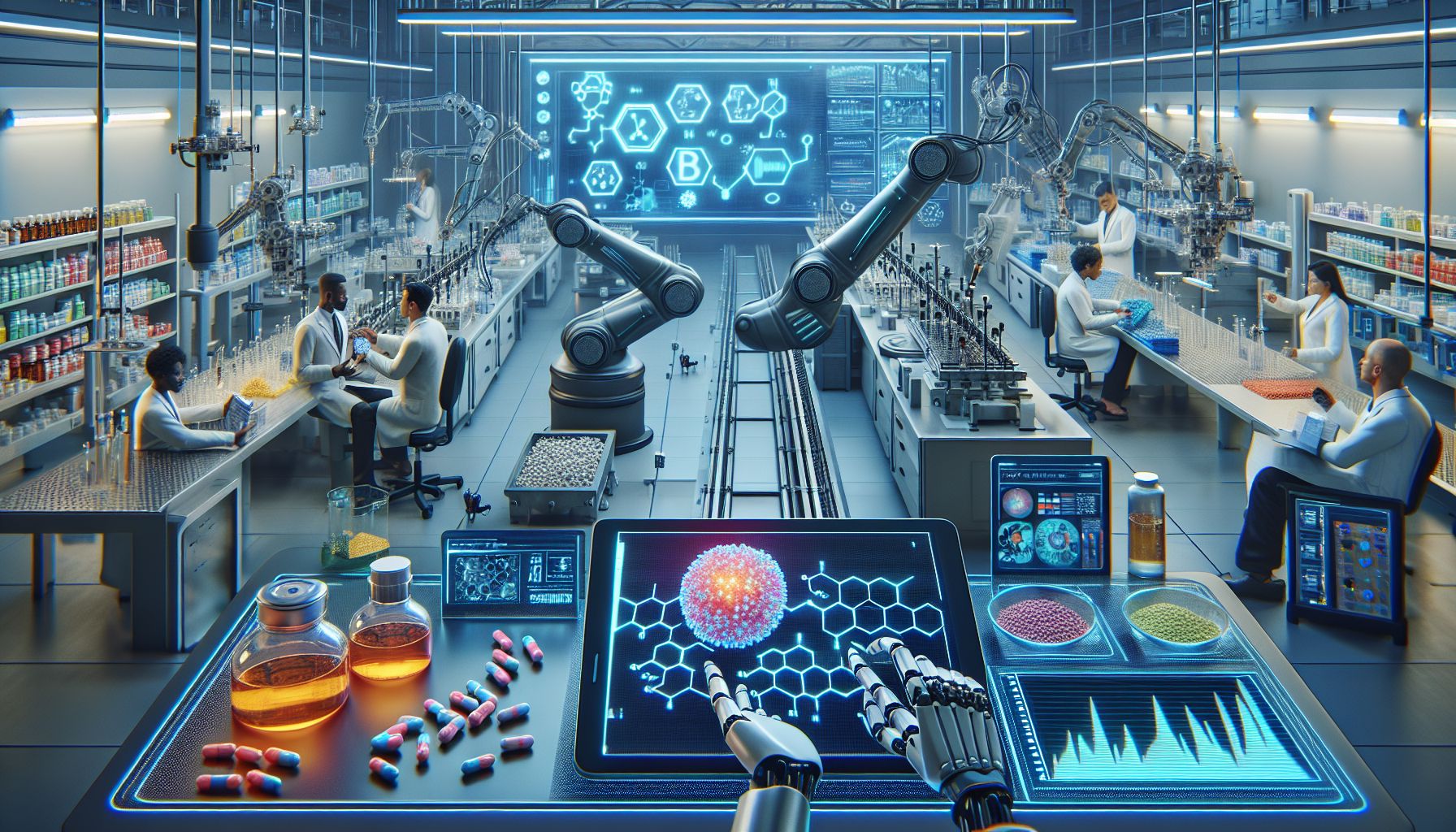
In recent years, the pharmaceutical industry has seen a significant shift towards the integration of technology into its products. This trend has opened up new opportunities for improving patient outcomes, enhancing drug efficacy, and streamlining processes within the industry. From 3D printing to artificial intelligence, technology has had a profound impact on the development and delivery of pharmaceutical products.
One of the most significant advancements in pharmaceutical technology is the use of 3D printing to create personalized medications. This technology allows for the precise dosage and formulation of drugs tailored to an individual patient’s needs. This level of customization not only improves patient adherence to medication regimens but also reduces the risk of adverse reactions. Additionally, 3D printing enables the rapid prototyping of new drug formulations, speeding up the drug development process and ultimately getting life-saving medications to market faster.
Artificial intelligence (AI) is another technology that is revolutionizing the pharmaceutical industry. AI algorithms can analyze vast amounts of data to identify drug candidates, predict drug interactions, and optimize clinical trial designs. By harnessing the power of AI, pharmaceutical companies can bring new drugs to market more efficiently and cost-effectively. Additionally, AI-driven tools are being used to improve patient monitoring and adherence, ensuring that patients are getting the most out of their medication regimens.
In addition to these advancements, technology is also being used to enhance drug delivery systems. Smart drug delivery devices, such as wearable patches and ingestible sensors, are revolutionizing how medications are administered. These devices can monitor patient adherence, track drug efficacy, and provide real-time feedback to healthcare providers. By leveraging these technologies, pharmaceutical companies can ensure that patients are receiving the right dosage of medication at the right time, leading to better health outcomes.
While the integration of technology into pharmaceutical products offers numerous benefits, it also poses challenges. Regulatory agencies must keep pace with the rapidly evolving landscape of technology-enabled drugs to ensure patient safety. Additionally, healthcare providers need to be educated on how to properly use and prescribe these new technologies to maximize their benefits.
In conclusion, the intersection of technology and pharmaceutical products is driving innovation and transforming the way medications are developed, delivered, and monitored. As technology continues to advance, we can expect to see even more groundbreaking advancements in the pharmaceutical industry. By embracing these technologies and leveraging them to their full potential, we can improve patient outcomes, reduce healthcare costs, and ultimately save lives.
Comments are Disabled