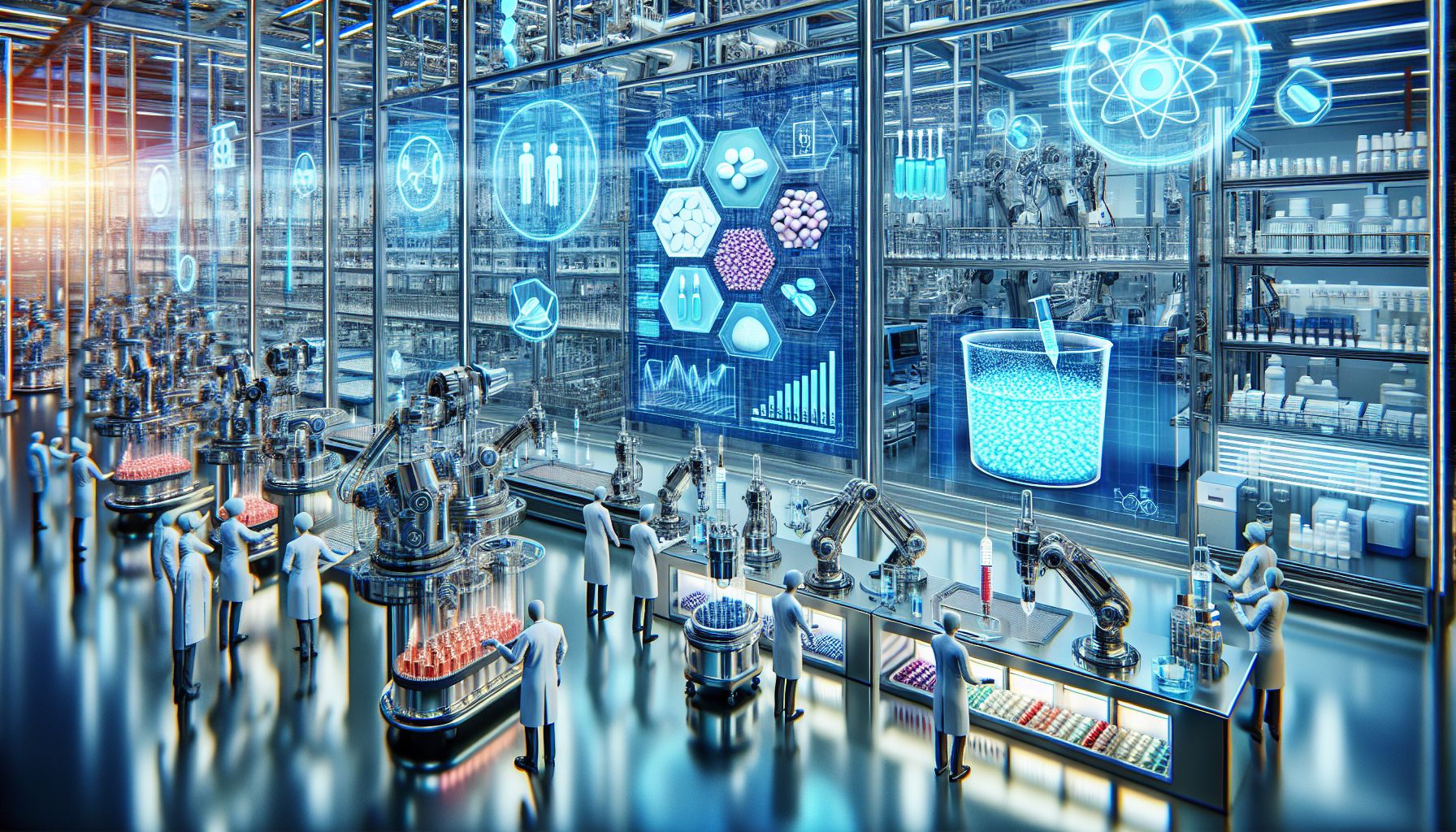

The Intersection of Technology and Pharmaceutical Products
Technology has rapidly been changing the landscape of virtually every industry, and the pharmaceutical sector is no exception. In recent years, the integration of technology into pharmaceutical products has revolutionized the way medications are developed, distributed, and administered. This fusion of technology and pharmaceuticals has led to advancements that have improved patient care, enhanced drug effectiveness, and increased safety.
One of the most significant benefits of technology in the pharmaceutical industry is the development of personalized medicine. Through the use of genetic testing and data analysis, pharmaceutical companies can now tailor treatments to individual patients based on their genetic makeup. This personalized approach not only increases the effectiveness of medications but also reduces the risk of adverse reactions. For example, cancer patients can now receive customized chemotherapy treatments based on their specific genetic mutations, improving their chances of successful outcomes.
In addition to personalized medicine, technology has also transformed drug delivery methods. From innovative devices like inhalers and insulin pumps to sophisticated drug-coated implants, technology has made it easier for patients to receive their medications in a safe and efficient manner. For example, the development of smart pills that can track patient adherence and transmit data to healthcare providers has helped improve medication adherence rates and patient outcomes.
Furthermore, technology has played a vital role in improving the efficiency and accuracy of pharmaceutical research and development. High-throughput screening and computer modeling have revolutionized the drug discovery process, allowing researchers to identify potential drug candidates more quickly and accurately. Additionally, technologies like artificial intelligence and machine learning are being used to analyze vast amounts of data and predict how drugs will interact with the human body, speeding up the development process and reducing costs.
While the integration of technology into pharmaceutical products has brought about numerous benefits, it has also raised concerns about data privacy and security. As pharmaceutical companies collect and analyze more patient data, there is a growing need to ensure that this information is protected from cyber threats and misuse. Companies must implement robust cybersecurity measures and adhere to strict regulatory guidelines to safeguard patient information and maintain trust within the healthcare system.
In conclusion, the intersection of technology and pharmaceutical products has led to groundbreaking advancements that have improved patient care, enhanced drug effectiveness, and transformed the drug development process. While there are challenges to overcome, the benefits of integrating technology into the pharmaceutical industry far outweigh the risks. As technology continues to evolve, we can expect to see even more innovative solutions that will revolutionize healthcare and improve patient outcomes.
Comments are Disabled