The Intersection of Technology and Pharmaceuticals
In today’s rapidly advancing world, technology has become a fundamental tool in the pharmaceutical industry. From drug development to production to distribution, various forms of technology are being integrated to improve efficiency, accuracy, and overall patient care.
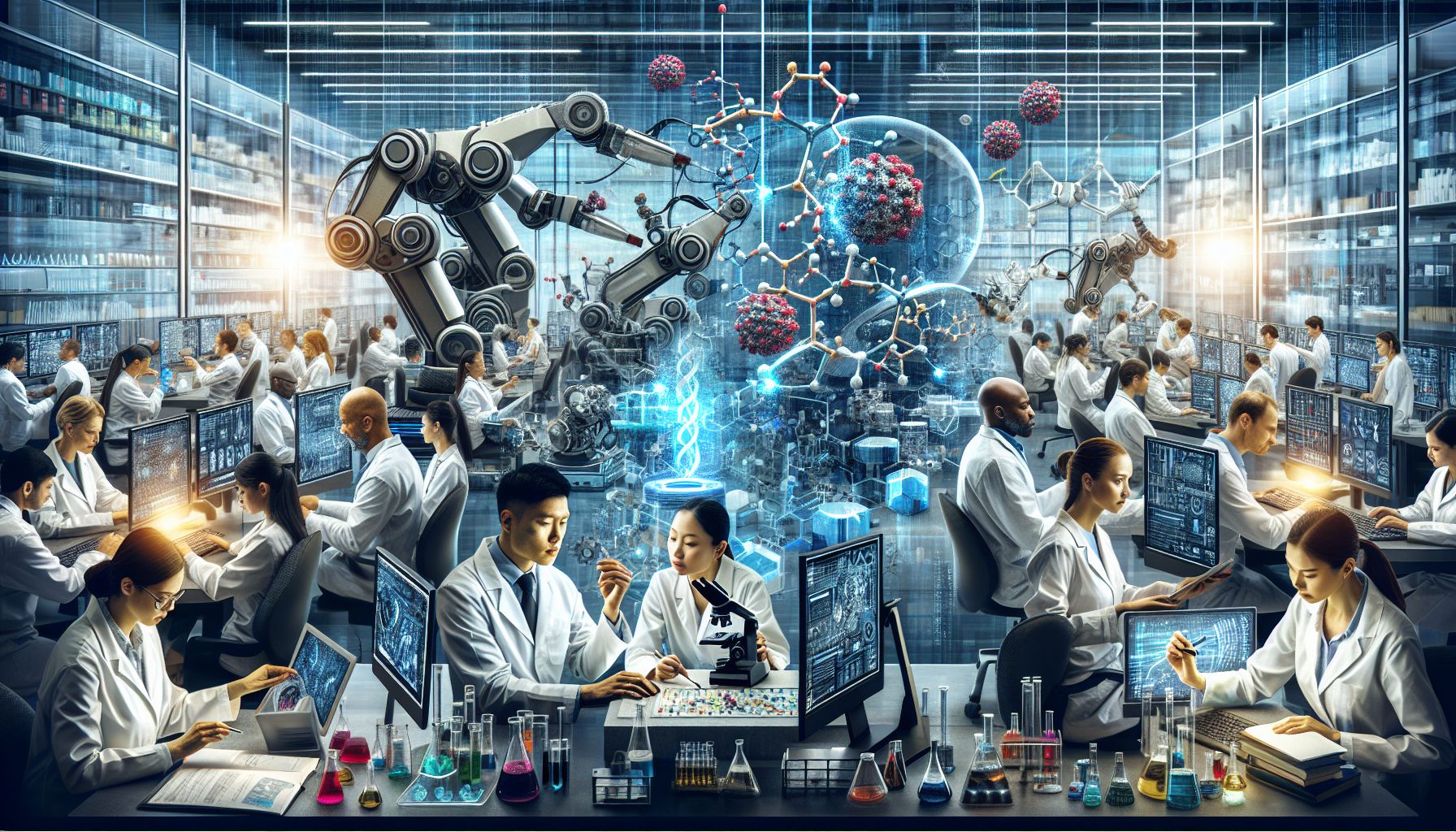
One of the most significant ways in which technology has impacted pharmaceuticals is in the field of drug discovery. With the use of computational modeling, machine learning, and artificial intelligence, researchers are now able to analyze vast amounts of data to identify potential drug candidates at a much faster rate than ever before. This has not only accelerated the drug development process but has also led to the discovery of novel therapies for diseases that were previously untreatable.
Once a drug candidate has been identified, technology continues to play a crucial role in the manufacturing process. Advanced robotics and automation are being used to streamline production and ensure consistent quality control. This not only reduces the risk of errors but also helps to lower production costs, making medications more accessible to patients.
In the realm of patient care, technology has revolutionized how pharmaceutical products are delivered and administered. From smart pills that can track medication adherence to telemedicine platforms that allow patients to consult with healthcare providers remotely, technology is making it easier for individuals to manage their health and receive the treatment they need.
Furthermore, with the rise of personalized medicine, technology is paving the way for treatments that are tailored to an individual’s unique genetic makeup. Through the use of genetic testing and data analytics, healthcare providers can now prescribe medications that are more likely to be effective and less likely to cause adverse reactions, ultimately improving patient outcomes.
However, while the integration of technology in the pharmaceutical industry has brought about numerous benefits, it also presents challenges. Issues such as data privacy, cybersecurity, and regulatory compliance must be carefully considered to ensure that the use of technology does not compromise patient safety or infringe on their rights.
In conclusion, the intersection of technology and pharmaceuticals has the potential to transform healthcare in ways we never thought possible. By harnessing the power of technology, the pharmaceutical industry can continue to innovate, improve patient care, and ultimately save lives. As we look to the future, it is essential for stakeholders to collaborate and address the challenges that come with this technological revolution, ensuring that we can fully realize the benefits of this exciting new era in healthcare.
Comments are Disabled