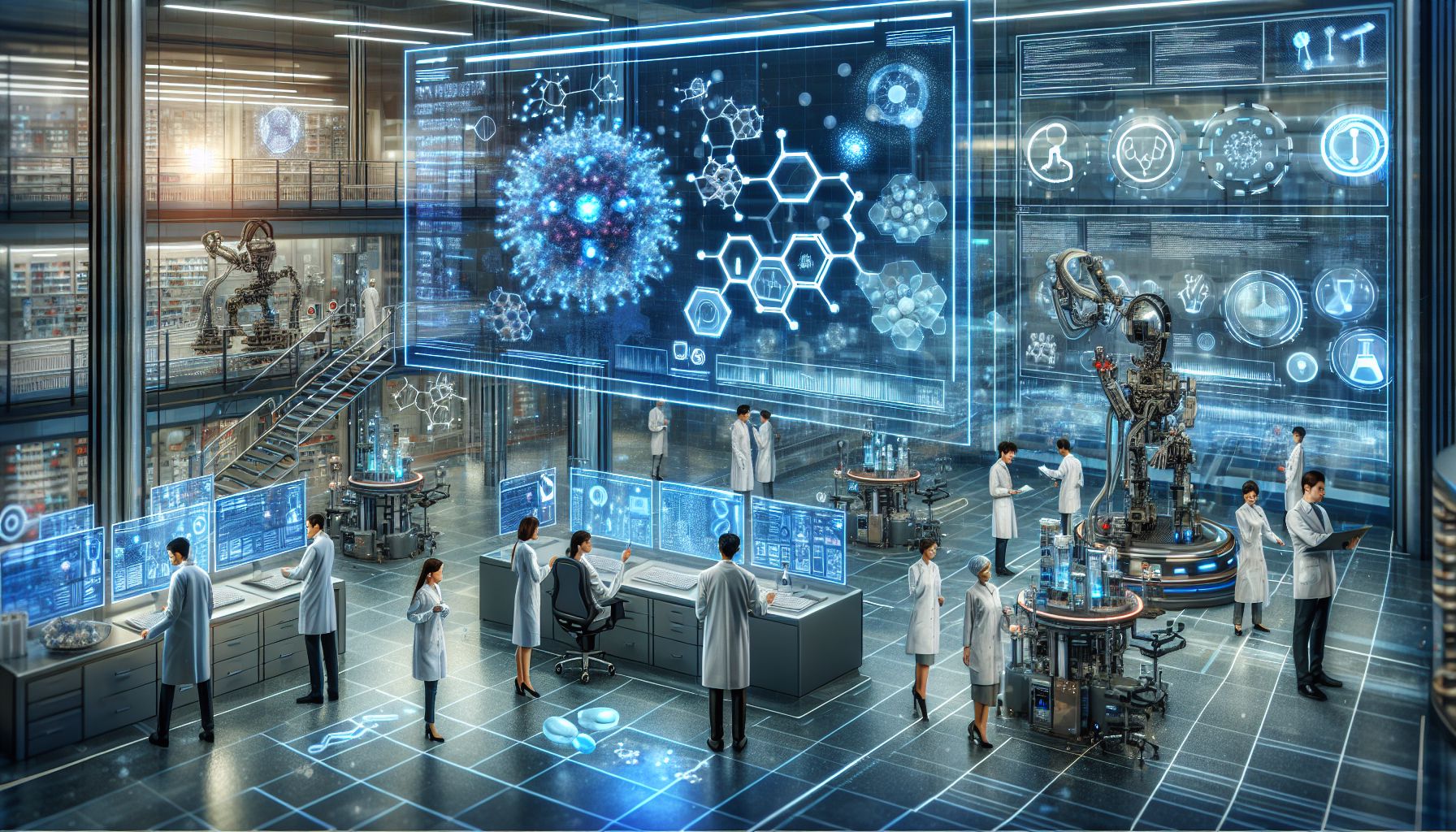

The Role of Technology in Revolutionizing Pharmaceutical Products
Technology has greatly impacted every aspect of our lives, including the field of medicine. Over the years, advancements and innovations in technology have led to significant improvements in the development, production, and distribution of pharmaceutical products. This collaborative synergy between technology and pharmaceuticals has not only accelerated the research process but has also opened doors to groundbreaking discoveries and treatments. In this article, we will explore the various ways in which technology has revolutionized pharmaceutical products.
The Research and Development Phase
Gone are the days of extensive manual research and time-consuming experiments. Technology has revolutionized the research and development phase of pharmaceutical products, making it more efficient and cost-effective. With the advent of powerful computational tools and high-performance computing systems, scientists can now simulate and model the behavior of chemical compounds, saving a significant amount of time in the drug discovery process. This accelerated pace aids in the identification of potential drug candidates and expedites the transition from lab to market.
Precision Medicine and Personalized Treatment
Technology has played a crucial role in the emergence of precision medicine and personalized treatment plans. Through the analysis of vast amounts of genomic and molecular data, doctors and researchers can now tailor treatment options to individual patients based on their genetic makeup. This targeted approach not only enhances the effectiveness of pharmaceutical products but also minimizes the risk of adverse side effects. Moreover, advancements in bioinformatics and data analytics allow healthcare professionals to gain actionable insights from the vast amount of medical information available, leading to improved patient care and outcomes.
Manufacturing and Quality Control
Pharmaceutical manufacturing has also benefitted tremendously from technological advancements. Automation and robotics have streamlined the production process, eliminating human errors and ensuring consistent quality control. From the precise measurement of ingredients to the packaging and labeling of products, technology has transformed pharmaceutical manufacturing into a highly efficient and reliable process. Additionally, the implementation of data-driven monitoring systems enables real-time tracking and analysis of manufacturing parameters. This ensures that pharmaceutical products are produced with the highest standards of quality and safety.
Improved Access and Distribution
Technology has paved the way for enhanced access and distribution of pharmaceutical products, particularly in remote and underserved areas. Telehealth and telemedicine services have allowed patients to consult with healthcare professionals remotely, providing access to vital medications and treatments. Furthermore, advancements in supply chain management, such as the use of blockchain technology, have enabled better tracking and authentication of pharmaceutical products, reducing the prevalence of counterfeit drugs and ensuring their quality and safety.
Conclusion
The integration of technology in the pharmaceutical industry has undeniably transformed the landscape of healthcare. From accelerating research and development to enabling personalized treatment plans, technology has revolutionized pharmaceutical products, making them safer, more precise, and more accessible. As technology continues to evolve and innovate, further advancements can be expected in the pharmaceutical sector, leading to significant improvements in patient care and outcomes. With technology as a catalyst, the future of pharmaceutical products appears promising, revolutionizing the way we approach health and well-being.
Comments are Disabled