The Role of Technology in the Development of Pharmaceutical Products
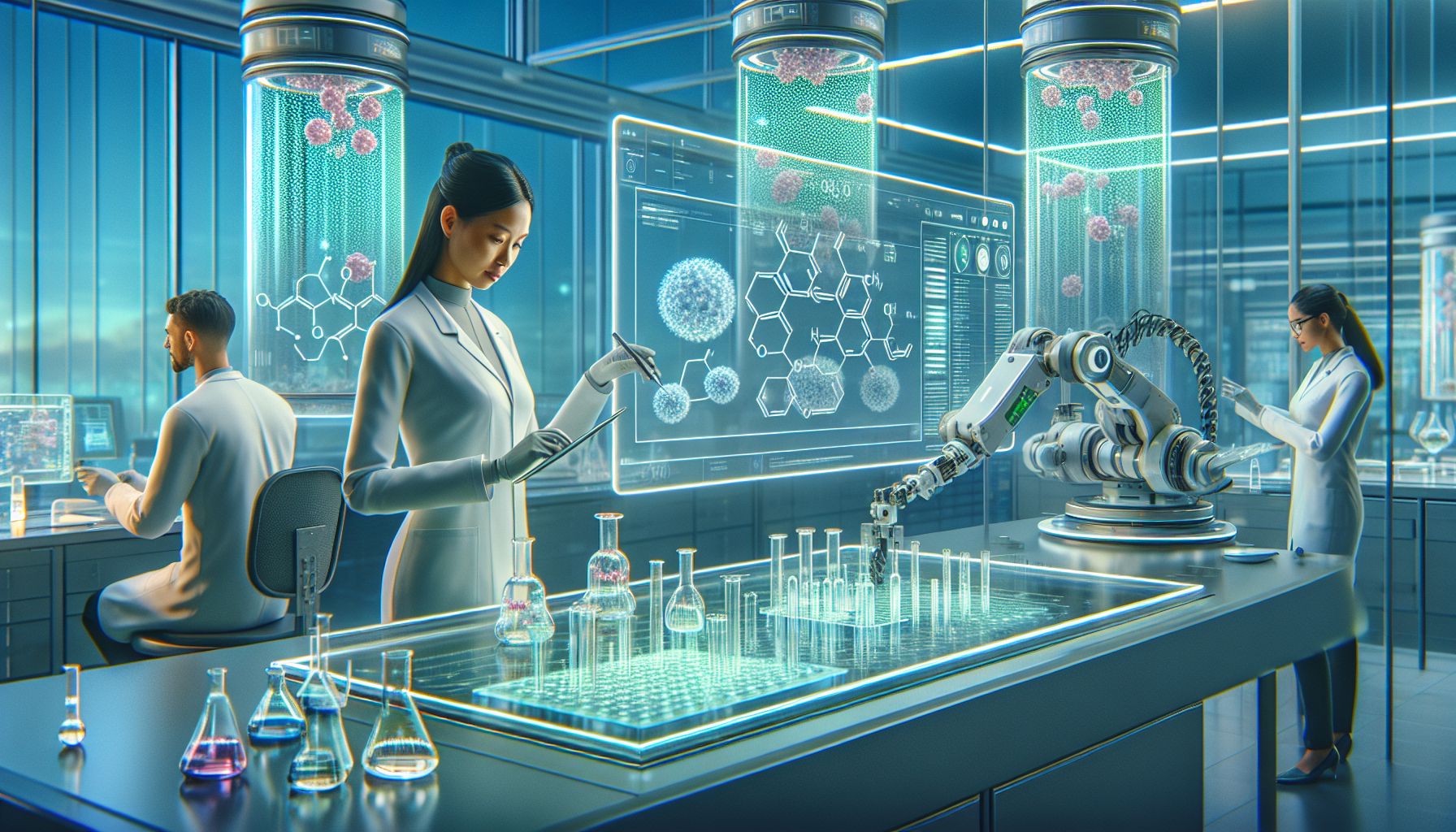
Technology has undoubtedly revolutionized the world in numerous ways, and the healthcare industry is no exception. In recent years, technology has played a pivotal role in enhancing the development and effectiveness of pharmaceutical products. From streamlining research processes to improving drug delivery mechanisms, the marriage of technology and pharmaceuticals has paved the way for innovative advancements that have significantly impacted patient outcomes worldwide.
The Power of Data and Analytics
One of the most significant ways technology has transformed the pharmaceutical industry is through the utilization of advanced data analytics. Data-driven approaches have enabled researchers and scientists to extract valuable insights from vast amounts of information, ultimately speeding up the drug discovery process.
With the help of machine learning algorithms and artificial intelligence, researchers can identify patterns, predict potential drug interactions and adverse effects, and even simulate entire clinical trials. This not only expedites the time-consuming research and development phase but also helps in reducing costs significantly.
Drug Delivery Systems
Another area where technology has made remarkable strides is in the field of drug delivery systems. Traditional methods, such as tablets or injections, often have limitations in terms of effectiveness and patient compliance. However, technological advancements have introduced more innovative alternatives to improve drug delivery.
Nanotechnology, for instance, has paved the way for the development of targeted drug delivery systems. By encapsulating drugs into nanoparticles, researchers can ensure more precise and efficient delivery to specific cells or organs, reducing side effects and increasing the overall efficacy of treatments.
Moreover, wearable devices and smart implants are enabling personalized medicine by continuously monitoring patients’ vital signs, transmitting real-time data, and even administering medication autonomously. These advancements not only enhance patient convenience but also facilitate better adherence to prescribed regimens, ultimately leading to improved health outcomes.
Patient-Centric Care
Technology has also played a pivotal role in fostering patient-centric care, empowering individuals to take an active role in managing their own health. Digital health tools, such as mobile applications and wearable devices, allow patients to monitor their conditions, track medication adherence, and access personalized healthcare information from the comfort of their own homes.
Furthermore, telemedicine has enabled remote consultations and virtual healthcare services, breaking down geographical barriers and improving access to healthcare professionals. Patients in rural or underserved areas can now benefit from specialized medical advice without the need for time-consuming and costly travel.
Conclusion
The intersection of technology and pharmaceutical products has led to tremendous advancements in the healthcare landscape. From leveraging the power of data analytics to improving drug delivery systems and facilitating patient-centric care, technology has revolutionized all aspects of the pharmaceutical industry.
As technology continues to advance at an unprecedented pace, we can only expect further innovations in the development and utilization of pharmaceutical products. The possibilities are endless, and the future promises to bring about even more personalized, efficient, and effective treatments that will transform healthcare as we know it.
Comments are Disabled