The Symbiotic Relationship Between Technology and Pharmaceutical Products
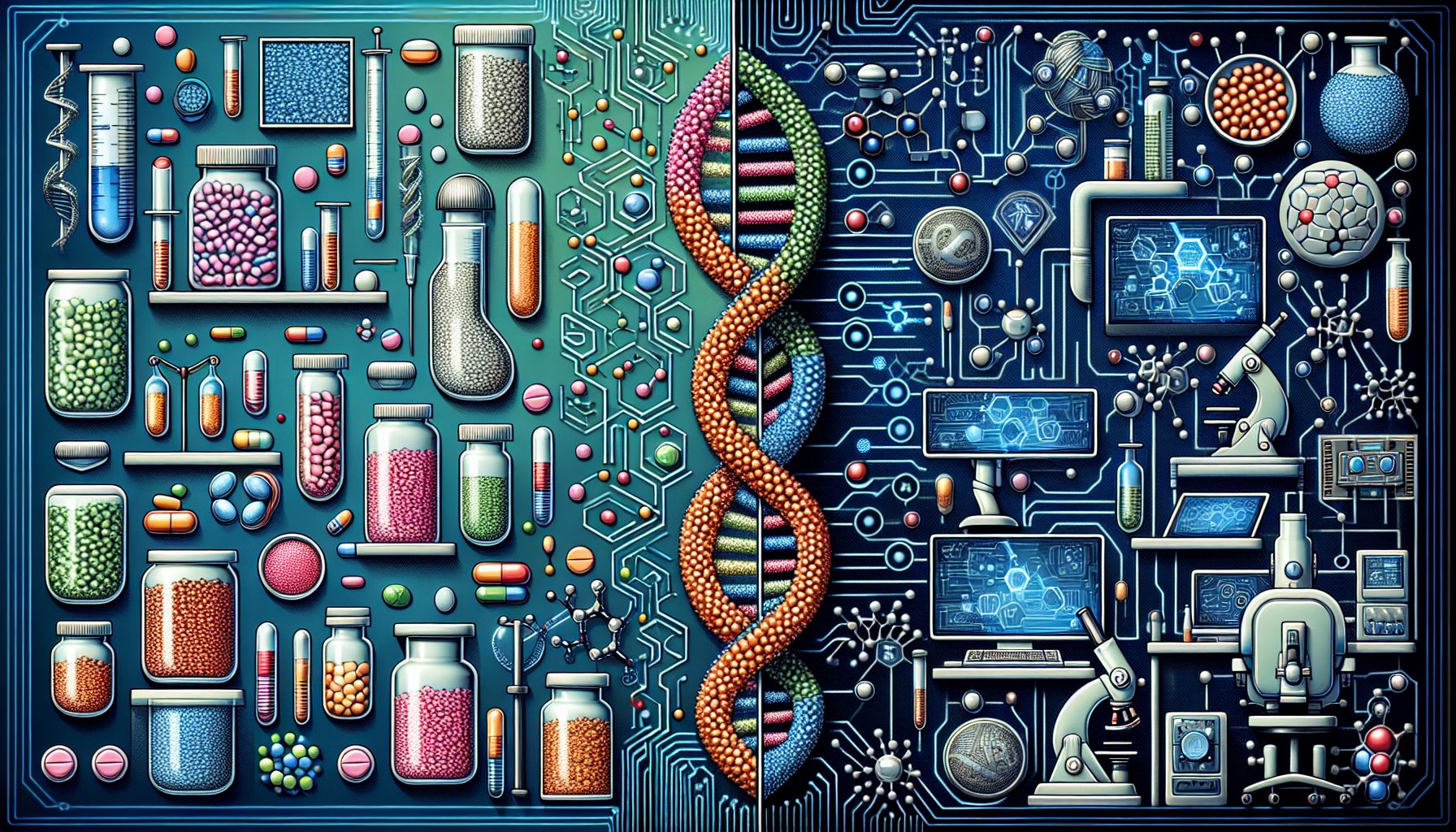
As technology continues to advance at a rapid pace, it is not only benefiting the fields of communication, transportation, and entertainment but also making a significant impact on the pharmaceutical industry. The integration of technology and pharmaceutical products has not only revolutionized the research and development process but has also improved patient care and enabled the production of more efficient and effective medications. In this article, we will explore the symbiotic relationship between technology and pharmaceutical products, and its implications for the future.
The Intersection of Technology and Pharmaceutical Research
One of the most significant contributions of technology in the pharmaceutical industry is in the area of research and development. High-throughput screening, bioinformatics, and computational modeling are just a few examples of technologies that have immensely accelerated the process of drug discovery. These advancements have allowed researchers to analyze vast amounts of data to identify potential drug targets, understand molecular interactions, and predict drug efficacy and toxicity. With the help of technology, the timeframe required for drug development has significantly reduced, enabling faster access to life-saving medicines.
Improving Patient Care with Technological Tools
In addition to drug development, technology has also played a crucial role in improving patient care and treatment outcomes. Wearable devices, such as smartwatches and fitness trackers, have now become powerful tools for collecting real-time health data. These devices can monitor vital signs, track physical activity, and even detect abnormal patterns, allowing healthcare professionals to provide personalized treatment plans. Furthermore, telemedicine has gained prominence, enabling remote access to medical professionals and reducing the need for in-person visits, particularly in rural or underserved areas.
Enhancing Medication Production and Administration
Technological advancements have also had a significant impact on the manufacturing and administration of pharmaceutical products. Automation and robotics in manufacturing processes have improved accuracy, efficiency, and safety while reducing costs. From the production of pills to quality control, technology has streamlined the entire manufacturing process, ensuring consistent and reliable results. Furthermore, the introduction of smart medication packaging, such as blister packs with embedded sensors, assists patients in adhering to their prescribed medication regimens. These smart packages provide reminders, track consumption, and even send alerts to healthcare providers when doses are missed.
Future Perspectives and Challenges
While the integration of technology and pharmaceutical products continues to present promising opportunities, it is not without its challenges. Privacy and security concerns regarding the storage and transmission of patient data need to be addressed. Additionally, the cost of adopting and implementing sophisticated technologies can be a significant barrier for many healthcare providers, particularly in resource-limited settings. Collaboration between the technology and pharmaceutical sectors, as well as policymakers, is essential to overcome these obstacles and ensure the equitable and widespread utilization of these advancements.
In conclusion, the relationship between technology and pharmaceutical products has undoubtedly brought about remarkable changes in the healthcare landscape. From accelerating drug discovery to revolutionizing patient care and improving medication production and administration, technology has become an indispensable ally in the pharmaceutical industry. By addressing associated challenges and continually pushing the boundaries of innovation, this symbiotic relationship is poised to lead to groundbreaking advancements in medical science, ultimately benefiting patients worldwide.
Comments are Disabled