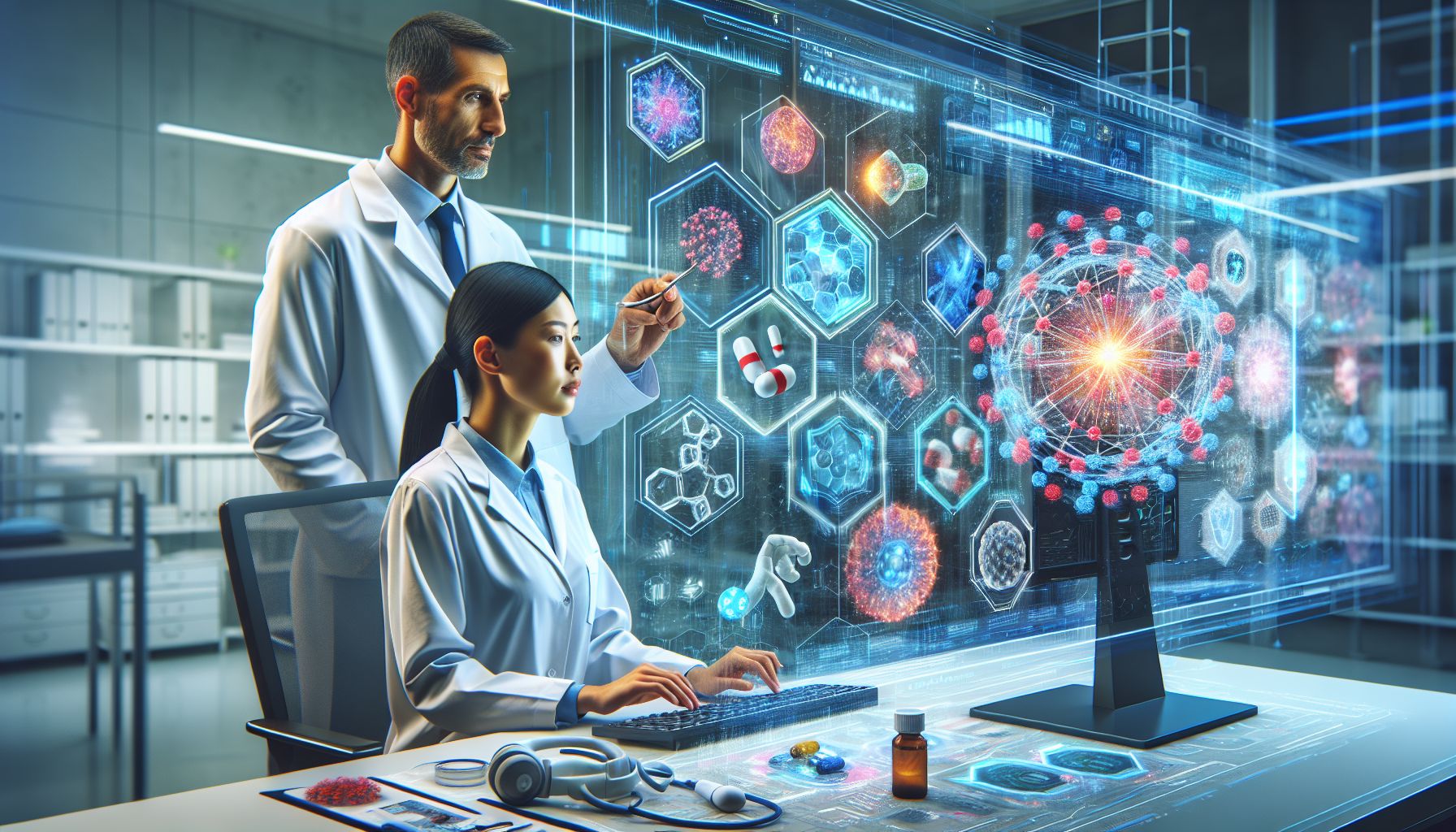
The Synergistic Relationship between Technology and Pharmaceutical Products
From the discovery of antibiotics to the development of life-saving vaccines, pharmaceutical products have revolutionized healthcare. However, it is important to acknowledge that these advancements would not have been possible without the integration of technology. The marriage of technology and pharmaceutical products has not only improved the efficacy and safety of medications but has also transformed the way medical professionals diagnose and treat diseases. In this article, we will explore the synergistic relationship between technology and pharmaceutical products and the impact it has had on healthcare.
Advancements in Drug Formulation and Delivery
One of the significant ways technology has enhanced pharmaceutical products is through improved drug formulation and delivery methods. Traditionally, medications were available in simple tablet or capsule forms, limiting their absorption and effectiveness. Today, technology enables pharmaceutical companies to develop novel drug delivery systems. For instance, transdermal patches allow drugs to be absorbed through the skin, bypassing the digestive system, resulting in improved bioavailability and accurate dosing. Additionally, sustained release capsules deliver medication gradually over an extended period, ensuring a steady therapeutic effect. These advancements not only enhance patient compliance but also improve treatment outcomes.
Precision Medicine and Personalized Therapies
Technology has paved the way for personalized medicine, tailoring treatment to an individual’s unique genetic makeup. Pharmacogenomics, a field that combines pharmacology and genomics, utilizes genetic information to determine the most effective and safe medication for a patient. By identifying genetic variations that affect drug metabolism, healthcare providers can prevent adverse reactions and optimize treatment efficacy. Moreover, advancements in technology have facilitated the development of targeted therapies, such as monoclonal antibodies and gene therapies, which aim to address specific disease mechanisms at a molecular level. Precision medicine holds incredible promise in revolutionizing disease management and improving patient outcomes.
Implementation of Artificial Intelligence and Machine Learning
Artificial intelligence (AI) and machine learning (ML) have emerged as powerful tools in the pharmaceutical industry. These technologies can sift through vast amounts of data, including medical records, research papers, and clinical trial results, to identify patterns, predict outcomes, and accelerate drug discovery. With AI and ML, pharmaceutical companies can analyze complex molecular structures to expedite the identification of potential drug candidates, reducing development timelines significantly. Furthermore, these technologies assist in the identification of adverse drug reactions and drug-drug interactions, enhancing patient safety. AI and ML are not only streamlining drug development but also paving the way for more targeted and efficient healthcare.
Conclusion
The integration of technology and pharmaceutical products has undeniably transformed the healthcare landscape. From innovative drug delivery systems to personalized therapies, technology has revolutionized the way diseases are diagnosed and treated. It has paved the way for precision medicine, providing tailored treatments based on individuals’ genetic profiles. Additionally, AI and ML are enabling the pharmaceutical industry to accelerate drug discovery and improve patient safety. As technology continues to advance, we can only expect further breakthroughs that will continue to shape the future of healthcare. It is this synergistic relationship between technology and pharmaceutical products that holds the potential to revolutionize medicine and improve countless lives.
Comments are Disabled