The Synergy of Technology and Pharmaceutical Products
In today’s modern world, technology has revolutionized nearly every aspect of our lives, including the development and distribution of pharmaceutical products. The marriage of technology and pharmaceuticals has led to groundbreaking advancements in medicine, improved patient outcomes, and more efficient healthcare delivery.
One of the most significant ways technology has impacted the pharmaceutical industry is through the use of big data analytics. By analyzing vast amounts of data, such as patient records, clinical trials, and genetic information, pharmaceutical companies can better understand diseases, develop more targeted treatments, and predict potential side effects. This has led to the development of personalized medicine, where treatments are tailored to an individual’s unique genetic makeup, leading to more effective and targeted therapies.
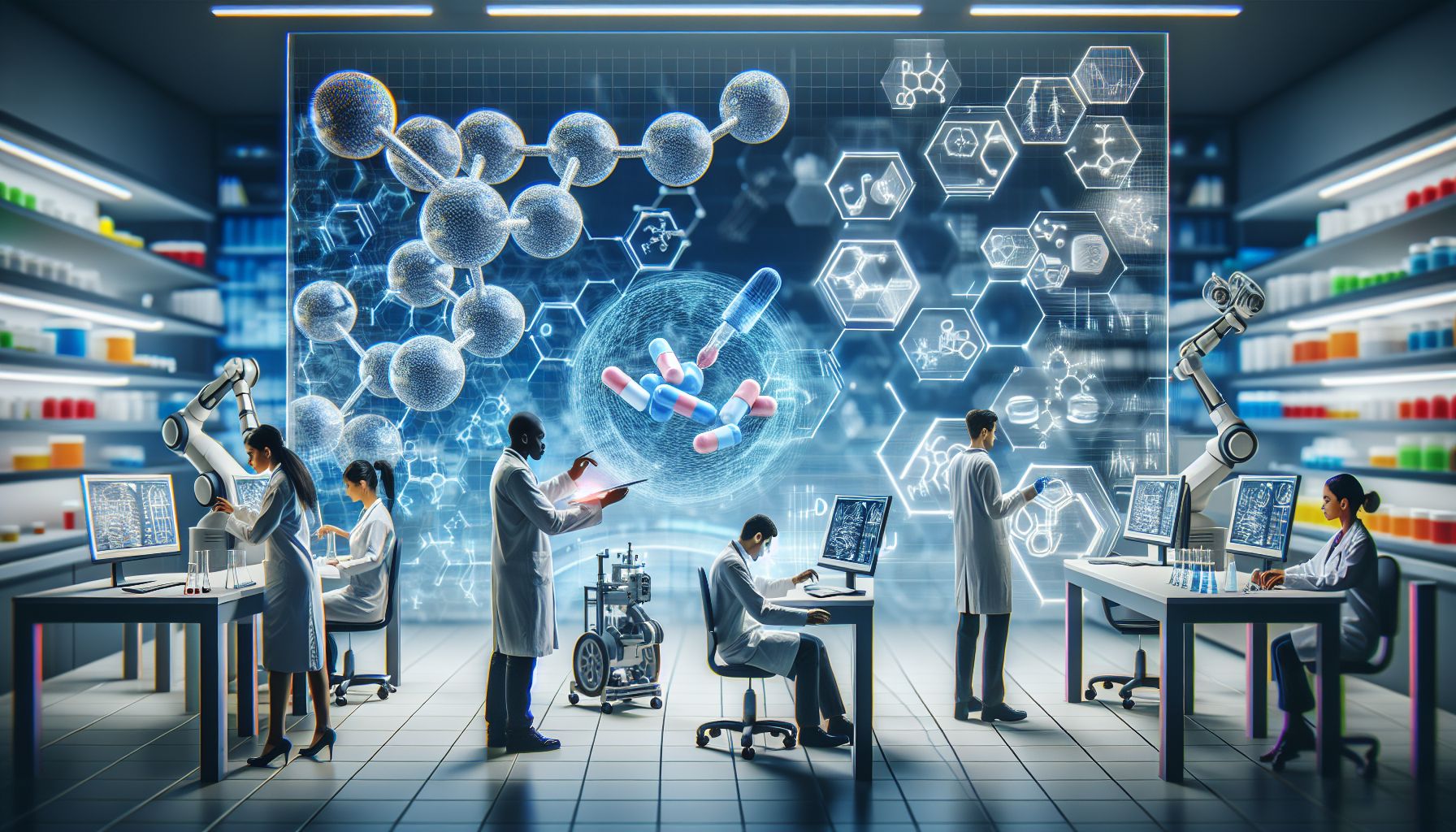
In addition to big data analytics, technology has also played a crucial role in drug discovery and development. High-throughput screening, molecular modeling, and computational chemistry are just a few examples of how technology has accelerated the process of bringing new drugs to market. With the help of artificial intelligence and machine learning, researchers can now test thousands of compounds virtually, speeding up the drug discovery process and reducing costs.
Furthermore, technology has transformed the way pharmaceutical products are manufactured and distributed. Automated manufacturing processes, such as robotic pill dispensers and 3D printing of medications, have improved the quality and consistency of drug production. Additionally, advancements in supply chain management, such as blockchain technology, have enhanced traceability and transparency in the pharmaceutical supply chain, reducing the risk of counterfeit drugs and improving patient safety.
Telemedicine is another technological innovation that has revolutionized healthcare delivery, particularly in the pharmaceutical industry. Patients can now consult with healthcare providers remotely, receive prescriptions electronically, and have medications delivered to their doorstep. This has improved access to healthcare, particularly for patients in rural or underserved areas, and has made it easier for individuals to adhere to their medication regimens.
In conclusion, the synergy of technology and pharmaceutical products has transformed the healthcare landscape, leading to more personalized treatments, faster drug development, and improved patient outcomes. As technology continues to advance, the possibilities for innovation in the pharmaceutical industry are endless. By harnessing the power of technology, pharmaceutical companies can continue to improve the quality of healthcare for patients around the world.
Comments are Disabled