The Synergy of Technology and Pharmaceuticals
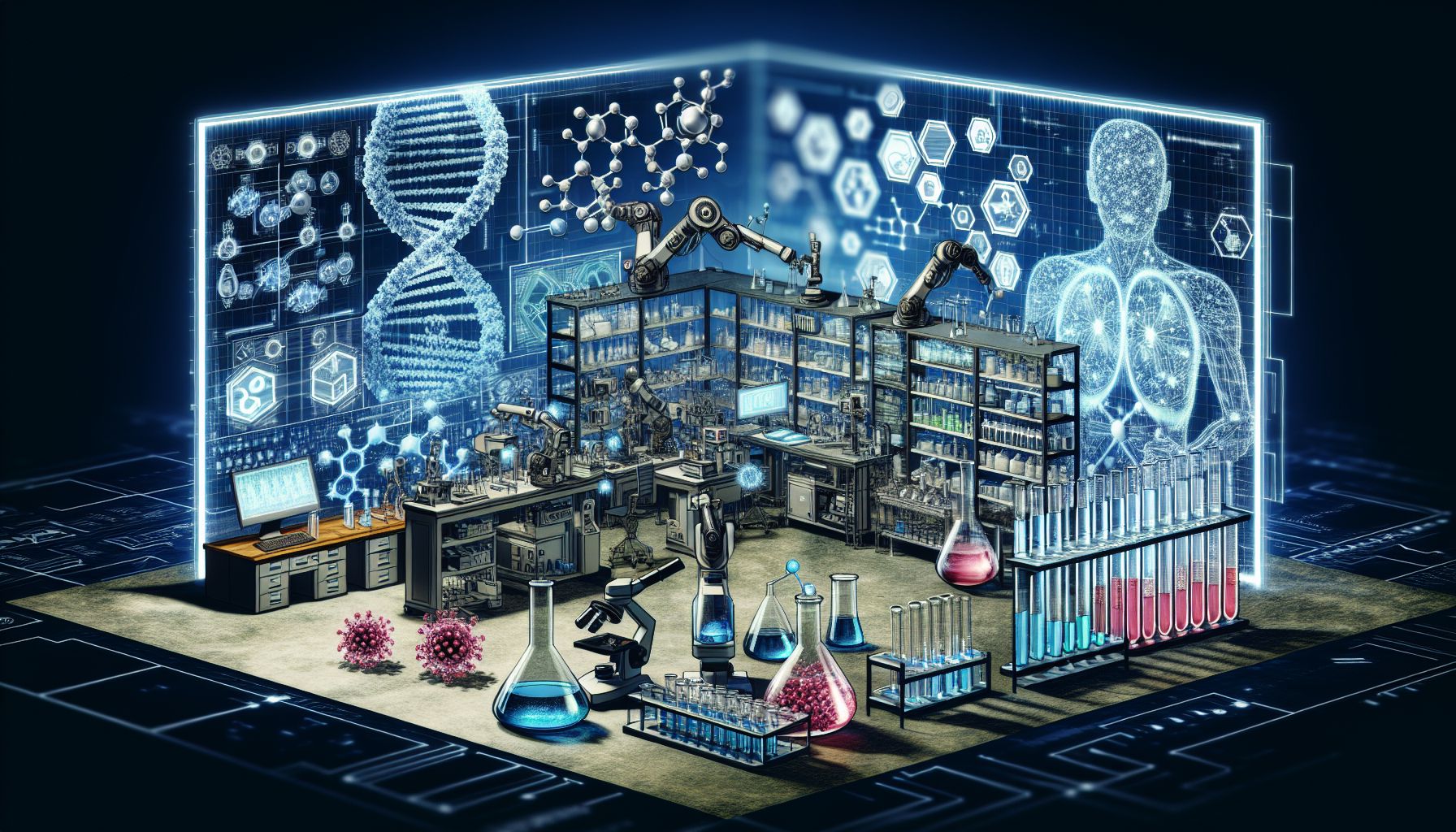
Technology has made its way into almost every aspect of our lives, transforming the way we communicate, entertain ourselves, and even seek medical assistance. In recent years, the intersection of technology and pharmaceutical products has proven to be a game changer in the healthcare industry. This fusion has not only revolutionized the development process of pharmaceutical products but has also enhanced patient care and contributed to breakthrough discoveries. In this article, we will explore the incredible synergy between technology and pharmaceuticals.
Transforming the Development Process
Traditionally, the process of developing pharmaceutical products has been a time-consuming and costly endeavor. However, with technological advancements, the entire landscape has transformed. Powerful algorithms and artificial intelligence (AI) have enabled pharmaceutical companies to streamline the drug discovery process, making it faster and more efficient.
Utilizing AI, massive databases can be analyzed to identify patterns and relationships between large sets of molecular and genetic data. With this deep understanding, researchers can create virtual models and simulations to test drug candidates, significantly reducing the number of failed experiments during the initial stages of drug development. As a result, pharmaceutical companies can bring life-saving drugs to market faster while also minimizing costs.
Personalized Medicine
Technology has also paved the way for personalized medicine, a field that tailors treatment plans to an individual’s unique genetic makeup. With advancements in genomics and DNA sequencing, doctors can now predict a patient’s susceptibility to certain diseases and determine the most effective treatment options based on their genetic profile.
Pharmaceutical companies are investing heavily in developing companion diagnostic tests that can identify gene mutations and help determine the most appropriate medication and dosage for a patient. This targeted approach to treatment enhances its effectiveness while minimizing side effects.
Enhancing Patient Care
In addition to transforming the development process and enabling personalized medicine, technology has greatly enhanced patient care. Mobile health applications, wearable devices, and telemedicine have become increasingly popular tools for monitoring patients’ health, improving adherence to medication, and reducing hospital visits.
Mobile apps allow patients to monitor their vital signs, track symptoms, and receive medication reminders, empowering them to take control of their health. Wearable devices, such as smartwatches and fitness trackers, enable continuous monitoring of various health parameters, enabling timely intervention and proactive healthcare.
Telemedicine has addressed the issue of geographical barriers, making healthcare accessible to individuals residing in remote areas. Patients can now consult with doctors via video calls, obtain prescriptions electronically, and receive medical advice without leaving their homes.
Conclusion
The integration of technology and pharmaceutical products has undoubtedly transformed the healthcare industry. From revolutionizing drug discovery to enabling personalized medicine and enhancing patient care, this synergy has made significant strides in improving human health and wellbeing. As technology continues to advance, we can expect even more groundbreaking discoveries and innovations in the pharmaceutical field. Embracing this intersection is crucial to unlock the full potential of both technology and pharmaceuticals in our quest for better healthcare solutions.
Comments are Disabled