Transforming Healthcare: The Intersection of Technology and Pharmaceutical Products
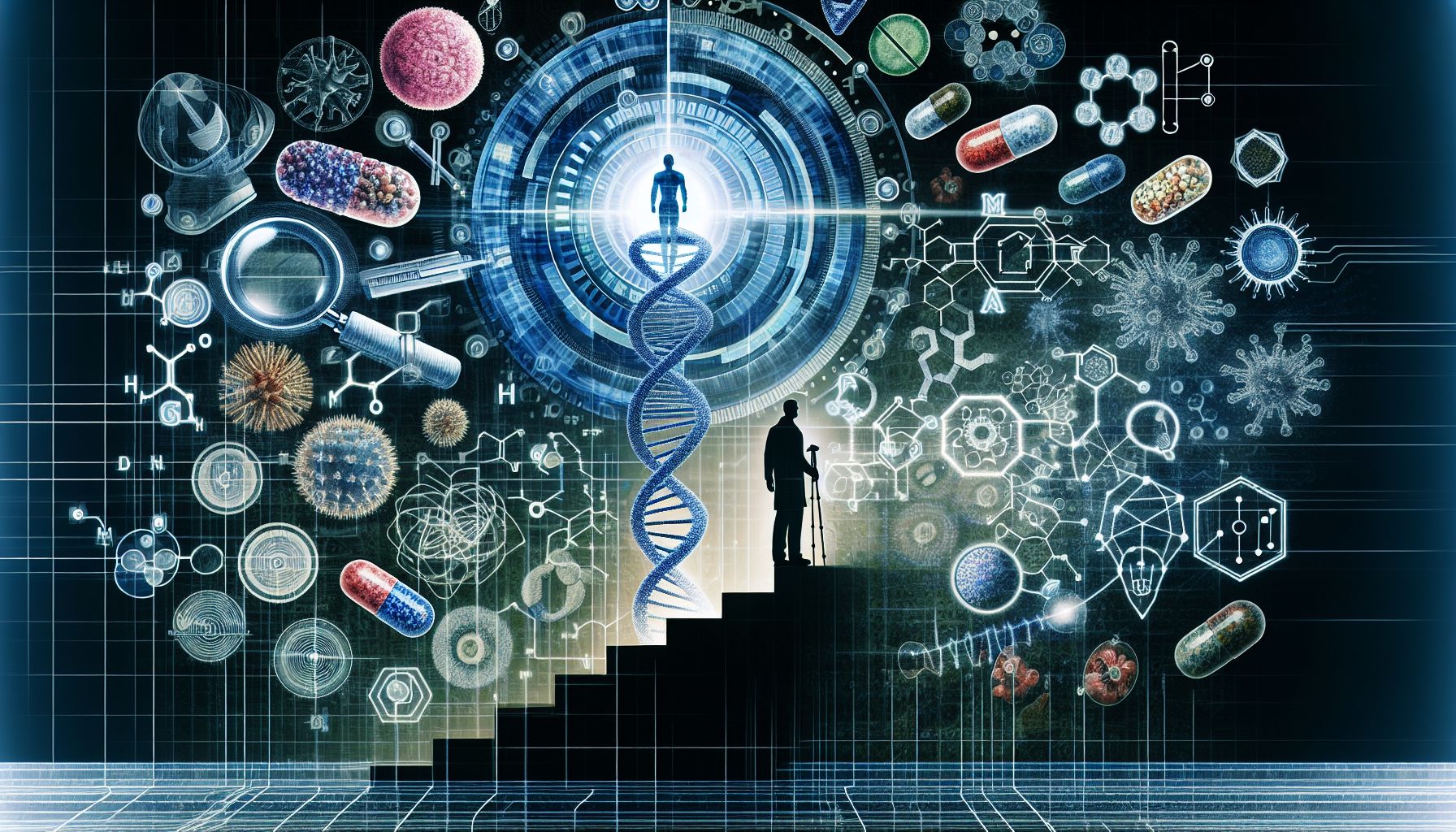
In recent years, the healthcare industry has seen a significant shift towards the integration of technology and pharmaceutical products. This collaboration has paved the way for groundbreaking advancements in patient care, medical research, and treatment options. From digital therapeutics to personalized medicine, the marriage of technology and pharmaceuticals has revolutionized the way we approach healthcare.
One of the most significant developments in this intersection is the rise of digital health platforms. These platforms allow patients to monitor their health in real-time, track medication adherence, and communicate with healthcare providers remotely. By leveraging the power of technology, pharmaceutical companies are able to deliver more personalized and efficient care to patients, ultimately improving health outcomes.
Additionally, technology has played a crucial role in the development of precision medicine. This approach tailors medical treatment to the individual characteristics of each patient, taking into account factors such as genetics, lifestyle, and environment. By using advanced algorithms and data analytics, pharmaceutical companies can identify the most effective treatment options for each patient, leading to better outcomes and reduced side effects.
Furthermore, technology has enabled the pharmaceutical industry to streamline the drug development process. By utilizing technologies such as artificial intelligence and machine learning, researchers can analyze vast amounts of data to identify potential drug candidates more efficiently. This not only speeds up the time it takes to bring new drugs to market but also reduces the cost of development, making treatments more accessible to patients.
The collaboration between technology and pharmaceutical products has also led to the emergence of innovative treatment options, such as digital therapeutics. These software-based interventions are designed to treat medical conditions in the same way traditional drugs would, but without the use of chemical substances. Digital therapeutics have shown promising results in the treatment of chronic conditions such as diabetes, depression, and substance abuse.
In conclusion, the integration of technology and pharmaceutical products has transformed the healthcare industry, paving the way for more personalized, efficient, and effective patient care. As technology continues to evolve, we can expect to see even more groundbreaking advancements in the field of healthcare, ultimately improving the lives of millions of patients worldwide. By embracing this intersection, we are moving towards a future where healthcare is not only more accessible but also more tailored to the individual needs of each patient.
Comments are Disabled