Transforming Pharmaceuticals with Technology
Innovation and advancements in technology have revolutionized countless industries, and the pharmaceutical sector is no exception. From research and development to manufacturing and distribution, technology plays a crucial role in every aspect of the pharmaceutical product lifecycle. In this blog post, we will explore the impact of technology on pharmaceutical products, highlighting the benefits and challenges it brings.
Leveraging AI and Data Analytics in Drug Discovery
Traditionally, drug discovery is a lengthy and expensive process that involves years of research and testing. However, cutting-edge technologies such as artificial intelligence (AI) and data analytics are transforming this landscape. AI-powered algorithms can analyze vast amounts of data, providing researchers with valuable insights into potential drug candidates and accelerating the discovery process. By enabling rapid processing of complex data, technology expedites the identification of promising molecules, significantly reducing the time and cost associated with drug development.
Enhancing Manufacturing and Quality Control Processes
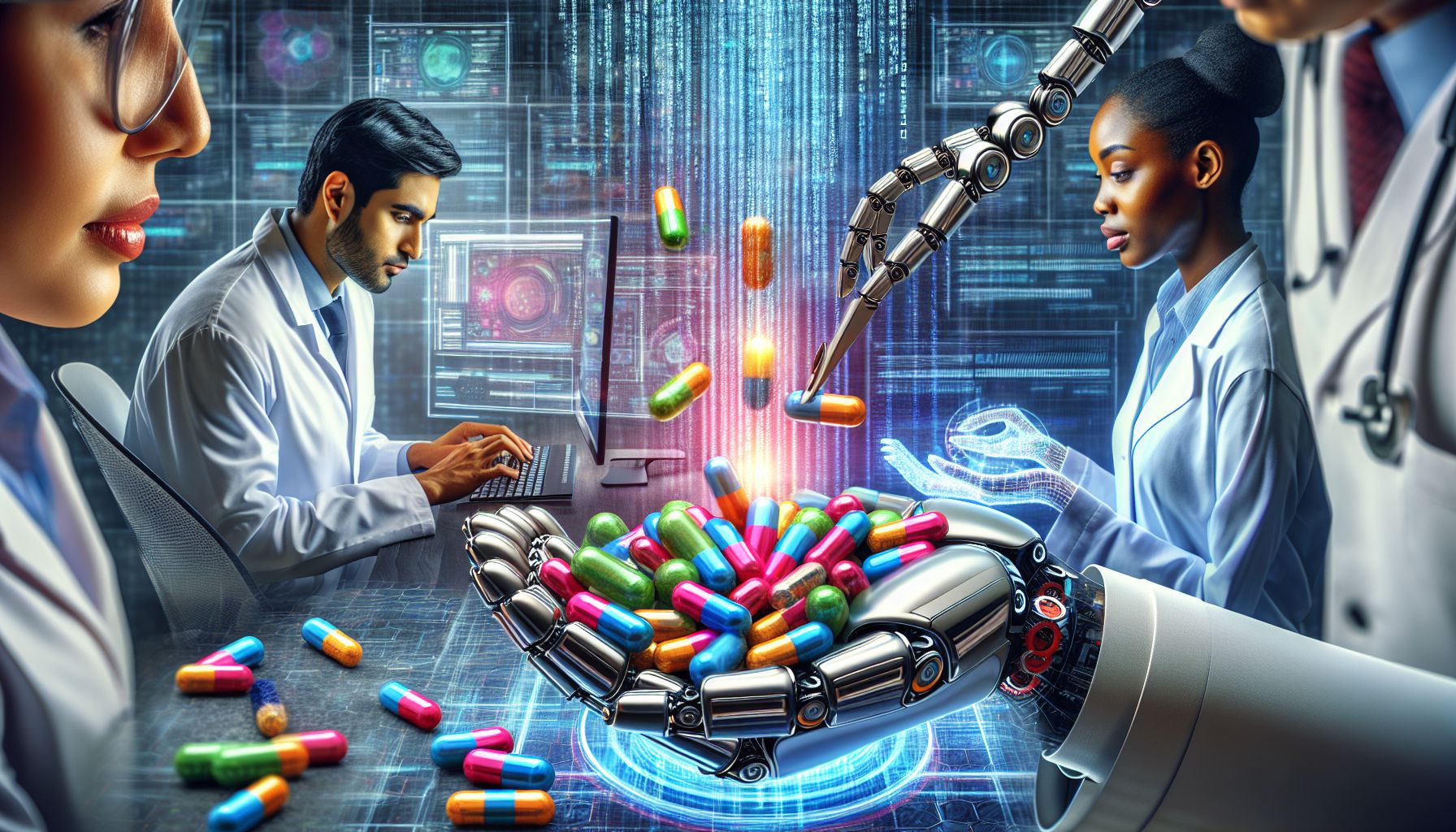
Maintaining high standards of efficacy and safety is paramount in the pharmaceutical industry. Technology has played a pivotal role in enhancing manufacturing and quality control processes, ensuring that pharmaceutical products meet rigorous standards. Robotic automation systems have improved manufacturing efficiency and reliability, reducing the risk of human error. Furthermore, advanced analytics and real-time monitoring enable manufacturers to identify and address quality issues promptly, minimizing the likelihood of product recalls and ensuring consumer safety.
IoT and Supply Chain Management
Efficient supply chain management is crucial in delivering pharmaceutical products to patients in a timely and reliable manner. The Internet of Things (IoT) has emerged as a game-changer in this domain. By connecting various elements of the supply chain, such as manufacturing plants, distribution centers, and pharmacies, IoT technology allows for seamless tracking and monitoring of drug shipments. Real-time monitoring of conditions like temperature and humidity ensures that medications remain within acceptable parameters to maintain their potency during transit. This technology-driven transparency significantly reduces the risk of spoilage, while also enabling swift and efficient recall management.
Personalized Medicine and Wearable Technology
Advancements in technology have also paved the way for personalized medicine, tailoring treatments to individual patients based on their genetic makeup and specific health needs. Wearable devices such as smartwatches and health trackers enable continuous monitoring of vital signs, allowing healthcare professionals to gather real-time data on patients’ health conditions. This data can then be analyzed to personalize and optimize treatment plans. With the help of technology, pharmaceutical companies can move away from a one-size-fits-all approach, unlocking the potential for more effective and targeted therapies.
Conclusion
Technology continues to push the boundaries of what is possible in the pharmaceutical industry. From streamlining drug discovery and manufacturing processes to improving supply chain management and enabling personalized medicine, the impact of technology on pharmaceutical products is undeniable. Nevertheless, as technology continues to advance, it is vital to address challenges related to data privacy, cybersecurity, and ethical considerations. By navigating these challenges with responsibility and innovation, the pharmaceutical industry can continue to harness technology’s transformative power, ultimately benefiting patients and improving healthcare outcomes.
Comments are Disabled