Posts By Vicki Sutton
Advancements in Technology: Revolutionizing Pharmaceutical Products
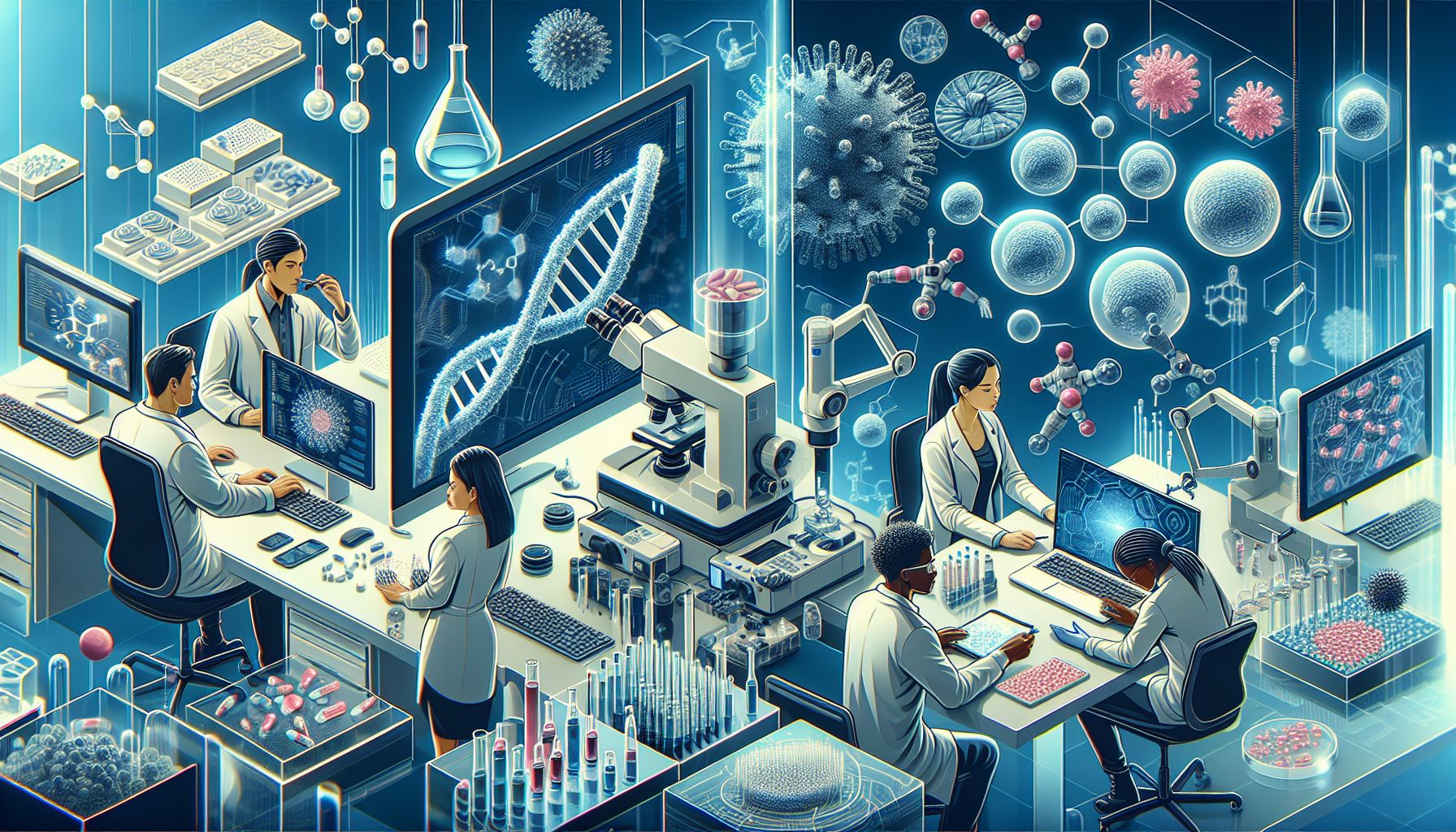
Technology has revolutionized every aspect of our lives, and the pharmaceutical industry is no exception. From drug discovery to manufacturing, technology has played a crucial role in improving efficiency, accuracy, and ultimately, patient outcomes.
One of the most significant contributions of technology to the pharmaceutical industry is in the field of drug discovery. Traditional methods of drug discovery involved a trial-and-error approach, which was not only time-consuming but also costly. With the advent of technologies such as high-throughput screening, computational modeling, and artificial intelligence, researchers can now identify potential drug candidates much faster and more accurately. This has led to the development of new and more effective treatments for a wide range of diseases.
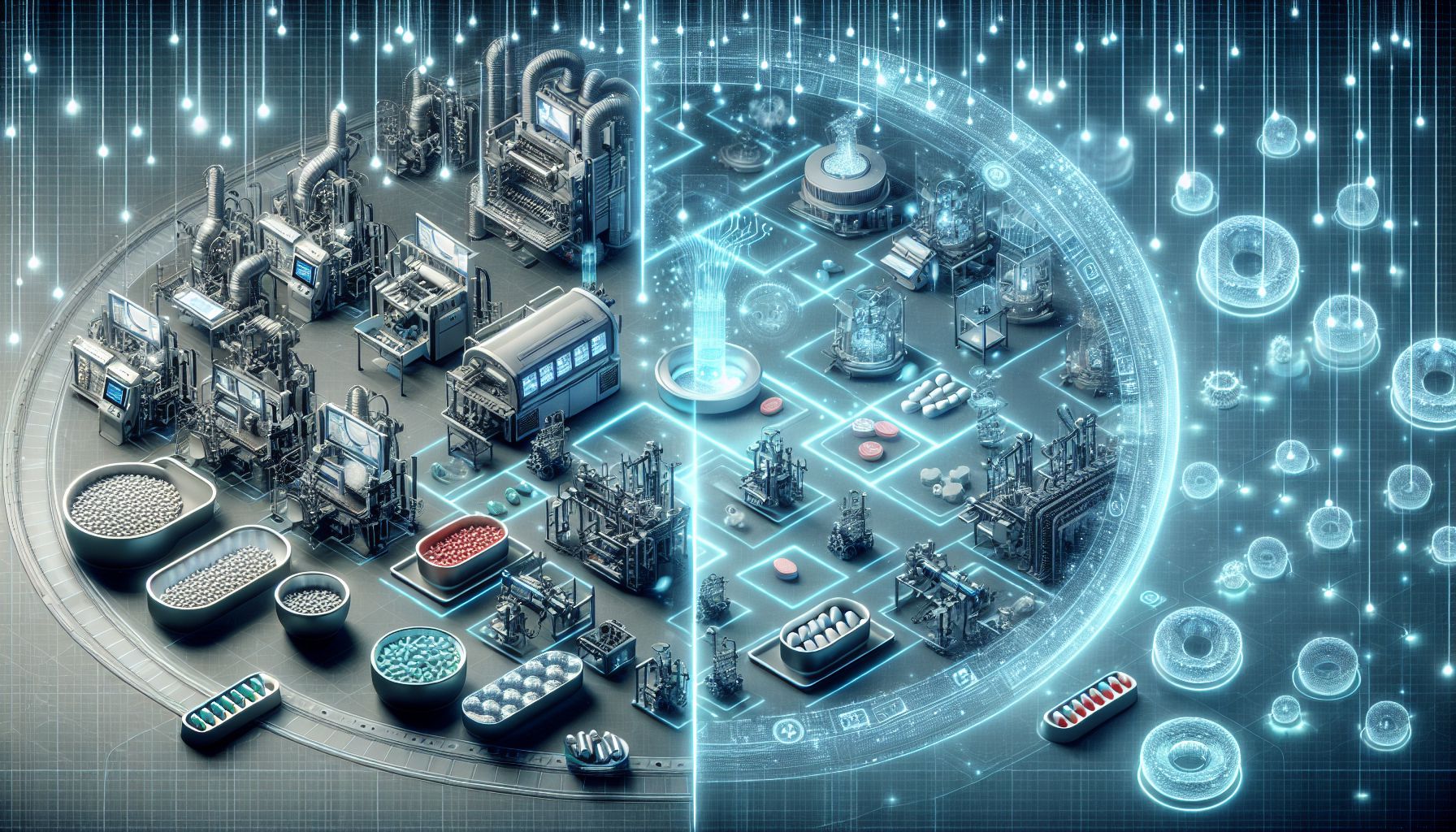
In addition to drug discovery, technology has also transformed the way pharmaceutical products are manufactured. Advanced manufacturing techniques, such as continuous manufacturing and 3D printing, have enabled pharmaceutical companies to produce drugs more efficiently and with higher precision. This not only reduces the cost of production but also ensures the quality and consistency of the final product.
Furthermore, technology has also revolutionized the way pharmaceutical products are delivered to patients. The development of smart devices, such as wearable sensors and connected inhalers, has made it easier for healthcare providers to monitor patient adherence and track treatment outcomes. This not only improves patient compliance but also allows for more personalized and targeted therapies.
However, with these advancements in technology also come new challenges. One of the biggest concerns in the pharmaceutical industry today is cybersecurity. As more and more data is being collected and shared electronically, there is an increased risk of cyber attacks and data breaches. Pharmaceutical companies must invest in robust cybersecurity measures to protect sensitive patient information and intellectual property.
In conclusion, technology has had a profound impact on the pharmaceutical industry, from drug discovery to manufacturing to patient care. The advancements in technology have led to the development of new and more effective treatments, improved production processes, and personalized healthcare solutions. However, it is important for pharmaceutical companies to stay vigilant and address the challenges posed by technology, such as cybersecurity, to ensure the safety and efficacy of their products. As technology continues to evolve, the pharmaceutical industry must adapt and harness its potential to continue advancing healthcare for patients around the world.
The Intersection of Technology and Pharmaceutical Products
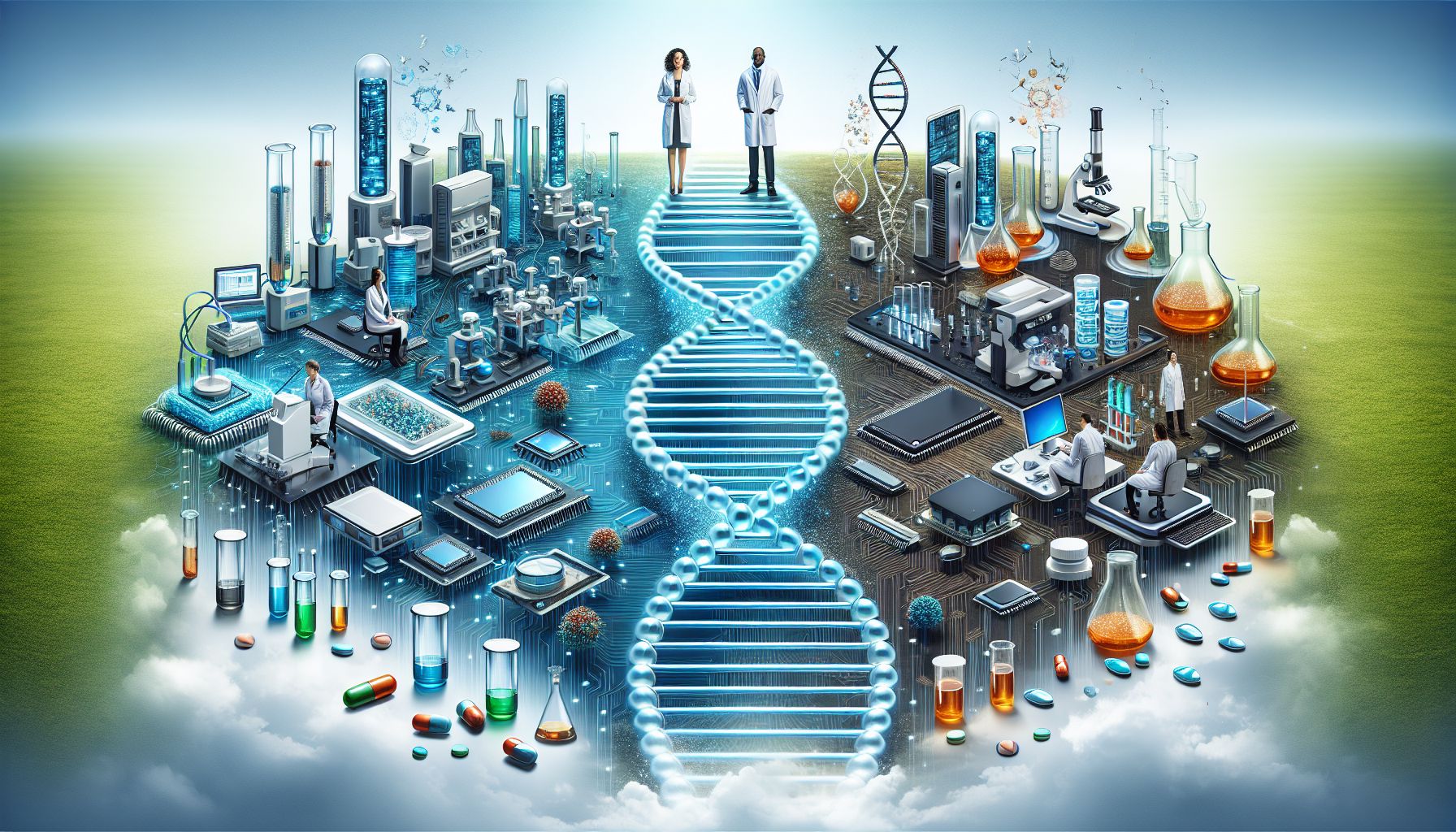
In recent years, the intersection of technology and pharmaceutical products has revolutionized the way we approach healthcare. From innovative drug delivery systems to personalized medicine, technology has played a crucial role in advancing the field of pharmaceuticals. In this article, we will explore some of the ways in which technology is shaping the future of pharmaceutical products.
One of the most significant advancements in pharmaceutical technology is the development of smart drug delivery systems. These systems utilize sensors and microchips to control the release of medication, ensuring that patients receive the right dose at the right time. This not only improves the efficacy of the medication but also enhances patient compliance and reduces the risk of side effects. Smart drug delivery systems have the potential to revolutionize the treatment of chronic conditions such as diabetes, asthma, and cardiovascular disease.
Another area where technology is making a significant impact is in the development of personalized medicine. Through the use of genetic testing and data analytics, pharmaceutical companies are now able to tailor treatments to individual patients based on their genetic makeup and lifestyle factors. This personalized approach not only improves treatment outcomes but also reduces the likelihood of adverse reactions. As our understanding of genetics continues to grow, we can expect to see more personalized medicines entering the market in the coming years.
Artificial intelligence (AI) is also playing a key role in the development of pharmaceutical products. AI algorithms are being used to analyze massive amounts of data in search of new drug targets and pathways. This has greatly accelerated the drug discovery process, allowing researchers to identify potential treatments in a fraction of the time it would have taken using traditional methods. AI is also being used to optimize drug development processes, making them more efficient and cost-effective.
While the integration of technology into pharmaceutical products has brought about numerous benefits, it also poses some challenges. Data privacy and security concerns, regulatory hurdles, and the high cost of technology implementation are just a few of the issues that companies must navigate. However, the potential for improving patient outcomes and driving innovation far outweighs these challenges.
In conclusion, the marriage of technology and pharmaceutical products has opened up a world of possibilities for the healthcare industry. From smart drug delivery systems to personalized medicine and AI-driven drug discovery, technology is reshaping the way we treat and manage diseases. As we continue to push the boundaries of what is possible, we can expect to see even more groundbreaking advancements in the field of pharmaceuticals in the years to come.
The Intersection of Technology and Pharmaceutical Products
Technology has played a crucial role in the advancement of various industries, but perhaps none more so than the pharmaceutical industry. The intersection of technology and pharmaceutical products has led to significant breakthroughs in the development, production, and distribution of life-saving medications.
In recent years, the development of new drugs has been greatly accelerated by technological advancements. High-throughput screening techniques, for example, have enabled researchers to quickly test thousands of compounds for their efficacy in treating specific diseases. This has greatly sped up the drug discovery process and allowed pharmaceutical companies to bring new medications to market faster than ever before.
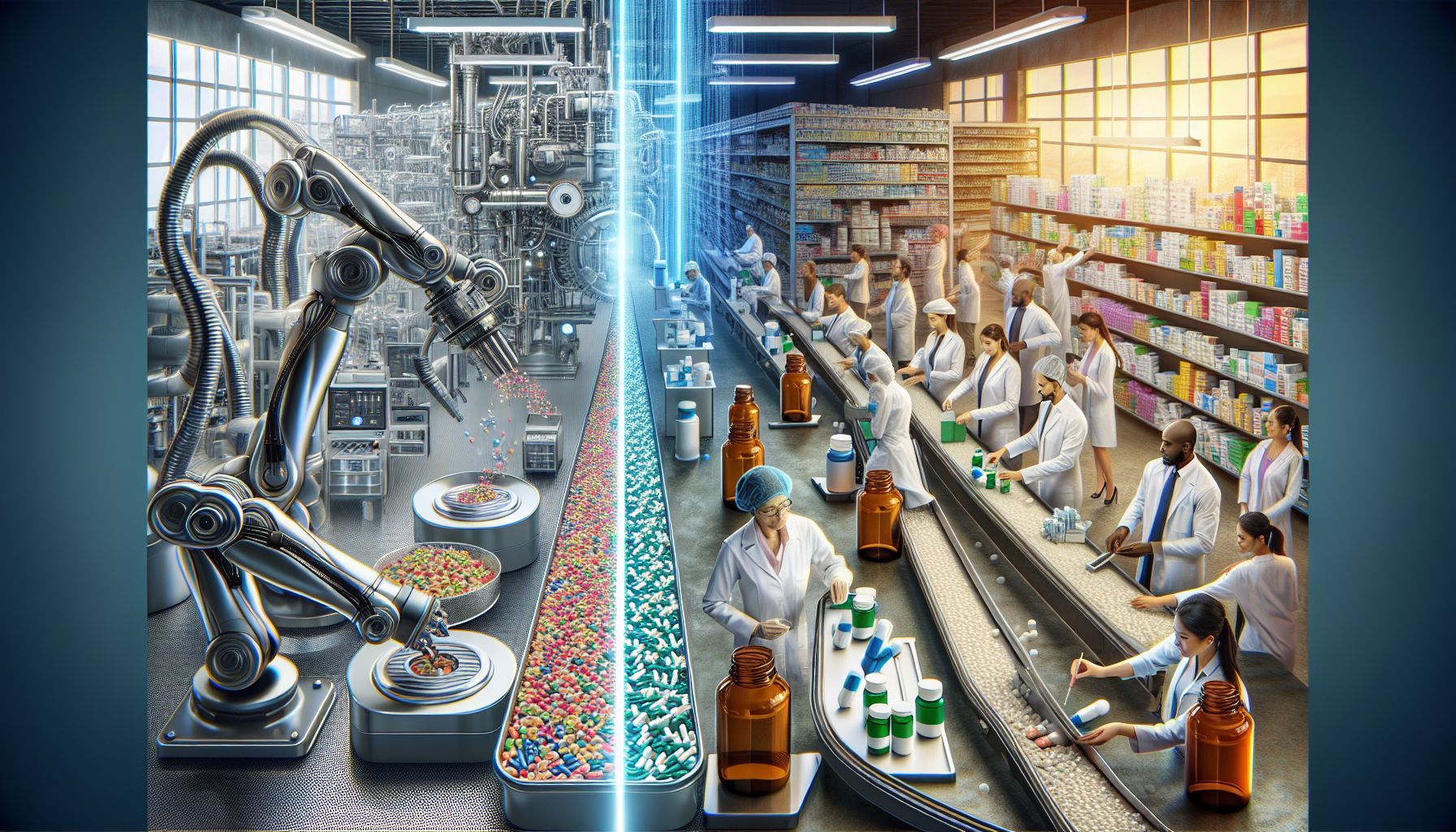
In addition to speeding up drug discovery, technology has also played a key role in improving the production of pharmaceutical products. Automation and robotics have made production processes more efficient and reliable, leading to higher-quality medications being produced at lower costs. This has not only benefited pharmaceutical companies but has also helped to lower the cost of medications for patients.
Furthermore, advancements in technology have revolutionized the way pharmaceutical products are distributed and consumed. The rise of e-commerce has made it easier for patients to access the medications they need, whether they are at home or on the go. Additionally, advancements in data analytics and artificial intelligence have enabled pharmaceutical companies to better understand patient needs and tailor their products and marketing strategies accordingly.
One of the most exciting developments in the intersection of technology and pharmaceutical products is the rise of personalized medicine. By leveraging technologies such as genomics and data analytics, researchers are now able to develop medications that are tailored to individual patients based on their genetic makeup and specific health needs. This personalized approach to medicine has the potential to revolutionize healthcare and improve patient outcomes in ways that were previously unimaginable.
As technology continues to evolve, the potential for further advancements in the pharmaceutical industry is virtually limitless. From the development of novel drug delivery systems to the use of wearable devices for real-time monitoring of patient health, the future of pharmaceutical products is bright with promise.
In conclusion, the intersection of technology and pharmaceutical products has led to significant advancements in drug discovery, production, distribution, and personalized medicine. These advancements have not only benefited pharmaceutical companies but have also improved patient care and outcomes. As technology continues to evolve, the potential for further innovation in the pharmaceutical industry is immense, and the possibilities for improving healthcare are endless.
The Intersection of Technology and Pharmaceutical Products
Technology has greatly impacted the field of pharmaceuticals, revolutionizing the way drugs are developed, tested, and distributed. With the use of cutting-edge technologies, pharmaceutical companies are able to create more effective medications, streamline the drug development process, and improve patient outcomes.
One of the key ways technology has influenced pharmaceutical products is through the use of artificial intelligence (AI) and machine learning. These technologies have been instrumental in speeding up the drug discovery process by quickly analyzing massive amounts of data to identify potential compounds and predict their efficacy. AI-powered algorithms can also be used to design clinical trials, predict patient responses to medications, and personalize treatment plans for individuals based on their genetic makeup.
Additionally, technology has enabled pharmaceutical companies to improve the quality and safety of their products through the use of advanced manufacturing techniques. For example, 3D printing technology is now being used to create personalized medications tailored to individual patient needs. This allows for more precise dosing and better treatment outcomes.
Furthermore, the use of digital platforms and mobile apps has transformed the way pharmaceutical products are marketed and distributed. Online pharmacies and telemedicine services have made it easier for patients to access medications from the comfort of their own homes. Drug companies can now reach a wider audience and provide more personalized support to patients through virtual consultations and remote monitoring.
In the field of research and development, technology has also played a crucial role in making clinical trials more efficient and cost-effective. Virtual trials, where patients participate remotely using wearable devices and telemedicine, have become increasingly popular, allowing for faster recruitment of participants and real-time monitoring of patient data.
However, it is important to note that with these advancements also come challenges and concerns. Data privacy and security issues remain a major concern in the pharmaceutical industry, as the use of digital platforms and AI technologies raises questions about the protection of sensitive patient information. Additionally, the high cost of implementing and maintaining these technologies can be a barrier for some companies, particularly smaller pharmaceutical firms with limited resources.
In conclusion, the intersection of technology and pharmaceutical products has significantly transformed the healthcare industry, allowing for the development of more effective medications, personalized treatment plans, and improved patient outcomes. While there are challenges to overcome, the potential benefits of these advancements are vast and promising for the future of healthcare.
Transforming Healthcare: The Intersection of Technology and Pharmaceutical Products
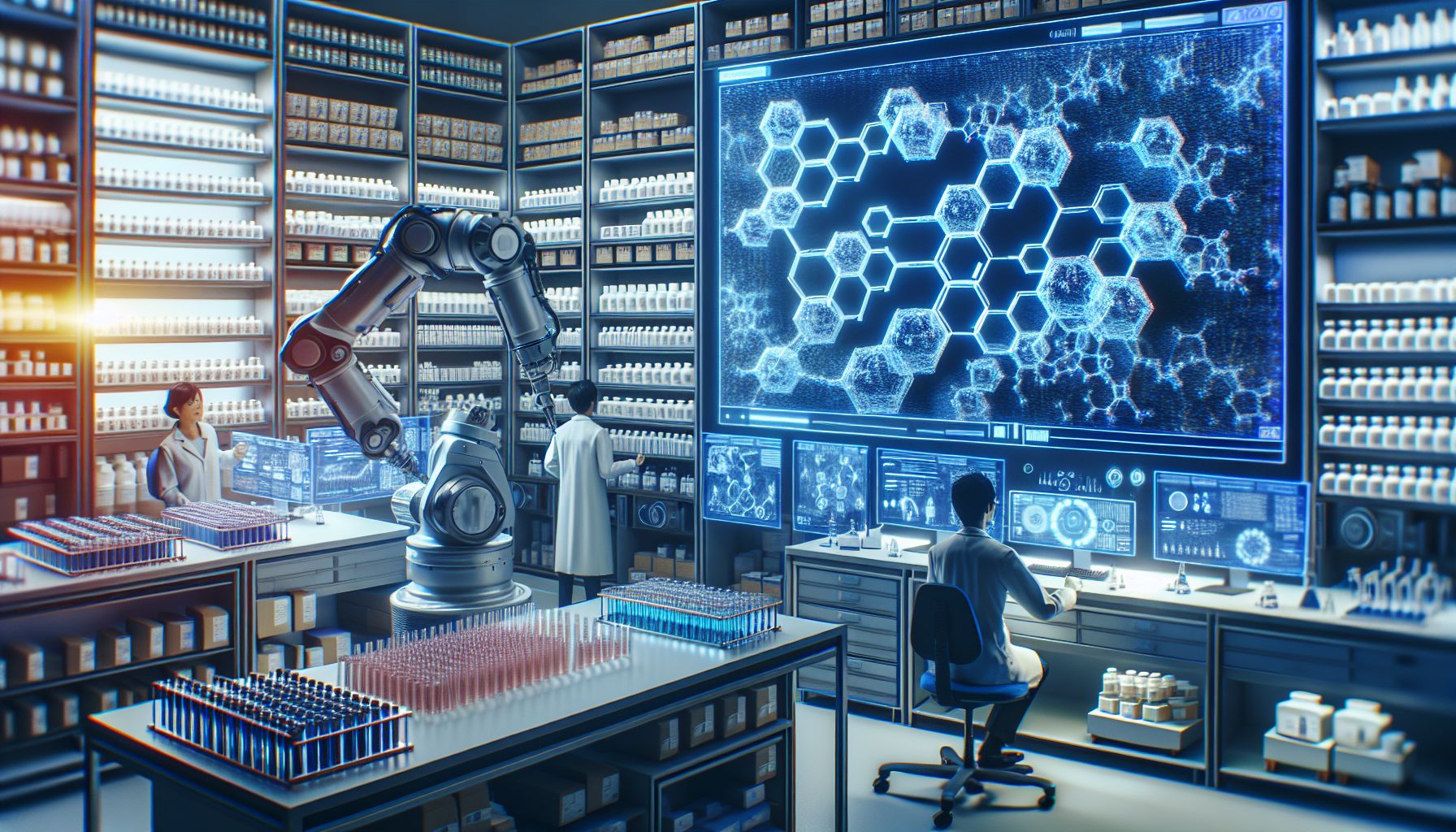
In recent years, the intersection of technology and pharmaceutical products has revolutionized the healthcare industry. From innovative drug delivery systems to precision medicine, the integration of technology has significantly enhanced the efficacy and accessibility of pharmaceutical products. This marriage of science and technology has paved the way for groundbreaking advancements that have the potential to improve patient outcomes and quality of life.
One of the key areas where technology has made a significant impact on pharmaceutical products is in drug development and research. Advanced technologies such as artificial intelligence, machine learning, and big data analytics have accelerated the drug discovery process, allowing researchers to identify potential drug candidates more efficiently. These technologies have also enabled pharmaceutical companies to personalize treatments based on an individual’s genetic makeup, leading to the development of targeted therapies for various diseases.
Moreover, technology has played a crucial role in enhancing drug delivery systems, making it easier for patients to adhere to their treatment regimens. For instance, the development of smart devices and wearables has enabled patients to monitor their health and track their medication intake in real-time. These innovations not only improve patient compliance but also provide valuable data to healthcare providers for personalized care.
Furthermore, the rise of telemedicine and digital health platforms has made healthcare more accessible to patients, especially those in remote areas. Patients can now consult with healthcare providers and pharmacists virtually, receive prescriptions electronically, and have medications delivered to their doorstep. This seamless integration of technology and pharmaceutical products has transformed the way healthcare services are delivered, making it more convenient and efficient for patients.
As the healthcare industry continues to evolve, the collaboration between technology and pharmaceutical products will play a vital role in shaping the future of healthcare. With the rapid advancements in technologies such as nanotechnology, 3D printing, and bioelectronics, the possibilities for innovation in pharmaceutical products are endless. These technologies have the potential to revolutionize drug delivery, diagnosis, and treatment, paving the way for more effective and personalized healthcare solutions.
In conclusion, the integration of technology and pharmaceutical products has ushered in a new era of healthcare innovation. From drug discovery to patient care, technology has become an indispensable tool in improving the efficacy, accessibility, and affordability of pharmaceutical products. As we continue to harness the power of technology in healthcare, the future looks promising for patients and healthcare providers alike.
The Intersection of Technology and Pharmaceutical Products
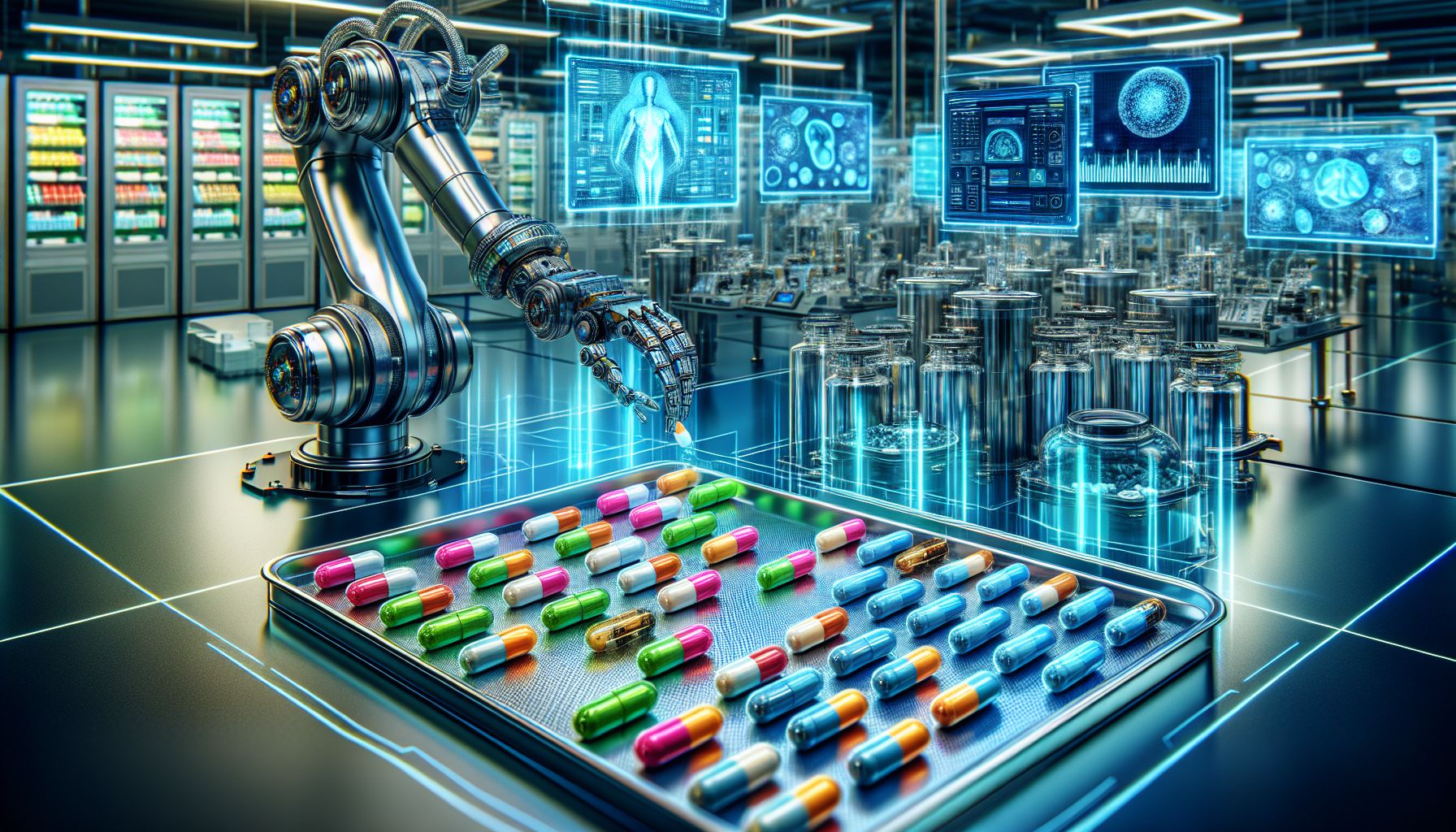
In recent years, we have seen rapid advancements in technology that have greatly impacted the pharmaceutical industry. From drug discovery to patient care, technology has revolutionized the way pharmaceutical products are developed, tested, and distributed. This intersection of technology and pharmaceutical products has led to improved treatments, increased efficiency, and better patient outcomes.
One of the key areas where technology has had a significant impact is in drug discovery. Through the use of artificial intelligence, machine learning, and big data analytics, pharmaceutical companies are able to identify potential drug candidates more quickly and accurately than ever before. This has greatly accelerated the drug development process, allowing for the creation of new treatments for a wide range of diseases.
Additionally, technology has also transformed the way pharmaceutical products are tested. Traditionally, clinical trials could take years to complete and involve large numbers of patients. However, with the advent of virtual clinical trials and remote monitoring technology, researchers are now able to gather data more efficiently and effectively. This not only speeds up the testing process but also allows for a more personalized approach to patient care.
Furthermore, technology has also had a major impact on the distribution and delivery of pharmaceutical products. With the rise of e-commerce and telemedicine, patients can now order medications online and have them delivered directly to their doorstep. This has made it easier for patients to access the medications they need, particularly in remote or underserved areas.
Overall, the integration of technology and pharmaceutical products has led to numerous benefits for both patients and healthcare professionals. Patients now have access to a wider range of treatments, while healthcare providers can deliver more personalized care. Additionally, the use of technology has increased efficiency and reduced costs, making healthcare more accessible to all.
In conclusion, the intersection of technology and pharmaceutical products has transformed the way treatments are developed, tested, and delivered. As technology continues to advance, we can expect even more innovations in the pharmaceutical industry, leading to improved outcomes for patients worldwide. It is an exciting time to be a part of this field, and the possibilities for the future are truly limitless.
The Intersection of Technology and Pharmaceutical Products
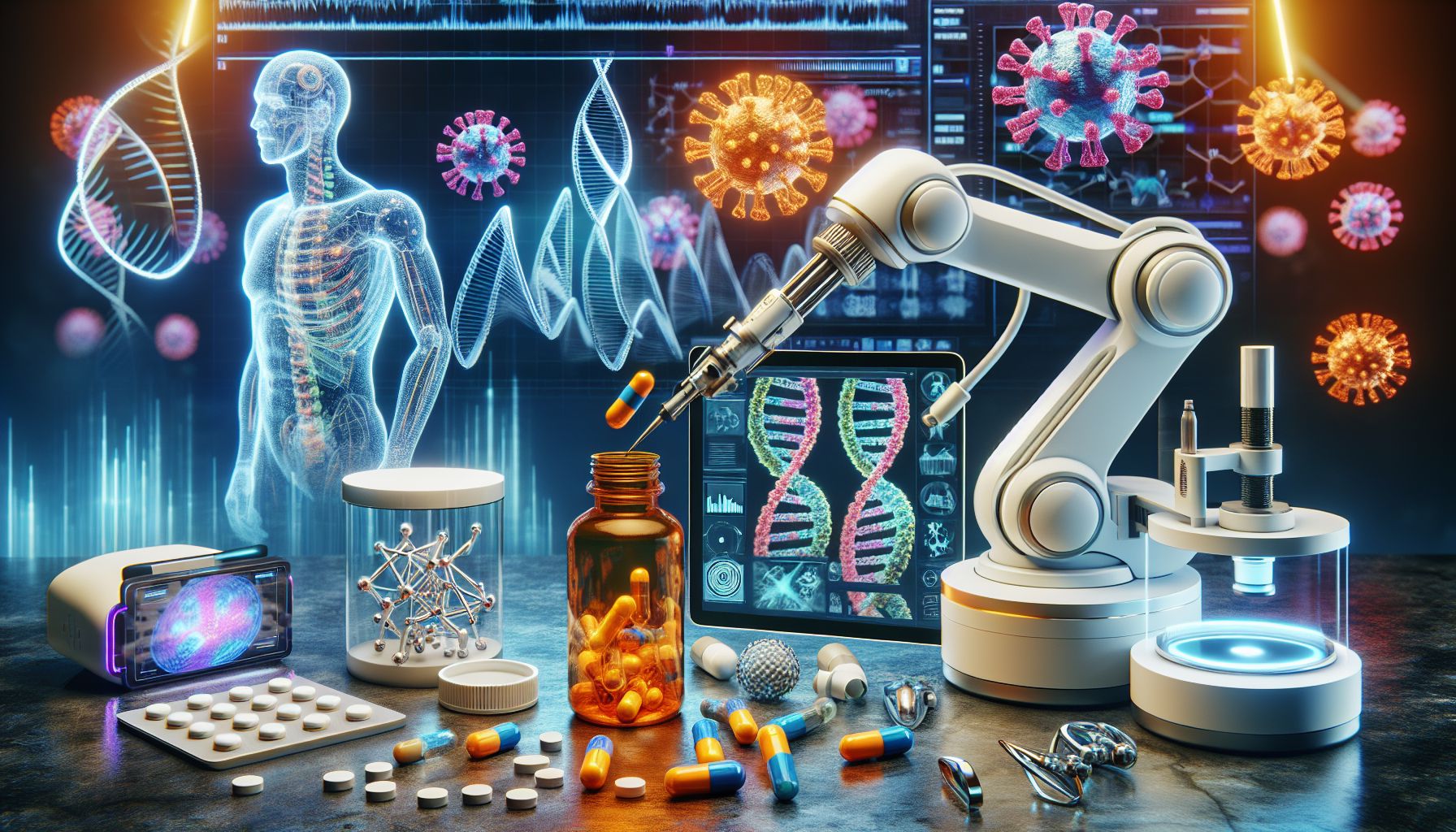
In today’s fast-paced world, technology plays a crucial role in almost every industry, including the pharmaceutical sector. The integration of technology into pharmaceutical products has revolutionized the way medications are developed, tested, and delivered to patients. From drug discovery to patient monitoring, technology has significantly improved the efficiency and effectiveness of the pharmaceutical industry.
One of the key ways technology has impacted pharmaceutical products is through the use of artificial intelligence (AI) and machine learning algorithms. These advanced technologies have made it possible for researchers to analyze vast amounts of data quickly and accurately, leading to the discovery of new drugs and treatments at a much faster pace. AI can identify patterns in large data sets that human researchers may have missed, helping to streamline the drug development process and reduce time and costs.
Moreover, technology has also played a significant role in improving drug delivery systems. Innovative technologies such as nanotechnology and microchip implants have enabled the development of targeted drug delivery systems that can deliver medications directly to specific cells or tissues in the body. This not only increases the efficacy of the drugs but also reduces the risk of side effects and improves patient outcomes.
In addition to drug development and delivery, technology has also transformed patient monitoring and adherence. Wearable devices and mobile apps can now track a patient’s vital signs, medication intake, and overall health in real-time. This data can be shared with healthcare providers to help them make more informed decisions about the patient’s treatment plan. These technologies have proven to be particularly useful in managing chronic conditions and ensuring that patients adhere to their prescribed medications.
The integration of technology into pharmaceutical products has not only improved the efficiency and effectiveness of drug development but has also enhanced the overall patient experience. Patients now have access to a wide range of innovative and personalized treatment options that were not possible before. With the continual advancements in technology, the future of pharmaceutical products looks even more promising.
In conclusion, the intersection of technology and pharmaceutical products has transformed the way medications are developed, tested, and delivered to patients. From AI-driven drug discovery to wearable devices for patient monitoring, technology has revolutionized the pharmaceutical industry. As technology continues to evolve, so too will the quality and efficacy of pharmaceutical products, ultimately leading to better outcomes for patients around the world.
The Intersection of Technology and Pharmaceutical Products
Technology has played a significant role in revolutionizing the pharmaceutical industry in recent years. From drug discovery and development to production and distribution, the integration of technology has led to numerous advancements and innovations in the field.
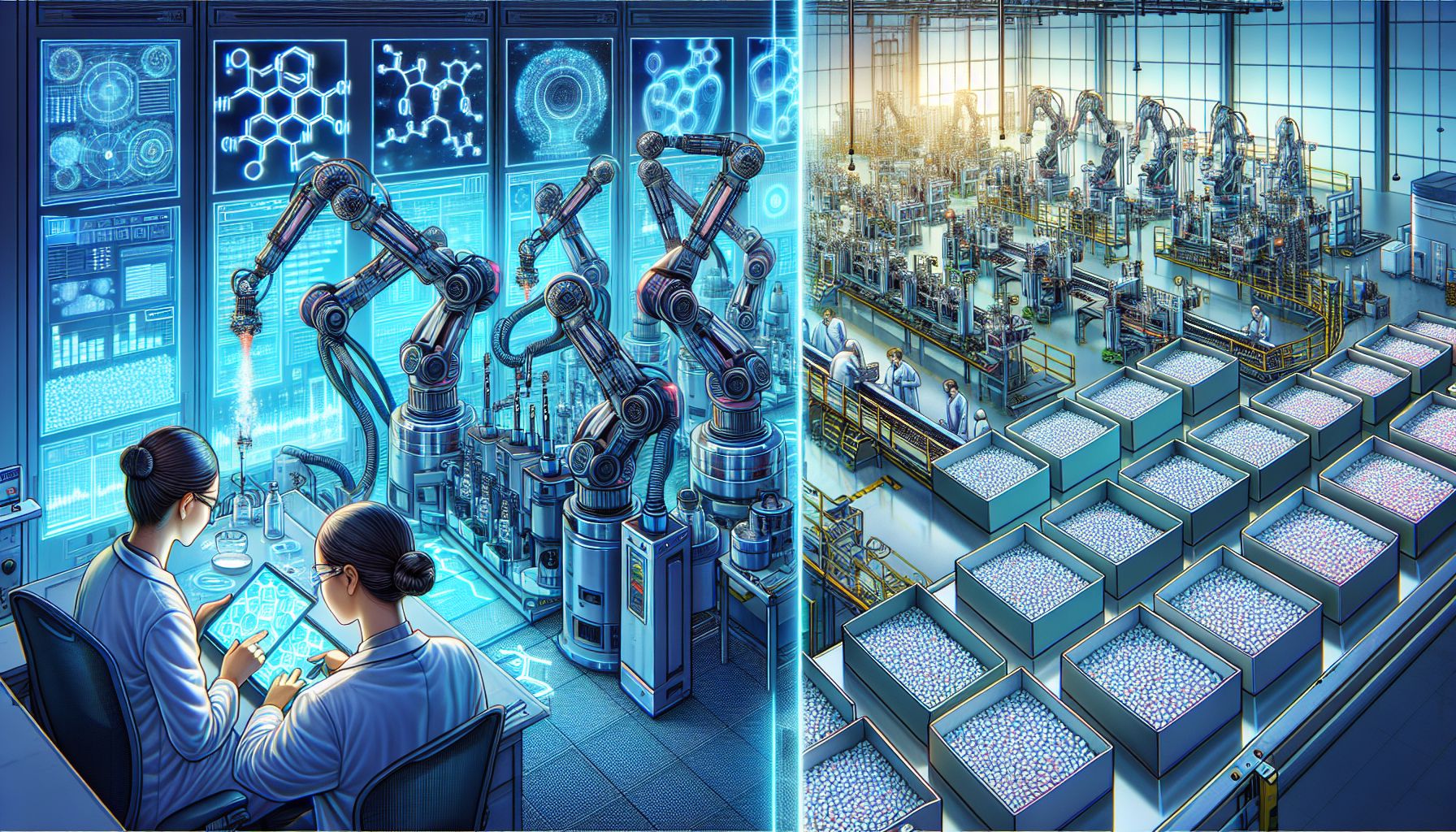
One of the key areas where technology has made a major impact is in the process of drug discovery. With the help of sophisticated computational algorithms and virtual screening techniques, scientists are now able to identify potential drug candidates more quickly and efficiently than ever before. This has significantly reduced the time and cost associated with developing new medications, allowing pharmaceutical companies to bring life-saving treatments to market faster.
Furthermore, technology has also improved the manufacturing process of pharmaceutical products. Automation and robotics have been increasingly used in pharmaceutical production facilities, leading to greater precision and consistency in the manufacturing process. This not only ensures the quality of the final product but also reduces the risk of contamination or human error, ultimately enhancing patient safety.
In addition to drug discovery and manufacturing, technology has also played a crucial role in improving patient care and monitoring. The development of telemedicine platforms and mobile health apps has allowed patients to access healthcare services remotely and monitor their health conditions from the comfort of their own homes. This has not only increased convenience for patients but has also improved adherence to medication regimens and treatment plans.
Furthermore, the use of advanced data analytics and artificial intelligence has allowed healthcare providers to analyze large amounts of patient data to identify trends and patterns. This has helped in early detection of diseases, personalized treatment plans, and improved patient outcomes.
Despite the numerous benefits that technology brings to the pharmaceutical industry, there are also challenges and concerns that come with it. Issues such as data privacy, regulatory compliance, and cybersecurity threats need to be addressed to ensure the safe and ethical use of technology in healthcare.
In conclusion, the integration of technology in the pharmaceutical industry has brought about significant advancements and innovations that have transformed the way drugs are discovered, developed, and delivered to patients. As technology continues to evolve, we can expect further breakthroughs in the field of pharmaceutical products, ultimately leading to improved patient care and outcomes.
The Intersection of Technology and Pharmaceutical Products
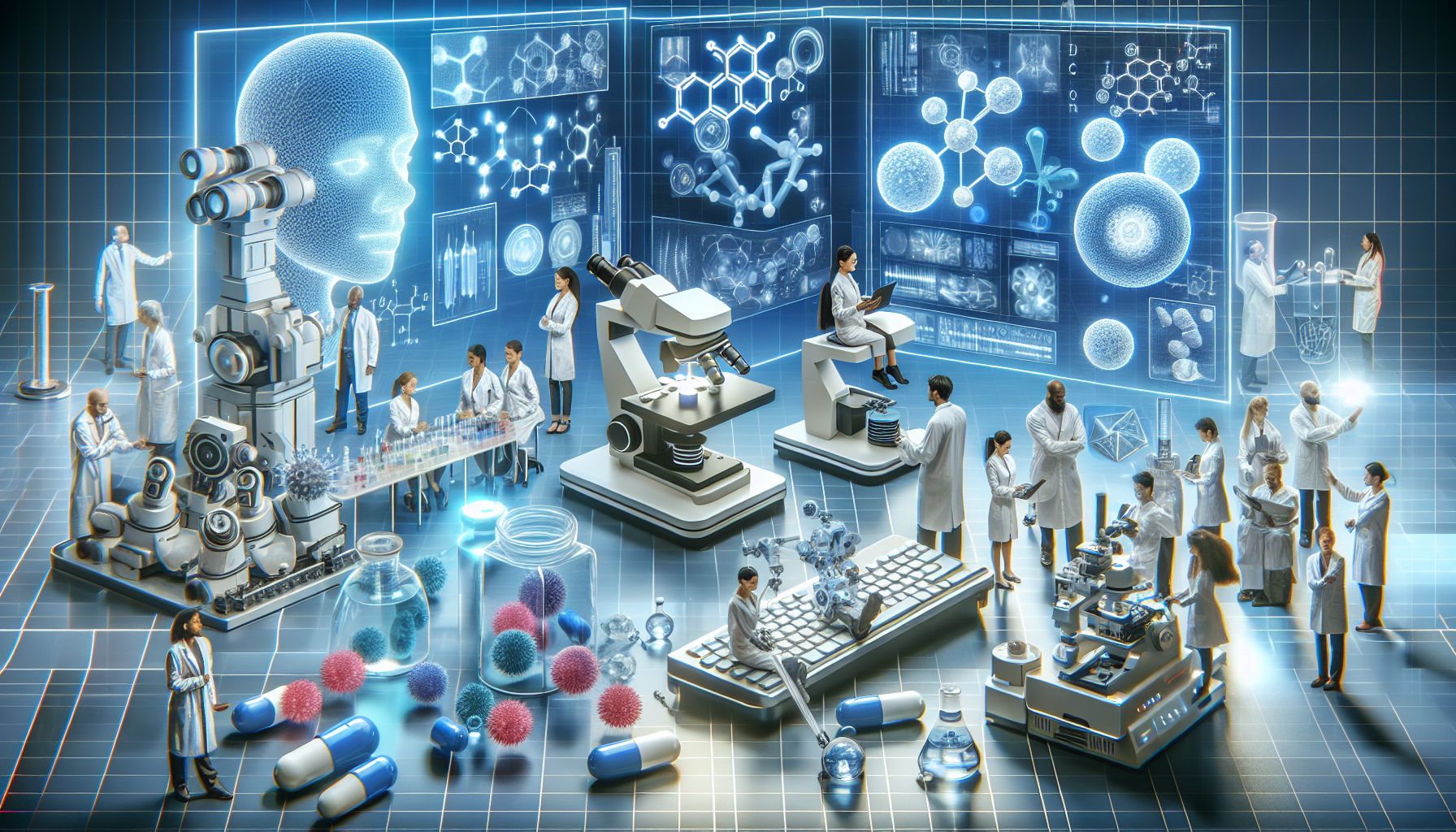
In recent years, technology has revolutionized every aspect of our lives, including the pharmaceutical industry. From drug discovery to patient care, advancements in technology have greatly impacted the way pharmaceutical products are developed, tested, and distributed.
One of the most significant ways technology has transformed the pharmaceutical industry is through the use of artificial intelligence and machine learning. These tools have enabled researchers to analyze vast amounts of data, identify patterns, and develop new drugs more efficiently than ever before. By utilizing AI, pharmaceutical companies can significantly reduce the time and cost of drug discovery, ultimately leading to the development of more effective treatments for various diseases.
In addition to drug discovery, technology has also improved the way pharmaceutical products are tested and monitored. For example, wearable devices and mobile apps can now track patients’ vital signs, medication adherence, and overall health in real-time. This data can be analyzed to provide personalized treatment plans and improve patient outcomes. Furthermore, advancements in telemedicine allow patients to consult with healthcare providers remotely, making healthcare more accessible and convenient for individuals around the world.
Moreover, technology has transformed the way pharmaceutical products are manufactured and distributed. Automated processes and robotics have streamlined production, leading to faster and more efficient manufacturing of drugs. Additionally, blockchain technology is being used to track and authenticate pharmaceutical products throughout the supply chain, reducing the risk of counterfeit drugs entering the market.
However, with the benefits of technology in the pharmaceutical industry also come challenges. Issues such as data privacy, cybersecurity, and regulatory compliance must be carefully navigated to ensure the safety and efficacy of pharmaceutical products. As the industry continues to evolve, it will be crucial for pharmaceutical companies to prioritize these concerns and implement robust measures to protect patient data and ensure the integrity of their products.
In conclusion, the intersection of technology and pharmaceutical products has brought about significant advancements in drug discovery, patient care, manufacturing, and distribution. From AI-driven drug development to telemedicine and blockchain technology, the possibilities for innovation are endless. As technology continues to evolve, the pharmaceutical industry must adapt and embrace these changes to improve patient outcomes and address global healthcare challenges. Ultimately, the collaboration between technology and pharmaceuticals has the potential to revolutionize healthcare and save countless lives.
The Impact of Technology on Pharmaceutical Products
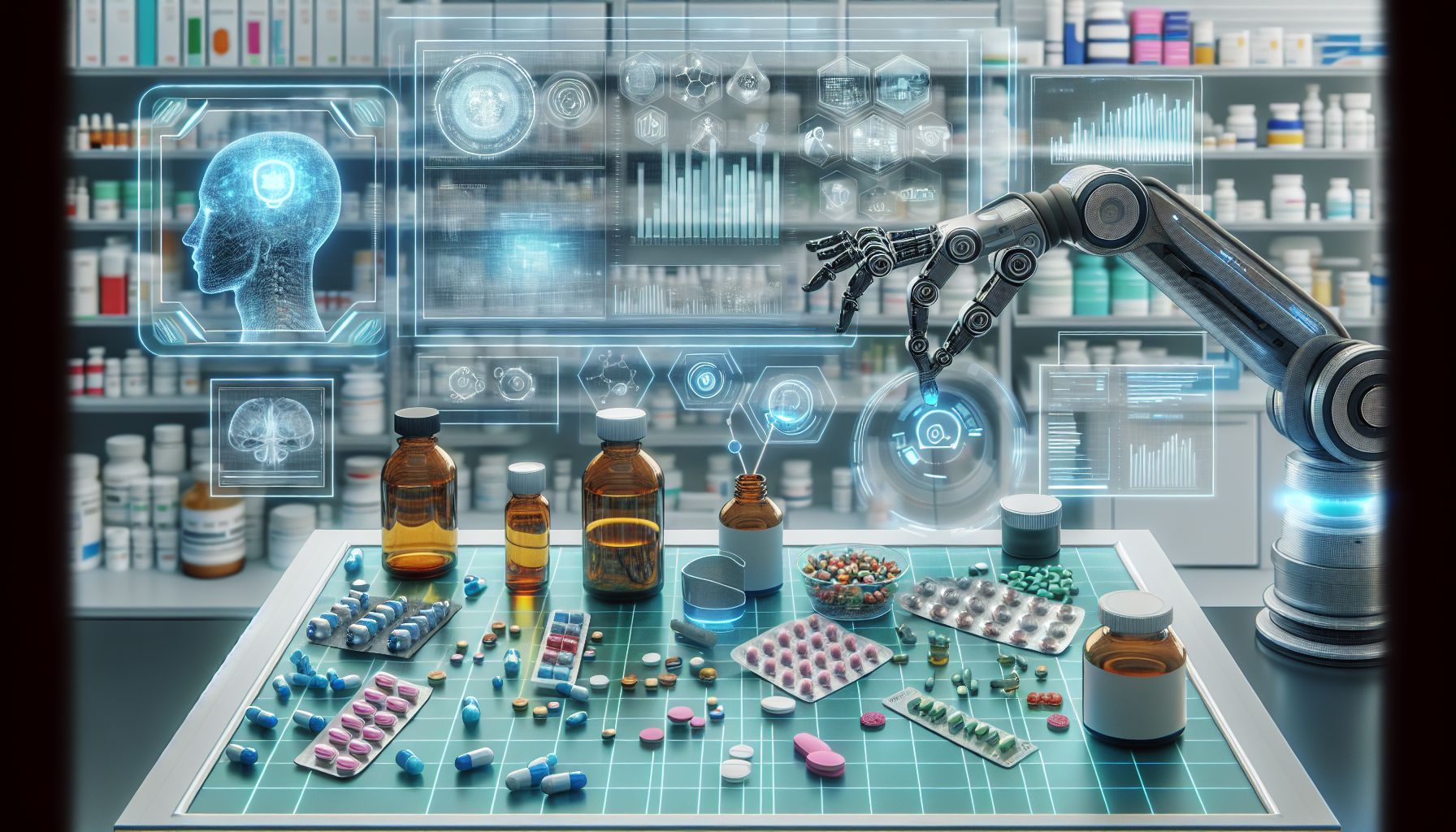
In recent years, technology has been rapidly transforming the pharmaceutical industry, leading to a plethora of new and innovative products. These advancements have not only revolutionized the way drugs are developed, but have also improved the quality and effectiveness of pharmaceutical products. In this article, we will explore some of the key ways in which technology has influenced the pharmaceutical industry.
One of the most significant ways in which technology has impacted pharmaceutical products is through the development of new drug delivery systems. These systems utilize cutting-edge technology to enhance the efficacy of drugs, while minimizing side effects and improving patient compliance. For example, nanotechnology has enabled the creation of nanoparticles that can deliver drugs directly to targeted areas within the body, allowing for more precise and effective treatment of diseases.
In addition to drug delivery systems, technology has also transformed the process of drug development. Through the use of artificial intelligence and machine learning, researchers are able to analyze vast amounts of data to identify potential drug candidates more quickly and accurately than ever before. This has led to the development of new drugs for a wide range of diseases, including cancer, Alzheimer’s, and diabetes.
Furthermore, technology has played a crucial role in improving the safety and efficacy of pharmaceutical products. For instance, the use of 3D printing technology has made it possible to create personalized drug formulations that are tailored to individual patient needs. This not only ensures that patients receive the right dosage of medication, but also minimizes the risk of adverse reactions.
Moreover, advancements in technology have enabled pharmaceutical companies to enhance the quality control of their products. Through the use of automation and robotics, manufacturers can streamline the production process and ensure that drugs are manufactured to the highest standards of quality and consistency. This has helped to reduce the incidence of recalls and improve patient safety.
In conclusion, technology has had a profound impact on the pharmaceutical industry, leading to the development of new and innovative products that are safer, more effective, and more personalized than ever before. As technology continues to evolve, we can expect to see even more advancements in the field of pharmaceuticals, ultimately improving the health and well-being of individuals around the world.