Posts in Category: Blog
How Technology is Transforming the Pharmaceutical Industry
The pharmaceutical industry plays a crucial role in society, as it develops and manufactures drugs to prevent, diagnose, and treat diseases. Over the past few decades, technological advancements have revolutionized various sectors, and the pharmaceutical industry is no exception. With the help of technology, pharmaceutical products are becoming more innovative, effective, and accessible than ever before. This article will explore the ways in which technology is transforming pharmaceutical products.
Improved Research and Development
Technology has greatly enhanced the research and development process in the pharmaceutical industry. High-performance computing enables scientists to analyze vast amounts of biological data and identify potential drug targets. With the emergence of artificial intelligence, machine learning algorithms can now be employed to quickly screen compounds and predict their effectiveness, saving both time and resources. Additionally, virtual simulations and modeling techniques allow researchers to conduct experiments in a virtual environment, speeding up the design and testing of new drugs.
Enhanced Drug Delivery
Advancements in technology have also led to significant improvements in drug delivery systems. Traditional oral capsules and injections are no longer the only options available. Smart pills, tiny electronic devices that can be ingested, are being developed to monitor patients’ health conditions and deliver medication at the right time and dosage. Nanotechnology has also paved the way for targeted drug delivery, where medicines can be delivered directly to a specific area of the body, increasing their efficacy and reducing side effects.
Better Patient Care
Technology has not only impacted the development of pharmaceutical products but also improved patient care. Mobile apps and wearable devices, such as fitness trackers and smartwatches, can collect real-time data on patients’ vital signs, physical activity, and sleep patterns. This data can be shared with healthcare professionals, enabling personalized treatment plans and remote monitoring of patients. Telemedicine, another technological advancement, allows patients to consult with doctors through video calls, eliminating the need for physical appointments, and reducing waiting times.
Increased Safety and Efficiency
With the integration of technology, pharmaceutical products have become safer and more efficient. Electronic prescribing systems have replaced paper prescriptions, minimizing errors and ensuring accurate medication. Real-time monitoring of drug manufacturing processes has enhanced quality control and reduced the production of counterfeit drugs. Intelligent automation and robotics have also made drug production faster and more precise, reducing human error and increasing efficiency.
Conclusion
Technology has undoubtedly transformed the pharmaceutical industry, making it more innovative, efficient, and patient-centric. From improved research and development to enhanced drug delivery and better patient care, the advancements in technology have revolutionized the way pharmaceutical products are developed and used. As technology continues to evolve, we can expect further advancements in the industry, leading to even more groundbreaking discoveries and treatments for diseases.
The Intersection of Technology and Pharmaceutical Products
As technology continues to advance at an unprecedented pace, it has become increasingly intertwined with various industries, and the pharmaceutical sector is no exception. This integration has opened up a world of possibilities, revolutionizing the way drugs are developed, manufactured, and delivered to patients. In this article, we will explore how technology has transformed pharmaceutical products, ultimately benefiting the healthcare industry.
Streamlined Research and Development
Traditionally, the process of discovering and developing new drugs was a time-consuming and expensive endeavor. However, with the advent of technology, the pharmaceutical industry has been able to speed up this process significantly. Advanced computer algorithms and data analysis have made it possible to quickly identify potential drug targets and predict the success rate of various compounds, saving countless hours of manual labor.
Additionally, technology has enabled the utilization of various high-throughput screening techniques. These methods can quickly test thousands of compounds, significantly increasing the chances of finding potential drug candidates. Furthermore, sophisticated simulations and modeling techniques allow scientists to predict the behavior of a drug within the human body, helping to identify potential side effects and optimize therapeutic benefits.
Enhanced Manufacturing Processes
Efficient and reliable production processes are essential for the pharmaceutical industry. The integration of technology has automated many manufacturing processes, ensuring quality, consistency, and scalability. Robotics and automation have minimized human errors and improved efficiency in tasks such as drug formulation, packaging, and labeling. This not only increases productivity but also reduces costs and enhances the safety of pharmaceutical products.
Additionally, technology has led to the development of continuous manufacturing, where drugs are produced in a continuous flow rather than a batch process. This approach eliminates the need for large-scale storage, streamlines the supply chain, and allows for faster response times to meet market demands. Ultimately, continuous manufacturing optimizes the overall production process, resulting in more accessible and affordable pharmaceutical products.
Personalized Medicine and Drug Delivery
Advancements in technology have made it possible to customize healthcare treatments based on individual patient characteristics. This concept, known as personalized medicine, is transforming how pharmaceutical products are developed and delivered. Genomic sequencing and analysis, combined with artificial intelligence, allow for identification of specific genetic markers, enabling tailored drug therapies to be developed for patients with specific diseases or conditions.
Moreover, technology has also paved the way for innovation in drug delivery systems. Smart devices, such as wearable sensors and implanted devices, can track patient data in real-time, enabling remote monitoring and adjustment of drug dosages. These devices not only improve patient compliance but also enhance treatment efficacy by ensuring the right amount of medication is delivered at the right time.
Conclusion
The integration of technology and pharmaceutical products has had a profound impact on the healthcare industry. Through streamlined research and development processes, enhanced manufacturing techniques, and personalized medicine and drug delivery, technology continues to improve the accessibility, efficiency, and effectiveness of pharmaceutical products. As technology continues to evolve, so too will the capabilities of the pharmaceutical industry, marking an exciting era of innovation and advancements in patient care.
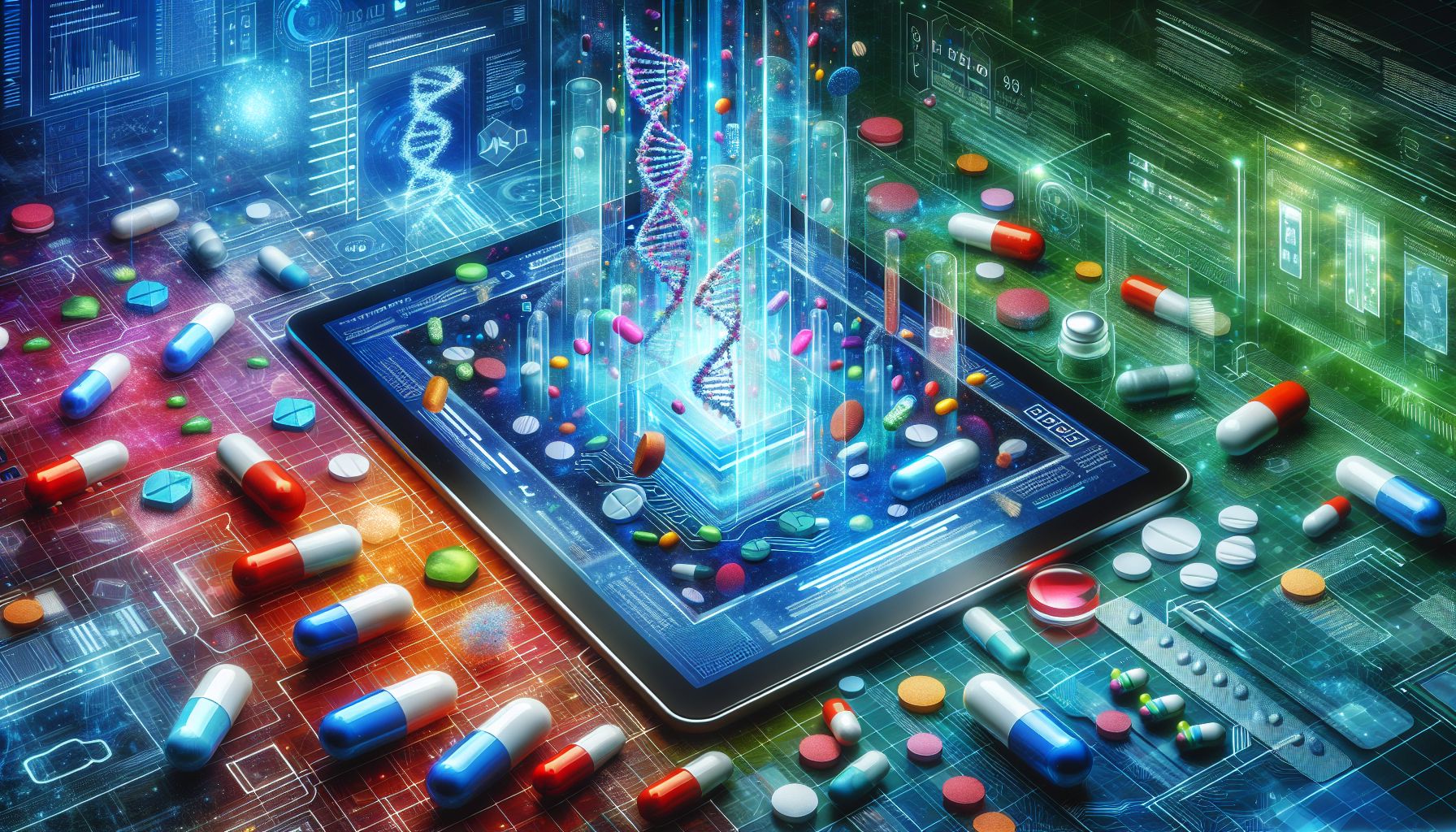
The Intersection of Technology and Pharmaceutical Products
Technology has revolutionized almost every aspect of our lives, and the pharmaceutical industry is no exception. From improved research and development processes to enhanced drug delivery systems, the convergence of technology and pharmaceutical products has opened up unprecedented possibilities. In this article, we will explore how technology has transformed the pharmaceutical industry and the ways it benefits both patients and healthcare professionals.
Enhanced Research and Development
One of the key areas where technology has significantly impacted the pharmaceutical industry is in the domain of research and development. Advanced technologies such as artificial intelligence, big data analytics, and virtual reality have accelerated the drug discovery process. These tools help researchers analyze large volumes of data, identify potential drug targets, and simulate drug interactions.
By harnessing these technological advancements, pharmaceutical companies can improve the efficiency and effectiveness of their research efforts. Drug discovery, which previously took years, can now be expedited, potentially leading to breakthroughs in treatment for various diseases.
Personalized Medicine
Technology has also paved the way for personalized medicine, tailoring treatments to the specific needs of individual patients. With advancements in genetic testing, doctors can now identify genetic markers that influence a person’s response to medications. This allows for the development of personalized treatment plans, ensuring patients receive the most effective and efficient care.
Additionally, wearable devices and mobile health apps have made it easier for patients to monitor their health and track medication adherence. These innovative technologies give healthcare professionals real-time data, allowing them to make informed decisions and provide personalized recommendations.
Improving Drug Delivery Systems
Technology has transformed drug delivery systems, improving patient comfort and adherence to medication regimes. Advancements in nanotechnology have enabled the development of targeted drug delivery systems, delivering medications directly to the affected area while minimizing side effects on healthy cells.
Moreover, smart pill technologies have emerged, incorporating sensors and wireless communication to track medication ingestion. These digital pills can provide invaluable insights into patient compliance with medication regimens, helping healthcare providers adjust treatments as needed.
Ensuring Safety and Efficacy
Technology plays a vital role in ensuring the safety and efficacy of pharmaceutical products. Automation and robotics have streamlined manufacturing processes, minimizing human errors and contamination risks. Furthermore, electronic medical records and digital systems enable healthcare professionals to access accurate patient information promptly, reducing the chance of adverse drug interactions.
Moreover, technology has improved the monitoring of post-market drug safety. The use of big data analytics allows for the identification of potential side effects or adverse drug reactions, ensuring timely interventions and regulatory actions when necessary.
Conclusion
As technology continues to evolve, the intersection between technology and pharmaceutical products holds immense potential for advancements in healthcare. From improved research and development to personalized medicine and enhanced drug delivery systems, technology provides tools to meet the ever-growing demands of the pharmaceutical industry. By harnessing these innovations, pharmaceutical companies can bring life-saving treatments to patients faster and ensure better healthcare outcomes for all.
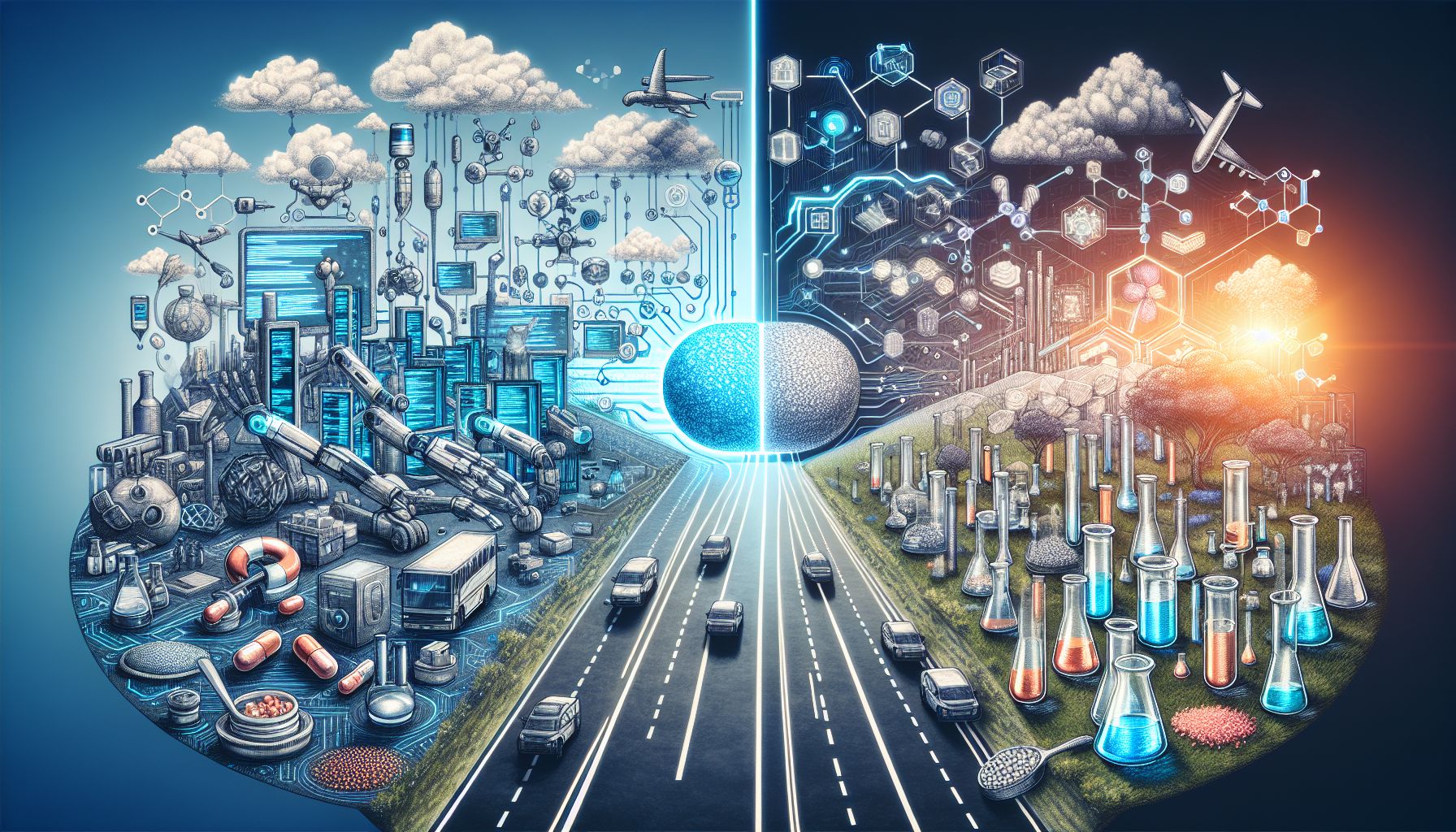
The Intersection of Technology and Pharmaceutical Products
In today’s rapidly advancing world, technology has permeated every aspect of our lives. From the way we communicate to how we work and play, technology has transformed the way we function as a society. One industry that has greatly benefited from the integration of technology is the pharmaceutical sector. Technological advancements have revolutionized the production, distribution, and consumption of pharmaceutical products, leading to improved healthcare outcomes and patient experiences.
Improved Research and Development
The marriage of technology and pharmaceuticals has significantly accelerated the process of research and development (R&D). With the help of innovative technologies like artificial intelligence (AI), machine learning, and big data analytics, pharmaceutical companies can now sift through vast amounts of data and identify patterns and potential drug targets more efficiently.
AI algorithms can analyze patient data from clinical trials, electronic health records, and scientific journals to uncover valuable insights. This has led to the discovery and development of new and more effective drugs, enabling pharmaceutical companies to deliver faster and more targeted treatments to patients.
Personalized Medicine
Another exciting advancement brought about by technology is the concept of personalized medicine. With the advent of genetic testing and precision medicine, doctors can now tailor treatment plans to match an individual’s unique genetic makeup. This level of personalization ensures that patients receive the most effective and appropriate medications, avoiding potentially harmful side effects or unnecessary treatments.
Furthermore, wearable devices and mobile health applications have empowered individuals to monitor their own health and make informed decisions. From fitness trackers to mobile apps that remind patients to take their medications, technology has enabled individuals to actively participate in their own healthcare management.
Enhanced Drug Delivery and Accessibility
Technology has also revolutionized drug delivery methods, making medications more accessible, convenient, and efficient. For instance, the development of transdermal patches and implantable devices has eliminated the need for frequent injections or daily pill intake. These alternative delivery systems offer a more comfortable and discreet experience for patients while ensuring controlled and sustained release of medication.
Additionally, telemedicine has become increasingly popular, especially in remote areas where access to healthcare facilities is limited. Through video consultations and remote monitoring, patients can receive medical advice, monitoring, and prescription services without having to travel long distances.
Conclusion
The integration of technology and pharmaceuticals has undoubtedly transformed the healthcare landscape. From accelerated research and development to personalized medicine and enhanced drug delivery, technology has revolutionized the pharmaceutical industry, leading to improved health outcomes and greater accessibility for patients worldwide.
As technology continues to advance at a rapid pace, the possibilities for innovation in the pharmaceutical industry are endless. With ongoing developments in areas like nanotechnology, 3D printing of medications, and telemedicine, we can expect even more groundbreaking advancements that will shape the future of healthcare and pharmaceutical products.

The Marriage of Technology and Pharmaceutical Products
The future of medicine lies at the intersection of technology and pharmaceutical products. As we embrace digital advancements, the healthcare industry has seen remarkable improvements in patient care, drug development, and the overall efficiency of healthcare systems. This article will explore the evolving relationship between technology and pharmaceutical products and the consequential impact on medicine.
The Role of Technology in Drug Development
Innovation in drug discovery and development has been greatly accelerated by technological advancements. Traditional drug discovery methods can be time-consuming and expensive, with a high rate of failure. However, the use of artificial intelligence (AI) and machine learning algorithms has revolutionized this process.
Through the analysis of vast amounts of data and the identification of patterns, AI can predict drug candidates and their potential efficacy. This allows pharmaceutical companies to streamline the early stages of drug development, accelerating the identification of promising compounds. Furthermore, technology has enhanced the efficiency of clinical trials by improving patient recruitment, data analysis, and monitoring.
Enhancing Patient Care with Technological Solutions
Technology has also transformed patient care, empowering individuals to take a more active role in managing their health. Wearable devices and mobile applications have become increasingly popular, offering personalized health tracking, reminders for medication intake, and the ability to consult healthcare professionals remotely. These advancements have greatly improved patients’ quality of life, as they can now access healthcare services from the comfort of their homes.
Moreover, the integration of technology with pharmaceutical products has enabled the development of “smart” medications. These smart drugs contain sensors or trackers that provide real-time data on medication adherence, dosage, and patient response. This information can be crucial in identifying potential issues and adjusting treatments accordingly, leading to more effective and personalized care.
Revolutionizing Healthcare Systems
Technology has introduced profound changes in healthcare systems, improving both efficiency and accessibility. Electronic health records (EHRs) have streamlined the sharing of patient information between healthcare providers, reducing errors and improving coordination of care. Furthermore, telemedicine and telepharmacy services have expanded access to healthcare in remote areas, enabling patients to receive medical advice and obtain medications without having to travel long distances.
Robotic automation has also impacted the pharmaceutical industry, reducing the risk of errors in the manufacturing and distribution of medications. Automated systems can accurately package and label drugs, minimizing the occurrence of medication errors caused by human intervention.
Conclusion
The synergy between technology and pharmaceutical products has opened up a world of possibilities in medicine. From improving drug development processes to enhancing patient care and revolutionizing healthcare systems, the integration of technology has transformed the way we approach healthcare.
As we move forward, it is crucial for pharmaceutical companies, healthcare providers, and regulatory bodies to collaborate closely to harness the full potential of technology in medicine. By embracing these advancements, we can expect further breakthroughs that will ultimately save lives and improve the well-being of individuals worldwide.
Transforming Healthcare: The Intersection of Technology and Pharmaceutical Products
Advancements in technology have revolutionized various industries, and healthcare is no exception. The dynamic partnership between technology and pharmaceutical products has opened up new possibilities, transforming the way we approach healthcare. From innovative research methods to personalized treatments, this collaboration holds immense potential in improving patient outcomes and overall well-being.
Harnessing the Power of Data
One of the key aspects of this synergy is the ability to harness and analyze vast amounts of data. With the rise of electronic health records and wearable devices, healthcare providers can now access real-time data that allows for more accurate diagnoses and personalized treatment plans. Technology has made it possible to track patient symptoms, monitor vital signs, and even predict health-related events. This data-driven approach not only aids physicians in decision-making but also enables patients to actively participate in their own care.
Streamlining Drug Development
Pharmaceutical companies heavily rely on technology to streamline their drug development process. Through the use of artificial intelligence (AI) and machine learning, scientists can sift through large datasets to identify potential drug targets, significantly reducing the time and cost required for development. Additionally, technology enables virtual trials and simulations, making the recruitment of participants more efficient and reducing the need for physical testing.
Enhancing Medication Adherence
Adherence to medication is a crucial factor for the successful treatment of various conditions. Technology plays a pivotal role in ensuring patients stick to their prescribed regimens. Smart pill dispensers, for example, provide reminders, dispense the correct dosage, and even monitor consumption, preventing missed doses and overdoses. Mobile applications also offer features like medication tracking, personalized schedules, and educational resources to empower patients and promote adherence.
Personalized Medicine and Precision Therapy
Another exciting outcome of the collaboration between technology and pharmaceutical products is the advancement of personalized medicine. By analyzing an individual’s genetic makeup, lifestyle factors, and specific biomarkers, healthcare providers can tailor treatments to meet individual needs. This precision approach not only enhances treatment efficacy but also minimizes side effects, increasing overall patient satisfaction.
Telemedicine and Remote Patient Monitoring
The integration of technology in healthcare has paved the way for telemedicine and remote patient monitoring, especially relevant during times of crisis such as the COVID-19 pandemic. Patients can now connect with healthcare providers virtually, regardless of their location, and receive timely medical advice. Remote monitoring devices allow physicians to track patients’ conditions in real-time, reducing hospital readmissions and enabling early interventions.
Conclusion
The synergy between technology and pharmaceutical products is redefining healthcare, empowering both healthcare providers and patients. Through harnessing the power of data, streamlining drug development, enhancing medication adherence, advancing personalized medicine, and facilitating remote healthcare, technology has the potential to revolutionize patient care. As we move forward, it is crucial for healthcare professionals and technology developers to collaborate and continue to explore innovative solutions that improve health outcomes, making healthcare accessible and effective for all.
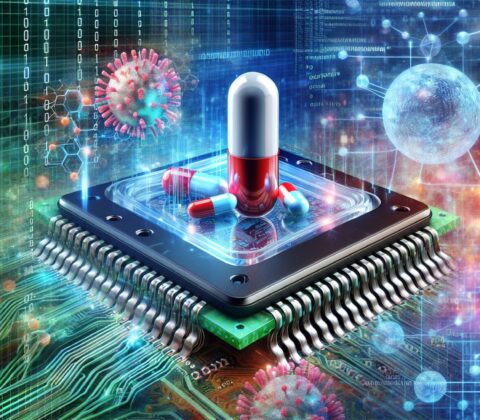
**The Fusion of Technology and Pharmaceutical Products**
Technology has revolutionized almost every aspect of our lives, and the pharmaceutical industry is no exception. From drug discovery and development to patient care and monitoring, technology has played a vital role in advancing pharmaceutical products. This merger between technology and pharmaceuticals has not only facilitated scientific breakthroughs but has also transformed the way we diagnose, treat, and prevent diseases.
Advancements in Drug Discovery and Development
Historically, the process of drug discovery and development was lengthy, tedious, and costly. However, technology has drastically changed this landscape. High-throughput screening, bioinformatics, and artificial intelligence are some of the cutting-edge technologies that have expedited the drug discovery process. Through high-throughput screening, thousands of potential drug candidates can be tested simultaneously, significantly reducing the time and resources required to identify effective compounds.
Moreover, bioinformatics and big data analysis have become indispensable tools in pharmaceutical research. They enable scientists to analyze vast amounts of genomic data, identify potential drug targets, and predict drug efficacy. Artificial intelligence, on the other hand, can analyze complex patterns in data, aiding in the prediction of drug-drug interactions and side effects before testing on humans. These technological advancements have greatly enhanced the efficiency and success rate of drug discovery and development.
Digital Health and Personalized Medicine
Technology has immensely transformed healthcare by ushering in the era of digital health and personalized medicine. Innovative devices and applications have been developed to improve patient monitoring, diagnosis, and treatment. Wearable devices, such as fitness trackers and smartwatches, not only monitor vital signs but also provide valuable data to healthcare professionals, aiding in disease prevention and management.
Additionally, the advent of telemedicine has revolutionized healthcare accessibility, particularly in remote areas. Patients can now consult with doctors remotely through video conferences and receive prompt medical advice, reducing the need for physical visits and improving patient outcomes.
Personalized medicine, enabled by technology, takes into account an individual’s unique genetic makeup and health data to tailor treatment plans specifically for them. This approach has shown promising results, particularly in areas such as cancer treatment, where targeted therapies have revolutionized patient care.
Challenges and Ethical Considerations
Despite the numerous benefits, the fusion of technology and pharmaceutical products also poses challenges and ethical considerations. Data privacy and security are of utmost concern, as the use of technology involves the collection and storage of sensitive health information. Stricter regulations and measures to ensure data protection are crucial to maintain patient trust and privacy.
Moreover, the rapid pace of technological advancements requires constant adaptation and learning from healthcare professionals. Continuous education and training programs must be implemented to equip healthcare providers with the knowledge and skills necessary to utilize technology effectively in their practices.
Conclusion
Technology’s integration into pharmaceutical products has revolutionized drug discovery, personalized medicine, and patient care. The fusion of technology and pharmaceuticals has not only accelerated the process of finding new therapies but has also improved patient outcomes and healthcare accessibility. As technology continues to advance, it is crucial that we address the associated challenges and ethical considerations to fully harness the potential of this powerful relationship. With the right approach, technology can continue to serve as a catalyst for scientific breakthroughs and advancements in pharmaceutical products.
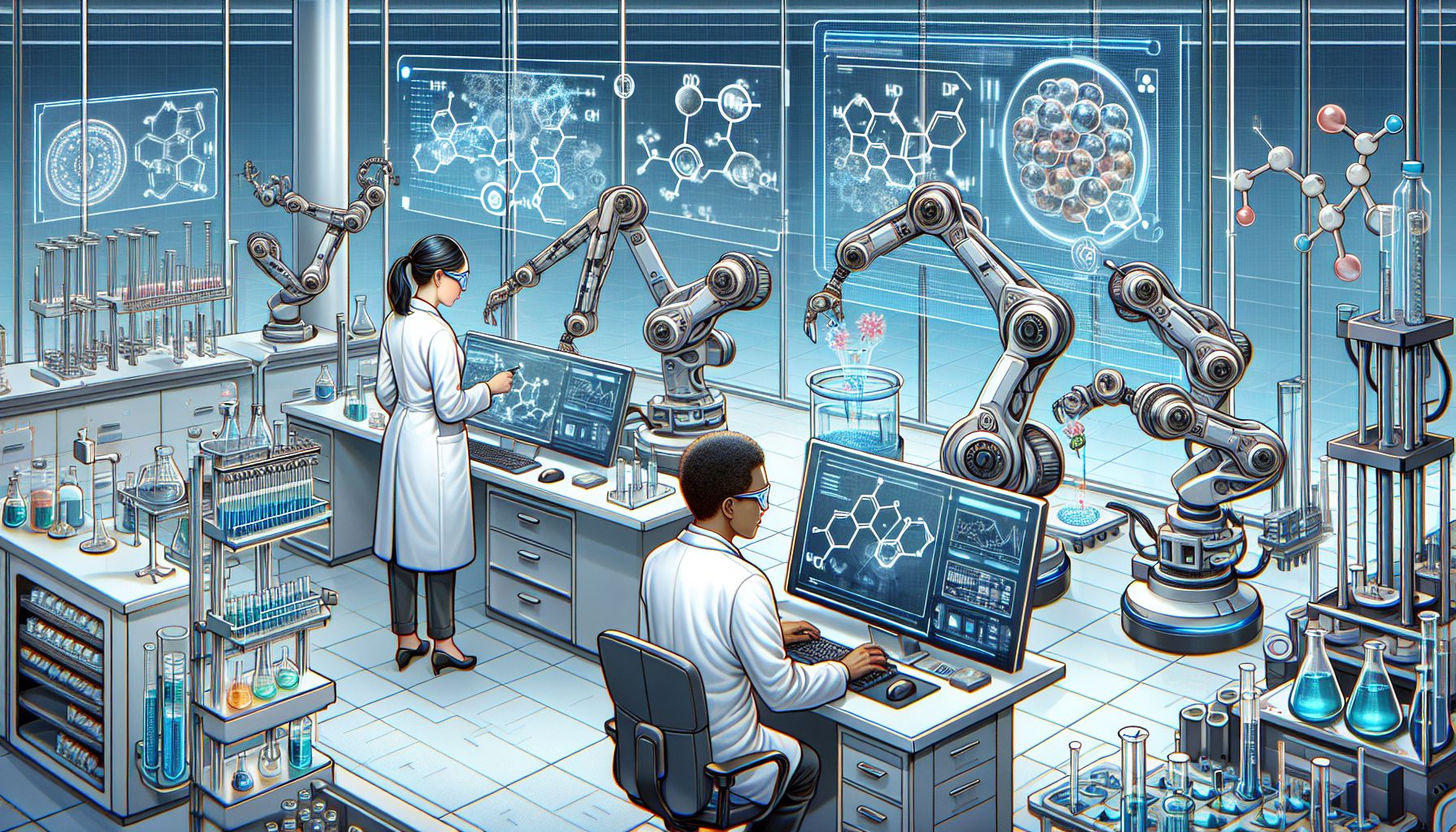
Advancements in Technology: Revolutionizing Pharmaceutical Products
With the rapid progress in technology, various industries have experienced significant transformations, and the pharmaceutical sector is no exception. From research and development to manufacturing and distribution, technology has paved the way for groundbreaking innovations in pharmaceutical products. This article explores how technology is reshaping the pharmaceutical industry and the resulting benefits for both patients and professionals.
Advancements in Research and Development
The use of technology in research and development (R&D) has revolutionized the pharmaceutical industry. With the help of advanced tools and techniques, scientists are now able to accelerate the process of drug discovery. High-performance computing enables complex and time-consuming calculations to be completed in a fraction of the time previously required. Similarly, machine learning algorithms assist in the analysis of vast amounts of data, allowing researchers to identify potential drug candidates more efficiently.
Furthermore, technology has enhanced the process of clinical trials. Electronic data capture systems and wearable devices have made data collection more accurate and streamlined, eliminating the conventional pen-and-paper method. Real-time monitoring is now possible, ensuring a deeper understanding of a drug’s effects and efficacy. These advancements in R&D have significantly reduced the time it takes for new pharmaceutical products to reach the market, ultimately benefiting patients in need.
Manufacturing and Quality Control
Incorporating technology into pharmaceutical manufacturing has transformed the production process, leading to enhanced efficiency and safety. Automated systems and robotics are replacing manual labor in certain aspects of manufacturing, minimizing the risk of human errors. With the help of machine vision systems, the identification and sorting of different components have become more accurate and reliable.
Furthermore, technology plays a crucial role in ensuring the quality control of pharmaceutical products. Automated systems monitor the production process, detecting any deviations from the desired standards. Real-time data analysis enables immediate adjustment and intervention, reducing the likelihood of defective products reaching the market. This increased vigilance ensures that patients receive safe and effective medications.
Improving Patient Care
Technology has also transformed the way patients receive and manage their medications. The development of telehealth and mobile applications allows patients to connect with healthcare professionals remotely, making healthcare more accessible and convenient. Drug tracking technologies help patients adhere to their medication schedules, reducing the risk of missed doses and subsequent complications. Furthermore, the Internet of Things (IoT) enables the collection of patient data, providing valuable insights and facilitating personalized treatment plans.
Conclusion
As technology continues to advance, its impact on the pharmaceutical industry becomes increasingly evident. From expediting the drug discovery process to improving manufacturing efficiency and enhancing patient care, technology has revolutionized pharmaceutical products. The integration of technology has not only accelerated the development of new medications but has also provided healthcare professionals with tools to deliver better care. With continuous advancements, the possibilities for further innovation in the pharmaceutical sector are endless, promising an even brighter future for healthcare.
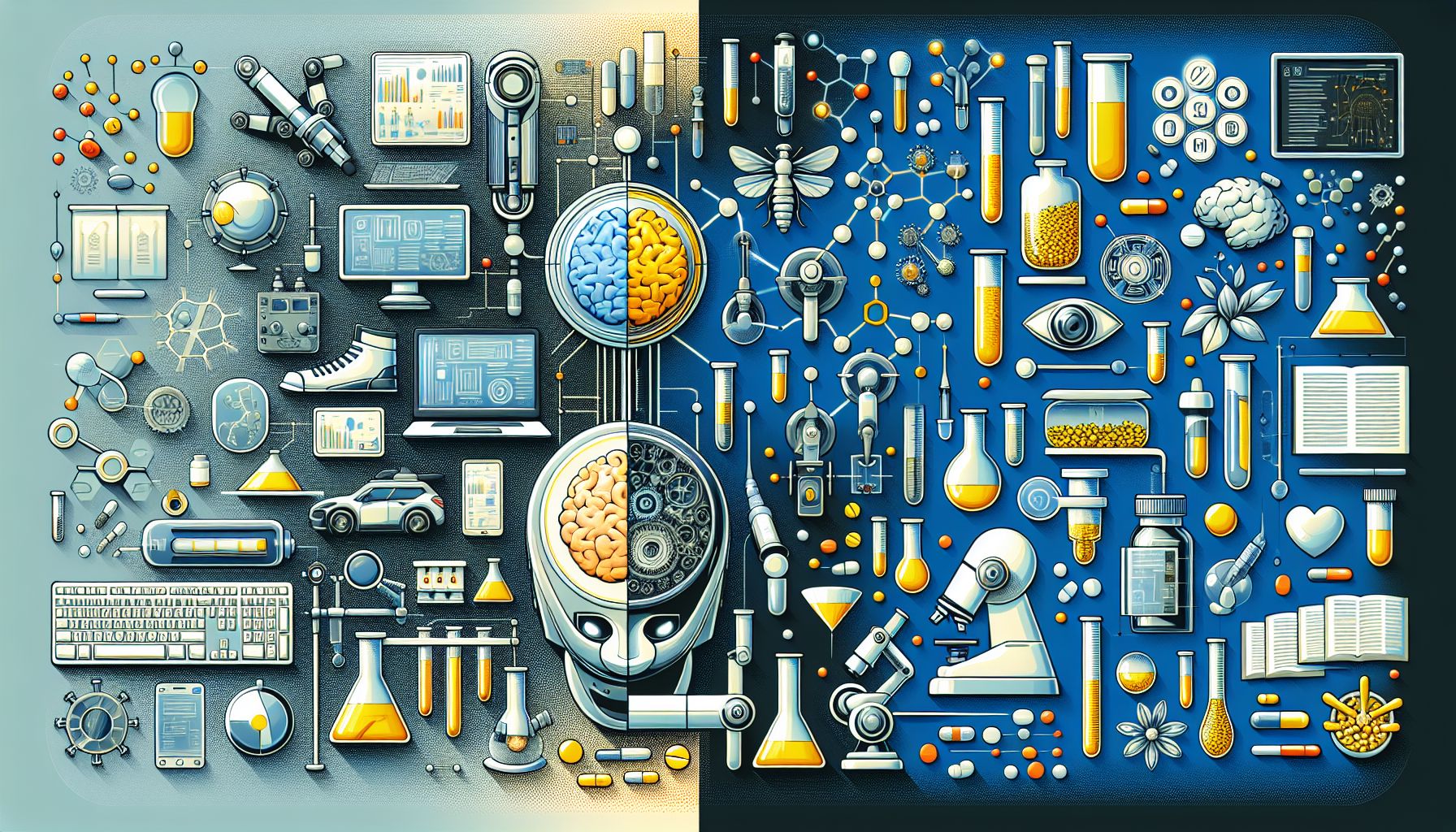
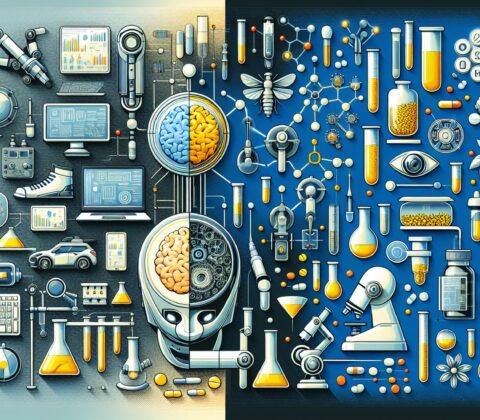
The Intersection of Technology and Pharmaceutical Products
As technology continues to advance at an unprecedented rate, it is not surprising that it has found its way into every aspect of our lives. One field where technology has had a profound impact is in the development and manufacturing of pharmaceutical products. Technology has revolutionized the way drugs are discovered, tested, and produced, leading to more effective and efficient treatments for various diseases and conditions.
The Advent of Artificial Intelligence
One of the most notable advancements in technology that has transformed the pharmaceutical industry is the use of artificial intelligence (AI). AI algorithms are capable of analyzing massive amounts of data and identifying patterns that humans may miss. In drug discovery, AI can quickly sift through vast databases and predict the potential effectiveness of various chemical compounds in treating specific diseases. This significantly speeds up the research process, saving both time and resources.
Enhanced Drug Testing and Clinical Trials
Technology has also improved the drug testing and clinical trial process. Through the use of machine learning and predictive modeling, researchers can better predict how drugs will interact with specific patient populations. This helps identify potential adverse reactions and allows for safer and more targeted clinical trials. Moreover, the integration of wearable devices and sensors in clinical trials enables real-time collection of patient data, providing researchers with a more comprehensive understanding of how drugs affect individuals.
Streamlined Manufacturing and Quality Control
In the manufacturing phase, technology has enabled the pharmaceutical industry to streamline production processes and enhance quality control. Automation and robotics have minimized the risk of human error and increased production efficiency. Additionally, advancements in data analytics allow for real-time monitoring of production lines, ensuring adherence to strict quality standards and minimizing the likelihood of product recalls. The integration of IoT (Internet of Things) devices also enables pharmaceutical companies to track the location and condition of their products throughout the supply chain, reducing the risk of counterfeiting and maintaining product integrity.
The Future of Technology and Pharmaceuticals
As technology continues to evolve, the potential for its impact on the pharmaceutical industry is vast. Innovations such as 3D printing of personalized medications and the use of nanotechnology for targeted drug delivery are already on the horizon. Moreover, the increasing availability of big data and the use of machine learning algorithms hold significant promise for improving personalized medicine and tailoring treatments to individual patients.
In conclusion, the marriage of technology and pharmaceutical products has resulted in profound advancements in drug discovery, testing, and manufacturing. The integration of AI, machine learning, and robotics has made the process faster, more accurate, and safer, ultimately benefiting patients worldwide. As technology continues to advance, we can expect even more groundbreaking developments in the pharmaceutical industry leading to better health outcomes for all.
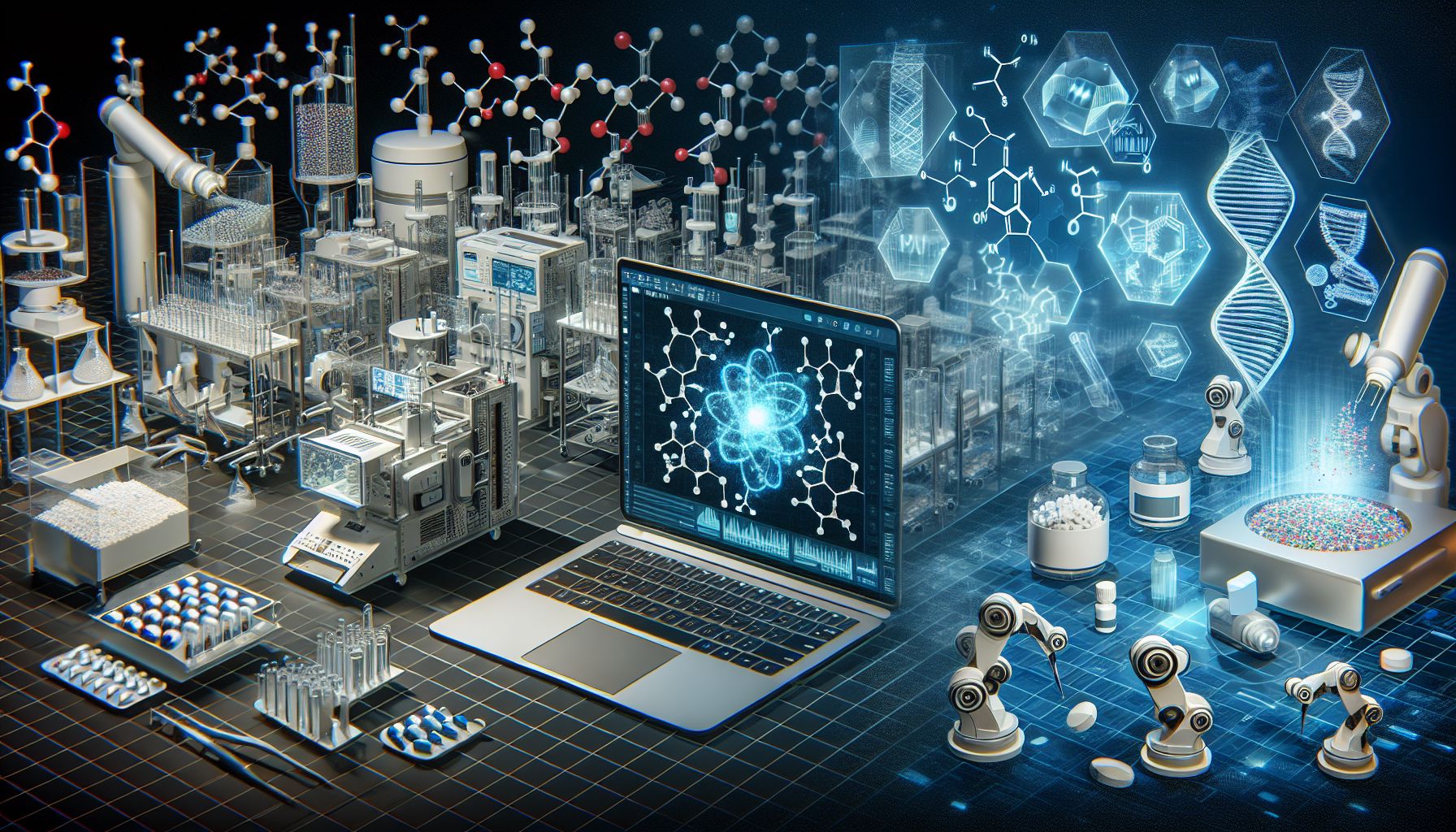
The Intersection of Technology and Pharmaceutical Products
In today’s rapidly evolving world, the marriage of technology and pharmaceutical products has revolutionized healthcare. From advanced drug discovery techniques to smart devices that enhance patient care, technology has become an indispensable tool in the pharmaceutical industry. Let’s delve into how these two domains intersect and the transformative impact they have on the well-being of individuals worldwide.
Enhancing Drug Discovery and Development
The discovery and development of new drugs are now accelerated with the aid of technology. Advanced computer algorithms analyze vast amounts of data, identifying potential molecules and their interactions with diseases. This computational modeling expedites the drug discovery process, reducing the time and cost associated with traditional trial and error methods.
Moreover, technology enables pharmaceutical companies to conduct virtual clinical trials. These trials, conducted remotely using digital platforms, provide researchers with real-time data from patients in diverse locations. This approach not only increases the efficiency of clinical trials but also enhances patient participation, making studies more inclusive and diverse.
Intelligent Manufacturing Systems
The integration of technology into pharmaceutical manufacturing processes has led to the implementation of intelligent systems that improve quality control and operational efficiency. Automation and robotics have replaced manual labor in many tasks, minimizing errors and reducing production times. These technologies facilitate precise dosage measurements, improve product consistency, and reduce the possibility of contamination.
Additionally, real-time monitoring systems allow manufacturers to track and analyze production processes, alerting them to potential deviations. With the continuous advancements in technology, pharmaceutical companies can automate quality control inspections, guaranteeing adherence to strict standards.
Connected Devices for Patient Care
The advent of connected devices, commonly referred to as the Internet of Medical Things (IoMT), has transformed the way patients receive healthcare. These devices collect and transmit patient data, keeping healthcare providers informed and alert in real-time. For example, smartwatches and fitness trackers monitor vital signs, sleep patterns, and physical activity, providing valuable insights for physicians.
Furthermore, medication adherence is greatly improved with the help of technology. Smart pill bottles and packaging send reminders to patients to take their medications on schedule. These devices can also track pill consumption, making it easier for healthcare professionals to assess patient compliance.
Conclusion
Technology’s integration into pharmaceutical products and processes has opened up new possibilities in drug discovery, manufacturing, and patient care. From efficient drug design and development to automated manufacturing systems and connected devices for patient monitoring, the intersection of technology and pharmaceuticals has successfully addressed various healthcare challenges. As the relationship between these two fields strengthens, we can anticipate further advances that will enhance the treatment and well-being of individuals worldwide.