Posts in Category: Blog
The Role of Technology in Advancing Pharmaceutical Products
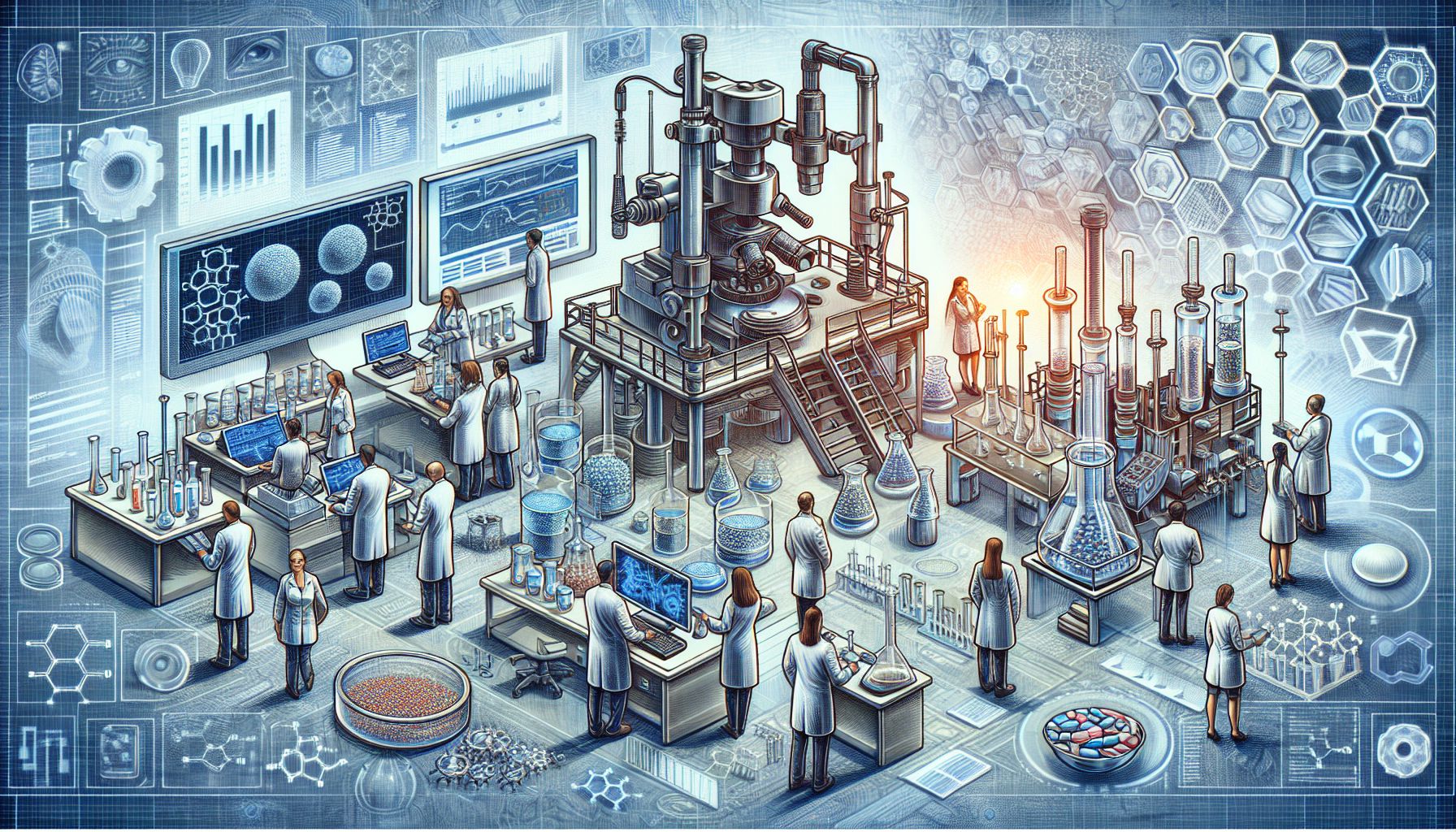
In today’s fast-paced digital world, technology has become an integral part of every industry, including healthcare. The pharmaceutical industry, in particular, has greatly benefited from technological advancements. From drug discovery to manufacturing and patient care, technology has revolutionized the way pharmaceutical products are developed and utilized. Let’s delve into how technology has impacted pharmaceutical products, ensuring better outcomes for both patients and healthcare providers.
Drug Discovery and Development
One of the most significant impacts of technology on pharmaceutical products is in the realm of drug discovery and development. Through the use of high-performance computing and advanced algorithms, researchers can now analyze vast amounts of data to identify potential drug candidates. This streamlined process has drastically reduced the time it takes to move from the discovery phase to clinical trials.
Additionally, virtual screening platforms now allow scientists to simulate and predict how a drug will interact with the human body. This enables researchers to discard ineffective candidates early on, saving both time and resources. The integration of artificial intelligence (AI) and machine learning algorithms further supports the identification and optimization of promising drug molecules.
Manufacturing and Quality Control
Technology has also enhanced the manufacturing and quality control processes in the pharmaceutical industry. Automated systems have replaced manual labor, improving efficiency and reducing the risk of human error. This not only expedites production but also ensures consistency in the formulation of medication.
Moreover, the implementation of real-time monitoring devices and sensors during manufacturing allows for continuous data collection. This data is crucial in identifying any deviations from standard operating procedures, facilitating proactive measures to maintain product quality. Ultimately, this results in safer and more effective pharmaceutical products reaching the market.
Improved Patient Care and Monitoring
Modern technology has revolutionized patient care through various means. Electronic health records (EHRs) have replaced traditional paper-based documentation, improving the accessibility and accuracy of patient information. This enables healthcare providers to make more informed decisions regarding medication, dosage, and treatment plans.
Additionally, telemedicine and remote monitoring devices have become increasingly popular, especially in the wake of the COVID-19 pandemic. Patients can now consult with healthcare professionals from the comfort of their own homes, reducing the need for in-person visits. Remote monitoring devices such as wearable sensors allow for continuous monitoring of vital signs and medication adherence, ensuring timely intervention and personalized care.
Conclusion
Technology has become an indispensable tool in the advancement of pharmaceutical products. From the discovery and development of new drugs to manufacturing and patient care, technological innovations have greatly improved efficiency, accuracy, and patient outcomes. As technology continues to evolve, we can anticipate further breakthroughs in the pharmaceutical industry. With a combination of human expertise and cutting-edge technology, the future of pharmaceutical products holds great promise for the betterment of global healthcare.

The Intersection of Technology and Pharmaceutical Products
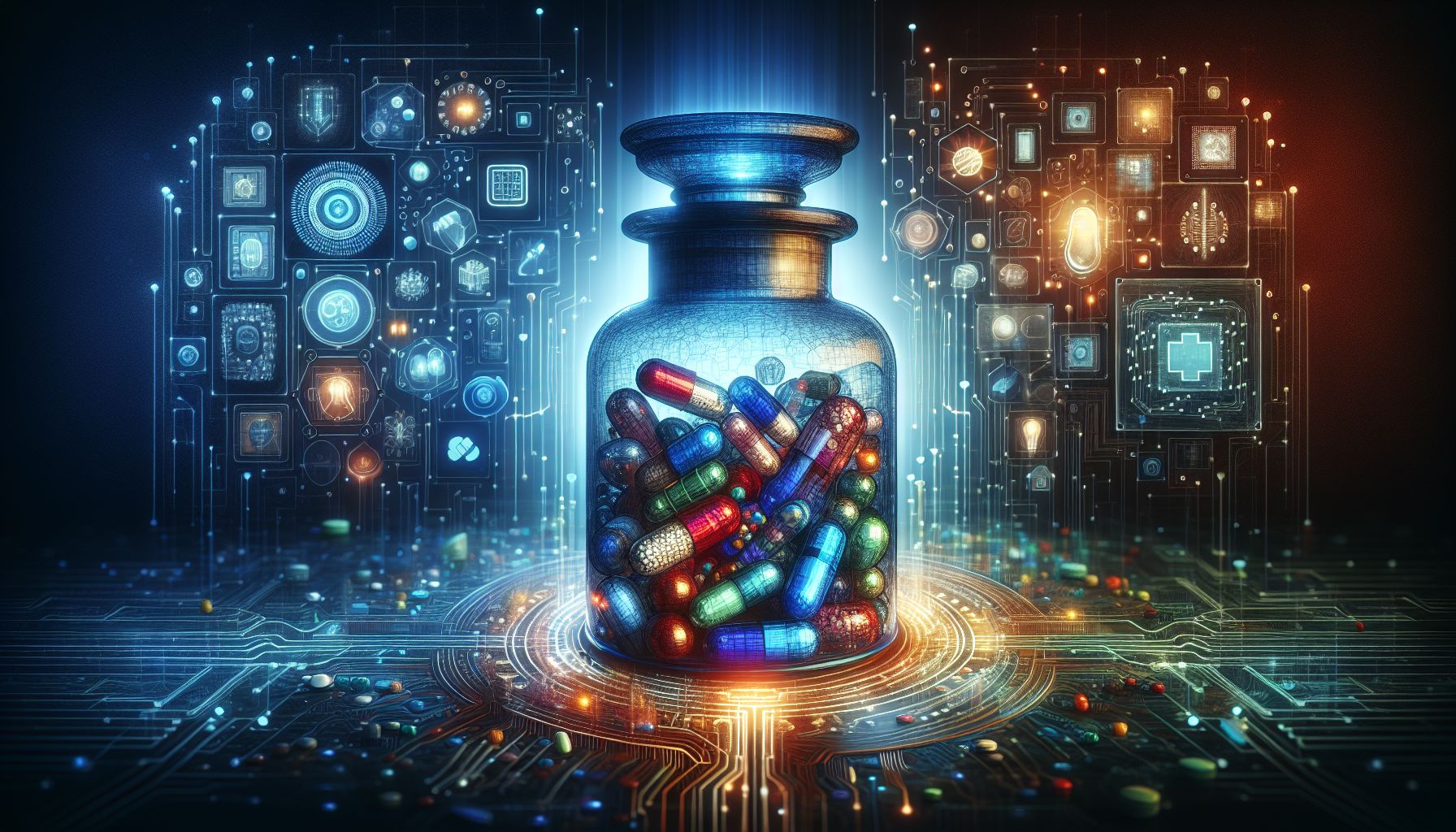
In today’s rapidly advancing world, technology has permeated almost every aspect of our lives, including the field of medicine. One area where this intersection is particularly evident is in the development and production of pharmaceutical products. From research and development to manufacturing and distribution, technology plays a critical role in every stage of the pharmaceutical industry.
Research and Development
Technology has revolutionized the research and development process of pharmaceutical products. Advances in computing power and data analytics have made it possible to analyze vast amounts of medical and genetic data, allowing researchers to identify promising drug candidates more efficiently. Artificial intelligence and machine learning algorithms can comb through these vast datasets to discover patterns and potential drug targets, expediting the drug discovery process. Additionally, virtual reality has emerged as a valuable tool for scientists, enabling them to simulate the effects of potential drugs before conducting any physical experiments. This not only saves time but also reduces the costs associated with conducting extensive laboratory testing.
Manufacturing and Quality Control
Pharmaceutical manufacturing has witnessed significant advancements in technology. Automation and robotics have streamlined the production process, resulting in increased efficiency and greater precision. This automation reduces the chances of human error, ensuring that every product meets stringent quality standards. Furthermore, technology such as barcode systems and radio-frequency identification (RFID) tags enable seamless tracking and monitoring of the entire manufacturing process. This level of traceability is crucial in ensuring the authenticity, safety, and quality of pharmaceutical products.
Digitalization and Distribution
The digital age has transformed the way pharmaceutical products are distributed and accessed by consumers. E-commerce platforms and telemedicine services have made it easier than ever for patients to purchase medication and consult healthcare professionals from the comfort of their homes. Moreover, technologies like blockchain have the potential to revolutionize the supply chain, making it more transparent and secure. Blockchain can track the entire journey of a drug, from its manufacturing plant to the patient, ensuring that counterfeit products are easily identified and eliminated from the system.
Conclusion
The harmonious integration of technology and pharmaceutical products has undoubtedly accelerated advancements in the medical field. From optimizing research and development processes to ensuring the quality and authenticity of medication, technology has revolutionized every aspect of the pharmaceutical industry. However, it is important to remember that while technology brings numerous benefits, it also poses challenges such as data privacy concerns and ethical considerations. Striking a balance between embracing technological advancements and addressing these challenges remains crucial in harnessing the full potential of technology in the pharmaceutical field. Overall, the collaboration between technology and pharmaceuticals holds immense promise for improving healthcare and enhancing the quality of life for individuals across the globe.
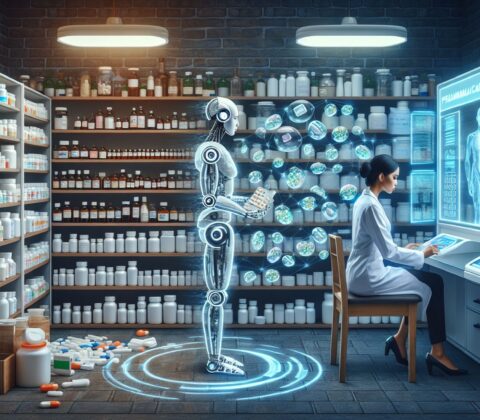
The Impact of Technology on Pharmaceutical Products
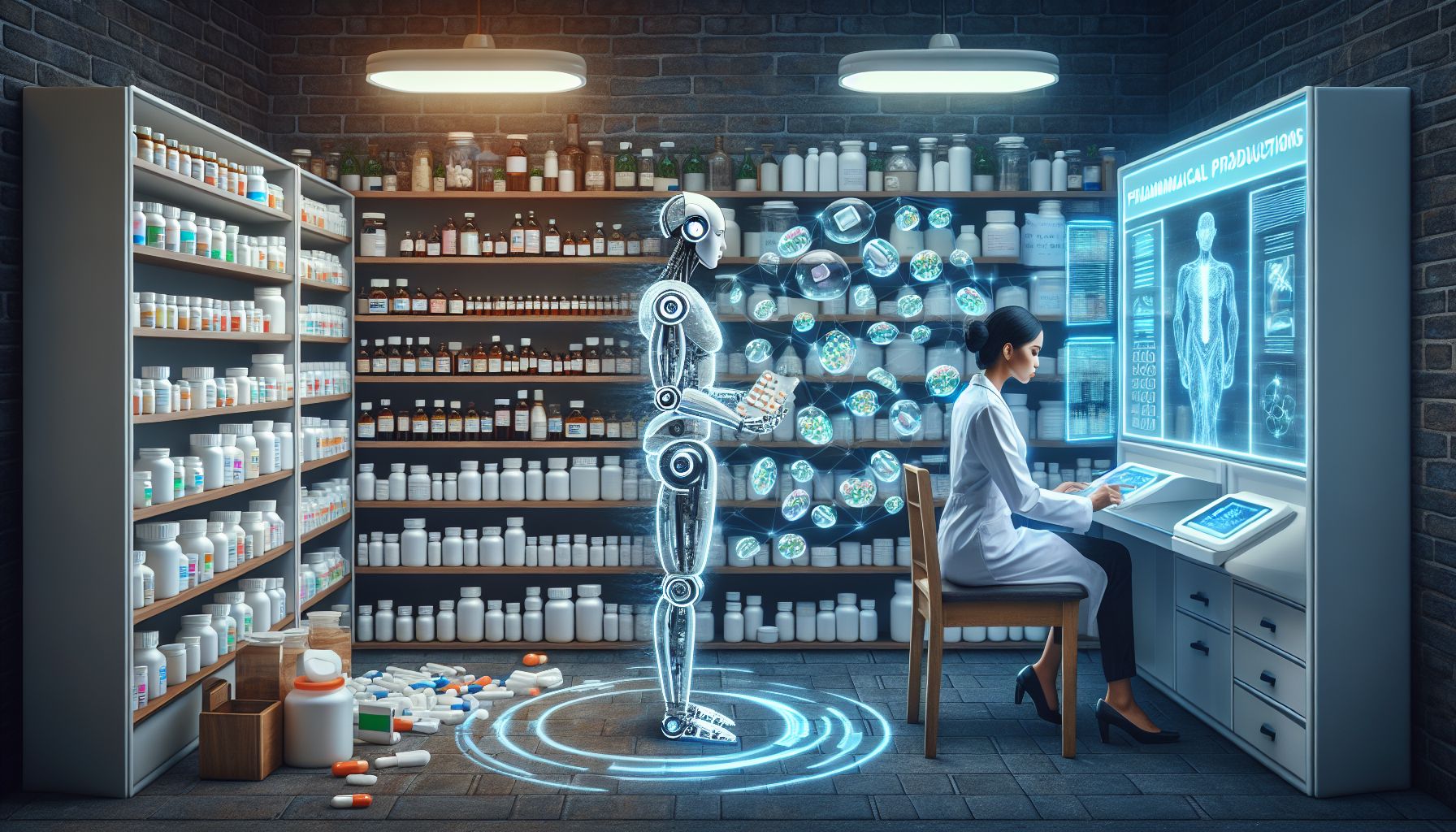
Technology has revolutionized various sectors, and the pharmaceutical industry is no exception. With advancements in technology, pharmaceutical products have become more efficient, precise, and accessible than ever before. From drug discovery to manufacturing and distribution, technology has played a crucial role in enhancing the development and accessibility of life-saving medications.
Enhanced Drug Discovery
One of the most significant contributions of technology to pharmaceutical products is in the field of drug discovery. Advanced technologies like artificial intelligence (AI) and machine learning have enabled researchers to analyze vast amounts of data and identify potential drug candidates more quickly. These technologies can predict the effectiveness and safety of certain compounds, thus speeding up the drug discovery process.
Moreover, technologies like high-throughput screening allow scientists to test numerous compounds simultaneously, significantly reducing the time and resources required for preclinical testing. This not only accelerates the development of new medications but also increases the chances of identifying effective treatments for various diseases.
Streamlined Manufacturing
Technology has also transformed the manufacturing process of pharmaceutical products. Automation and robotics have made manufacturing more efficient, accurate, and cost-effective. Complex machines and systems can now carry out precise chemical reactions and formulation processes, ensuring uniformity and quality control.
Furthermore, smart manufacturing technologies enable real-time monitoring of production processes, reducing the risk of errors and contamination. These advancements enhance both the safety and efficacy of pharmaceutical products, ensuring that patients receive medications of the highest standard.
Improved Patient Care
Technology has brought about significant improvements in patient care through the development of innovative pharmaceutical products. One such example is the rise of wearable devices and mobile health applications. These tools allow patients to monitor their health, receive personalized medication reminders, and track their treatment progress.
Pharmaceutical companies are also leveraging technology to create patient-centric solutions. For instance, smart pill bottles equipped with Bluetooth technology can send reminders to patients to take their medication, while also notifying healthcare providers about adherence rates. Such advancements not only improve patient outcomes but also enhance medication adherence and, ultimately, save lives.
The Future of Pharmaceuticals
As technology continues to advance at an unprecedented pace, the future of pharmaceutical products looks promising. The use of 3D printing in drug manufacturing is gaining traction, allowing for personalized and customizable medications. Nanotechnology is also making strides and holds immense potential in targeted drug delivery systems.
Moreover, the integration of technology with genetic research is opening up new possibilities for precision medicine. The ability to analyze an individual’s genetic makeup and tailor medications accordingly is revolutionizing treatment strategies, offering more effective and personalized therapies.
In conclusion, technology has had a profound impact on the development and accessibility of pharmaceutical products. From speeding up drug discovery to improving manufacturing processes and patient care, technology continues to shape the future of the pharmaceutical industry. As we embrace these advancements, we can expect to witness even greater innovations that will improve healthcare outcomes and enhance the quality of life for people worldwide.
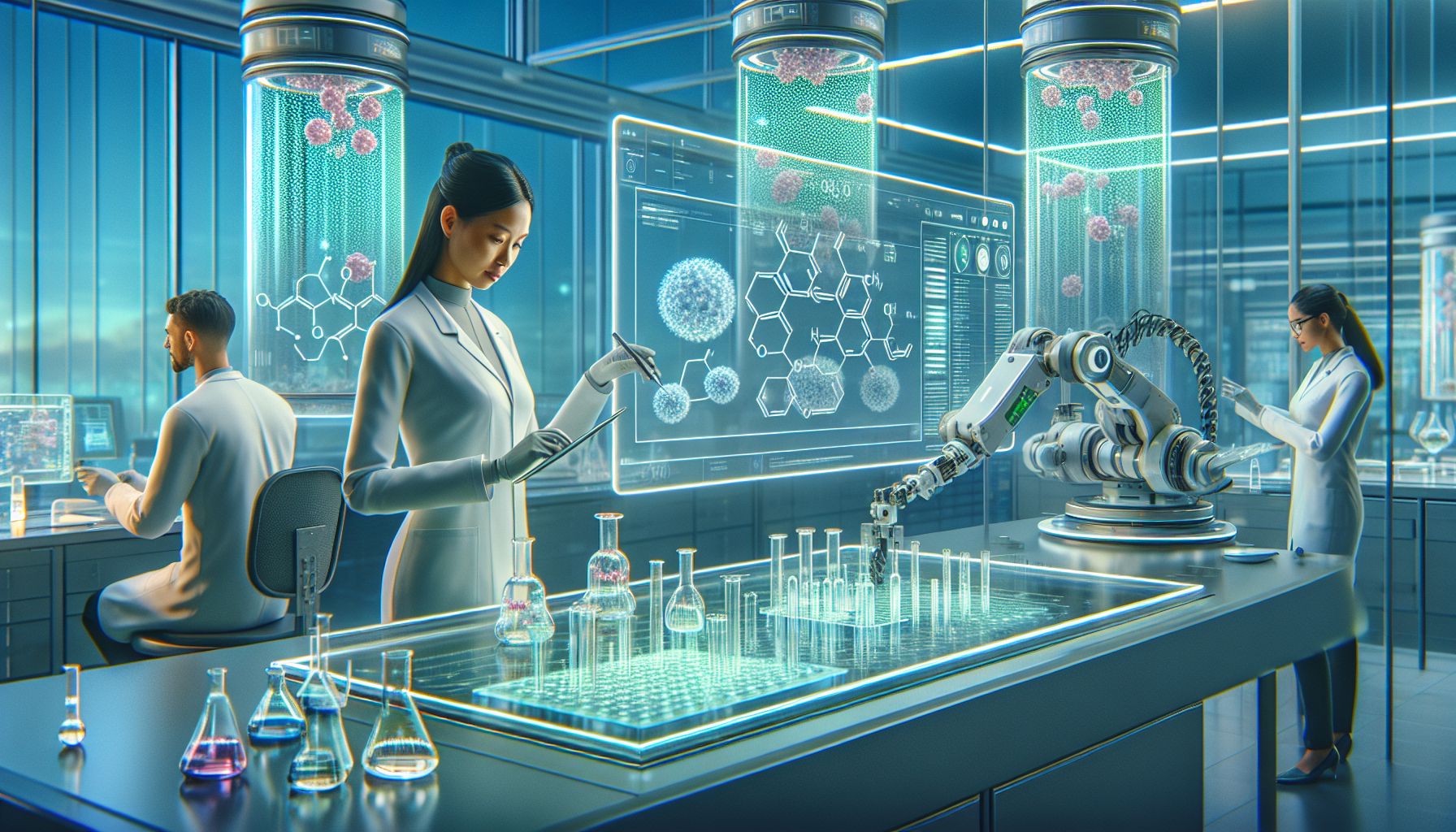
The Role of Technology in the Development of Pharmaceutical Products
Technology has undoubtedly revolutionized the world in numerous ways, and the healthcare industry is no exception. In recent years, technology has played a pivotal role in enhancing the development and effectiveness of pharmaceutical products. From streamlining research processes to improving drug delivery mechanisms, the marriage of technology and pharmaceuticals has paved the way for innovative advancements that have significantly impacted patient outcomes worldwide.
The Power of Data and Analytics
One of the most significant ways technology has transformed the pharmaceutical industry is through the utilization of advanced data analytics. Data-driven approaches have enabled researchers and scientists to extract valuable insights from vast amounts of information, ultimately speeding up the drug discovery process.
With the help of machine learning algorithms and artificial intelligence, researchers can identify patterns, predict potential drug interactions and adverse effects, and even simulate entire clinical trials. This not only expedites the time-consuming research and development phase but also helps in reducing costs significantly.
Drug Delivery Systems
Another area where technology has made remarkable strides is in the field of drug delivery systems. Traditional methods, such as tablets or injections, often have limitations in terms of effectiveness and patient compliance. However, technological advancements have introduced more innovative alternatives to improve drug delivery.
Nanotechnology, for instance, has paved the way for the development of targeted drug delivery systems. By encapsulating drugs into nanoparticles, researchers can ensure more precise and efficient delivery to specific cells or organs, reducing side effects and increasing the overall efficacy of treatments.
Moreover, wearable devices and smart implants are enabling personalized medicine by continuously monitoring patients’ vital signs, transmitting real-time data, and even administering medication autonomously. These advancements not only enhance patient convenience but also facilitate better adherence to prescribed regimens, ultimately leading to improved health outcomes.
Patient-Centric Care
Technology has also played a pivotal role in fostering patient-centric care, empowering individuals to take an active role in managing their own health. Digital health tools, such as mobile applications and wearable devices, allow patients to monitor their conditions, track medication adherence, and access personalized healthcare information from the comfort of their own homes.
Furthermore, telemedicine has enabled remote consultations and virtual healthcare services, breaking down geographical barriers and improving access to healthcare professionals. Patients in rural or underserved areas can now benefit from specialized medical advice without the need for time-consuming and costly travel.
Conclusion
The intersection of technology and pharmaceutical products has led to tremendous advancements in the healthcare landscape. From leveraging the power of data analytics to improving drug delivery systems and facilitating patient-centric care, technology has revolutionized all aspects of the pharmaceutical industry.
As technology continues to advance at an unprecedented pace, we can only expect further innovations in the development and utilization of pharmaceutical products. The possibilities are endless, and the future promises to bring about even more personalized, efficient, and effective treatments that will transform healthcare as we know it.
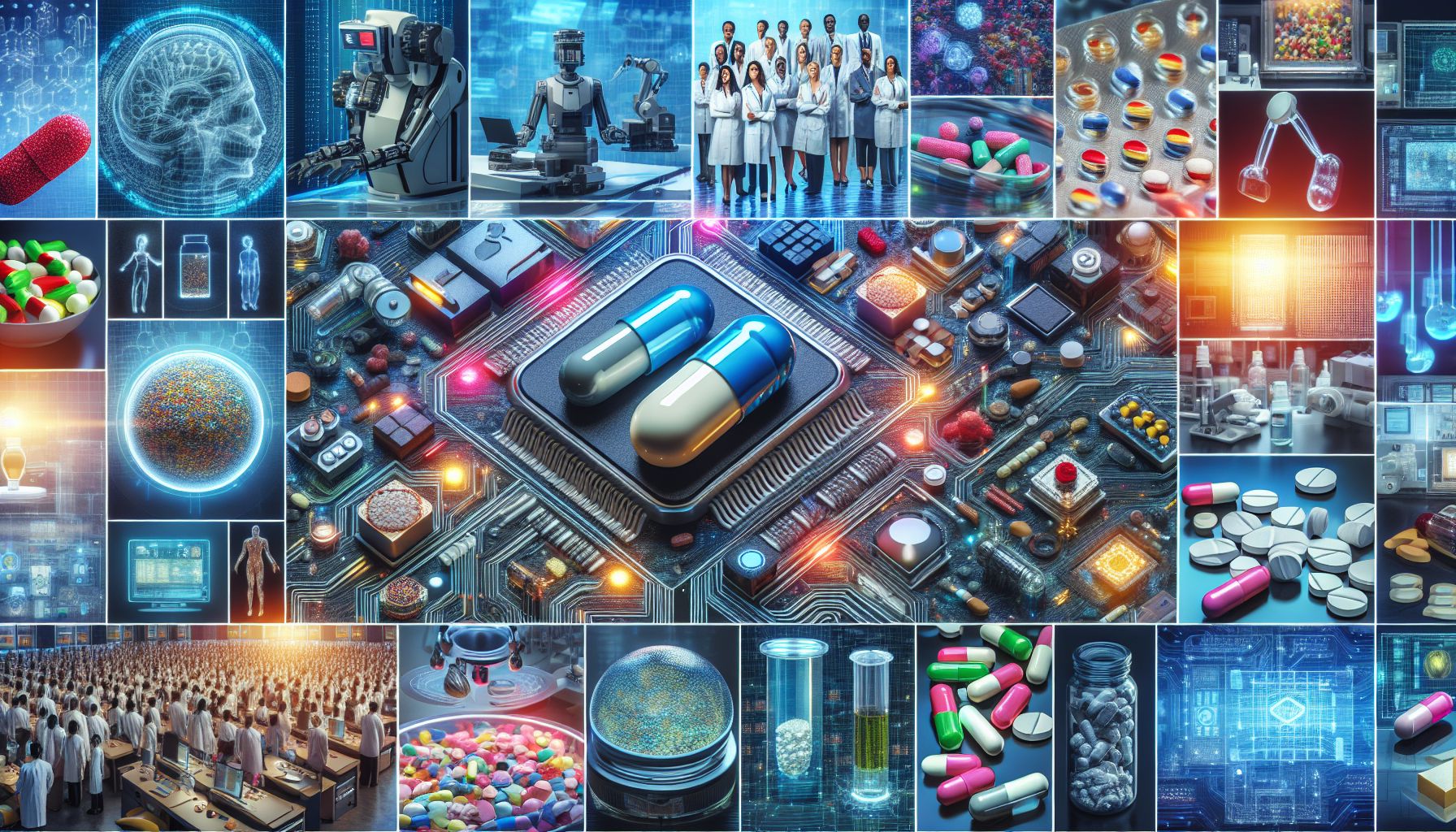
The Intersection of Technology and Pharmaceutical Products
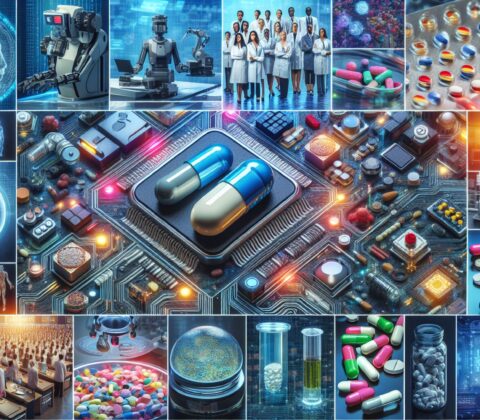
As technology continues to advance at an unprecedented pace, its impact can be seen across every industry. One such sector that has witnessed a significant transformation is the pharmaceutical industry. Technological advancements have revolutionized the way pharmaceutical products are developed, manufactured, and even consumed. In this blog post, we will explore how technology has intersected with pharmaceutical products, redefining the future of healthcare.
The Role of Technology in Pharmaceutical Research and Development
In the past, the process of discovering and developing new drugs was a laborious and time-consuming task. However, technology has accelerated this process, allowing scientists and researchers to identify potential drug candidates more efficiently. Advanced computational models and algorithms can now analyze vast amounts of data to predict the effectiveness and safety of various compounds. This has significantly shortened the timeframe for drug development, enabling pharmaceutical companies to deliver life-saving medications to patients faster than ever before.
Technological Innovations in Drug Manufacturing
The advent of technology has also transformed the manufacturing process of pharmaceutical products. Automation and robotics have revolutionized traditional manufacturing techniques, enabling the production of drugs in a highly efficient and cost-effective manner. Automated systems can now handle various tasks, including weighing, mixing, and packaging of medications, reducing the risk of human errors and improving overall quality control.
Furthermore, 3D printing technology has recently emerged as a game-changer in drug manufacturing. It allows researchers to create highly customized and personalized medications, tailoring them to an individual’s specific needs. This breakthrough has opened doors for personalized medicine, where treatments are tailored to a patient’s unique genetic makeup or disease characteristics.
Technology-Enabled Drug Delivery Systems
Another exciting development in the intersection of technology and pharmaceutical products is the advancement in drug delivery systems. Traditional methods, such as pills or injections, are increasingly being replaced by innovative technologies that ensure precise dosing and targeted delivery. For instance, implantable devices can release medications over an extended period, eliminating the need for frequent injections. Wearable devices, like smart patches and electronic pill dispensers, can monitor patients’ adherence to their medication schedules and even transmit data to healthcare providers in real-time.
The Future of Healthcare with Technology-Driven Pharmaceuticals
As technology continues to evolve, the possibilities for pharmaceutical products are boundless. Emerging technologies like artificial intelligence, nanotechnology, and gene editing hold immense potential in revolutionizing healthcare. Imagine a future where AI-powered robots can search for new drug candidates, or nanobots can target and destroy cancerous cells with unparalleled precision. These advancements have the potential to eradicate diseases that have plagued humanity for decades.
In conclusion, the convergence of technology and pharmaceutical products has transformed the healthcare landscape. From streamlining research and development to enhancing manufacturing processes and enabling innovative drug delivery systems, technology has ushered in a new era of possibilities. We are on the cusp of a healthcare revolution that will dramatically improve patient outcomes and pave the way for a healthier future.
The Intersection of Technology and Pharmaceutical Products
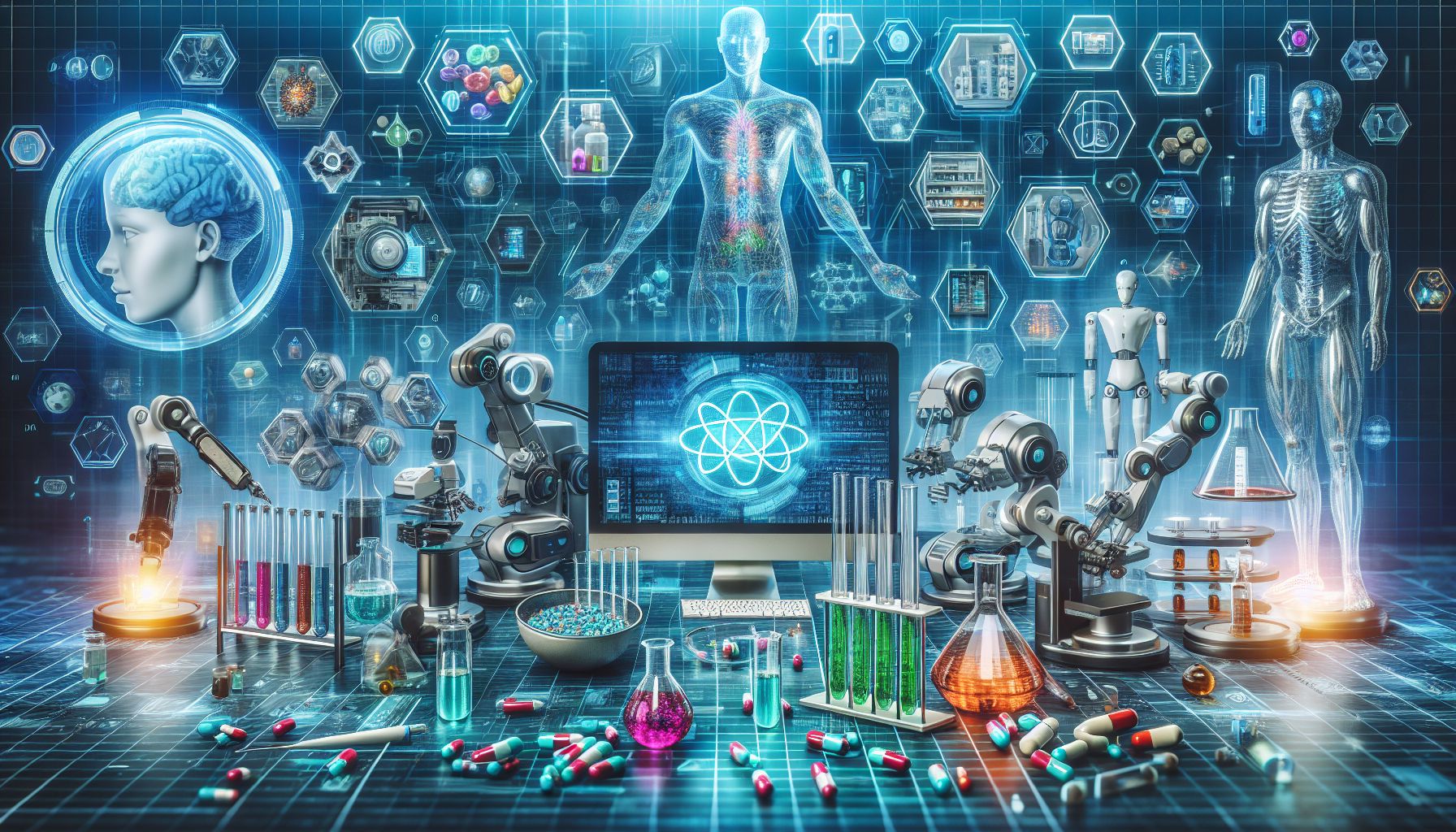
In today’s digital era, technology has revolutionized almost every aspect of our lives. From communication to travel, every industry has embraced technological advancements to enhance efficiency and drive innovation. The pharmaceutical industry is no exception. As the need for faster and more accurate healthcare solutions grows, the integration of technology with pharmaceutical products has become imperative. In this article, we will explore the significant impact technology has had on pharmaceutical products.
The Rise of Digital Health Monitoring
Gone are the days when patients solely relied on regular doctor visits to monitor their health conditions. With the advent of wearable devices, tracking vital signs and other health parameters has become both accessible and efficient. Devices like fitness trackers, smartwatches, and portable health monitoring systems enable individuals to monitor their health on a real-time basis.
These digital health monitoring solutions have major implications for the pharmaceutical industry. By using connected devices, pharmaceutical companies can gather vast amounts of data regarding drug efficacy, side effects, and patient outcomes. This data enables researchers to fine-tune their products, ensuring they meet the specific needs of patients and yield better results.
The Promise of Telemedicine
Telemedicine, also known as remote healthcare, has gained immense popularity in recent years. Through video calls, phone consultations, and online platforms, patients can now access medical advice and treatment without physically visiting a healthcare facility. This innovation has significantly reduced the burden on hospitals, particularly during the COVID-19 pandemic.
The integration of telemedicine technology with pharmaceutical products is transforming the way healthcare is delivered. Prescription apps simplify medication management, allowing patients to order prescription drugs online and have them delivered to their homes. This streamlined process not only improves patient convenience but also enhances medication adherence and reduces the risk of missing doses.
Precision Medicine and Big Data
Advancements in technology have also played a pivotal role in the emergence of precision medicine. By analyzing large sets of patient data, medical researchers can identify specific biomarkers and genetic variations that influence individual responses to certain drugs. This personalized approach to healthcare ensures that patients receive the most effective treatments based on their unique genetic makeup.
Big data analytics, combined with genetic profiling, have the potential to revolutionize drug development and clinical trials. Pharmaceutical companies can leverage this technology to identify patient subgroups that are more likely to respond positively to their products, expediting the drug development process and reducing costs.
Conclusion
The convergence of technology and pharmaceutical products has undeniably transformed the healthcare landscape. Through digital health monitoring, telemedicine, and precision medicine, the pharmaceutical industry is becoming more patient-centric and data-driven. This symbiotic relationship between technology and pharmaceuticals holds tremendous promise for improving patient outcomes, increasing medication adherence, and accelerating the development of life-saving drugs.
As technology continues to evolve, we can expect the integration of new innovations that further enhance the efficacy and accessibility of pharmaceutical products. With a commitment to innovation and continued collaboration between the technology and pharmaceutical sectors, we can look forward to an era of cutting-edge healthcare solutions that positively impact millions of lives.
The Integration of Technology in Pharmaceutical Products
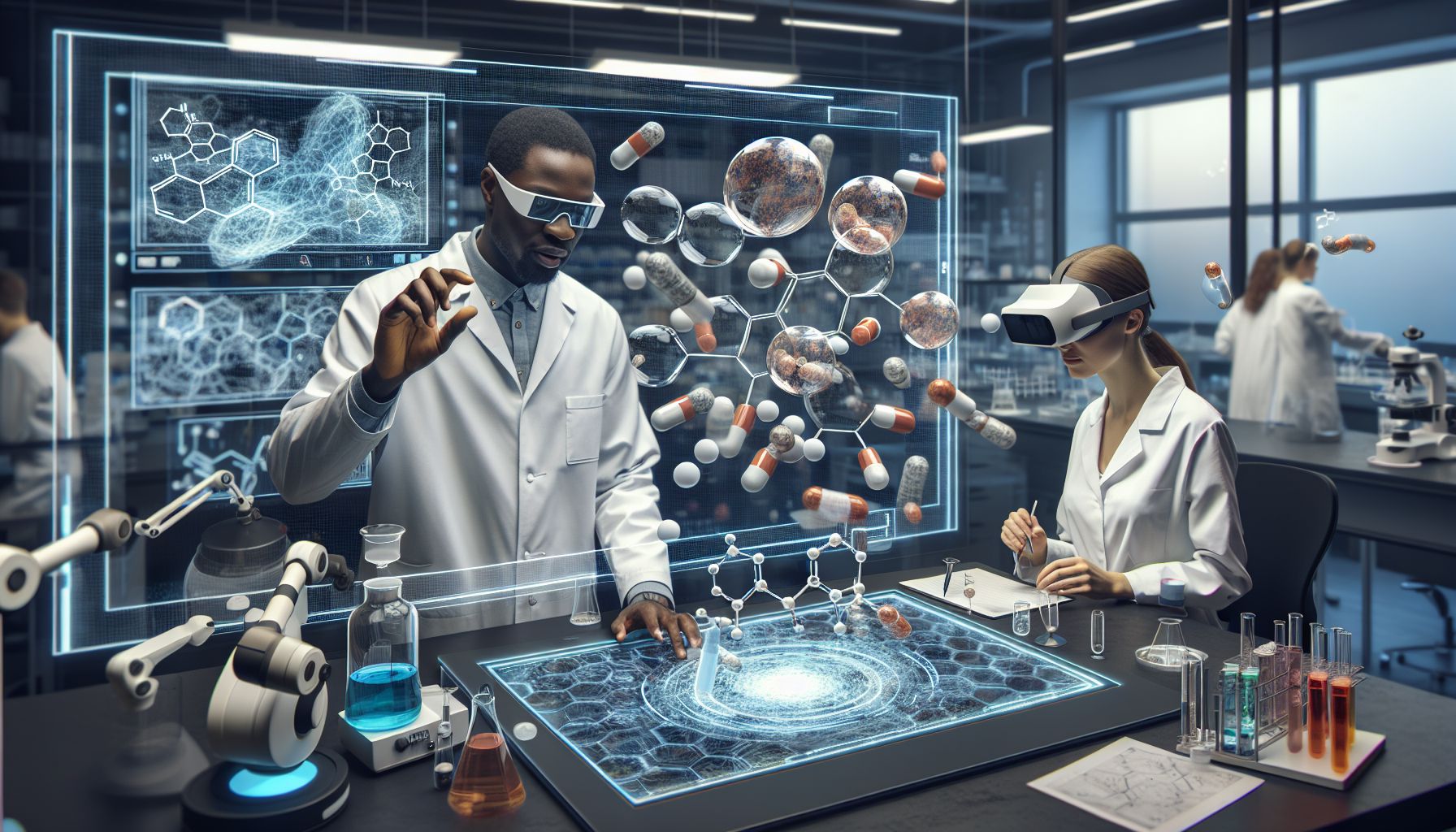
In today’s fast-paced world, technology has become an integral part of our daily lives. Its influence is felt in almost every industry, and the pharmaceutical sector is no exception. With the advancement of technology, pharmaceutical products have evolved to offer more accurate diagnoses, enhanced treatment options, and improved patient care. This article explores how technology has revolutionized the pharmaceutical industry and the benefits it brings to both healthcare professionals and patients.
1. Introduction
Technological advancements have paved the way for innovative solutions in the pharmaceutical sector. From research and development to manufacturing and distribution, technology plays a crucial role at every stage of the industry’s value chain. These advancements have greatly improved the efficiency, safety, and effectiveness of pharmaceutical products.
2. The Role of Technology in Research and Development
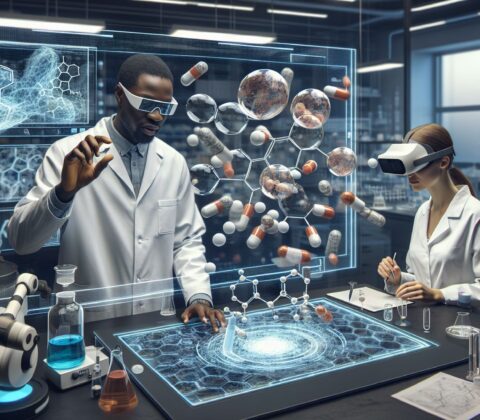
The integration of technology in pharmaceutical research and development has exponentially increased the speed and precision of drug discovery. Computer modeling and artificial intelligence algorithms provide researchers with the ability to predict the efficacy and safety of potential drugs, saving time and resources. Furthermore, automation and robotics have streamlined laboratory processes, allowing scientists to conduct experiments with higher accuracy and reliability.
3. Diagnostic Technologies
Technological advancements have also greatly enhanced diagnostic capabilities. The advent of wearable devices, such as fitness trackers and smartwatches, has enabled individuals to monitor their health in real-time. These devices can detect irregularities in vital signs, alerting users and healthcare professionals to potential health problems. Additionally, diagnostic imaging technologies, including MRI and CT scanners, have become more advanced, allowing for earlier detection of diseases and more targeted treatment plans.
4. Treatment and Patient Care
The integration of technology has revolutionized treatment options and patient care in the pharmaceutical industry. Telemedicine, for instance, enables remote consultations and diagnoses, breaking down geographical barriers and providing healthcare access to individuals in remote areas. Mobile applications and digital platforms have also empowered patients to actively manage their health by tracking medication adherence, accessing relevant medical information, and connecting with healthcare providers in real-time.
5. Ensuring Safety and Quality Control
Technology has also played a vital role in ensuring the safety and quality control of pharmaceutical products. With the implementation of sophisticated tracking systems and serial number verification, counterfeit drugs can be easily identified and eliminated from the supply chain. Additionally, digital labeling and packaging technologies provide tamper-proof solutions, preventing unauthorized access and ensuring the integrity of pharmaceutical products.
6. Conclusion
Technology continues to reshape the pharmaceutical industry, enhancing its capacity to develop innovative products and improve patient care. The integration of technology in pharmaceutical research and development has expedited drug discovery, while diagnostic technologies enable early detection of diseases. Treatment options and patient care have been greatly improved through telemedicine and mobile applications. Furthermore, technology plays a vital role in ensuring the safety and quality control of pharmaceutical products. As technology continues to advance, we can expect further innovations and improvements in the industry, ultimately enhancing the well-being of individuals worldwide.
Technology Revolutionizing Pharmaceutical Products
The intersection between technology and pharmaceutical products has caused a paradigm shift in the healthcare industry. The integration of innovative technologies in drug development, manufacturing, and delivery has paved the way for groundbreaking advancements in patient care. Today, technology has become an invaluable tool for researchers, manufacturers, and healthcare professionals alike, allowing the development of more efficient and personalized pharmaceutical products.
Technological Advancements in Drug Development
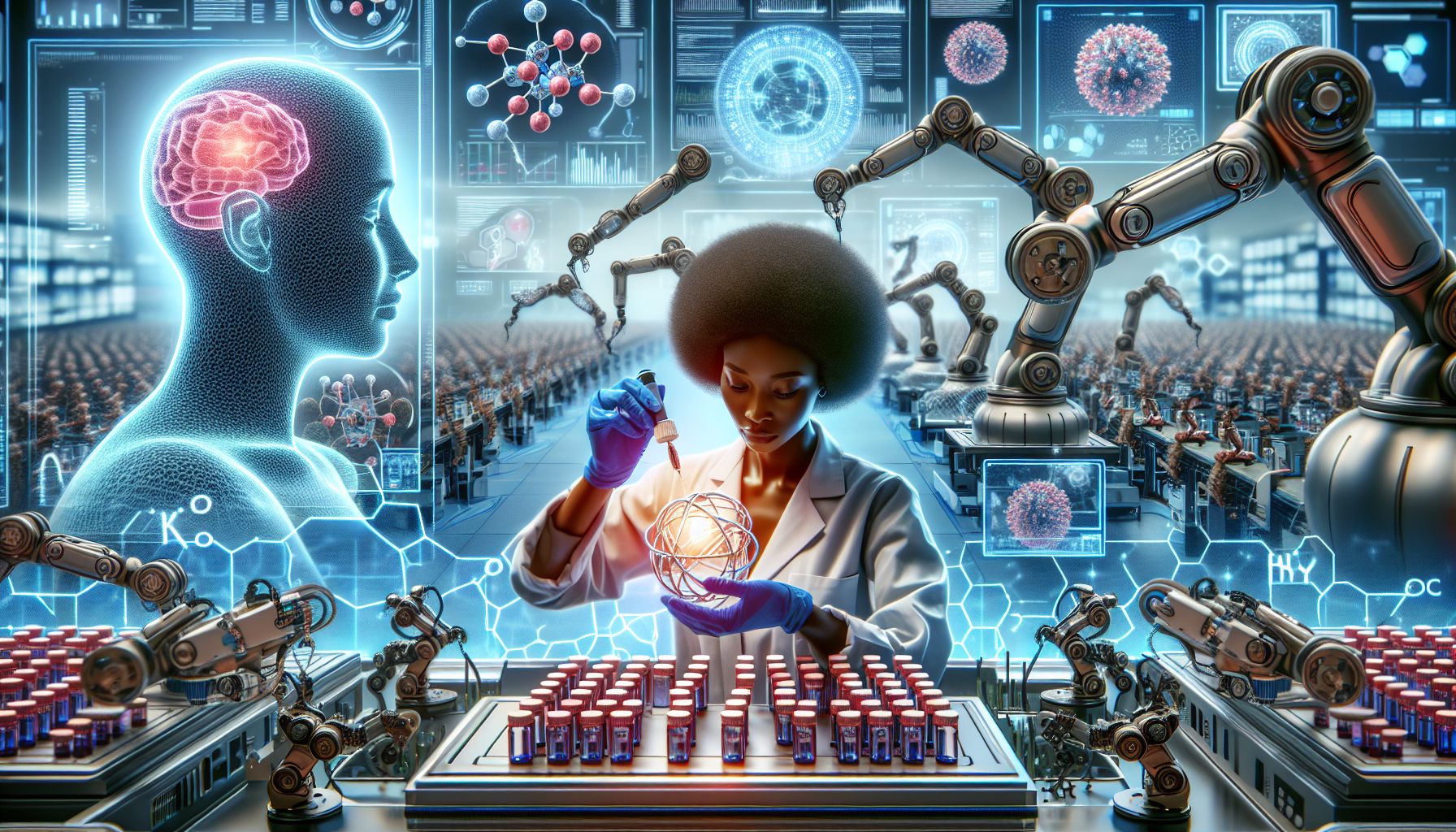
Traditionally, drug development and discovery have been time-consuming and costly processes. However, with the advent of cutting-edge technologies, such as artificial intelligence (AI) and machine learning, this landscape is rapidly changing. These technologies have the capability to process and analyze vast amounts of data, enabling researchers to identify potential drug targets and design molecules with enhanced potency and specificity.
Additionally, the use of computer simulations and digital modeling has revolutionized the drug development process. Researchers can now predict the behavior of drugs within the human body, saving both time and resources in the pre-clinical phase. This not only expedites the development of new pharmaceutical products, but also minimizes the risks associated with adverse effects.
Improving Manufacture and Quality Control
Manufacturing pharmaceutical products has become more efficient and precise thanks to the implementation of advanced technologies. Automation and robotics have significantly improved the accuracy and speed of manufacturing processes. These technologies ensure consistent production, reducing the likelihood of errors and ensuring product quality.
Furthermore, data-driven analytics and real-time monitoring systems have enhanced quality control mechanisms. By closely monitoring manufacturing processes, potential issues can be quickly identified and rectified, leading to a higher quality final product. Additionally, these advancements help to ensure compliance with regulatory standards and improve patient safety.
Enhanced Drug Delivery Systems
Technological advancements have also revolutionized drug delivery systems, improving the efficiency and efficacy of pharmaceutical products. Nanotechnology, for instance, has enabled the development of nanocarriers that can deliver drugs directly to specific cells or tissues, reducing unwanted side effects and improving treatment outcomes. These nanocarriers can be engineered to release drugs in a controlled manner, enhancing the therapeutic effect of the medication.
In addition, technology has facilitated the development of personalized medicine through the use of wearable devices and digital health platforms. These devices can monitor patient data in real-time, providing valuable information to healthcare professionals. With this information, medication dosage and treatment plans can be tailored to individual patients, maximizing the efficacy of pharmaceutical products.
Conclusion
The integration of technology in the pharmaceutical industry has revolutionized the way we develop, manufacture, and deliver drugs. From enhancing drug discovery with AI and machine learning to improving manufacturing processes through automation and real-time monitoring, technology has significantly improved the efficiency, safety, and effectiveness of pharmaceutical products. As advancements continue to emerge, we can expect even greater innovation and advancements in the healthcare industry, ultimately leading to better patient outcomes and improved quality of life.
The Intersection of Technology and Pharmaceutical Products
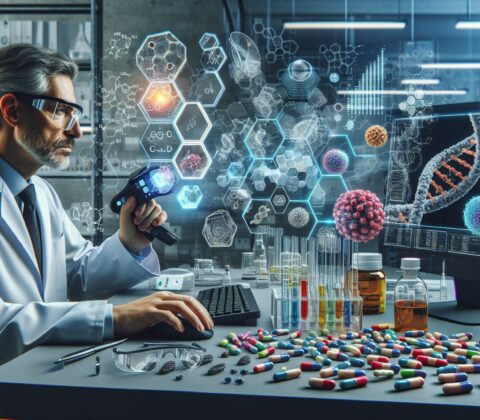
As technology continues to advance at an unprecedented pace, it is impacting various sectors, including healthcare. One such area where technology has made significant strides is the pharmaceutical industry. The marriage of technology and pharmaceutical products has opened up new opportunities for research, development, and patient care. In this article, we will explore the ways technology is shaping the pharmaceutical landscape and revolutionizing healthcare.
The Role of Technology in Drug Development
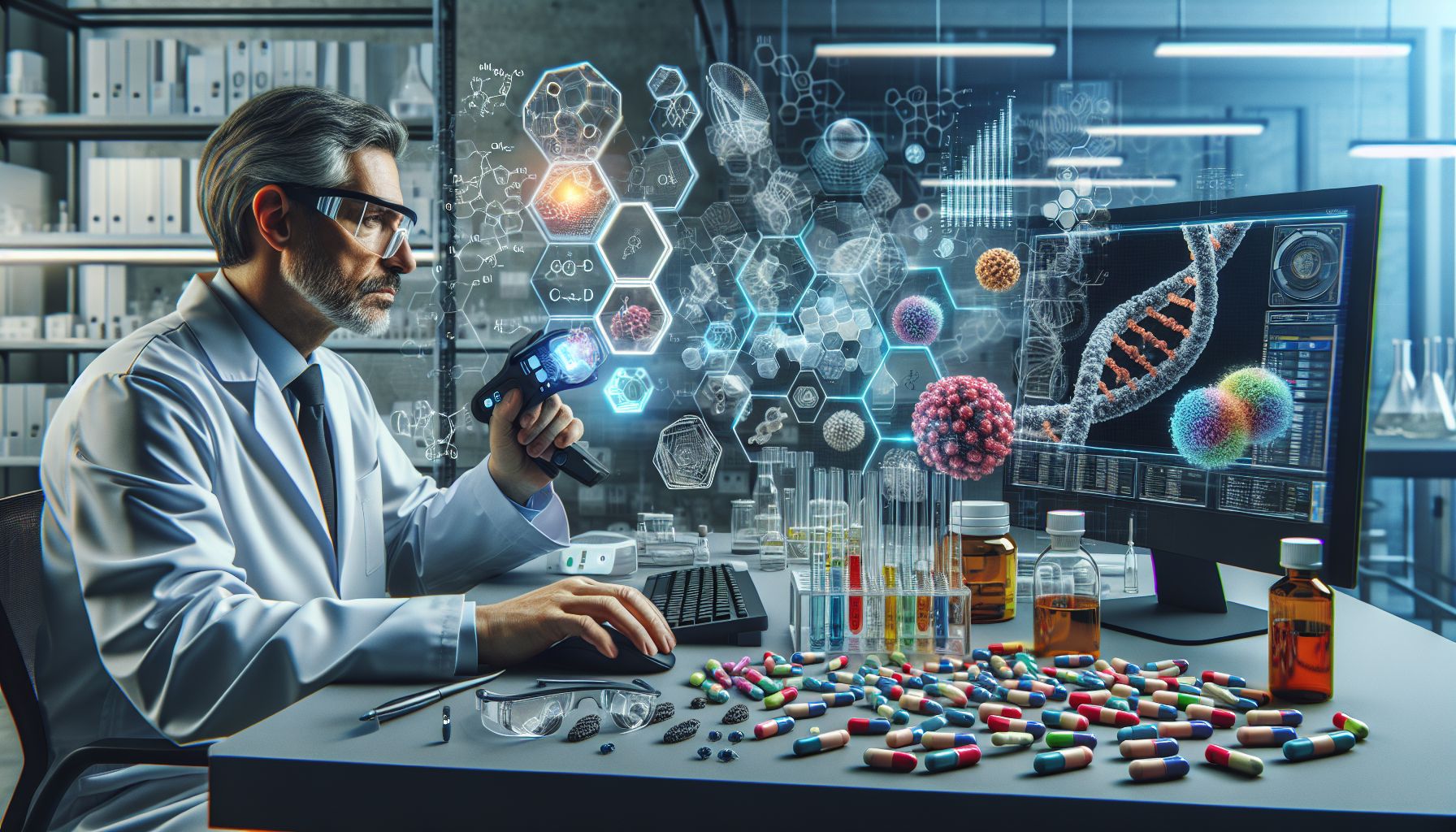
Traditionally, drug development has been a time-consuming and expensive process. However, with the advent of technology, researchers now have access to powerful tools that accelerate the discovery and development of new drugs. Machine learning and artificial intelligence algorithms are being used to analyze vast amounts of data, enabling scientists to identify potential drug targets more efficiently. This not only saves time but also reduces costs, making drug development more accessible.
Another fascinating application of technology in drug development is the use of 3D printing. Pharmaceutical companies are leveraging this technology to create personalized medications that meet an individual’s specific needs. By printing drugs layer by layer, the dosage, formulation, and release rate can be customized. This innovation allows for precise dosing and improves patient adherence to prescribed medications.
Digital Health Solutions
Technology has also given rise to digital health solutions, empowering patients to take a more active role in managing their health. Mobile applications and wearable devices monitor vital signs, track medication adherence, and provide real-time health data to both patients and healthcare providers. These tools help individuals make informed decisions about their well-being while enabling healthcare professionals to intervene proactively.
Furthermore, the integration of technology in pharmaceutical products has revolutionized patient care through telehealth services. Virtual consultations and remote monitoring have made healthcare more accessible and convenient. Patients in remote areas can now connect with healthcare providers, receive diagnoses, and have prescriptions filled — all from the comfort of their homes. This has proven especially valuable during the COVID-19 pandemic, allowing patients to receive essential care while minimizing the risk of exposure.
Ethical and Regulatory Considerations
While the merger of technology and pharmaceutical products has brought about significant advancements, it also raises ethical and regulatory concerns. The use of patient data and the potential breaches of privacy are critical issues that need to be addressed. Striking the right balance between technological innovation and safeguarding patient rights is essential for the continued progress in this field.
Regulatory bodies also need to adapt to the rapid pace of technological advancements to ensure the safety and efficacy of new pharmaceutical products. Governing bodies must keep up with the evolving landscape to establish robust guidelines and regulations that address the unique challenges posed by technology-driven medical innovations.
Conclusion
As we move further into the digital age, the interaction between technology and pharmaceutical products will continue to shape the future of healthcare. From accelerating drug development to empowering patients through digital health solutions, technology offers tremendous benefits. However, ethical considerations and regulatory frameworks should align with technological advancements. By finding the right balance, we can harness the full potential of technology in pharmaceuticals and usher in a new era of improved patient care and well-being.
The Synergy of Technology and Pharmaceuticals
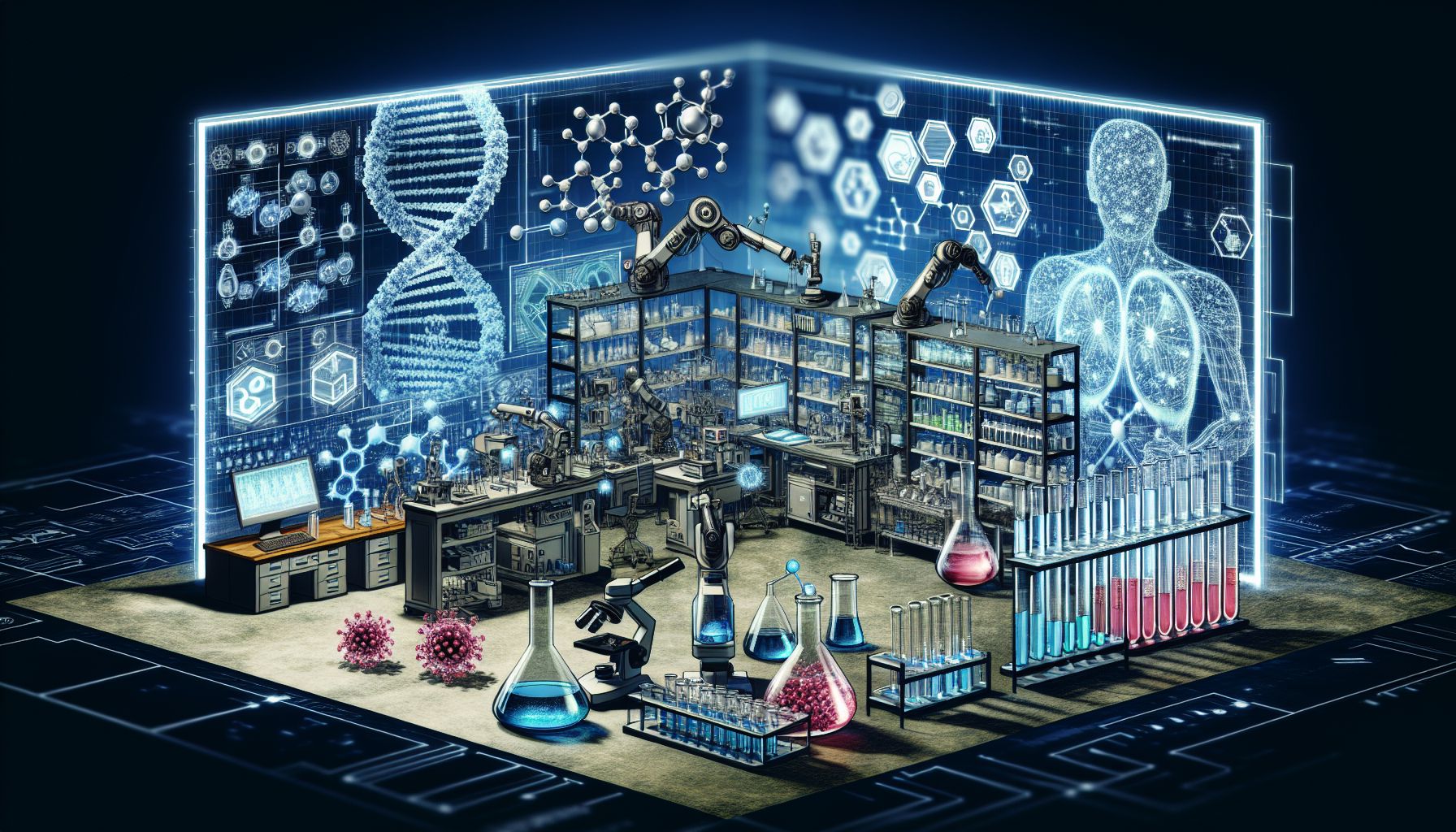
Technology has made its way into almost every aspect of our lives, transforming the way we communicate, entertain ourselves, and even seek medical assistance. In recent years, the intersection of technology and pharmaceutical products has proven to be a game changer in the healthcare industry. This fusion has not only revolutionized the development process of pharmaceutical products but has also enhanced patient care and contributed to breakthrough discoveries. In this article, we will explore the incredible synergy between technology and pharmaceuticals.
Transforming the Development Process
Traditionally, the process of developing pharmaceutical products has been a time-consuming and costly endeavor. However, with technological advancements, the entire landscape has transformed. Powerful algorithms and artificial intelligence (AI) have enabled pharmaceutical companies to streamline the drug discovery process, making it faster and more efficient.
Utilizing AI, massive databases can be analyzed to identify patterns and relationships between large sets of molecular and genetic data. With this deep understanding, researchers can create virtual models and simulations to test drug candidates, significantly reducing the number of failed experiments during the initial stages of drug development. As a result, pharmaceutical companies can bring life-saving drugs to market faster while also minimizing costs.
Personalized Medicine
Technology has also paved the way for personalized medicine, a field that tailors treatment plans to an individual’s unique genetic makeup. With advancements in genomics and DNA sequencing, doctors can now predict a patient’s susceptibility to certain diseases and determine the most effective treatment options based on their genetic profile.
Pharmaceutical companies are investing heavily in developing companion diagnostic tests that can identify gene mutations and help determine the most appropriate medication and dosage for a patient. This targeted approach to treatment enhances its effectiveness while minimizing side effects.
Enhancing Patient Care
In addition to transforming the development process and enabling personalized medicine, technology has greatly enhanced patient care. Mobile health applications, wearable devices, and telemedicine have become increasingly popular tools for monitoring patients’ health, improving adherence to medication, and reducing hospital visits.
Mobile apps allow patients to monitor their vital signs, track symptoms, and receive medication reminders, empowering them to take control of their health. Wearable devices, such as smartwatches and fitness trackers, enable continuous monitoring of various health parameters, enabling timely intervention and proactive healthcare.
Telemedicine has addressed the issue of geographical barriers, making healthcare accessible to individuals residing in remote areas. Patients can now consult with doctors via video calls, obtain prescriptions electronically, and receive medical advice without leaving their homes.
Conclusion
The integration of technology and pharmaceutical products has undoubtedly transformed the healthcare industry. From revolutionizing drug discovery to enabling personalized medicine and enhancing patient care, this synergy has made significant strides in improving human health and wellbeing. As technology continues to advance, we can expect even more groundbreaking discoveries and innovations in the pharmaceutical field. Embracing this intersection is crucial to unlock the full potential of both technology and pharmaceuticals in our quest for better healthcare solutions.