The Intersection of Technology and Pharmaceutical Products
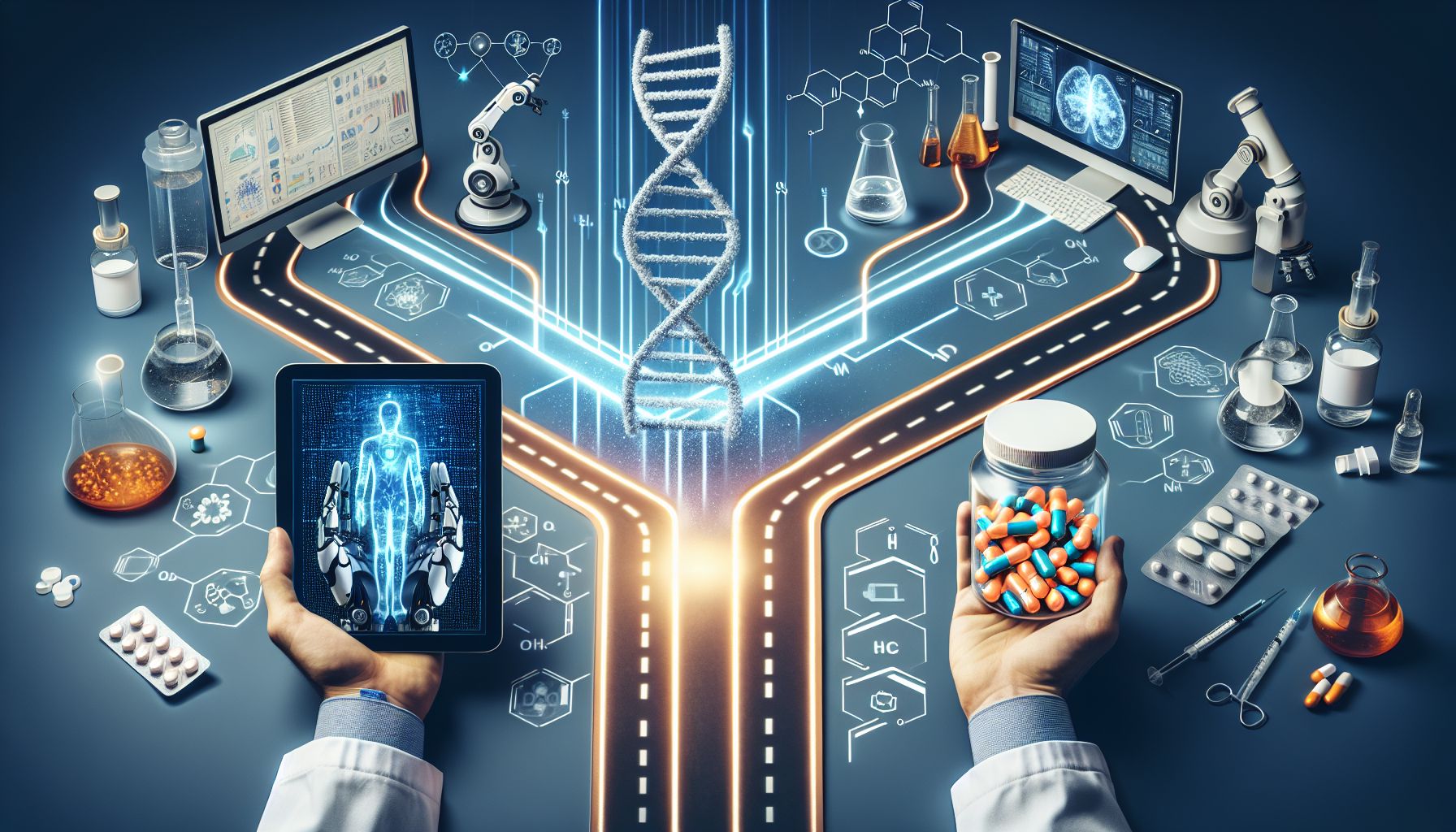
Technology has undeniably changed the landscape of various industries, and the pharmaceutical sector is no exception. From drug discovery to manufacturing to distribution, technology plays a crucial role in every aspect of the pharmaceutical industry. In recent years, advancements in technology have significantly impacted the development and production of pharmaceutical products, leading to more effective and efficient ways of delivering treatments to patients.
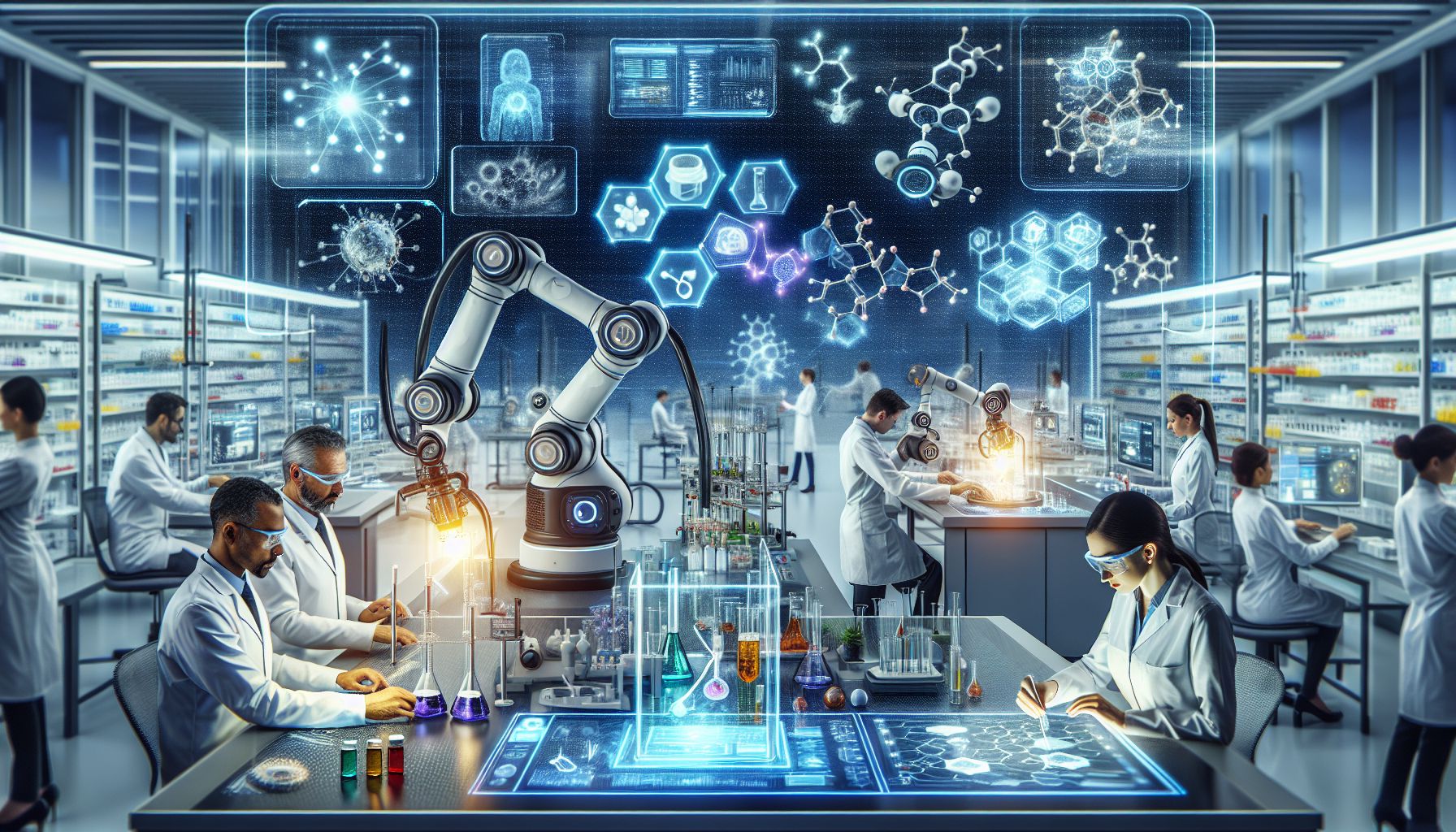
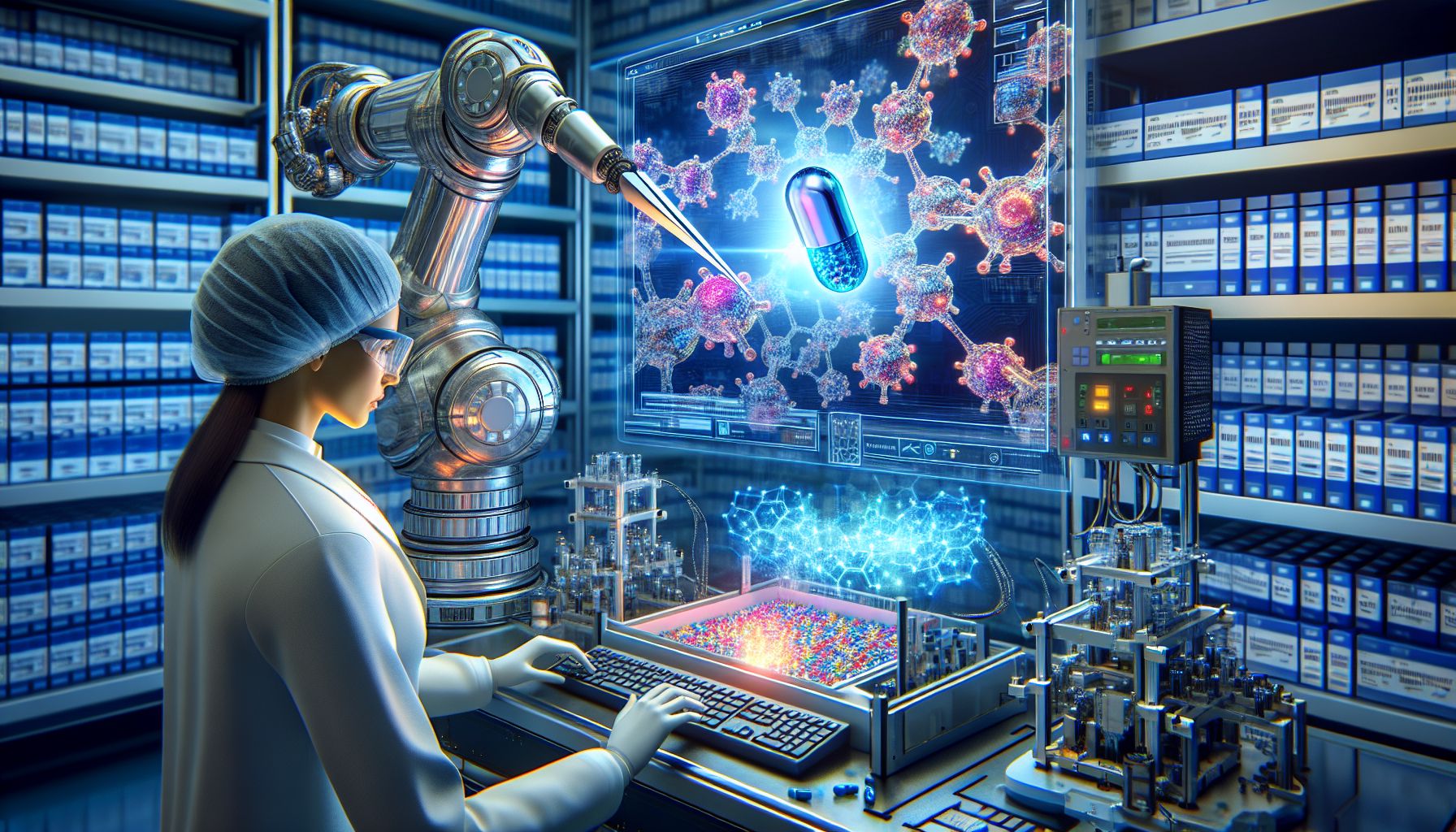
One of the key areas where technology has revolutionized the pharmaceutical industry is in the process of drug discovery. With the help of artificial intelligence and machine learning algorithms, researchers are now able to analyze vast amounts of data in a fraction of the time it would take humans to do so. This has led to the identification of new drug targets and the development of novel compounds that were previously impossible to discover. Additionally, technologies like high-throughput screening and 3D printing have accelerated the drug discovery process, allowing for quicker and more cost-effective development of new pharmaceutical products.
In the manufacturing of pharmaceutical products, technology has played a pivotal role in improving efficiency and quality control. Automation and robotics have streamlined production processes, reducing the risk of human error and increasing the speed at which drugs can be manufactured. Furthermore, technologies like continuous manufacturing and real-time monitoring systems have allowed for greater control over the production process, leading to higher-quality products and reduced waste.
When it comes to the distribution of pharmaceutical products, technology has enabled more efficient and secure ways of getting treatments to patients. Blockchain technology, for example, has been used to track the movement of pharmaceutical products throughout the supply chain, ensuring transparency and preventing the circulation of counterfeit drugs. Additionally, advancements in data analytics have allowed for more personalized and targeted marketing strategies, improving patient access to the medications they need.
Overall, the intersection of technology and pharmaceutical products has brought about numerous benefits for both the industry and patients. From accelerating drug discovery to improving manufacturing processes to enhancing distribution networks, technology has revolutionized the way pharmaceutical products are developed and delivered. As technology continues to evolve, we can expect even more innovations that will further improve the efficacy, safety, and accessibility of pharmaceutical products for patients around the world.
In conclusion, technology has become an indispensable tool in the pharmaceutical industry, driving innovation and transforming the way medications are developed, manufactured, and distributed. By embracing and leveraging the power of technology, the pharmaceutical sector can continue to make advancements that will ultimately benefit the health and well-being of patients everywhere.
The Intersection of Technology and Pharmaceutical Products
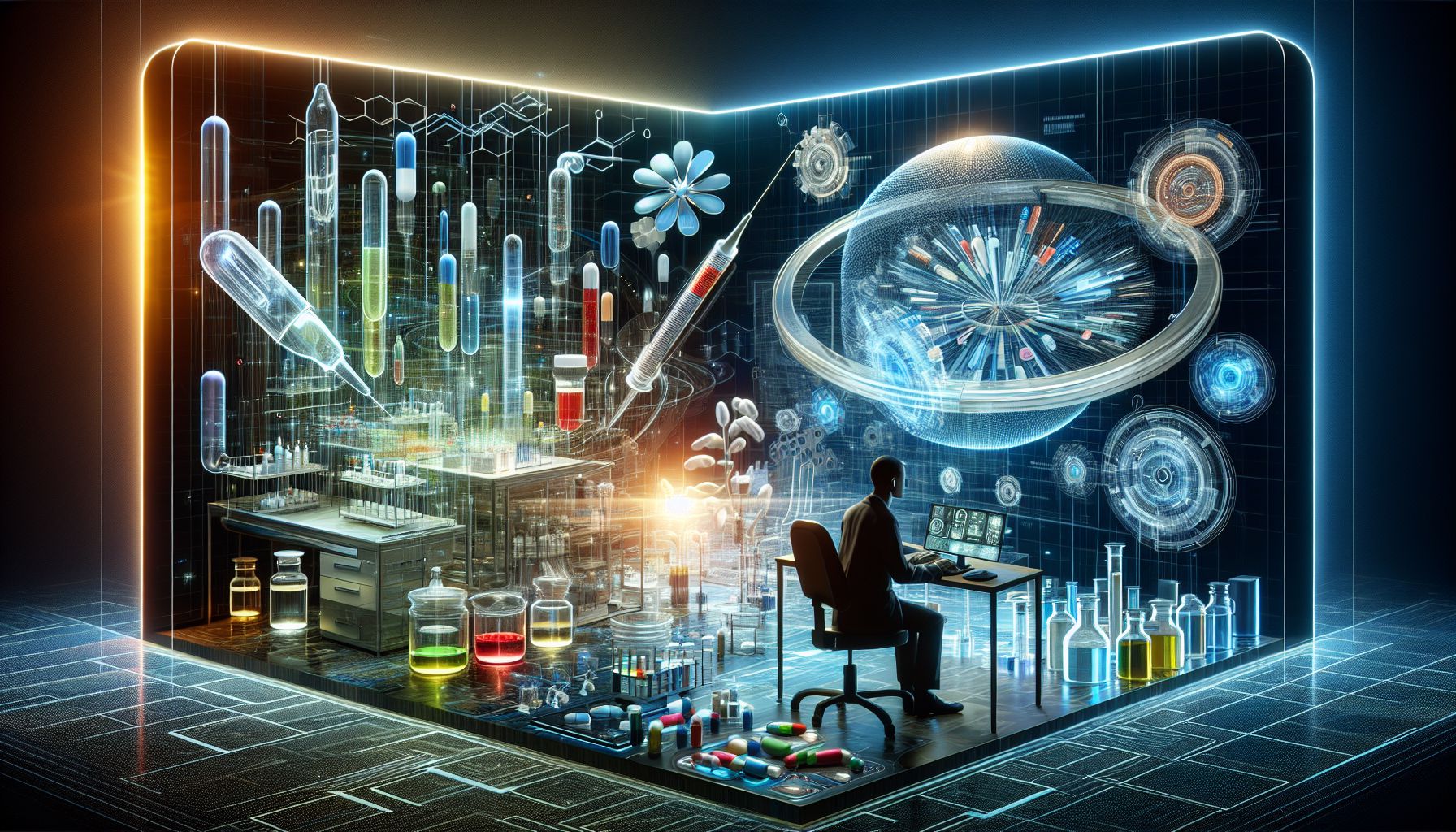
In today’s fast-paced world, technology plays a crucial role in virtually every aspect of our lives – including the pharmaceutical industry. The use of technology in the development and production of pharmaceutical products has revolutionized the way medicines are created, tested, and distributed. From advanced data analytics to 3D printing, the integration of technology has significantly impacted the efficiency, quality, and accessibility of pharmaceutical products.
One of the key ways technology has improved the pharmaceutical industry is through the use of big data analytics. By analyzing vast amounts of data, researchers can identify trends, patterns, and correlations that would be nearly impossible to detect by traditional means. This allows for more targeted drug development, personalized medicine, and improved patient outcomes. Additionally, the use of predictive analytics can help pharmaceutical companies anticipate demand, optimize supply chains, and reduce waste – ultimately leading to cost savings and increased efficiency.
Advances in technology have also revolutionized the way pharmaceutical products are manufactured. 3D printing, for example, allows for the creation of complex drug delivery systems, personalized medicines, and even human tissues for testing. This technology has the potential to streamline the production process, reduce costs, and improve the quality and effectiveness of pharmaceutical products. Additionally, the use of automation and robotics in manufacturing facilities has made production faster, more precise, and safer for workers.
Another area where technology has had a significant impact on the pharmaceutical industry is in the realm of telemedicine and telehealth. With the rise of smartphones, wearable devices, and virtual reality technology, patients now have unprecedented access to healthcare services from the comfort of their own homes. This has revolutionized the way patients interact with healthcare providers, obtain prescriptions, and monitor their health – making healthcare more convenient, efficient, and cost-effective.
In conclusion, the integration of technology into the pharmaceutical industry has transformed the way medicines are developed, tested, and distributed. From big data analytics to 3D printing, technology has revolutionized every aspect of the pharmaceutical supply chain – leading to more personalized medicines, improved patient outcomes, and reduced costs. As technology continues to evolve, we can expect even greater innovations in the pharmaceutical industry that will ultimately benefit patients around the world.
The Intersection of Technology and Pharmaceutical Products
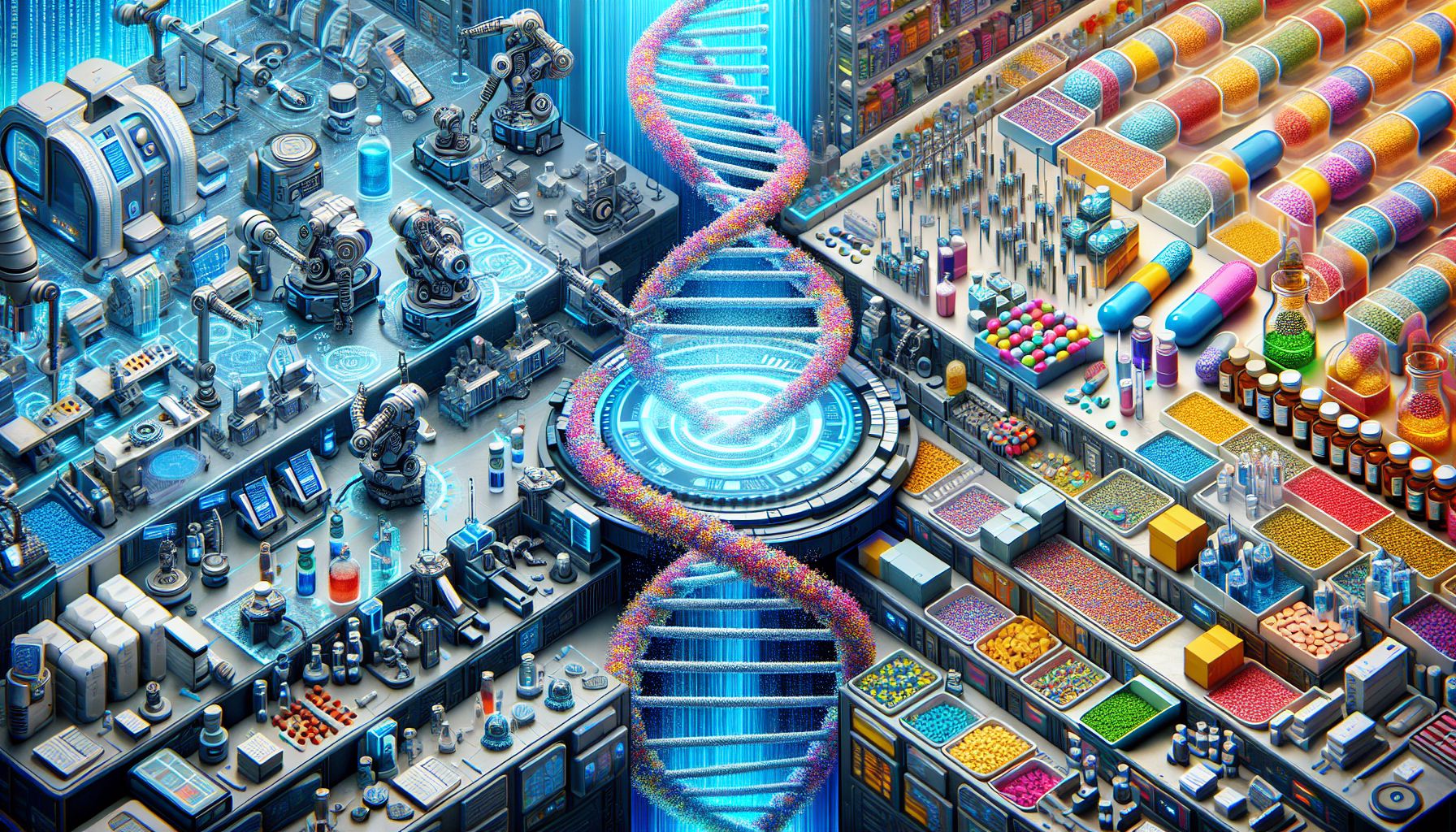
In recent years, the pharmaceutical industry has seen a rapid evolution in the way drugs are developed, tested, and marketed, thanks to advancements in technology. From artificial intelligence and machine learning to big data analytics and virtual reality, these technologies are revolutionizing the way drugs are discovered and delivered to patients.
One of the key ways technology is disrupting the pharmaceutical industry is through the use of AI and machine learning algorithms. These tools are being used to analyze massive amounts of data to identify potential drug candidates, predict patient outcomes, and optimize clinical trials. By leveraging AI, pharmaceutical companies can significantly reduce the time and cost of bringing new drugs to market.
Another area where technology is making a big impact is in the realm of personalized medicine. Advances in genetic sequencing and bioinformatics have made it possible to tailor treatments to individual patients based on their genetic makeup, lifestyle, and medical history. This approach not only improves patient outcomes but also reduces the risk of adverse reactions and side effects.
In addition to drug discovery and personalized medicine, technology is also transforming the way pharmaceutical products are marketed and distributed. Digital marketing techniques, such as social media advertising and influencer partnerships, are helping companies reach a wider audience and drive sales. At the same time, e-commerce platforms and telemedicine services are making it easier for patients to access their medications and consult with healthcare providers from the comfort of their own homes.
Virtual reality and augmented reality are also being used to train healthcare professionals, simulate surgical procedures, and educate patients about their conditions and treatment options. These immersive technologies can improve patient care, enhance medical training, and reduce the risk of errors in clinical settings.
Despite the many benefits that technology brings to the pharmaceutical industry, there are also challenges that need to be addressed. Data privacy and security concerns, regulatory hurdles, and the high cost of adopting new technologies are all barriers that companies must overcome in order to fully realize the potential of these innovations.
In conclusion, the intersection of technology and pharmaceutical products is reshaping the industry in profound ways. By harnessing the power of AI, personalized medicine, and digital marketing, companies can deliver more effective treatments to patients, improve healthcare outcomes, and drive innovation in drug development. As technology continues to advance, we can expect even more exciting developments in the field of pharmaceuticals in the years to come.
The Intersection of Technology and Pharmaceutical Products
Technology has revolutionized nearly every aspect of our lives, and the pharmaceutical industry is no exception. The integration of technology into the development, production, and distribution of pharmaceutical products has led to significant advancements in healthcare and medicine.
Pharmaceutical companies are increasingly relying on technology to streamline the drug development process. High throughput screening, virtual drug trials, and computer modeling are just a few examples of how technology is helping to expedite the discovery and development of new drugs. These technologies not only save time and money, but also allow for more personalized and targeted treatments for patients.
Additionally, technology is playing a crucial role in manufacturing pharmaceutical products. Automation, robotics, and artificial intelligence are being used to improve efficiency and quality control in production facilities. This not only leads to a more consistent and reliable product, but also helps to reduce the risk of human error in the manufacturing process.
Furthermore, technology is transforming the way pharmaceutical products are distributed and administered. From electronic medical records to telemedicine platforms, patients now have greater access to healthcare services and information than ever before. This has the potential to improve patient outcomes and increase medication adherence.
One of the most exciting advancements in technology and pharmaceutical products is the rise of digital therapeutics. These are software-based interventions that are designed to treat medical conditions, often in conjunction with traditional pharmaceuticals. Digital therapeutics have the potential to revolutionize the way we manage and treat chronic diseases such as diabetes, hypertension, and mental health disorders.
Despite the many benefits of technology in the pharmaceutical industry, there are also challenges and concerns that need to be addressed. Issues such as data privacy, cybersecurity, and regulatory compliance must be carefully managed to ensure the safety and efficacy of pharmaceutical products.
In conclusion, the intersection of technology and pharmaceutical products has the potential to transform healthcare and improve patient outcomes. By embracing and leveraging technological advancements, pharmaceutical companies can accelerate the development of new drugs, enhance manufacturing processes, and revolutionize the way we deliver healthcare services. As technology continues to evolve, the possibilities for innovation in the pharmaceutical industry are limitless.
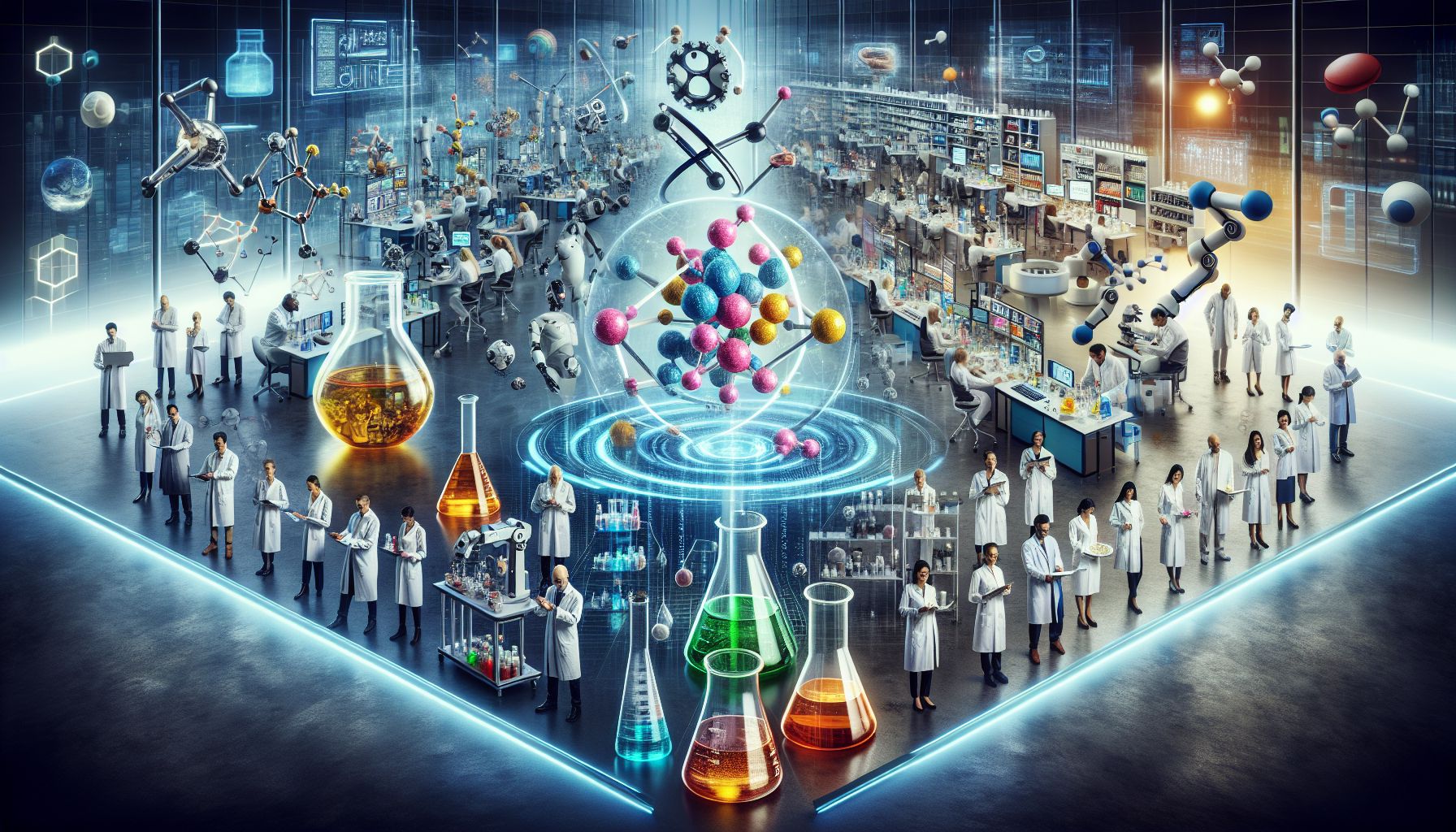
The Intersection of Technology and Pharmaceutical Products
In today’s fast-paced world, technology has revolutionized the way we live, work, and interact with the world around us. The pharmaceutical industry is no exception, as advancements in technology have significantly impacted the development and production of pharmaceutical products. From research and development to manufacturing and distribution, technology plays a critical role in ensuring the safety, efficacy, and affordability of pharmaceutical products.
One of the key ways technology has transformed the pharmaceutical industry is through the use of automation and artificial intelligence in the drug discovery process. High-throughput screening technologies, for example, allow researchers to quickly test thousands of potential drug candidates against a target molecule, significantly speeding up the drug discovery process. Artificial intelligence algorithms can analyze massive amounts of data to predict how a drug will interact with the body, helping researchers identify promising drug candidates more efficiently.
Moreover, technology has improved the manufacturing process of pharmaceutical products, ensuring consistency and quality in every batch. Automation systems can precisely control the mixing, granulation, and tablet pressing processes, reducing the risk of human error and contamination. Real-time monitoring systems can continuously track the production process, alerting operators to any deviations from the expected quality standards. These advancements not only improve the safety and efficacy of pharmaceutical products but also make production more cost-effective.
In addition, technology has revolutionized the way pharmaceutical products are distributed and delivered to patients. Online pharmacies and telemedicine platforms allow patients to conveniently order medications and consult with healthcare providers from the comfort of their homes. Smart packaging technologies, such as temperature-sensitive labels and RFID tags, can monitor the storage conditions of pharmaceutical products during transport, ensuring that they maintain their potency and effectiveness.
Despite the many benefits of technology in the pharmaceutical industry, there are also challenges and ethical considerations that must be addressed. Data privacy and security concerns, for example, are paramount when dealing with sensitive patient information and medical records. Regulatory agencies must also keep pace with rapidly evolving technologies to ensure that pharmaceutical products meet safety and efficacy standards.
In conclusion, the intersection of technology and pharmaceutical products has the potential to revolutionize healthcare by speeding up the drug discovery process, improving manufacturing quality, and enhancing patient access to medications. As technology continues to advance, it is essential for pharmaceutical companies to embrace innovation and collaboration to develop safe, effective, and affordable products for patients worldwide.
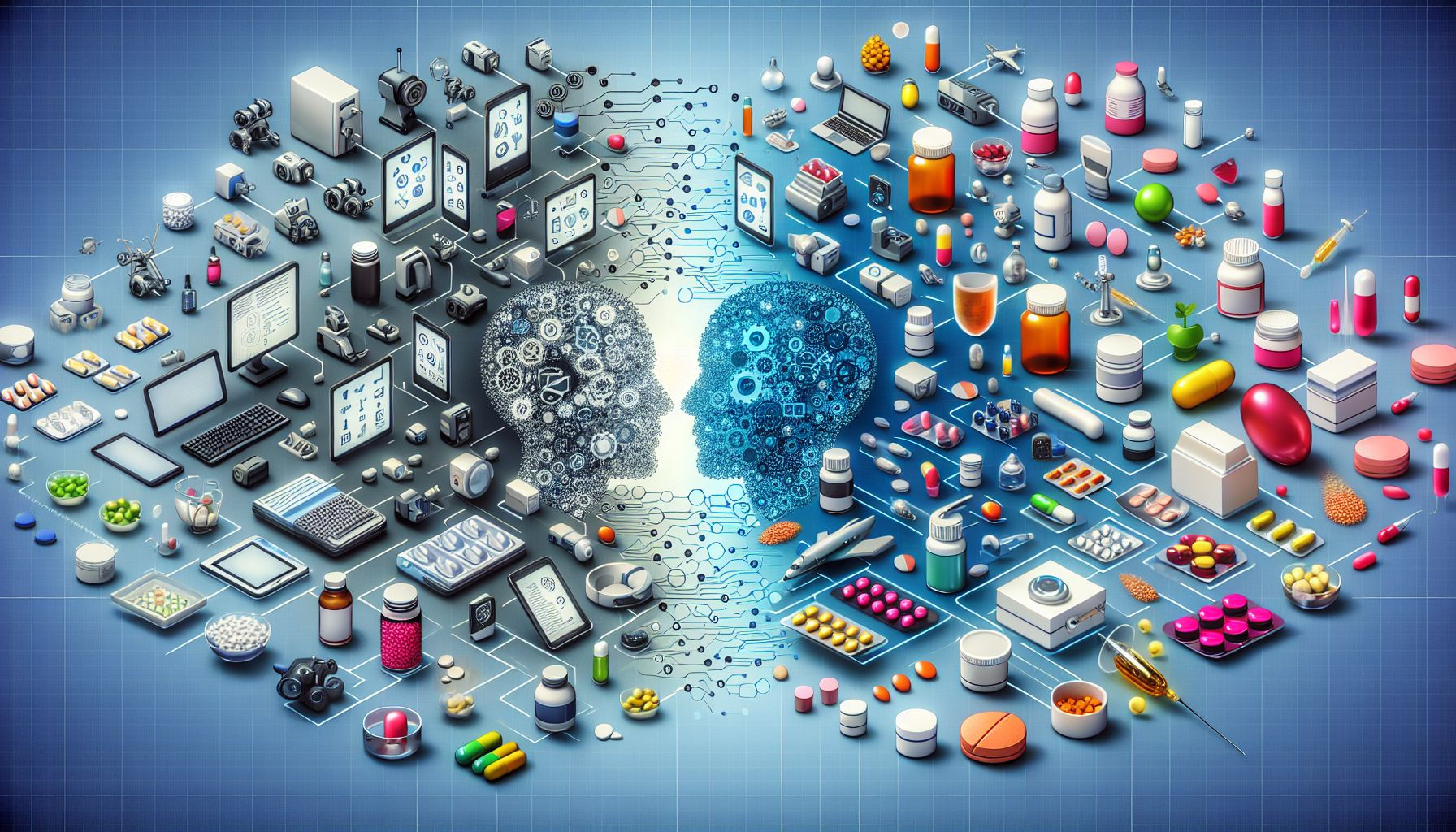
The Intersection of Technology and Pharmaceutical Products
In today’s rapidly evolving world, technology has played a significant role in revolutionizing various industries, including the pharmaceutical sector. The integration of technology in the development and manufacturing processes of pharmaceutical products has led to improved efficiency, accuracy, and ultimately, better healthcare outcomes for patients.
One of the key ways technology has impacted the pharmaceutical industry is through the use of data analytics and artificial intelligence. By harnessing the power of big data and AI, pharmaceutical companies are able to analyze vast amounts of information to identify trends, predict drug interactions, and create personalized treatment plans for patients. This not only speeds up the drug discovery process but also ensures that medications are tailored to individual needs, increasing their effectiveness.
Furthermore, advancements in technology have enabled pharmaceutical companies to streamline their manufacturing processes, resulting in higher quality products and increased productivity. Automated systems and robotics have replaced manual labor in many aspects of drug production, leading to fewer errors and a faster time-to-market for new medications. Additionally, technology has allowed for the development of innovative drug delivery systems, such as implants and patches, that improve patient compliance and reduce the risk of adverse reactions.
In addition to enhancing the development and manufacturing of pharmaceutical products, technology has also had a significant impact on the way these products are distributed and marketed. The rise of e-commerce platforms and telemedicine services has made it easier for patients to access medications and receive medical advice from the comfort of their own homes. Digital marketing strategies, such as social media advertising and targeted online campaigns, have enabled pharmaceutical companies to reach a wider audience and connect with potential customers in a more personalized way.
Despite the many benefits that technology brings to the pharmaceutical industry, there are also challenges that come with its integration. Data security and privacy concerns remain an ongoing issue, as the collection and analysis of sensitive patient information raise ethical questions about who has access to this data and how it is being used. Additionally, the rapid pace of technological advancements means that pharmaceutical companies must constantly adapt to new tools and systems, requiring ongoing training and investment in infrastructure.
Overall, the intersection of technology and pharmaceutical products has unlocked a wealth of opportunities for innovation and improvement in the healthcare sector. By leveraging the power of data analytics, artificial intelligence, and digital marketing, pharmaceutical companies are better equipped to develop, manufacture, and distribute medications that meet the needs of patients in a more efficient and personalized manner. As technology continues to evolve, the future of pharmaceutical products looks brighter than ever before.
The Intersection of Technology and Pharmaceutical Products
In today’s fast-paced world, technology plays a crucial role in almost every industry, and the pharmaceutical sector is no exception. The integration of technology into the development and manufacturing of pharmaceutical products has revolutionized the way drugs are developed, tested, and delivered to patients. The use of various technologies has not only made the process more efficient but has also significantly improved the quality and safety of pharmaceutical products.
One of the key ways in which technology has transformed the pharmaceutical industry is through the use of data analytics. By analyzing large datasets, researchers can identify potential drug candidates more quickly and accurately than ever before. This has led to the development of personalized medicine, where treatments can be tailored to individual patients based on their genetic makeup, lifestyle, and other factors. Data analytics has also improved clinical trials by allowing researchers to better predict the efficacy and safety of new drugs, ultimately speeding up the approval process.
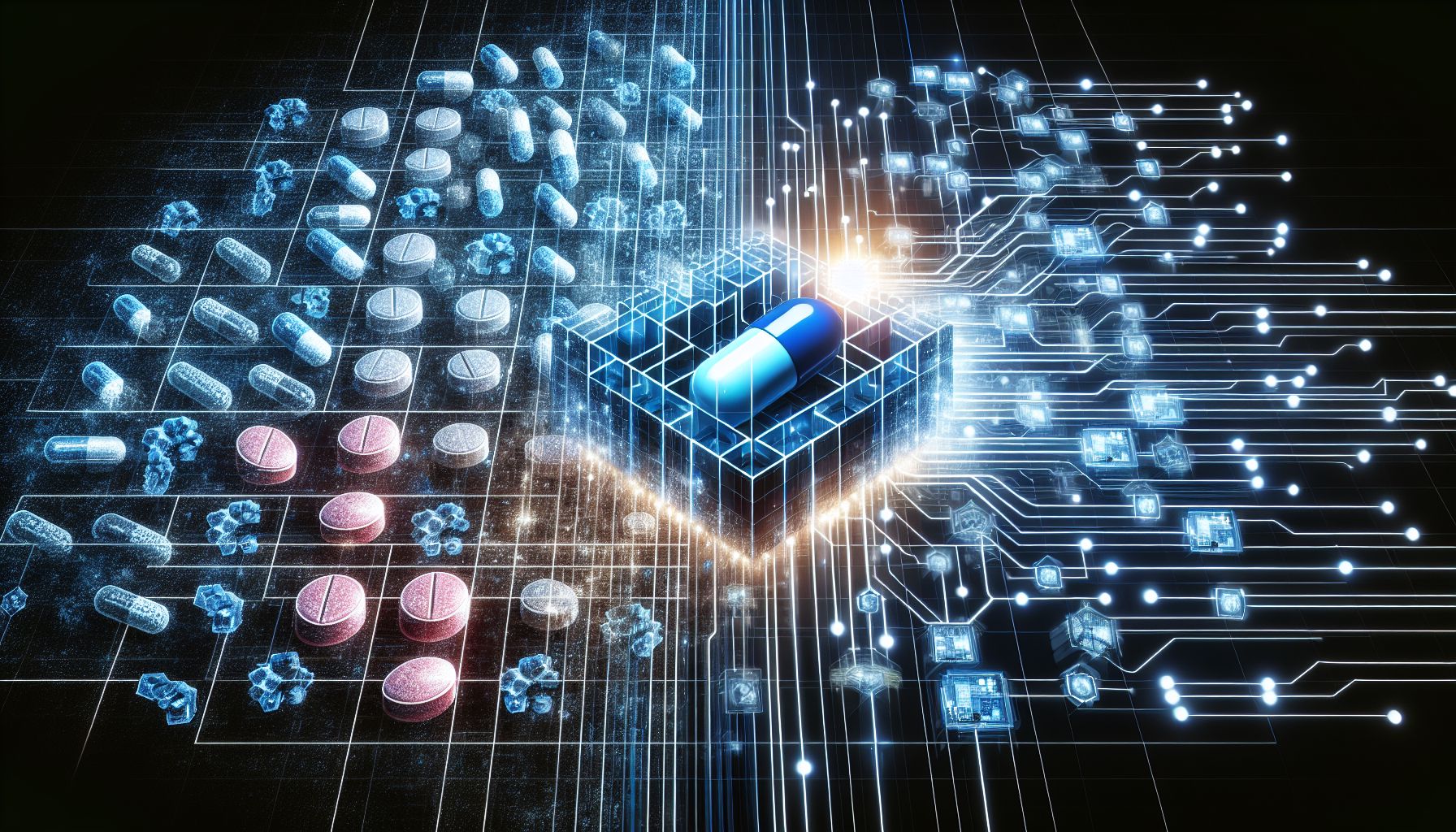
Another technological advancement that has had a profound impact on the pharmaceutical industry is artificial intelligence (AI). AI-powered algorithms can sift through vast amounts of data to identify patterns and trends that would be impossible for humans to discern. This has led to the development of more precise drug delivery systems, improved patient monitoring tools, and enhanced diagnostic methods. AI has also enabled researchers to predict potential side effects of new drugs more accurately, leading to safer pharmaceutical products.
In addition to data analytics and AI, technology has also revolutionized the manufacturing processes of pharmaceutical products. Automation and robotics have increased the speed and efficiency of production, while also reducing the risk of human error. 3D printing technology has enabled the creation of complex drug delivery systems that were previously impossible to manufacture. Nanotechnology has allowed for the development of targeted drug delivery systems that can deliver medication directly to affected cells, minimizing side effects.
In conclusion, the integration of technology into the pharmaceutical industry has brought about significant advancements in drug development, testing, and manufacturing. These technological innovations have not only improved the efficiency and speed of the process but have also led to safer and more effective pharmaceutical products. As technology continues to evolve, we can expect even more groundbreaking developments in the field of pharmaceuticals, ultimately leading to better outcomes for patients around the world.
The Intersection of Technology and Pharmaceutical Products
Technology has revolutionized nearly every industry, and the pharmaceutical sector is no exception. The advancements in technology have significantly impacted the way pharmaceutical products are developed, tested, manufactured, and even marketed. From drug discovery to patient care, technology plays a crucial role in streamlining processes and improving outcomes in the pharmaceutical industry.
One of the ways technology has transformed the pharmaceutical industry is through the use of data analytics and artificial intelligence. These tools allow researchers to analyze vast amounts of data to identify potential drug targets, predict drug interactions, and optimize drug dosages. By harnessing the power of data analytics and AI, pharmaceutical companies can accelerate the drug development process and bring new treatments to market more quickly.
In addition to drug discovery, technology has also revolutionized the way pharmaceutical products are manufactured. Automation and robotics have greatly improved the efficiency and accuracy of manufacturing processes, reducing the risk of errors and contamination. This not only speeds up production but also ensures that pharmaceutical products are of the highest quality and safety standards.
Furthermore, technology has played a significant role in improving patient care and medication adherence. Mobile apps and wearable devices have made it easier for patients to track their medications, set reminders, and communicate with healthcare providers. Telemedicine services allow patients to consult with healthcare professionals remotely, improving access to care and making it easier for patients to adhere to their treatment plans.
Moreover, technology has revolutionized the way pharmaceutical products are marketed and distributed. Digital marketing strategies, social media platforms, and e-commerce websites have allowed pharmaceutical companies to reach a wider audience and engage with consumers in new ways. Online pharmacies and home delivery services have also made it more convenient for patients to access their medications, especially for those with chronic conditions or mobility issues.
In conclusion, the intersection of technology and pharmaceutical products has transformed the industry in countless ways. From drug discovery to patient care, technology has revolutionized every aspect of the pharmaceutical sector, making processes more efficient, products safer and more effective, and improving outcomes for patients. As technology continues to advance, we can expect even more innovations in the pharmaceutical industry, ultimately leading to better treatments and improved healthcare for all.
The Intersection of Technology and Pharmaceutical Products
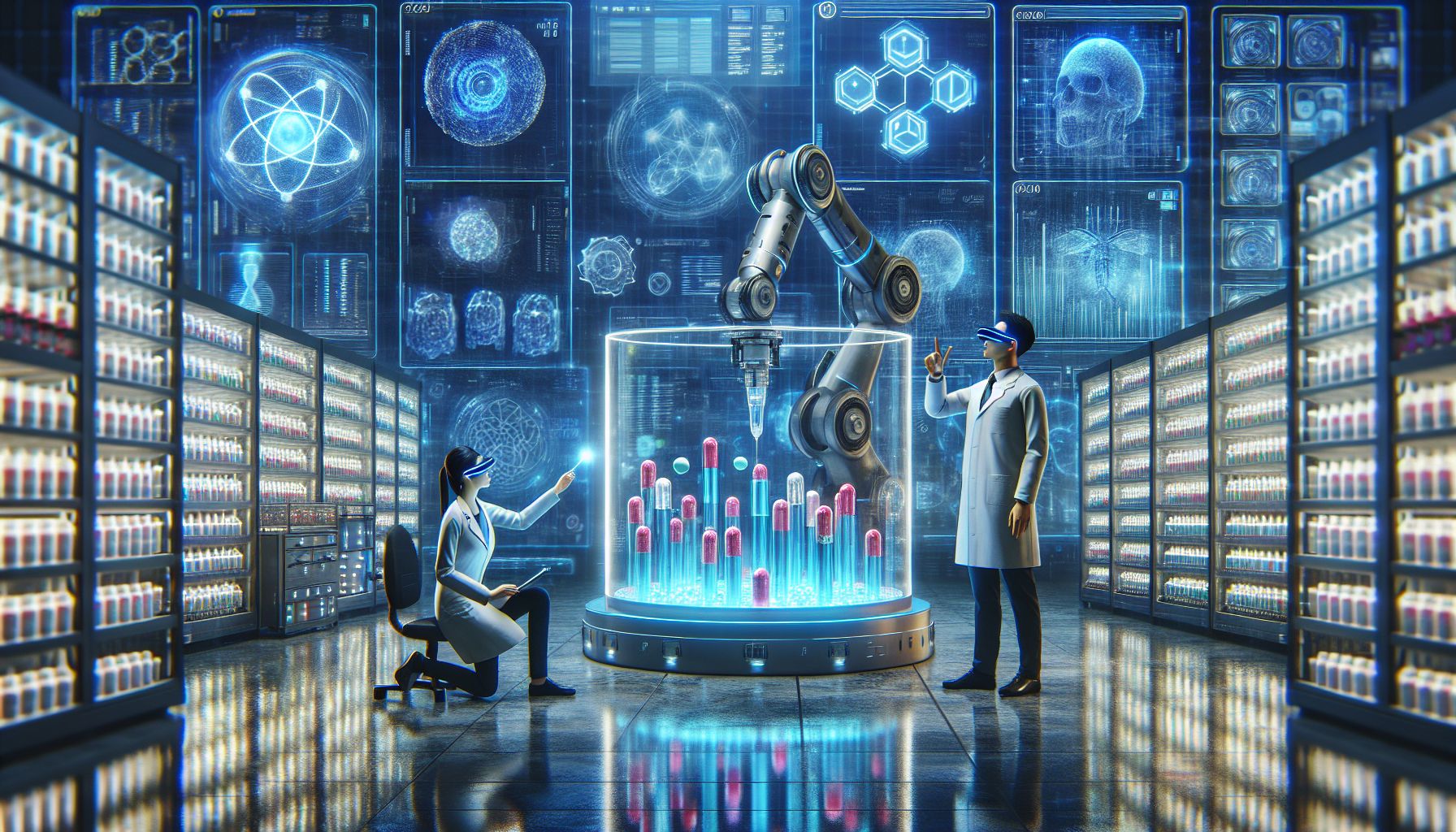
In today’s fast-paced world, technology is advancing at an unprecedented rate. From artificial intelligence to virtual reality, new technologies are constantly emerging and reshaping the way we live our lives. One industry that is particularly benefiting from these advancements is the pharmaceutical industry.
Pharmaceutical companies are increasingly leveraging technology to develop and improve their products. One of the most significant ways in which technology is impacting the pharmaceutical industry is through the use of data analytics. By analyzing vast amounts of data, pharmaceutical companies are able to identify trends, patterns, and insights that can help them develop more effective drugs and treatments.
In addition to data analytics, technologies such as artificial intelligence and machine learning are also playing a crucial role in drug discovery. These technologies can analyze complex biological and chemical data to identify potential drug candidates much more quickly than traditional methods. This has the potential to greatly accelerate the drug development process, ultimately leading to faster and more efficient treatments for patients.
Another way in which technology is influencing pharmaceutical products is through the use of personalized medicine. By leveraging technologies such as genomics and biotechnology, pharmaceutical companies are able to develop drugs that are tailored to an individual’s genetic makeup. This personalized approach to medicine has the potential to revolutionize healthcare by improving treatment outcomes and reducing side effects.
Furthermore, technology is also helping pharmaceutical companies improve the way they manufacture and distribute drugs. For example, the use of automation and robotics in manufacturing processes is increasing efficiency and reducing costs. Additionally, technologies such as blockchain are being used to track and authenticate the supply chain of pharmaceutical products, ensuring that they are safe and authentic.
Despite the many benefits that technology brings to the pharmaceutical industry, there are also challenges that need to be addressed. Issues such as data privacy and security, regulatory concerns, and the ethical implications of using artificial intelligence in drug discovery are all important considerations that need to be carefully navigated.
In conclusion, the intersection of technology and pharmaceutical products holds great promise for the future of healthcare. By leveraging the power of data analytics, artificial intelligence, and personalized medicine, pharmaceutical companies are able to develop more effective drugs, improve treatment outcomes, and ultimately enhance the quality of life for patients. As technology continues to advance, it will be exciting to see how it will continue to shape the future of pharmaceutical products.
The Intersection of Technology and Pharmaceutical Products
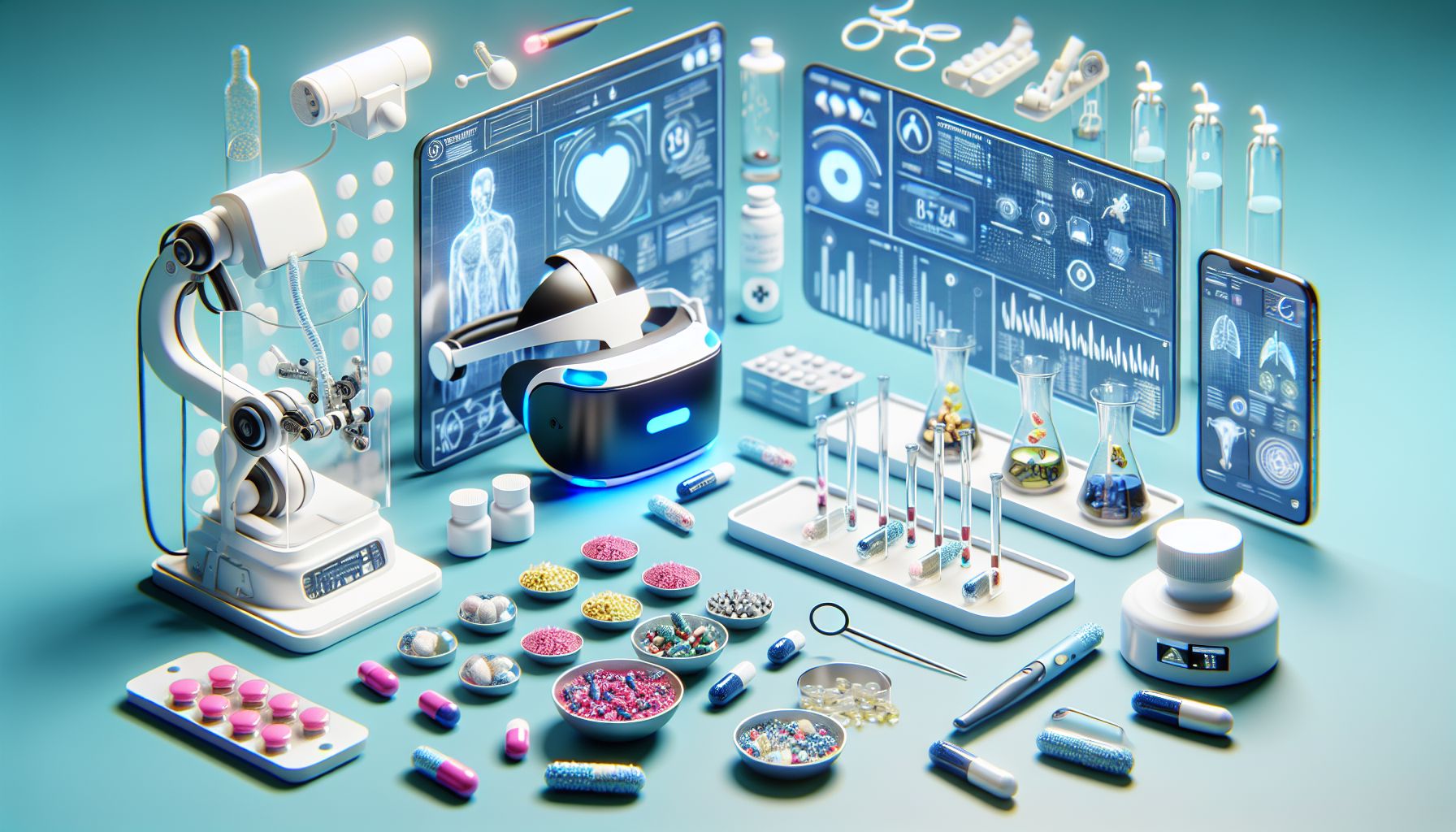
In recent years, technology has been making a significant impact on the pharmaceutical industry. From drug discovery to delivery, technology has been revolutionizing how pharmaceutical products are developed, tested, and brought to market. This intersection of technology and pharmaceutical products has the potential to not only improve the efficiency and effectiveness of treatments but also provide innovative solutions to some of the most pressing healthcare challenges.
One of the areas where technology is making a big difference in the pharmaceutical industry is in drug discovery. Traditional methods of drug discovery can be time-consuming and costly, but with the help of technologies like artificial intelligence and machine learning, researchers are able to analyze vast amounts of data to identify potential drug candidates much more quickly. This has the potential to speed up the drug development process, bringing much-needed treatments to patients faster.
In addition to drug discovery, technology is also playing a role in improving the way pharmaceutical products are tested and trialed. Virtual clinical trials, for example, are becoming increasingly popular, allowing researchers to collect data remotely and potentially reduce the need for in-person visits. This not only makes the trial process more convenient for patients but also has the potential to improve the accuracy and reliability of the data being collected.
When it comes to the delivery of pharmaceutical products, technology is also making a big impact. From smart pills that can track when they have been taken to wearable devices that can monitor a patient’s vital signs, technology is enabling new ways to ensure that patients are adhering to their treatment regimens and are receiving the best possible care. This can be especially important for patients with chronic conditions who require ongoing treatment and monitoring.
Overall, the intersection of technology and pharmaceutical products has the potential to drive significant advancements in healthcare. By leveraging the power of technology, researchers and healthcare providers are able to develop more effective treatments, improve patient outcomes, and ultimately save lives. As technology continues to evolve, we can expect to see even more innovative solutions that will further revolutionize the pharmaceutical industry and improve the way we approach healthcare.
In conclusion, the impact of technology on pharmaceutical products cannot be overstated. From drug discovery to delivery, technology is transforming every aspect of the pharmaceutical industry and opening up new possibilities for improved treatments and better patient care. As we look to the future, the possibilities are endless, and the potential for positive change is truly exciting.