The Intersection of Technology and Pharmaceutical Products
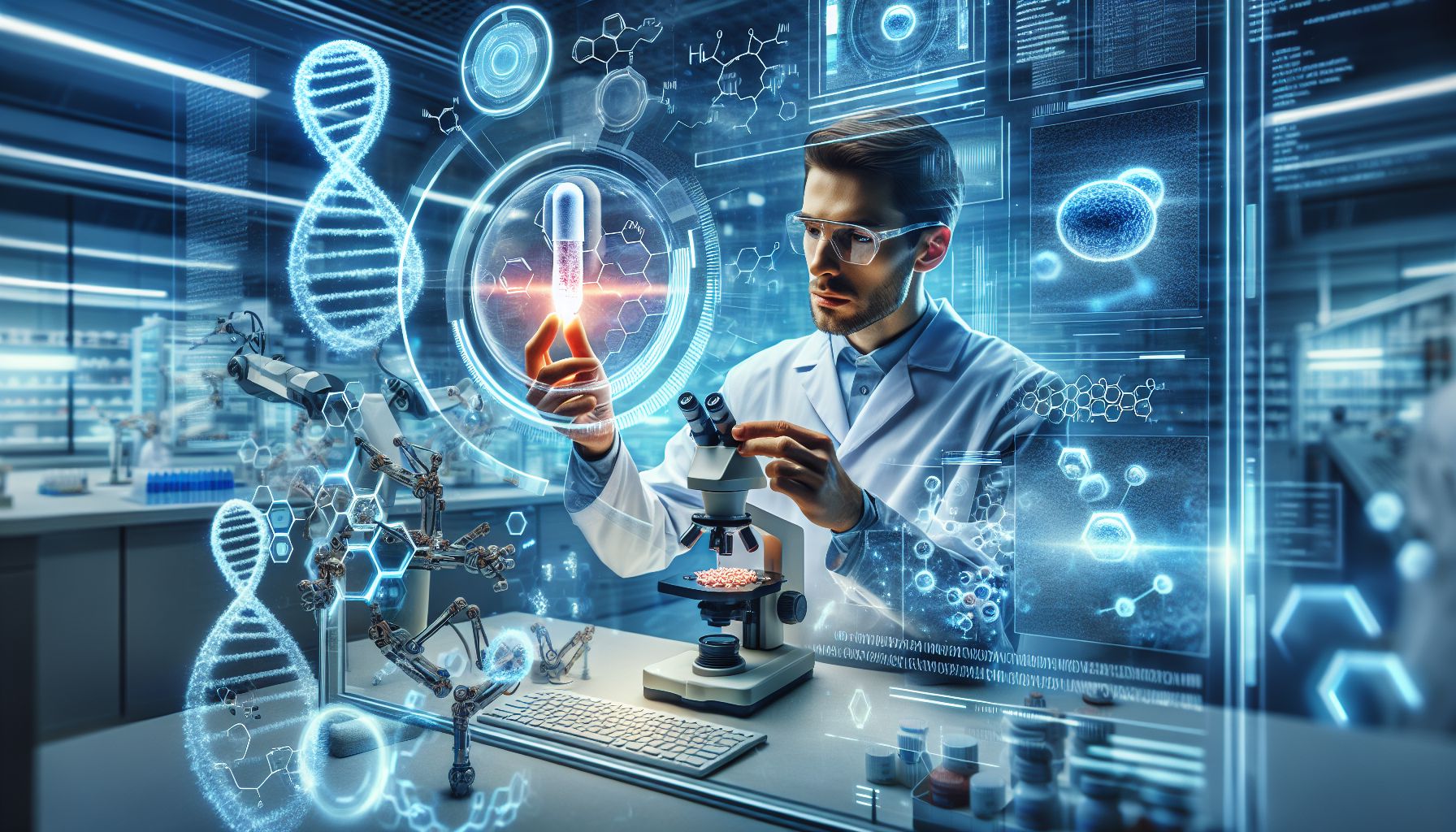
In today’s rapidly advancing technological landscape, innovation is constantly reshaping various industries, and the pharmaceutical sector is no exception. The intersection of technology and pharmaceutical products has revolutionized the way drugs are developed, tested, and distributed, leading to more efficient processes and better patient outcomes.
One of the key ways in which technology has transformed the pharmaceutical industry is through the digitization of data. With the advent of electronic health records and analytics tools, researchers can now access and analyze vast amounts of patient data to identify trends, predict outcomes, and tailor treatments to individual needs. This has not only accelerated the drug discovery process but has also paved the way for personalized medicine, where treatments are customized based on a patient’s genetic makeup and medical history.
Moreover, advancements in artificial intelligence and machine learning have enabled pharmaceutical companies to streamline drug development by conducting virtual clinical trials, modeling drug interactions, and predicting potential side effects. These technologies have the potential to significantly reduce the time and cost associated with bringing new drugs to market, ultimately benefiting patients by providing faster access to innovative treatments.
Another area where technology has made a significant impact is in the realm of telemedicine and remote patient monitoring. With the rise of wearable devices and telehealth platforms, patients can now receive medical consultations, monitor their health metrics, and even participate in clinical trials from the comfort of their own homes. This not only enhances patient convenience and access to care but also opens up new opportunities for pharmaceutical companies to gather real-time data and feedback on their products.
In the realm of drug manufacturing and distribution, technologies such as 3D printing and blockchain have revolutionized supply chain management and quality control processes. 3D printing, for example, has enabled the production of complex drug formulations with greater precision and efficiency, while blockchain technology has enhanced the transparency and traceability of pharmaceutical products, reducing the risk of counterfeiting and ensuring product integrity throughout the supply chain.
In conclusion, the integration of technology into the pharmaceutical industry has yielded numerous benefits, from accelerating drug development and personalizing treatments to improving patient access and safety. As technology continues to evolve, so too will the ways in which pharmaceutical products are developed, tested, and delivered, ultimately leading to a healthier and more connected future for patients worldwide.
The Intersection of Technology and Pharmaceutical Products
Technology has been transforming the way we live and work for decades, and the pharmaceutical industry is no exception. In recent years, the integration of technology into the development and production of pharmaceutical products has led to significant advancements in the field. From personalized medicine to improved drug delivery systems, technology is revolutionizing the way we treat and manage health conditions.
One of the most significant ways technology has impacted pharmaceutical products is in the realm of personalized medicine. With advancements in genetic testing and data analysis, doctors can now tailor medications to individual patients based on their genetic makeup. This has led to more effective treatments with fewer side effects, ultimately improving patient outcomes.
In addition to personalized medicine, technology has also revolutionized drug delivery systems. Gone are the days of simple pills and injections – today, pharmaceutical companies are developing innovative ways to deliver medications more efficiently and effectively. From targeted drug delivery systems that deliver medication directly to the affected area of the body to implantable devices that release medication over time, technology is helping to improve the way we administer and absorb medications.
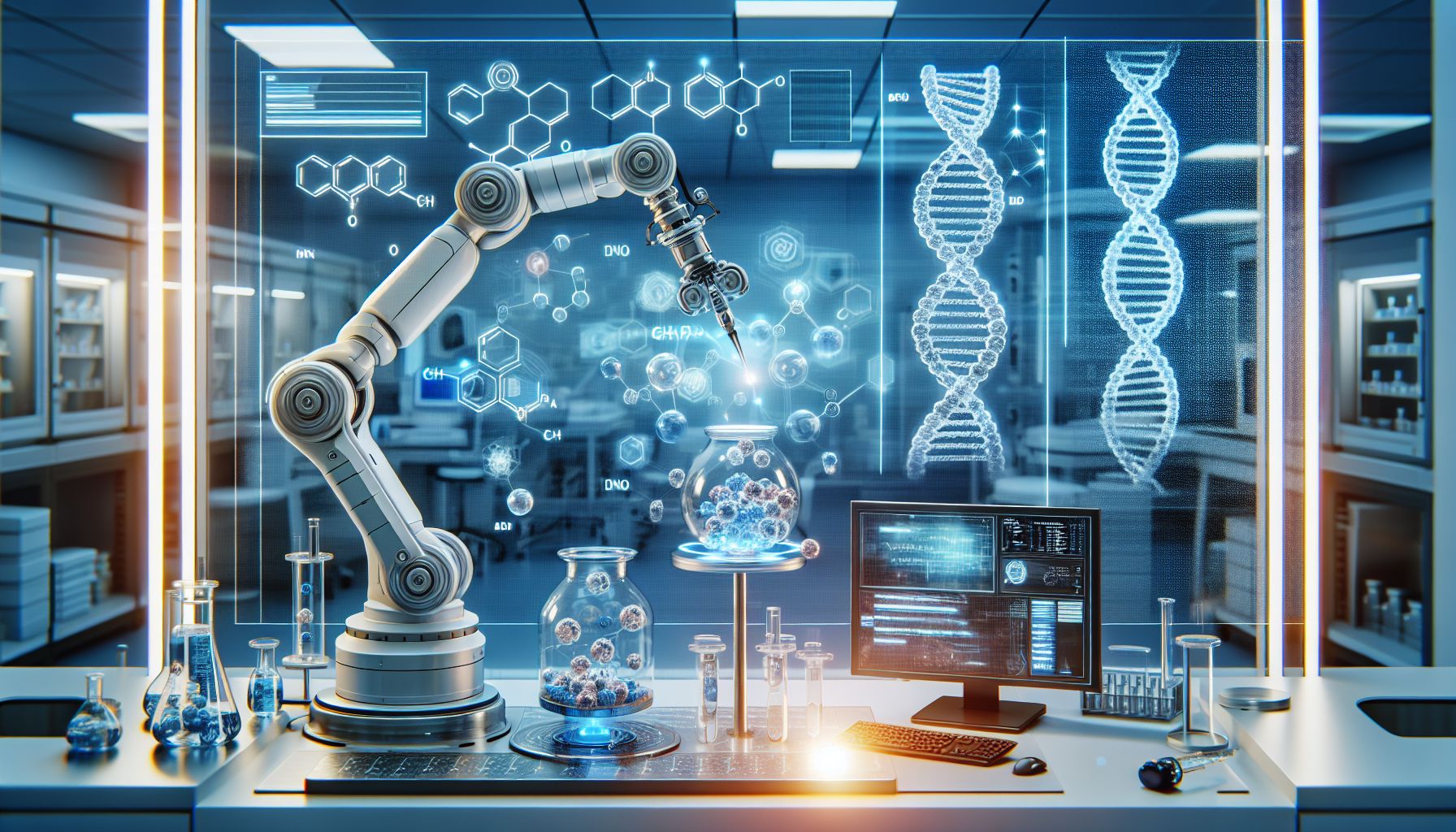
Furthermore, technology is also playing a crucial role in the development and manufacturing of pharmaceutical products. With the help of automation and robotics, pharmaceutical companies can now produce medications more quickly and accurately than ever before. This not only helps to reduce the cost of production but also ensures that medications are of the highest quality.
Moreover, the rise of artificial intelligence (AI) and machine learning in the pharmaceutical industry is opening up new possibilities for drug discovery and development. By analyzing vast amounts of data and identifying patterns, AI algorithms can help researchers identify new drug targets and predict how certain compounds will interact with the body. This has the potential to significantly speed up the drug development process and bring new medications to market more quickly.
In conclusion, the intersection of technology and pharmaceutical products is transforming the way we approach healthcare and treat diseases. From personalized medicine to advanced drug delivery systems, technology is helping to improve the efficiency, accuracy, and effectiveness of pharmaceutical products. As technology continues to advance, we can expect to see even more innovative solutions that will revolutionize the field of healthcare and improve patient outcomes.
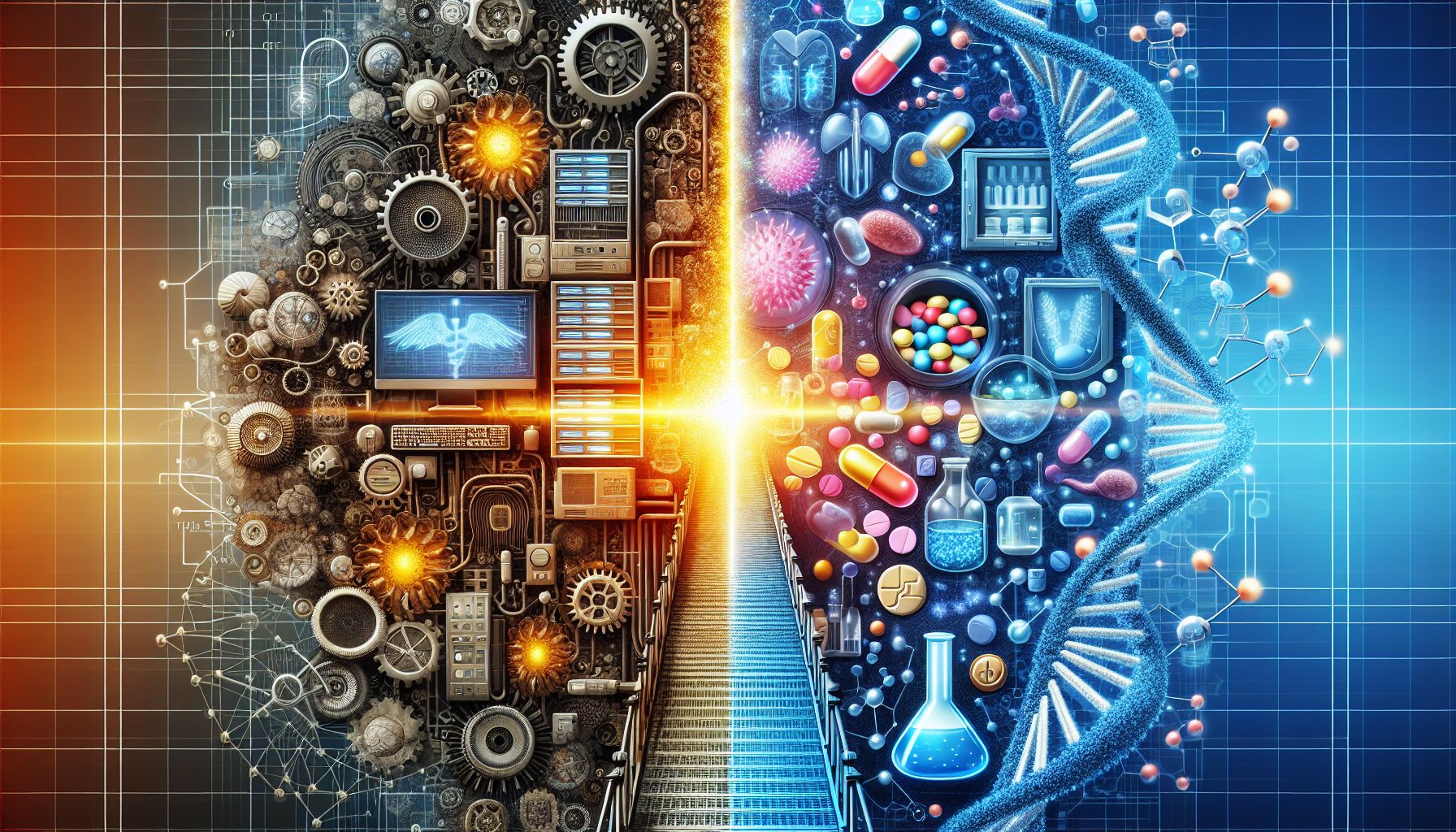
The Synergistic Relationship Between Technology and Pharmaceutical Products
In today’s rapidly advancing world, technology has played a crucial role in transforming many industries, including the pharmaceutical sector. The integration of technology into the development and production of pharmaceutical products has led to significant advancements in healthcare delivery and patient outcomes.
One of the key areas where technology has greatly impacted the pharmaceutical industry is in the research and development of new drugs. High-performance computing and big data analytics have revolutionized the drug discovery process, allowing researchers to analyze vast amounts of data and identify potential drug candidates much more efficiently. This has led to the development of new drugs that target specific diseases with greater precision and effectiveness.
Furthermore, advancements in technology have also improved the manufacturing process of pharmaceutical products. Automation and robotics have enabled pharmaceutical companies to streamline production and ensure consistent quality control. This has not only increased the efficiency of drug manufacturing but also reduced the risk of human error, ultimately leading to safer and more reliable drugs for patients.
In addition, technology has played a crucial role in improving patient care and medication adherence. Mobile health apps and wearable devices have enabled patients to track their medication schedules, monitor their health metrics, and communicate with healthcare providers more easily. This has led to better patient outcomes and increased medication adherence, ultimately improving the overall effectiveness of pharmaceutical products.
Moreover, the use of technology in the pharmaceutical industry has also contributed to the rise of personalized medicine. By leveraging data analytics and genetic testing, healthcare providers can now tailor treatment plans to individual patients based on their unique genetic makeup and health needs. This personalized approach has the potential to revolutionize the way diseases are treated and managed, ultimately leading to better patient outcomes.
Overall, the synergistic relationship between technology and pharmaceutical products has had a profound impact on the healthcare industry. From drug discovery and manufacturing to patient care and personalized medicine, technology has revolutionized the way pharmaceutical products are developed, produced, and delivered to patients. As technology continues to advance, we can expect even greater innovations in the pharmaceutical sector, ultimately leading to improved healthcare outcomes for patients around the world.
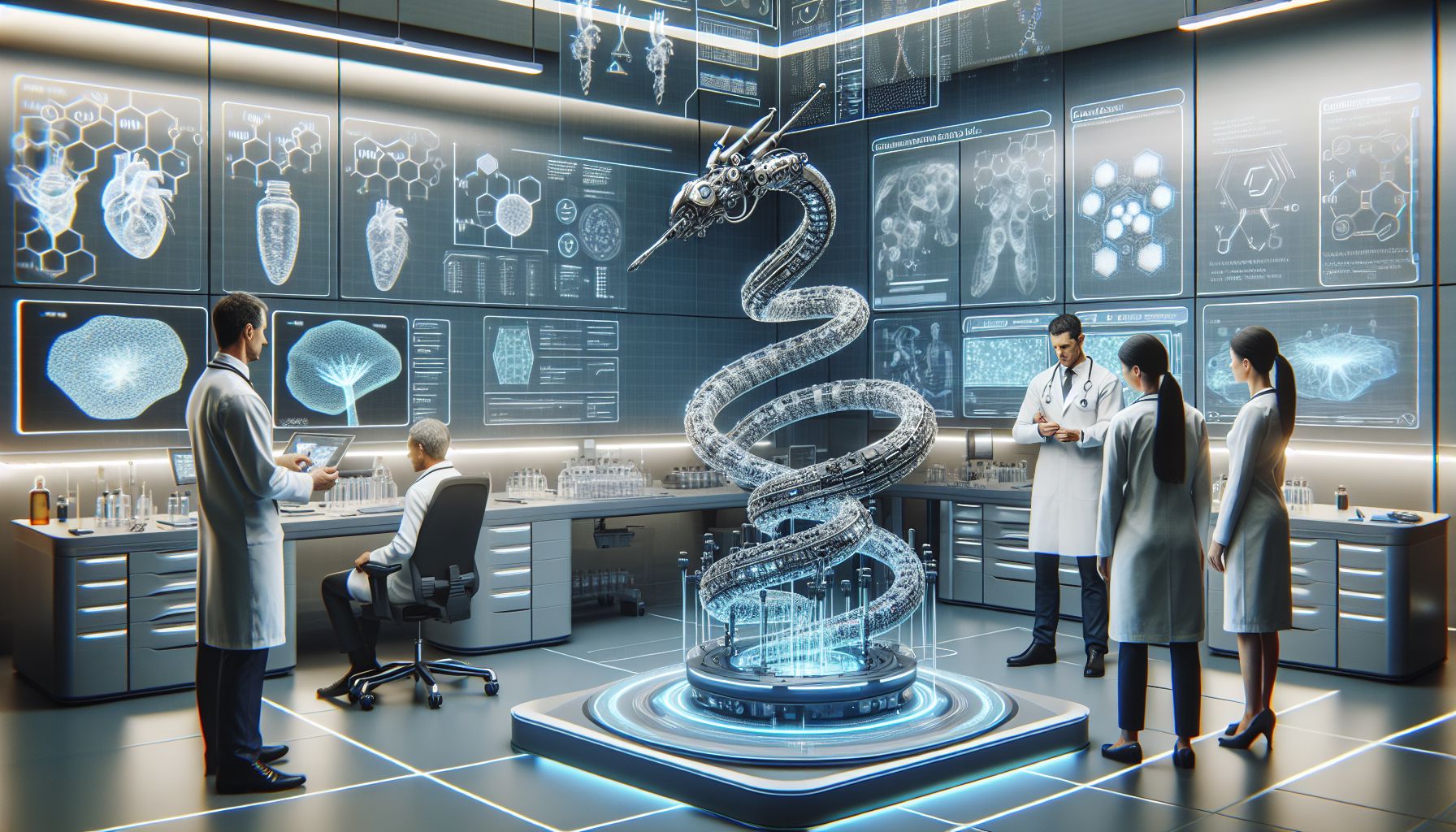
The Intersection of Technology and Pharmaceuticals
In today’s rapidly advancing world, technological innovations have been transforming every industry, including the pharmaceutical sector. These advancements are changing the way drugs are developed, tested, manufactured, and even marketed to consumers. The integration of technology into pharmaceutical products has opened up endless possibilities for improving healthcare outcomes and patient experiences.
One of the most significant ways in which technology is revolutionizing the pharmaceutical industry is through the use of artificial intelligence (AI). AI algorithms are being utilized to analyze vast amounts of data to identify potential drug candidates more efficiently. This has significantly sped up the drug discovery process, which traditionally takes many years and billions of dollars to bring a new drug to market. With AI, researchers can now predict how a drug will behave in the human body without the need for lengthy and costly experiments.
Another significant advancement in the pharmaceutical industry is the use of 3D printing technology. This innovation allows for the manufacturing of personalized medicines tailored to individual patients’ needs. 3D-printed pills can be customized in terms of dosage, release rate, and even shape, making it easier for patients to adhere to their medication regimens. This technology has the potential to revolutionize the way drugs are manufactured and prescribed, leading to more effective treatments and better patient outcomes.
Additionally, the Internet of Things (IoT) has enabled the development of smart medical devices that can monitor patients’ health in real-time. These connected devices can collect and transmit valuable data to healthcare providers, allowing for more personalized and timely interventions. For example, smart inhalers for asthma patients can track medication usage and provide feedback on proper inhaler technique, ultimately improving treatment effectiveness.
Furthermore, blockchain technology is being explored in the pharmaceutical industry to enhance supply chain transparency and combat counterfeit drugs. By implementing blockchain-based systems, pharmaceutical companies can track the entire journey of a drug from manufacturing to consumption, ensuring its authenticity and safety. This technology can help prevent the distribution of fake or substandard medications, ultimately protecting patient health.
In conclusion, the integration of technology into pharmaceutical products is driving innovation and transforming the way healthcare is delivered. From AI-powered drug discovery to 3D-printed personalized medicines and IoT-enabled medical devices, these advancements are shaping the future of medicine. By embracing these technological innovations, the pharmaceutical industry can continue to improve patient outcomes and enhance the overall healthcare experience. The possibilities are endless, and the potential for positive impact is immense.
The Intersection of Technology and Pharmaceutical Products
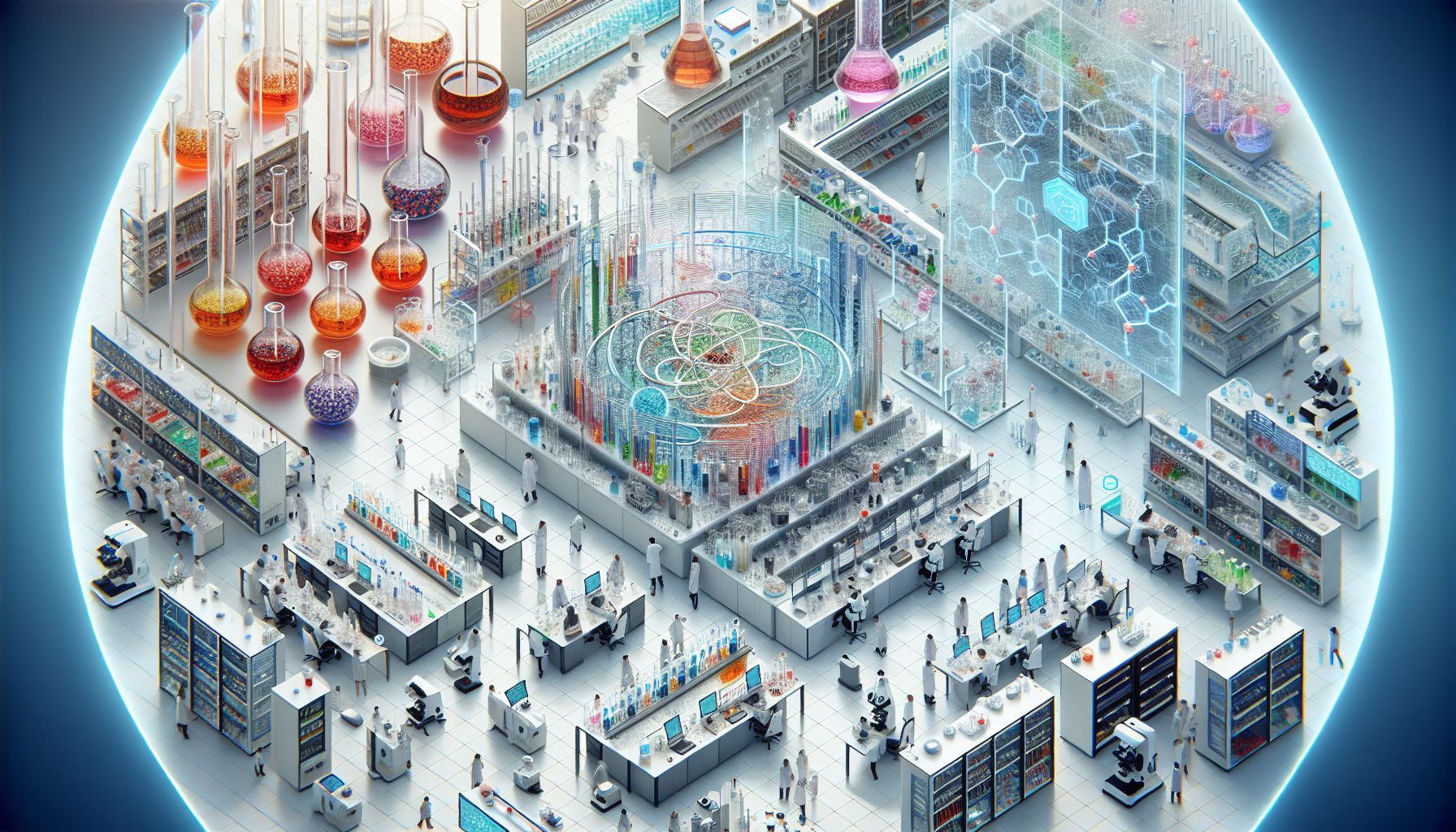
In recent years, technological advancements have revolutionized the pharmaceutical industry, leading to the development of innovative products and improved healthcare outcomes. From drug discovery to patient care, technology has played a crucial role in transforming the way pharmaceutical products are developed, manufactured, and distributed.
One of the most significant contributions of technology to the pharmaceutical industry is in the area of drug discovery. Through the use of artificial intelligence and machine learning algorithms, researchers are able to analyze vast amounts of data to identify potential drug candidates more efficiently. This has greatly accelerated the drug development process, allowing for the quicker identification of promising compounds and the faster delivery of new, life-saving medications to patients.
In addition to drug discovery, technology has also significantly impacted the manufacturing process of pharmaceutical products. Automation and robotics have been introduced in many pharmaceutical production facilities, leading to increased efficiency, reduced errors, and improved quality control. This has not only helped to streamline the manufacturing process but has also ensured the consistency and safety of pharmaceutical products.
Furthermore, technology has revolutionized the way pharmaceutical products are distributed and administered to patients. The development of smart packaging and tracking systems has enabled pharmaceutical companies to monitor the distribution of their products more effectively, ensuring that medications reach patients in a timely manner and are stored under the appropriate conditions. Additionally, advancements in telemedicine and digital health platforms have made it easier for patients to access healthcare services and adhere to their medication regimens.
Overall, the integration of technology into the pharmaceutical industry has brought about numerous benefits for both patients and healthcare providers. The development of innovative products and the streamlining of manufacturing and distribution processes have led to improved healthcare outcomes and a higher standard of patient care. As technology continues to evolve, the future of pharmaceutical products looks promising, with even more groundbreaking advancements on the horizon.
In conclusion, the intersection of technology and pharmaceutical products has ushered in a new era of innovation and progress in the healthcare industry. From drug discovery to patient care, technology has played a crucial role in improving the efficiency, safety, and effectiveness of pharmaceutical products. As we look towards the future, it is clear that technology will continue to drive advancements in the pharmaceutical industry, ultimately leading to better health outcomes for patients around the world.

The Intersection of Technology and Pharmaceutical Products
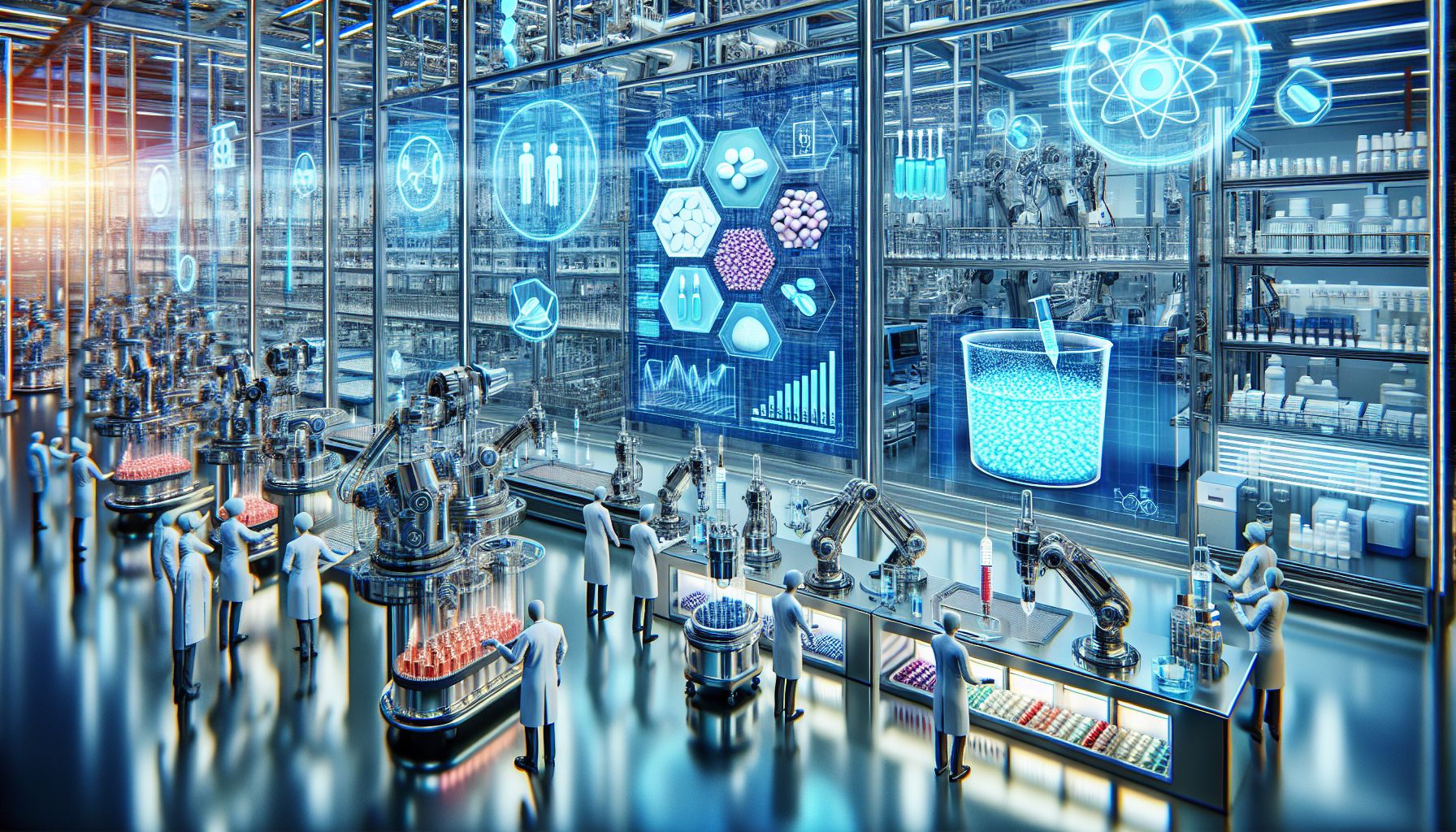
Technology has rapidly been changing the landscape of virtually every industry, and the pharmaceutical sector is no exception. In recent years, the integration of technology into pharmaceutical products has revolutionized the way medications are developed, distributed, and administered. This fusion of technology and pharmaceuticals has led to advancements that have improved patient care, enhanced drug effectiveness, and increased safety.
One of the most significant benefits of technology in the pharmaceutical industry is the development of personalized medicine. Through the use of genetic testing and data analysis, pharmaceutical companies can now tailor treatments to individual patients based on their genetic makeup. This personalized approach not only increases the effectiveness of medications but also reduces the risk of adverse reactions. For example, cancer patients can now receive customized chemotherapy treatments based on their specific genetic mutations, improving their chances of successful outcomes.
In addition to personalized medicine, technology has also transformed drug delivery methods. From innovative devices like inhalers and insulin pumps to sophisticated drug-coated implants, technology has made it easier for patients to receive their medications in a safe and efficient manner. For example, the development of smart pills that can track patient adherence and transmit data to healthcare providers has helped improve medication adherence rates and patient outcomes.
Furthermore, technology has played a vital role in improving the efficiency and accuracy of pharmaceutical research and development. High-throughput screening and computer modeling have revolutionized the drug discovery process, allowing researchers to identify potential drug candidates more quickly and accurately. Additionally, technologies like artificial intelligence and machine learning are being used to analyze vast amounts of data and predict how drugs will interact with the human body, speeding up the development process and reducing costs.
While the integration of technology into pharmaceutical products has brought about numerous benefits, it has also raised concerns about data privacy and security. As pharmaceutical companies collect and analyze more patient data, there is a growing need to ensure that this information is protected from cyber threats and misuse. Companies must implement robust cybersecurity measures and adhere to strict regulatory guidelines to safeguard patient information and maintain trust within the healthcare system.
In conclusion, the intersection of technology and pharmaceutical products has led to groundbreaking advancements that have improved patient care, enhanced drug effectiveness, and transformed the drug development process. While there are challenges to overcome, the benefits of integrating technology into the pharmaceutical industry far outweigh the risks. As technology continues to evolve, we can expect to see even more innovative solutions that will revolutionize healthcare and improve patient outcomes.


The Intersection of Technology and Pharmaceuticals
In recent years, there has been a significant shift in the way pharmaceutical products are developed, tested, and distributed, thanks to advancements in technology. From digital therapeutics to AI-driven drug discovery, the intersection of technology and pharmaceuticals is revolutionizing the healthcare landscape.
One of the most notable areas where technology is making a significant impact is in the development of new drugs. Traditionally, drug discovery and development is a lengthy and expensive process that can take years and cost billions of dollars. However, with the help of AI and machine learning algorithms, researchers can now sift through vast amounts of data to identify potential drug candidates much faster and more efficiently than ever before.
Another way technology is transforming the pharmaceutical industry is through the use of digital therapeutics. These are software-based treatments that deliver therapeutic interventions directly to patients, often in the form of mobile apps or online platforms. Digital therapeutics have the potential to improve patient outcomes, increase treatment adherence, and reduce healthcare costs, making them an attractive option for both patients and providers.
In addition to drug development and digital therapeutics, technology is also playing a crucial role in the manufacturing and distribution of pharmaceutical products. Automated systems and robotics are being used in many pharmaceutical facilities to streamline production processes and ensure quality control. This not only helps to reduce the risk of human error but also increases efficiency and reduces the time it takes to get drugs to market.
Furthermore, technologies such as blockchain are being used to track and verify the authenticity of pharmaceutical products throughout the supply chain. This is particularly important in the fight against counterfeit drugs, which can pose serious risks to patient safety. By using blockchain technology, pharmaceutical companies can create a secure and transparent system that ensures the integrity of their products from the manufacturing plant to the pharmacy shelf.
In conclusion, the integration of technology into the pharmaceutical industry has the potential to revolutionize healthcare as we know it. From speeding up drug discovery to improving treatment outcomes and ensuring the safety and authenticity of pharmaceutical products, the possibilities are endless. As technology continues to advance, we can expect to see even more innovative solutions that will reshape the way we think about healthcare.


The Marriage of Technology and Pharmaceutical Products
In today’s fast-paced world, the advancement of technology has revolutionized various industries, including the pharmaceutical sector. Technology has played a crucial role in the development, production, and distribution of pharmaceutical products, leading to significant improvements in healthcare outcomes and patient care.
One of the key ways in which technology has impacted the pharmaceutical industry is through the process of drug discovery and development. Technology, such as artificial intelligence and machine learning, has enabled researchers to analyze vast amounts of data quickly and efficiently, leading to the discovery of new drug candidates and the development of more effective treatments for various diseases. This has significantly expedited the drug development process, reducing the time and cost of bringing new drugs to market.
Furthermore, technology has also transformed the manufacturing process of pharmaceutical products. Automation and robotics have been introduced in pharmaceutical manufacturing facilities, leading to higher precision, efficiency, and quality control. This has not only improved the production of pharmaceutical products but also reduced the risk of human error and contamination, ensuring the safety and efficacy of the medications produced.
In addition to drug discovery and manufacturing, technology has also played a crucial role in the distribution and delivery of pharmaceutical products. The development of electronic health records, telemedicine, and mobile health applications have enabled healthcare providers to better track patient information, monitor medication adherence, and provide real-time support to patients. This has resulted in improved patient outcomes, reduced healthcare costs, and enhanced patient engagement and satisfaction.
Moreover, the emergence of technologies such as 3D printing has revolutionized the production of personalized medicine, enabling the customization of pharmaceutical products according to individual patient needs and preferences. This has led to the development of more targeted therapies, improved treatment outcomes, and reduced side effects for patients.
In conclusion, the integration of technology into the pharmaceutical industry has brought about significant advancements in drug discovery, development, manufacturing, distribution, and delivery. These advancements have not only improved the efficiency and effectiveness of pharmaceutical products but have also enhanced patient care and outcomes. As technology continues to evolve, the marriage of technology and pharmaceutical products will undoubtedly lead to further innovations and improvements in healthcare, ultimately benefiting patients and society as a whole.
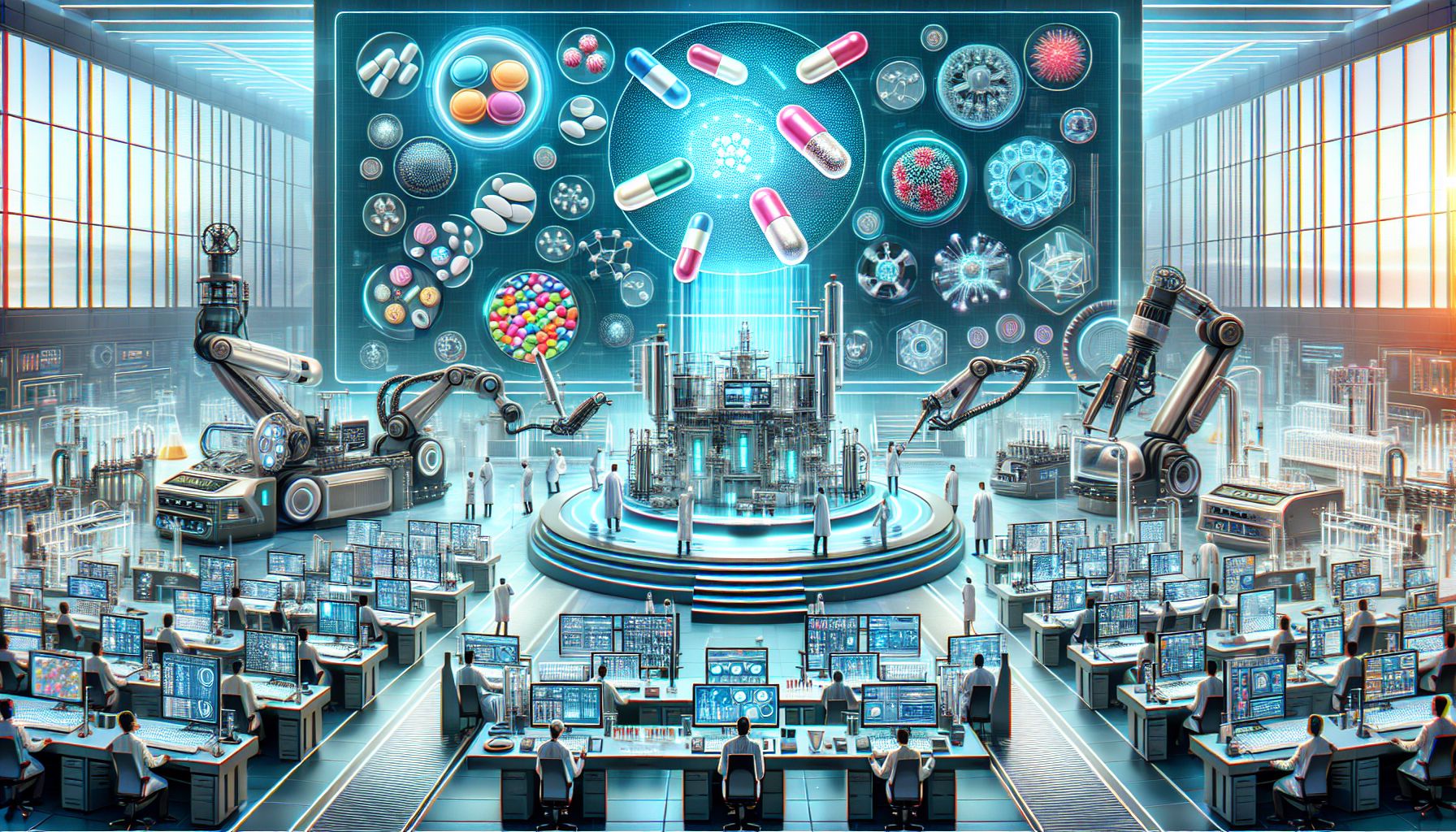
The article takes a look at the impact of technology on the pharmaceutical industry, highlighting advancements in drug discovery, manufacturing, distribution, and delivery. It emphasizes the benefits of integrating technology into pharmaceutical products for improved healthcare outcomes and patient care.

The Intersection of Technology and Pharmaceutical Products
Technology has revolutionized every aspect of our lives, including the healthcare industry. With the advancement of technology, pharmaceutical companies are now able to develop more effective and personalized products to treat various diseases and health conditions. The integration of technology in pharmaceutical products has led to significant improvements in drug delivery, patient care, and drug development processes.
One of the key benefits of technology in pharmaceutical products is the development of targeted drug delivery systems. By utilizing nanotechnology and micro technology, pharmaceutical companies are able to create drug delivery systems that target specific cells or organs in the body. This targeted approach not only increases the effectiveness of the drug but also reduces the side effects on healthy tissues. For example, cancer patients can now benefit from chemotherapy drugs that target only the cancer cells, minimizing damage to healthy cells.
Additionally, technology has enabled pharmaceutical companies to develop personalized medicine for individuals. Through genetic testing and data analytics, pharmaceutical companies can now create drugs that are tailored to a patient’s unique genetic makeup. This personalized approach ensures that each patient receives the most effective treatment for their condition, reducing the likelihood of adverse reactions and improving overall treatment outcomes.
Moreover, technology has greatly improved the drug development process. With the use of advanced computer modeling and simulation techniques, pharmaceutical companies can now identify potential drug candidates more efficiently and accurately. This has significantly reduced the time and cost involved in bringing a new drug to market, allowing patients to access life-saving medications more quickly.
In the realm of patient care, technology has also played a crucial role in improving medication adherence and management. Smartphone apps and wearable devices can now remind patients to take their medications on time, track their adherence, and provide personalized health insights. This not only helps patients stay on track with their treatment but also allows healthcare providers to monitor their progress remotely and make timely interventions if needed.
In conclusion, the integration of technology in pharmaceutical products has brought about immense benefits for both patients and healthcare providers. From targeted drug delivery systems to personalized medicine and improved drug development processes, technology has transformed the way pharmaceutical products are developed, delivered, and managed. As technology continues to advance, we can expect even more innovative and effective pharmaceutical products to improve the lives of patients around the world.

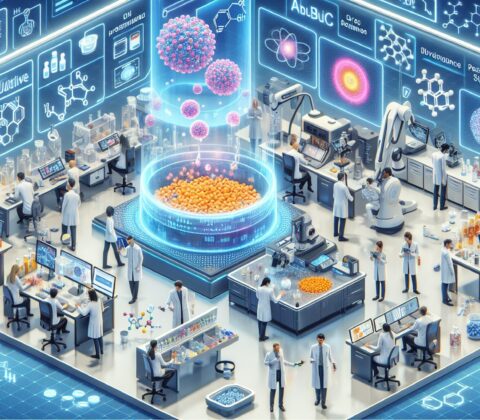
Advancements in Technology: Revolutionizing the Pharmaceutical Industry
Technological advancements have significantly impacted various industries, and the pharmaceutical sector is no exception. With the integration of cutting-edge technologies, pharmaceutical companies are able to streamline their processes, improve research and development efforts, enhance drug delivery systems, and ultimately provide better healthcare solutions to patients.
One of the key ways in which technology has transformed the pharmaceutical industry is through the use of data analytics and artificial intelligence. By harnessing the power of big data, pharmaceutical companies are able to collect, analyze, and interpret vast amounts of information to gain valuable insights into drug development, personalized medicine, and patient outcomes. Artificial intelligence further enhances this capability by enabling predictive modeling, drug discovery, and clinical trial optimization.
In addition to data analytics and AI, the adoption of digital health technologies has revolutionized patient care and medication management. Smart devices, wearables, and mobile apps allow patients to monitor their health in real-time, track medication adherence, and communicate with healthcare providers remotely. These digital solutions not only improve patient outcomes but also enable pharmaceutical companies to gather real-world evidence and feedback to enhance drug efficacy and safety.
Furthermore, advancements in 3D printing technology have revolutionized drug manufacturing and personalized medicine. With the ability to create complex drug formulations, tailored dosages, and customized drug delivery systems, 3D printing has the potential to revolutionize drug production and distribution. This technology offers a more efficient and cost-effective way to produce medications, leading to improved drug efficacy and patient adherence.
Moreover, the use of blockchain technology has enhanced supply chain management and drug traceability in the pharmaceutical industry. By creating transparent and secure digital records of drug transactions, blockchain technology ensures the authenticity, safety, and integrity of pharmaceutical products throughout the supply chain. This helps in preventing counterfeit drugs, reducing medication errors, and improving patient safety.
In conclusion, technology has become an integral part of the pharmaceutical industry, driving innovation, efficiency, and improved patient outcomes. With the continuous evolution of technologies such as data analytics, artificial intelligence, digital health, 3D printing, and blockchain, pharmaceutical companies are better equipped to meet the growing demands of healthcare and deliver cutting-edge solutions that benefit patients worldwide. As we continue to embrace these technological advancements, we can expect to see further advancements in drug development, personalized medicine, and overall healthcare delivery in the years to come.