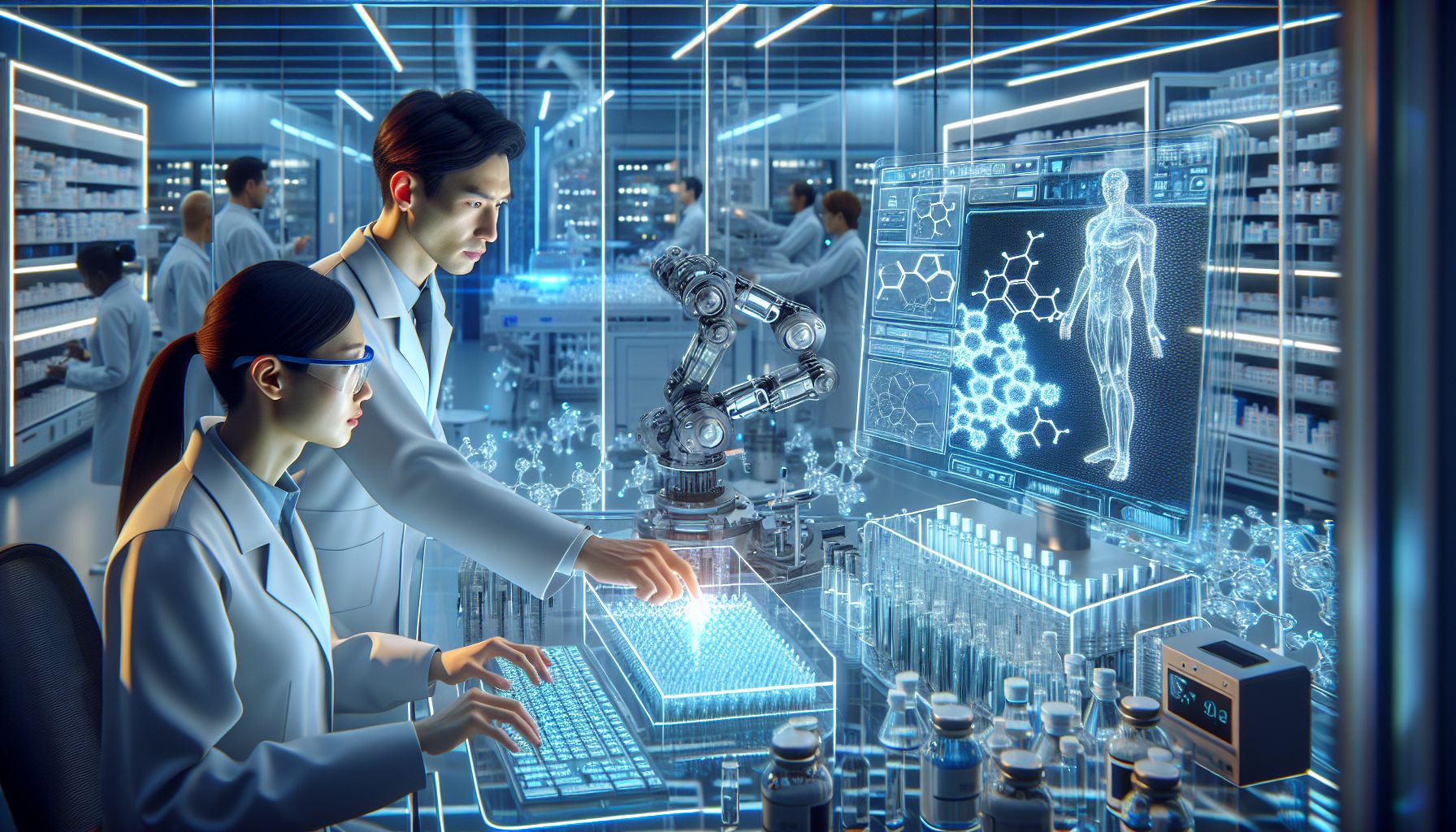
The Fusion of Technology and Pharmaceutical Products
In recent years, the pharmaceutical industry has seen a significant shift towards the integration of technology into the development and production of drugs. This fusion has led to numerous advancements in the field, revolutionizing the way medications are researched, tested, and administered.
One of the most notable ways in which technology has impacted pharmaceutical products is through the use of artificial intelligence (AI) and machine learning. These technologies have the ability to analyze massive amounts of data at speeds that far exceed human capabilities, allowing researchers to identify potential drug candidates more efficiently. AI can also be used to predict the efficacy and potential side effects of a drug, helping to streamline the drug development process.
Additionally, the use of technology has enabled the development of personalized medicine, where treatments are tailored to individual patients based on their unique genetic makeup. This approach has the potential to improve the effectiveness of medications and reduce the occurrence of adverse reactions.
Another area where technology is making a significant impact is in the delivery of pharmaceutical products. Innovations such as smart pills, implantable drug delivery devices, and wearable technology are changing the way medications are administered. These technologies can help patients adhere to their medication regimens and provide healthcare providers with real-time data on a patient’s health status.
Furthermore, technology has also transformed the way pharmaceutical companies interact with consumers. Digital health platforms, mobile apps, and telemedicine services are giving patients greater access to healthcare information and services. These tools can help individuals track their medications, monitor their health conditions, and communicate with their healthcare providers more effectively.
While the fusion of technology and pharmaceutical products has brought about numerous benefits, it also presents new challenges. Issues such as data security, regulatory compliance, and ethical considerations must be carefully addressed to ensure the safe and responsible use of technology in healthcare.
In conclusion, the integration of technology into the pharmaceutical industry has had a profound impact on the way medications are researched, developed, and delivered. From AI-powered drug discovery to personalized medicine and digital health platforms, technology is reshaping the future of healthcare. As these advancements continue to evolve, it is essential for pharmaceutical companies, healthcare providers, and regulators to work together to harness the full potential of technology in improving patient outcomes and advancing the field of medicine.

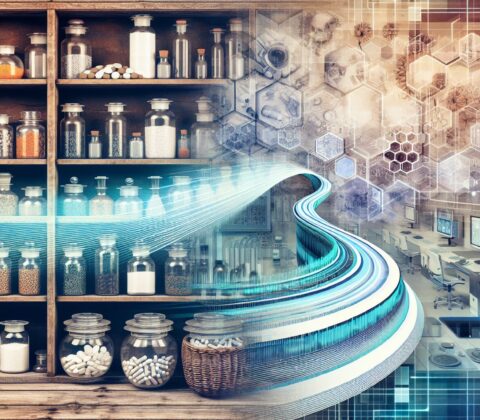
The Impact of Technology on Pharmaceutical Products
Technology has revolutionized almost every aspect of our lives, and the pharmaceutical industry is no exception. From drug discovery to patient care, the integration of technology has significantly improved the development, manufacturing, and distribution of pharmaceutical products.
Drug Discovery
One of the most significant impacts of technology in the pharmaceutical industry is in the area of drug discovery. High-throughput screening, artificial intelligence, and computational modeling have made it possible to speed up the process of identifying potential drug candidates. This has not only reduced the time and cost of drug development but has also led to the discovery of innovative treatments for various diseases.
Manufacturing
Technology has also played a crucial role in improving the manufacturing process of pharmaceutical products. Automation, robotics, and data analytics have enabled pharmaceutical companies to produce drugs more efficiently and with higher quality. This has not only increased productivity but has also ensured that medicines meet the strict regulatory requirements set by governing bodies.
Personalized Medicine
Advancements in technology have also paved the way for personalized medicine, where treatments are tailored to individual patients based on their genetic makeup, lifestyle, and other factors. This has been made possible through the use of technologies such as genomics, proteomics, and wearables. By customizing treatments, personalized medicine not only improves patient outcomes but also reduces the risk of adverse reactions.
Supply Chain Management
Technology has also transformed the way pharmaceutical products are distributed and managed in the supply chain. The use of blockchain technology, IoT devices, and data analytics has improved inventory management, enhanced traceability, and reduced the risk of counterfeit medicines entering the market. This has not only ensured the safety and authenticity of pharmaceutical products but has also increased transparency and efficiency in the supply chain.
Conclusion
In conclusion, technology has had a profound impact on pharmaceutical products, from drug discovery to patient care. The integration of technology has not only accelerated the development and manufacturing of drugs but has also enabled personalized treatments and streamlined supply chain management. As technology continues to advance, the pharmaceutical industry can expect even more innovations that will improve the quality, accessibility, and effectiveness of pharmaceutical products.
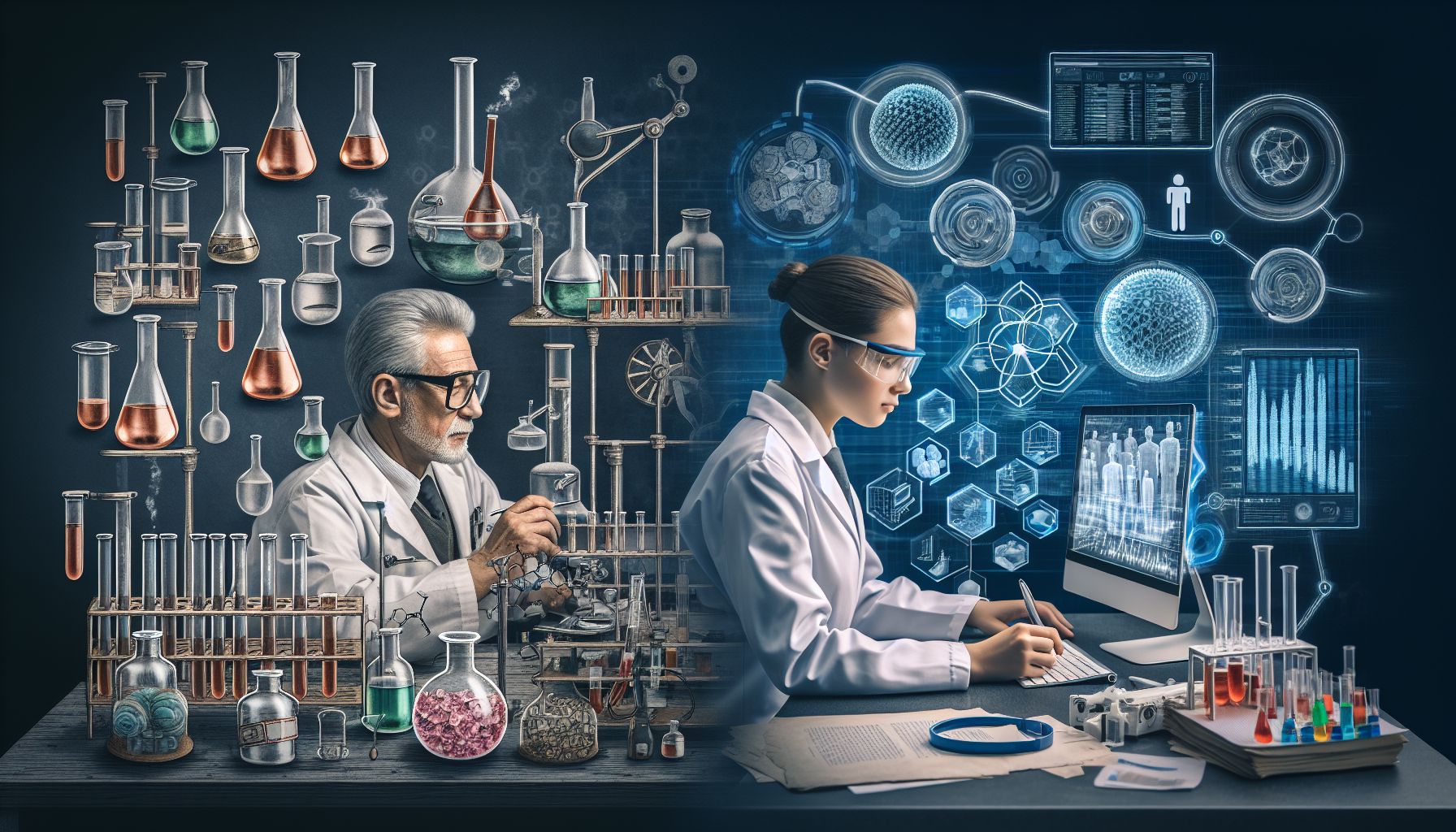

Transforming the Pharmaceutical Industry: The Role of Technology
Technology continues to play a significant role in transforming various industries, and the pharmaceutical industry is no exception. From drug discovery and development to manufacturing and distribution, technological advancements have revolutionized the way pharmaceutical products are created and delivered to patients.
One of the key areas where technology has made a significant impact is in drug discovery. Through the use of artificial intelligence and machine learning algorithms, researchers are able to analyze large datasets and predict the effectiveness of certain compounds in treating specific diseases. This has greatly accelerated the drug discovery process, allowing pharmaceutical companies to bring new medications to market faster than ever before.
In addition to drug discovery, technology has also revolutionized the manufacturing process of pharmaceutical products. Automation and robotics are now being utilized in pharmaceutical plants to increase efficiency and reduce the risk of human error. This not only speeds up the production process but also ensures a higher level of quality control, resulting in safer and more effective medications for patients.
Furthermore, technology has also played a crucial role in the distribution of pharmaceutical products. The development of advanced tracking and monitoring systems has enabled pharmaceutical companies to better manage their supply chains, ensuring that medications reach patients in a timely manner. Additionally, the use of e-commerce platforms and telemedicine services has made it easier for patients to access the medications they need from the comfort of their own homes.
Overall, the integration of technology into the pharmaceutical industry has greatly improved the efficiency and effectiveness of drug development, manufacturing, and distribution processes. By leveraging the power of artificial intelligence, automation, and advanced tracking systems, pharmaceutical companies are able to bring life-saving medications to patients faster and more efficiently than ever before.
In conclusion, technology has become an indispensable tool in the pharmaceutical industry, transforming the way medications are discovered, manufactured, and distributed. As technology continues to advance, we can expect further innovations that will revolutionize the pharmaceutical industry and ultimately improve patient outcomes. The future of pharmaceutical products looks bright, thanks to the power of technology.
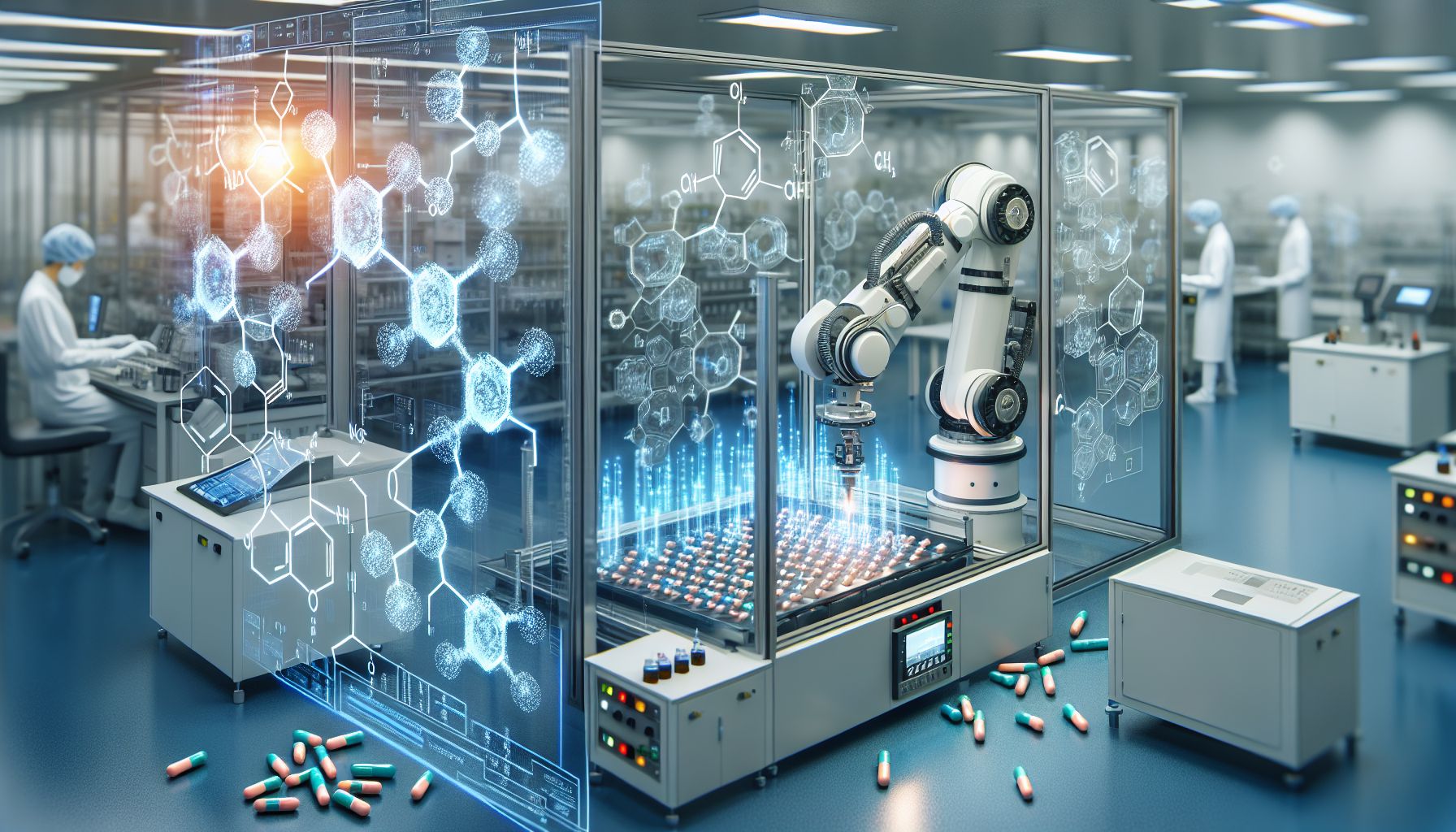
The Intersection of Technology and Pharmaceutical Products
Technology has had a profound impact on almost every aspect of our lives, and the pharmaceutical industry is no exception. From drug discovery to manufacturing to patient care, technology has revolutionized the way drugs are developed, produced, and distributed.
One of the most significant ways technology has transformed the pharmaceutical industry is through the use of data analytics and artificial intelligence. These tools allow researchers to sift through massive amounts of data to identify patterns and potential drug candidates much more quickly than traditional methods. This has led to the development of new drugs and treatments for a wide range of diseases much faster than ever before.
In addition to speeding up the drug discovery process, technology has also improved the way drugs are manufactured. Advanced robotics and automation have made production more efficient and precise, leading to higher quality products and lower costs. This has made drugs more accessible to patients around the world, especially in developing countries where access to healthcare can be limited.
Technology has also transformed the way patients interact with pharmaceutical products. Mobile apps and wearable devices can help patients track their medications, monitor their health, and communicate with healthcare providers. This has led to better adherence to treatment plans, improved health outcomes, and reduced healthcare costs.
Furthermore, technology has played a crucial role in the rise of personalized medicine. By analyzing a patient’s genetic makeup and other biological markers, researchers can develop treatments that are tailored to an individual’s unique biology. This has led to more effective treatments with fewer side effects, as well as a shift towards preventative medicine rather than reactive care.
As technology continues to advance at a rapid pace, the possibilities for innovation in the pharmaceutical industry are seemingly endless. From 3D printing of personalized medications to the use of virtual reality in medical training, the future of healthcare looks brighter than ever before.
In conclusion, the intersection of technology and pharmaceutical products has brought about significant advancements in drug discovery, manufacturing, patient care, and personalized medicine. As technology continues to evolve, the potential for even greater improvements in the pharmaceutical industry is vast. By embracing technology and innovation, the future of healthcare is sure to be brighter and more promising for patients around the world.

The Intersection of Technology and Pharmaceutical Products
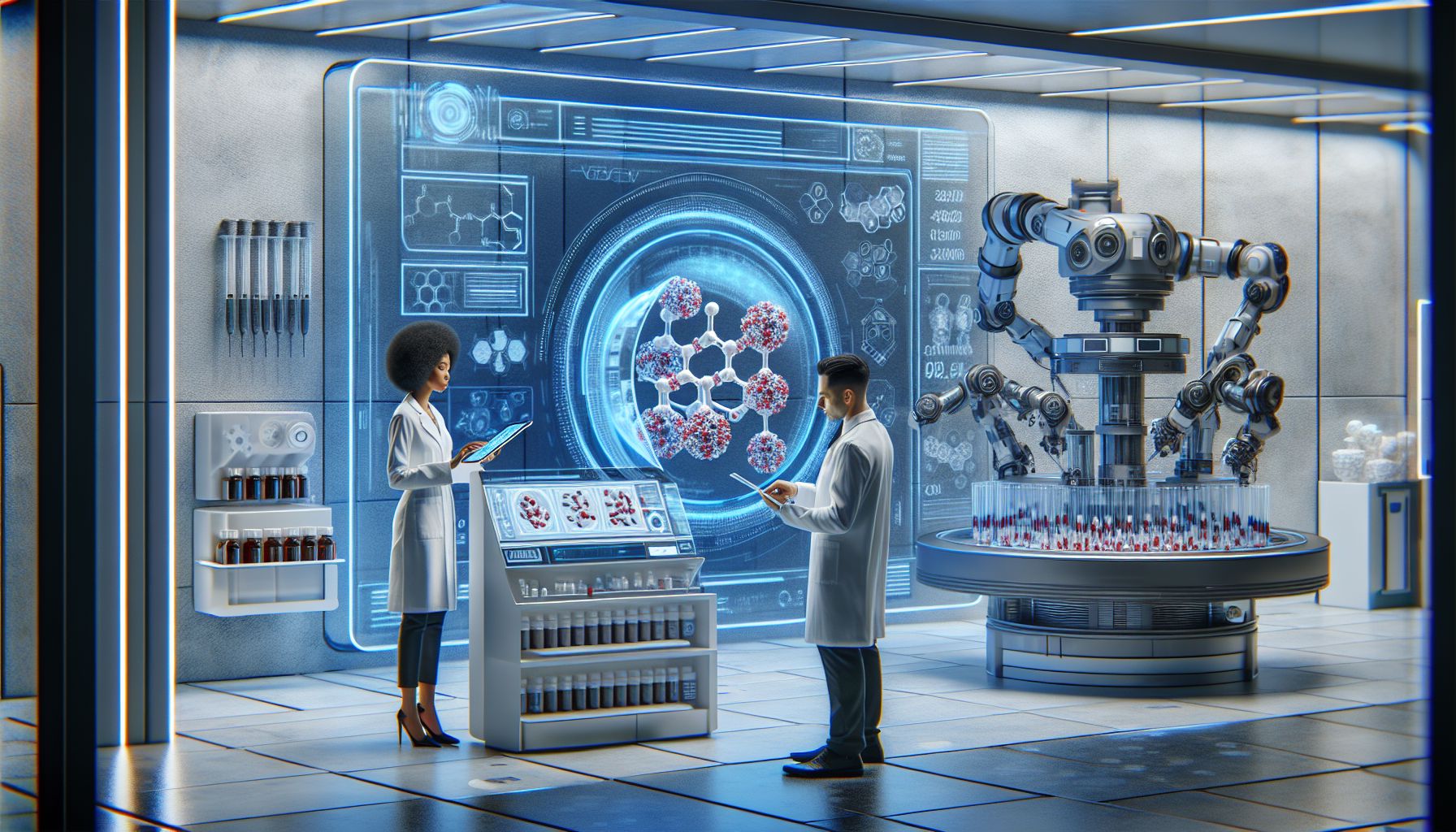
In recent years, there has been a significant shift in the pharmaceutical industry towards incorporating technology into the development and production of drugs. This intersection of technology and pharmaceutical products has the potential to revolutionize the way medications are created, tested, and distributed, ultimately leading to improved healthcare outcomes for patients around the world.
One way that technology is changing the pharmaceutical landscape is through the use of artificial intelligence (AI) and machine learning. These technologies are being utilized to streamline the drug discovery process, making it faster and more efficient than ever before. By analyzing vast amounts of data and identifying patterns, AI algorithms can help researchers identify potential drug candidates and predict their efficacy with greater accuracy. This has the potential to reduce the time and cost involved in bringing new medications to market, ultimately benefiting patients who can access these life-saving treatments more quickly.
Another way that technology is being integrated into pharmaceutical products is through the use of personalized medicine. Advances in genetic testing and data analysis have made it possible to tailor treatments to individual patients based on their unique genetic makeup. By understanding a patient’s genetic profile, healthcare providers can prescribe medications that are more likely to be effective and less likely to cause adverse reactions. This personalized approach to medicine has the potential to improve patient outcomes and reduce healthcare costs in the long run.
Furthermore, technology is also being used to improve medication adherence and patient outcomes. Smart pill bottles and packaging with embedded sensors can remind patients to take their medications on time and alert healthcare providers if doses are missed. Mobile apps and wearable devices can track patients’ vital signs and alert them to potential health issues. These technologies help patients stay on track with their treatment regimens and provide valuable data to healthcare providers, ultimately leading to better health outcomes.
In conclusion, the integration of technology into pharmaceutical products is transforming the way drugs are developed, tested, and delivered to patients. From AI-driven drug discovery to personalized medicine and medication adherence tools, technology has the potential to revolutionize healthcare and improve patient outcomes. As the pharmaceutical industry continues to embrace technological advancements, we can expect to see even more innovative solutions that benefit patients and healthcare providers alike.

The Intersection of Technology and Pharmaceutical Products
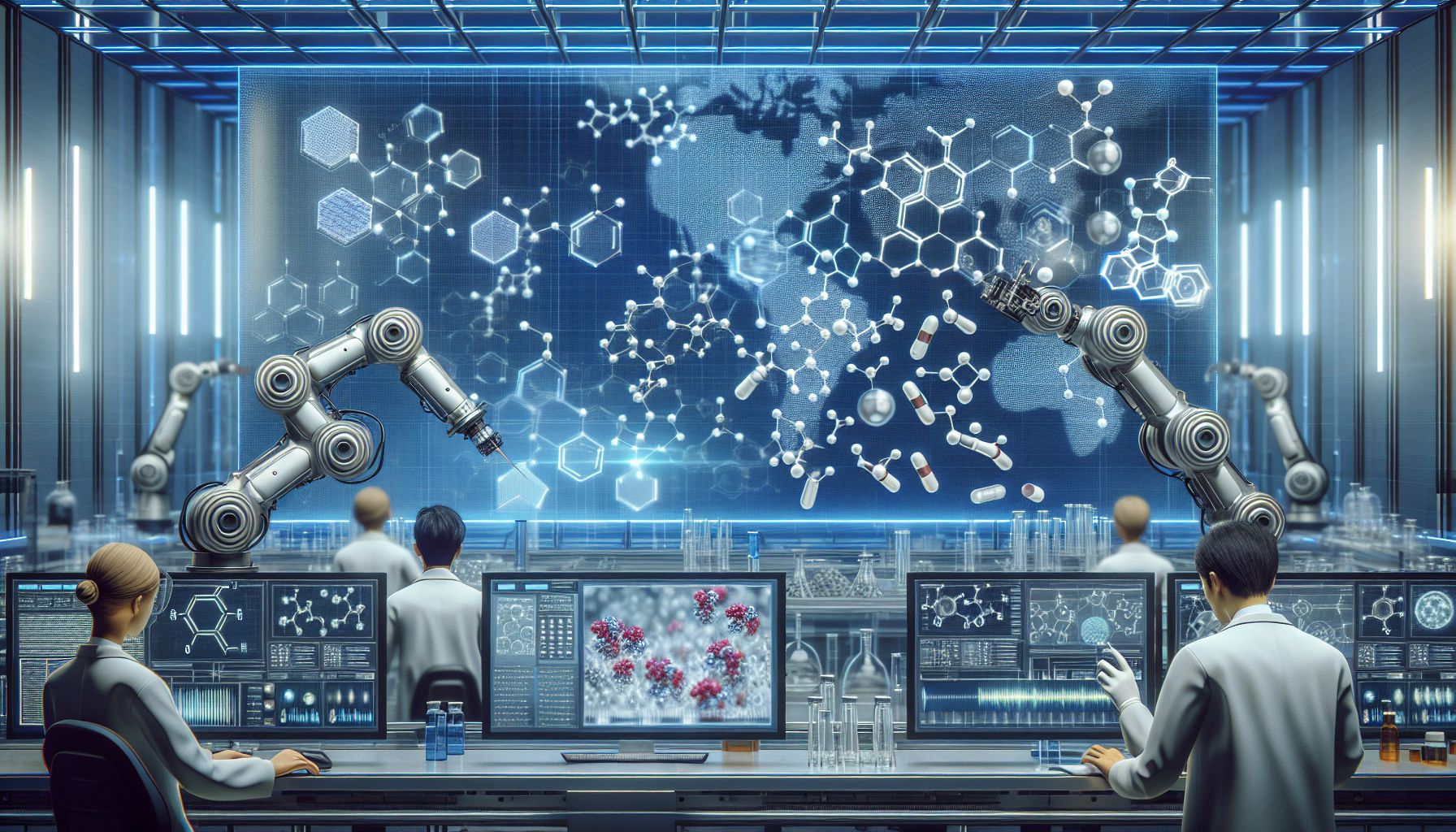
In recent years, the pharmaceutical industry has seen a significant transformation due to advancements in technology. From drug discovery to patient care, technology has played a crucial role in improving the efficiency and effectiveness of pharmaceutical products. In this article, we will explore the ways in which technology has impacted the pharmaceutical industry and how it has paved the way for revolutionary new treatments.
One of the most significant advancements in the pharmaceutical industry is the use of artificial intelligence (AI) and machine learning in drug discovery. These technologies have enabled researchers to analyze vast amounts of data and identify potential drug candidates more quickly and accurately than ever before. By harnessing the power of AI, pharmaceutical companies can significantly reduce the time and resources required to bring new drugs to market, ultimately benefiting patients in need of innovative treatments.
Another area where technology has made a profound impact is in the manufacturing process of pharmaceutical products. Automation and robotics have revolutionized drug production, leading to higher efficiency, quality control, and precision. By automating various aspects of the manufacturing process, pharmaceutical companies can minimize human error and ensure the consistency and reliability of their products.
Furthermore, technology has also transformed patient care and monitoring in the pharmaceutical industry. The development of wearable devices and digital health platforms has enabled healthcare providers to track patient health in real time, gather valuable data, and make more informed treatment decisions. Patients can now actively participate in their care by monitoring their symptoms and medication adherence, leading to better outcomes and improved quality of life.
In addition to drug discovery, manufacturing, and patient care, technology has also had a significant impact on regulatory compliance and safety in the pharmaceutical industry. Advanced software systems can now track the entire lifecycle of a drug, from development to distribution, ensuring that it meets strict regulatory standards and is safe for consumption. This level of transparency and traceability is crucial in maintaining public trust and confidence in pharmaceutical products.
In conclusion, the intersection of technology and pharmaceutical products has revolutionized the industry in numerous ways. From accelerating drug discovery to enhancing patient care and ensuring regulatory compliance, technology has become an essential tool for pharmaceutical companies looking to innovate and improve the lives of patients worldwide. As technology continues to evolve, we can expect even more groundbreaking advancements in the field of pharmaceuticals, ultimately leading to better and more effective treatments for a wide range of health conditions.

The Intersection of Technology and Pharmaceutical Products
Technology has revolutionized virtually every industry, and the pharmaceutical sector is no exception. From drug discovery and development to manufacturing and distribution, technology plays a crucial role in every aspect of the pharmaceutical industry. The integration of technology has not only led to improvements in efficiency and productivity but also has enabled the development of innovative and life-saving pharmaceutical products.
One of the key areas where technology has had a significant impact is in drug discovery and development. With the help of bioinformatics and computational modeling, researchers can now identify potential drug candidates more quickly and accurately than ever before. This has significantly reduced the time and cost involved in bringing new drugs to market, allowing pharmaceutical companies to bring treatments to patients faster.
In addition to drug discovery, technology has also transformed the manufacturing process of pharmaceutical products. Automation and robotics have streamlined production lines, reducing the risk of human error and increasing output. This has not only improved efficiency but has also helped to ensure the quality and consistency of pharmaceutical products.
Furthermore, technology has also played a crucial role in improving the packaging and distribution of pharmaceutical products. Advanced tracking and monitoring systems now allow companies to track their products throughout the supply chain, ensuring that medications reach patients safely and securely. This has not only helped to combat counterfeit drugs but has also enabled pharmaceutical companies to respond quickly in the event of a product recall.
Moreover, technology has also enabled the development of innovative pharmaceutical products that were once thought impossible. For example, advances in nanotechnology have allowed for the development of targeted drug delivery systems, which can deliver medicine directly to the affected area in the body. This not only maximizes the effectiveness of the treatment but also minimizes side effects.
In conclusion, the integration of technology into the pharmaceutical industry has brought about significant advancements in drug discovery, development, manufacturing, and distribution. These technological advancements have not only improved efficiency and productivity but have also led to the development of innovative pharmaceutical products that have the potential to transform healthcare. As technology continues to evolve, it is clear that the future of the pharmaceutical industry is bright, with endless possibilities for new and groundbreaking treatments.


The Intersection of Technology and Pharmaceutical Products
In recent years, we have witnessed significant advancements in technology and pharmaceutical products. The integration of technology in the pharmaceutical industry has led to innovative solutions that are revolutionizing the way drugs are developed, tested, and delivered to patients. The synergy between these two fields has the potential to improve patient outcomes, enhance drug efficacy, and streamline the drug development process.
One of the key areas where technology is making a profound impact in the pharmaceutical industry is in drug discovery and development. With the help of advanced computational models and machine learning algorithms, researchers are now able to analyze vast amounts of molecular data to identify potential drug candidates more efficiently. This has greatly accelerated the drug discovery process, allowing for the development of new and more effective therapies for a variety of diseases.
Additionally, technology has played a crucial role in improving the quality and safety of pharmaceutical products. Through the use of advanced monitoring systems and sensors, pharmaceutical companies are able to track and monitor the entire manufacturing process in real-time. This not only ensures that drugs are produced in a consistent and reliable manner but also enables companies to quickly identify and address any issues that may arise during production.
Moreover, technology has also transformed the way pharmaceutical products are delivered to patients. The rise of telemedicine and digital health platforms has made it easier for patients to access the medications they need without having to leave their homes. This has proven to be especially beneficial for individuals with chronic illnesses or mobility issues, who may have difficulty visiting a traditional pharmacy.
In conclusion, the convergence of technology and pharmaceutical products has opened up a world of possibilities for improving patient care and advancing drug development. As technology continues to evolve, we can expect to see even more groundbreaking innovations in the pharmaceutical industry. By embracing these advancements, we can create a future where safer, more effective drugs are readily available to those who need them most.
By harnessing the power of technology, pharmaceutical companies can continue to push the boundaries of what is possible in drug development and patient care. It is an exciting time to be at the intersection of these two fields, as we work together to create a healthier and more connected world for all.

The Impact of Technology on Pharmaceutical Products
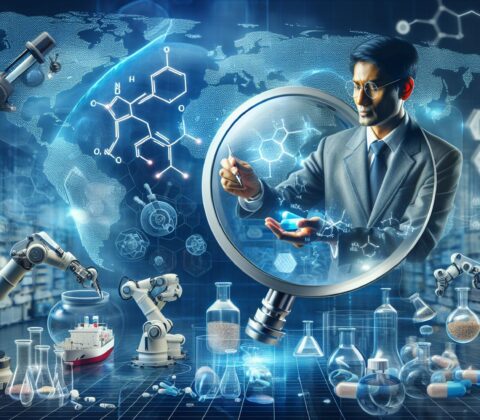
Over the years, technology has played a crucial role in advancing the field of pharmaceutical products. From drug discovery and development to manufacturing and distribution, technology has revolutionized the way pharmaceutical companies operate. In this blog post, we will explore the impact of technology on pharmaceutical products and how it has transformed the industry.
One of the key areas where technology has made a significant impact is in drug discovery. With the help of computational modeling and artificial intelligence, researchers are now able to screen millions of compounds to identify potential drug candidates in a fraction of the time it would take using traditional methods. This has led to a faster and more efficient drug discovery process, ultimately allowing pharmaceutical companies to bring new treatments to market more quickly.
Furthermore, technology has also improved the manufacturing process of pharmaceutical products. Automation and robotics have enabled companies to produce drugs more efficiently and at a larger scale, reducing the risk of human error and ensuring consistent quality. Additionally, advancements in nanotechnology have allowed for the development of targeted drug delivery systems, increasing the efficacy and reducing the side effects of medications.
In the realm of distribution, technology has transformed the way pharmaceutical products are tracked and monitored. With the use of blockchain technology, companies can now easily trace the entire journey of a drug from the manufacturing facility to the patient’s hands, ensuring transparency and authenticity throughout the supply chain. This not only helps prevent counterfeiting but also ensures that medications are stored and transported in the proper conditions to maintain their efficacy.
Moreover, technology has also improved patient care and adherence to medications. Mobile apps and wearable devices now allow patients to easily track their medication schedules, set reminders, and monitor their health metrics in real-time. This not only helps patients stay compliant with their treatment plans but also enables healthcare providers to remotely monitor their progress and make adjustments as needed.
In conclusion, the impact of technology on pharmaceutical products cannot be understated. From drug discovery and manufacturing to distribution and patient care, technology has revolutionized every aspect of the pharmaceutical industry. As technology continues to evolve, we can expect even more innovative solutions to emerge, ultimately improving the quality of healthcare and the lives of patients worldwide.

The Intersection of Technology and Pharmaceutical Products
In recent years, technology has been revolutionizing the pharmaceutical industry in ways that were once unimaginable. From drug discovery to manufacturing to patient care, technology has been playing a crucial role in improving efficiency, effectiveness, and safety in the production and consumption of pharmaceutical products.
One of the most significant advancements in the pharmaceutical industry is the use of artificial intelligence (AI) and machine learning algorithms for drug discovery. These technologies enable researchers to analyze massive amounts of data and identify potential drug candidates more quickly and accurately than traditional methods. This has the potential to greatly accelerate the drug development process and bring life-saving medications to market faster.
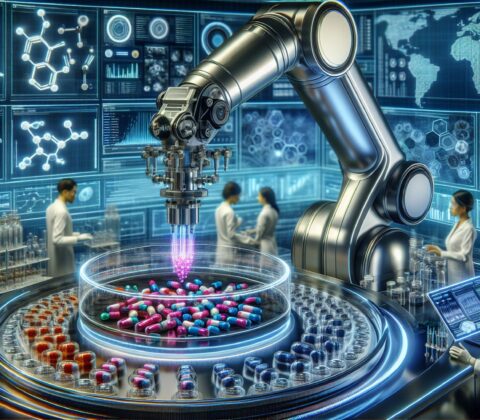
In addition to drug discovery, technology has also transformed the manufacturing process of pharmaceutical products. Automated systems and robotics are being used to streamline production and ensure the highest levels of quality control. This not only reduces the risk of errors but also increases the speed at which medications can be manufactured, helping to meet the growing global demand for pharmaceutical products.
Furthermore, technology has also revolutionized the way pharmaceutical products are distributed and consumed. Online pharmacies and telemedicine services have made it easier for patients to access the medications they need, often without ever having to leave their homes. This greater accessibility can be especially beneficial for patients with mobility issues or those living in remote areas.
Additionally, technology has enabled the development of smart medical devices that can help patients monitor their health conditions more effectively. From smart inhalers to insulin pumps to wearable devices that track vital signs, these innovations allow patients to take a more proactive role in managing their health and can lead to improved outcomes.
While the integration of technology into the pharmaceutical industry has brought about numerous benefits, it also presents new challenges. Issues related to data privacy, cybersecurity, and regulatory compliance must be carefully navigated to ensure the safety and security of both patients and the medications they are taking.
In conclusion, the intersection of technology and pharmaceutical products has led to a new era of innovation and advancement in the industry. As technology continues to evolve, we can expect to see even more groundbreaking developments that will further improve the discovery, manufacturing, distribution, and consumption of pharmaceutical products. By embracing these technological advancements, the pharmaceutical industry is poised to make significant strides in improving healthcare outcomes for patients around the world.