The Intersection of Technology and Pharmaceutical Products
In recent years, there has been a significant shift in the way pharmaceutical products are developed, distributed, and monitored thanks to advancements in technology. This combination of science and innovation has transformed the pharmaceutical industry, leading to more efficient processes and improved patient care.
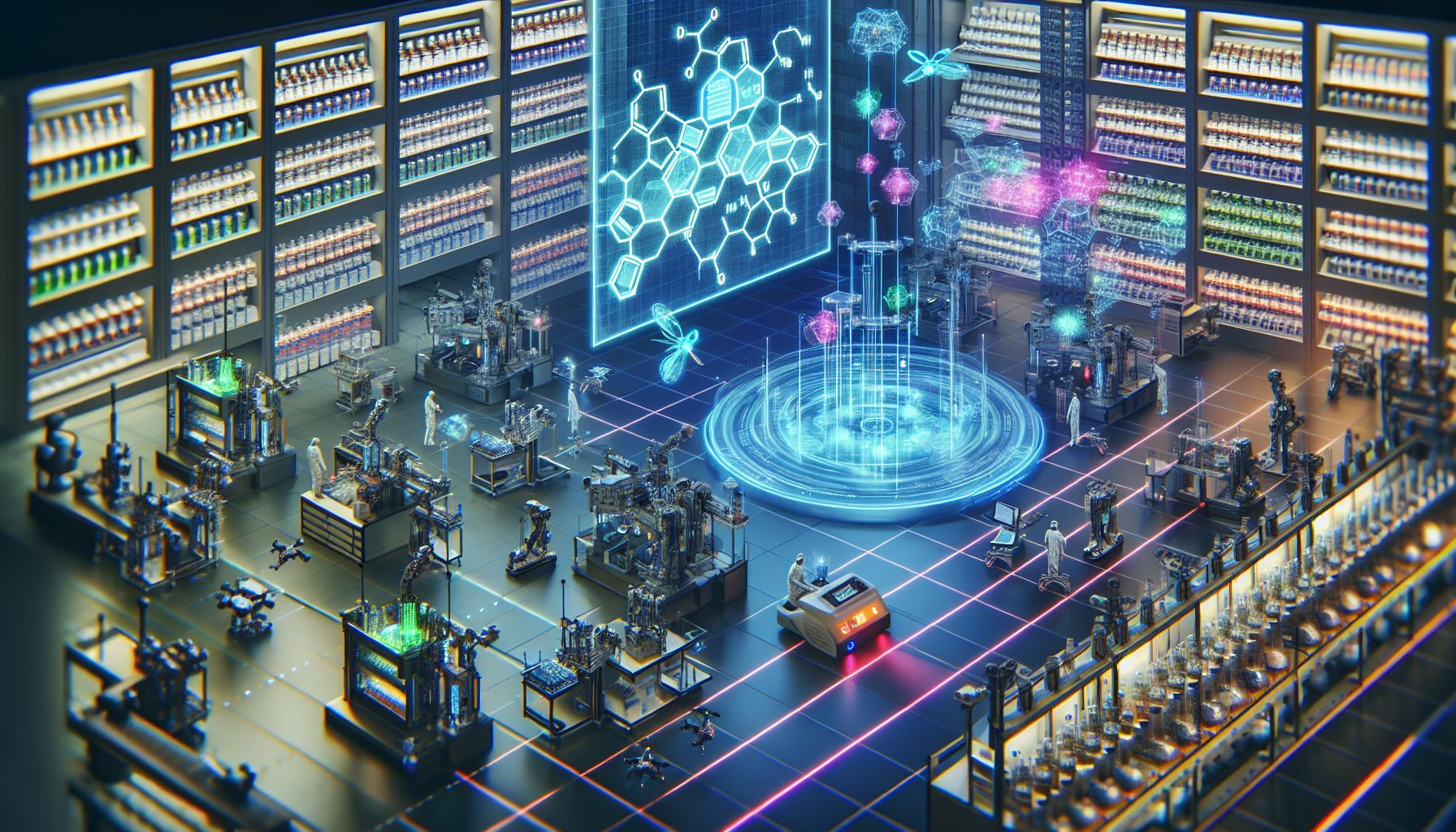
One of the key areas where technology has made a significant impact is in drug development. With the use of artificial intelligence and machine learning algorithms, researchers are now able to analyze vast amounts of data to identify potential drug candidates more quickly and accurately. This has led to a faster and more cost-effective drug discovery process, with the potential to bring life-saving medications to market at a quicker pace.
In addition to drug development, technology has also revolutionized the way pharmaceutical products are distributed and monitored. The rise of electronic health records and telemedicine has made it easier for healthcare providers to prescribe medications and monitor patient outcomes remotely. This has not only improved access to healthcare for patients in remote areas but has also helped to reduce the risk of medication errors and adverse drug reactions.
Furthermore, the use of wearable technology and mobile health apps have empowered patients to take a more active role in managing their health. From tracking medication adherence to monitoring vital signs, these technological tools provide patients with the information they need to make informed decisions about their healthcare. This level of engagement can lead to better health outcomes and improved quality of life for those living with chronic conditions.
However, with these advancements in technology come new challenges in terms of data privacy and cybersecurity. As more pharmaceutical products become connected to the internet of things, there is a growing concern about the security of patient data and the potential for cyberattacks. It is essential for pharmaceutical companies to prioritize data protection and cybersecurity measures to ensure the safety and privacy of patient information.
In conclusion, the integration of technology into the pharmaceutical industry has brought about numerous benefits, from accelerating drug discovery to empowering patients to take control of their health. However, it is crucial for pharmaceutical companies to remain vigilant in safeguarding patient data and maintaining high standards of cybersecurity. By embracing the opportunities that technology presents while addressing the associated risks, the pharmaceutical industry can continue to make strides in improving patient care and advancing medical innovation.
The Intersection of Technology and Pharmaceutical Products
In today’s fast-paced world, technology has become an integral part of nearly every industry, including the pharmaceutical sector. As advancements continue to be made in the field of technology, the pharmaceutical industry is leveraging these innovations to improve the development, manufacturing, and distribution of medications. This intersection of technology and pharmaceutical products is revolutionizing the way that drugs are created and delivered to patients.
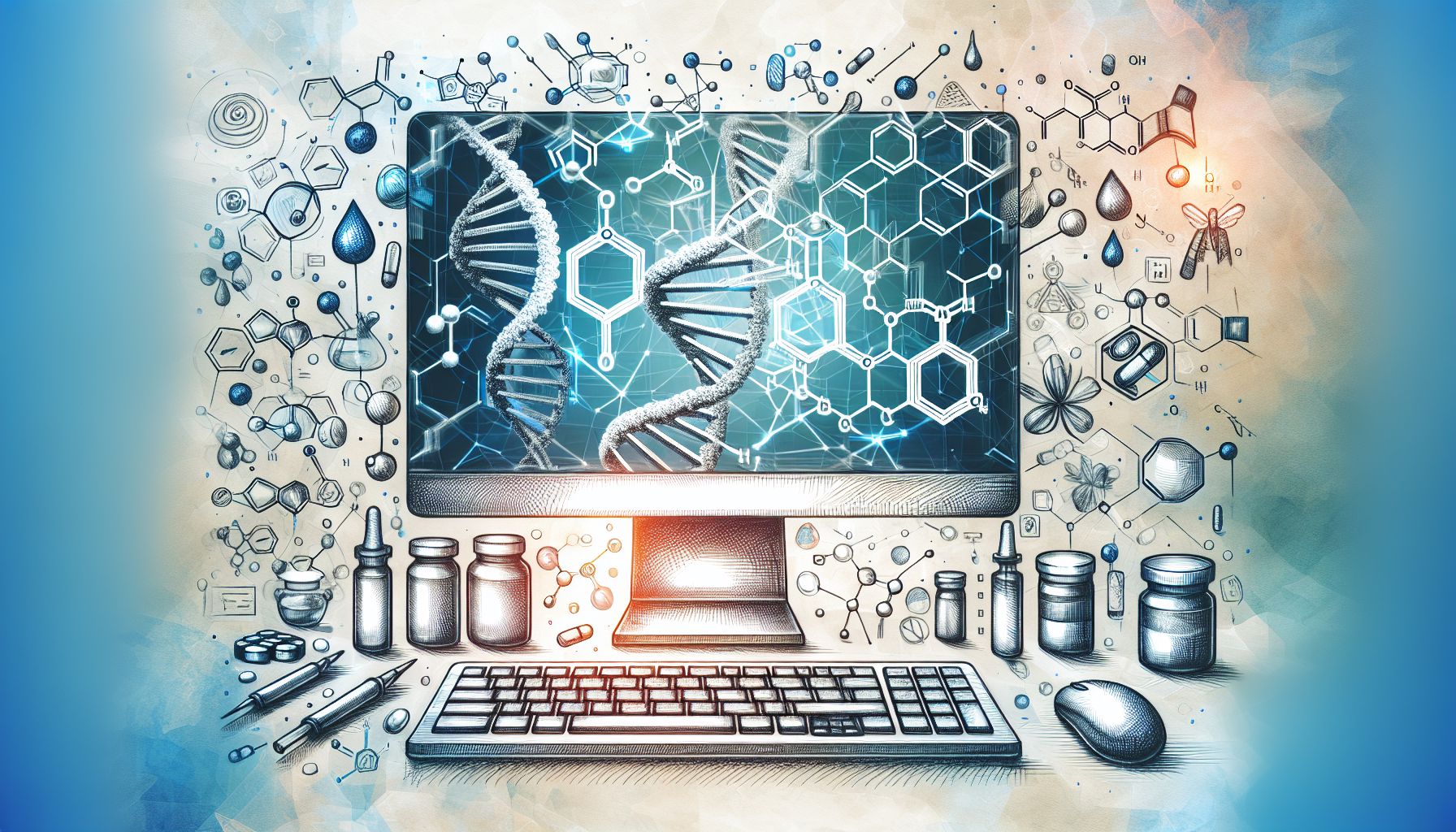
One of the key ways that technology is impacting the pharmaceutical industry is through the use of artificial intelligence (AI) and machine learning. These tools are being used to analyze vast amounts of data in order to identify potential drug candidates more efficiently. AI algorithms can sift through millions of molecules to pinpoint those with the most promise, saving researchers valuable time and resources. This has the potential to speed up the drug development process and bring new medications to market more quickly.
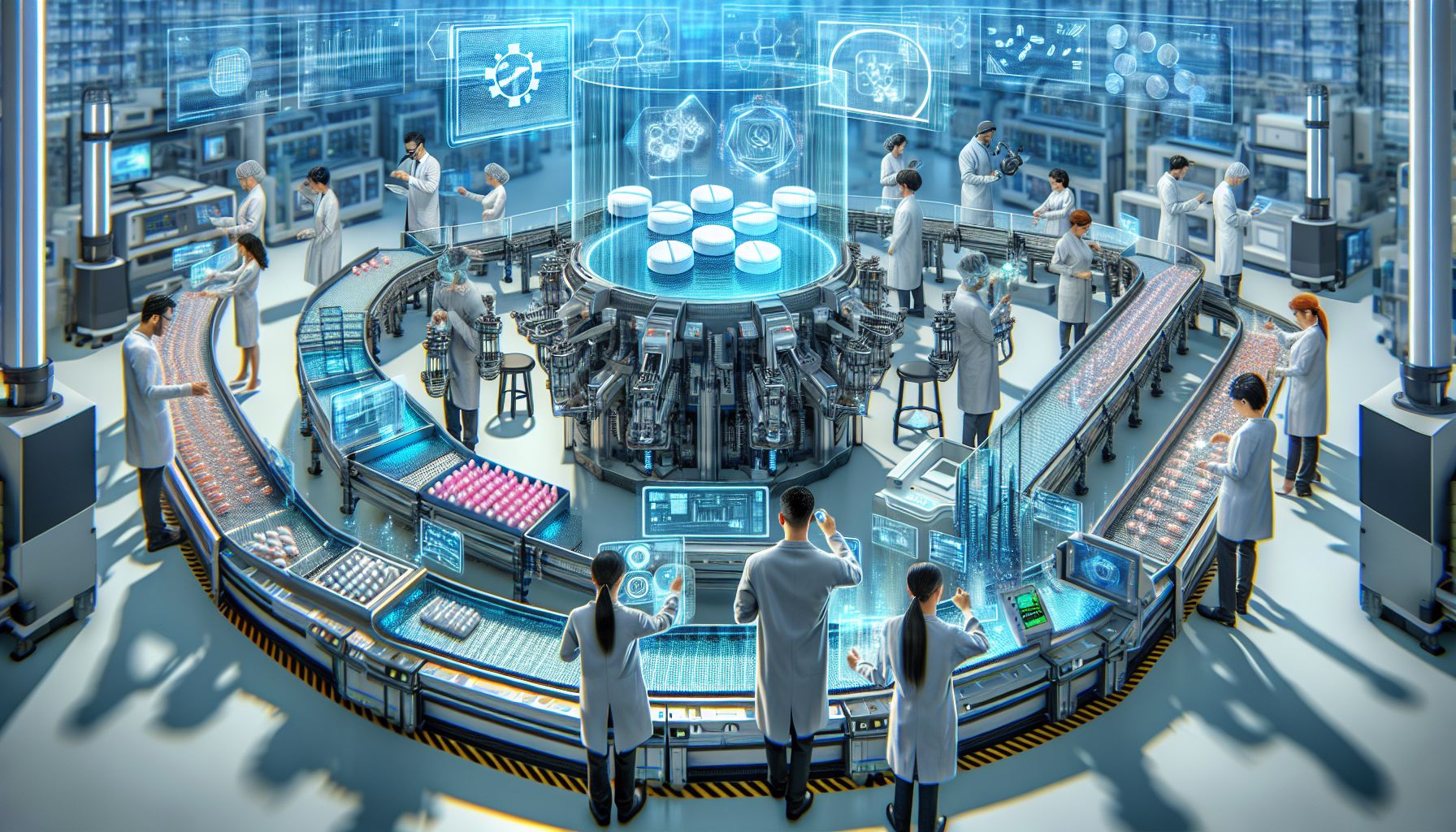
Additionally, technology is also being used to enhance the manufacturing processes of pharmaceutical products. Automation and robotics are being utilized in pharmaceutical facilities to increase efficiency and reduce the risk of human error. This not only leads to cost savings for pharmaceutical companies but also ensures that medications are produced with a higher level of accuracy and consistency.
In terms of distribution, technology is playing a crucial role in improving the supply chain for pharmaceutical products. Blockchain technology, for example, is being used to track the movement of medications from the manufacturer to the end consumer. This ensures that drugs are authentic and have not been tampered with along the way. Furthermore, the use of drones and other innovative delivery methods are being explored to reach patients in remote areas or during emergencies.
While the integration of technology into the pharmaceutical industry brings about numerous benefits, there are also challenges that must be addressed. Issues around data privacy and security, as well as regulatory compliance, are of utmost importance when implementing new technologies in this highly regulated industry. Additionally, there may be concerns around job displacement as automation becomes more prevalent in manufacturing facilities.
In conclusion, the intersection of technology and pharmaceutical products is reshaping the landscape of the healthcare industry. From drug discovery to manufacturing and distribution, technology is revolutionizing every step of the pharmaceutical process. While there are challenges to overcome, the opportunities for improved treatments and better patient outcomes are vast. As technology continues to evolve, the future of pharmaceutical products looks brighter than ever before.
The Intersection of Technology and Pharmaceutical Products
In recent years, the healthcare industry has seen a rapid transformation, particularly in the field of pharmaceuticals. Advancements in technology have revolutionized the way drugs are developed, tested, and delivered to patients. The intersection of technology and pharmaceutical products has opened up a world of possibilities, leading to more effective treatments and improved patient outcomes.
One of the most significant advancements in pharmaceutical technology is the use of artificial intelligence (AI) and machine learning. These technologies have enabled researchers to analyze vast amounts of data quickly and efficiently, helping to identify potential drug candidates faster than ever before. AI algorithms can sift through complex biological datasets to pinpoint molecules that have the potential to become new drugs, saving researchers valuable time and resources in the development process.
In addition to speeding up the drug discovery process, technology has also improved the way drugs are tested and monitored. Advances in telemedicine have made it easier for patients to participate in clinical trials from the comfort of their own homes, reducing the need for frequent visits to medical facilities. Wearable devices and mobile apps allow patients to track their vital signs and symptoms in real-time, providing researchers with valuable data on the efficacy of a drug in the real world.
Furthermore, advancements in drug delivery systems have made it possible for medications to be administered more accurately and efficiently. Nanotechnology has enabled the development of targeted drug delivery systems that can deliver drugs directly to the affected area of the body, minimizing side effects and increasing the effectiveness of the treatment. 3D printing technology has also been used to create personalized medications tailored to the individual patient’s needs, revolutionizing the way drugs are manufactured and prescribed.
Despite these incredible advancements, the intersection of technology and pharmaceutical products also comes with challenges. Issues around data privacy, regulation, and ethics must be carefully navigated to ensure the safety and security of patients and their information. Additionally, the high cost of implementing new technologies can be a barrier to widespread adoption, particularly in developing countries where access to healthcare resources is limited.
In conclusion, the integration of technology into the pharmaceutical industry has the potential to revolutionize healthcare and improve patient outcomes. By leveraging AI, telemedicine, and advanced drug delivery systems, researchers can develop more effective treatments faster and more efficiently. However, it is crucial that these advancements are implemented thoughtfully and ethically to ensure that patients receive the highest standard of care. The future of healthcare is undoubtedly bright with the possibilities that technology and pharmaceutical products can offer.
The Impact of Technology on Pharmaceutical Products
In recent years, the intersection of technology and pharmaceutical products has led to groundbreaking advancements in medicine and healthcare. From the development of new drugs to the improvement of drug delivery systems, technology has played a critical role in shaping the pharmaceutical industry.
One of the major ways in which technology has impacted pharmaceutical products is through the process of drug discovery and development. High-throughput screening techniques, computational modeling, and artificial intelligence have all revolutionized the way in which new drugs are identified and tested. These technologies allow scientists to analyze large datasets and predict the behavior of potential drug candidates, speeding up the discovery process and reducing the time and cost required to bring a new drug to market.
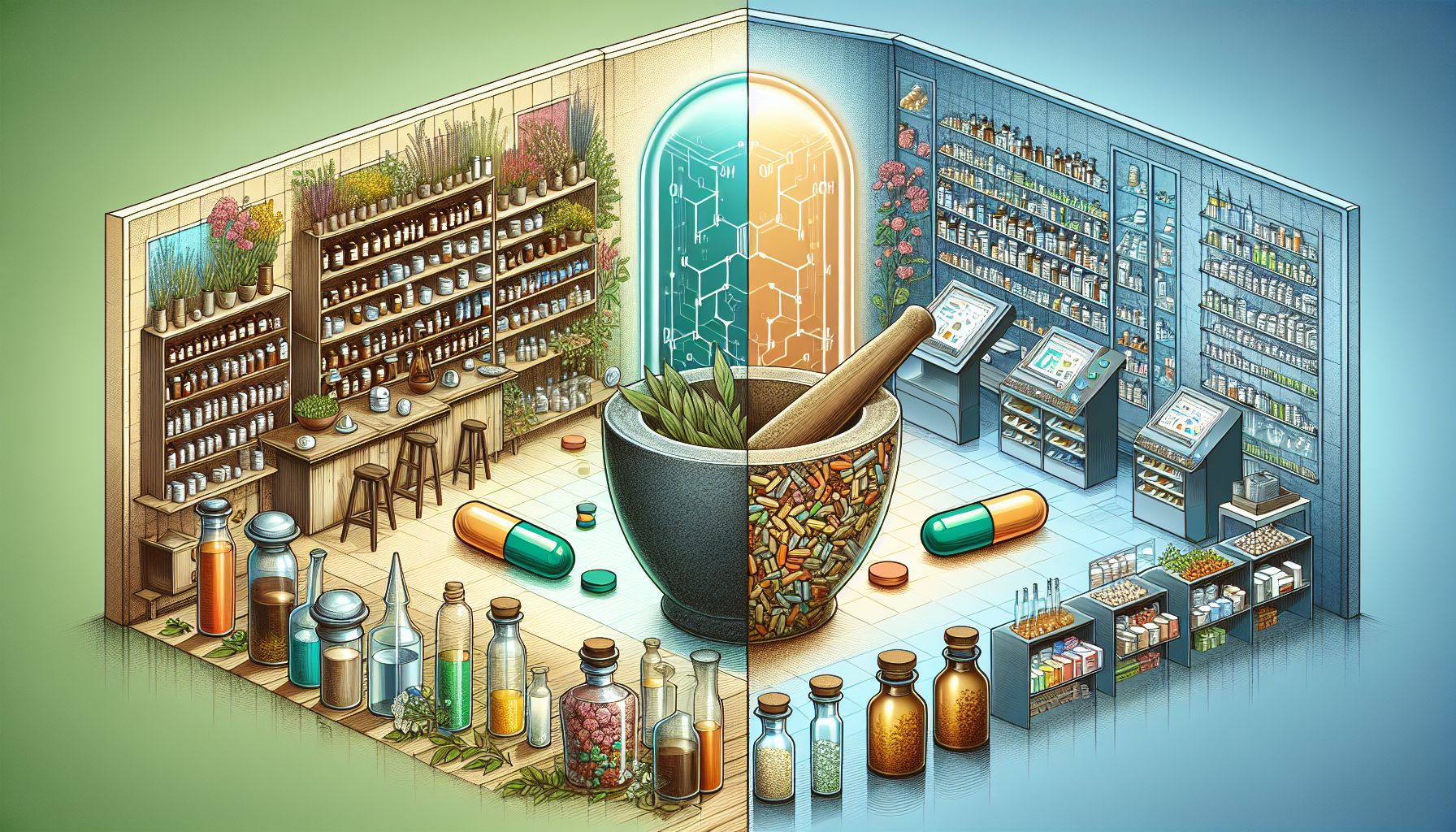
Furthermore, technology has also led to the development of more effective drug delivery systems. Nanotechnology, for example, has enabled the creation of nanoparticles that can deliver drugs directly to specific cells or tissues in the body, reducing side effects and improving the overall efficacy of the treatment. In addition, advancements in 3D printing technology have made it possible to create personalized dosage forms tailored to individual patient needs, further enhancing the safety and effectiveness of pharmaceutical products.
Another area where technology has had a significant impact on pharmaceutical products is in the realm of data analytics and personalized medicine. By leveraging big data and machine learning algorithms, healthcare providers can now analyze vast amounts of patient data to identify patterns and correlations that can inform treatment decisions. This has paved the way for the development of personalized medicine, where treatments are tailored to individual genetic makeup, lifestyle factors, and medical history, leading to more targeted and effective therapies.
In conclusion, the integration of technology into the field of pharmaceutical products has transformed the way in which drugs are discovered, developed, and delivered. These advancements have not only accelerated the pace of innovation in medicine but have also improved the safety, efficacy, and accessibility of treatments for patients around the world. As technology continues to evolve, we can expect to see even more exciting developments in the pharmaceutical industry, revolutionizing the way we approach healthcare and improving outcomes for patients everywhere.

Revolutionizing Healthcare with Technology and Pharmaceutical Products
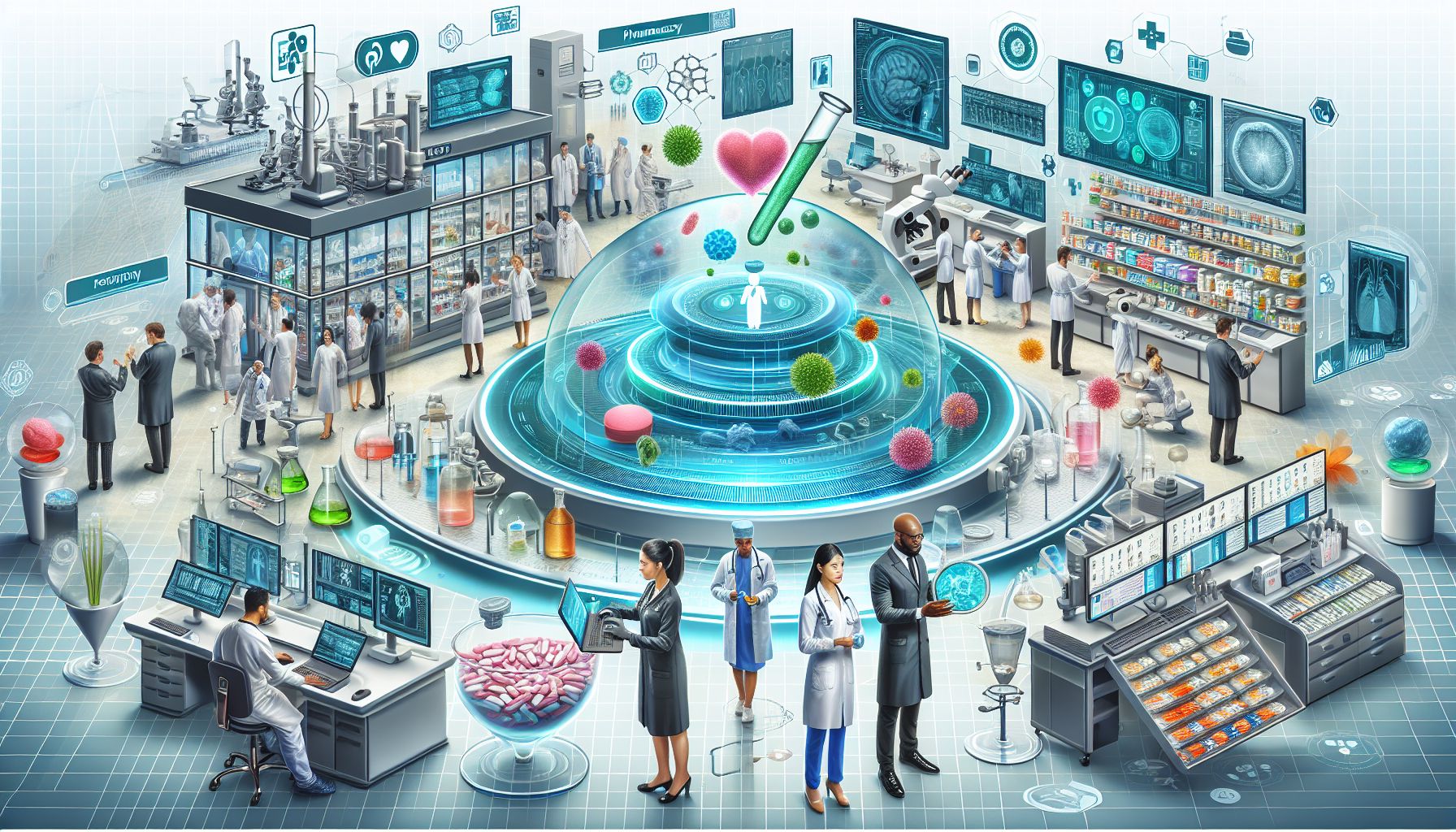
Advancements in technology have brought about significant changes in various industries, including healthcare. One particular area where technology has made a huge impact is in the development and distribution of pharmaceutical products. With the integration of technology, pharmaceutical companies are able to improve the quality of their products, streamline their processes, and ultimately provide better healthcare solutions to patients.
One of the key ways in which technology has revolutionized the pharmaceutical industry is through the use of data analytics. By collecting and analyzing vast amounts of data, pharmaceutical companies are able to identify trends, predict outcomes, and make more informed decisions about the development and distribution of their products. This allows for more personalized medicine, as treatments can be tailored to individual patients based on their unique characteristics and needs.
Another way in which technology has transformed the pharmaceutical industry is through the use of artificial intelligence (AI) and machine learning. These technologies are being used to accelerate the drug discovery process, leading to the development of new medications at a much faster pace than ever before. AI can also be used to identify potential drug interactions and side effects, helping to improve patient safety and outcomes.
The use of technology in pharmaceutical products has also led to the development of innovative delivery systems. For example, wearable devices and smart pills are being used to monitor patients’ health in real-time and deliver medication more efficiently. These devices can help patients adhere to their treatment plans and provide healthcare providers with valuable data that can inform their decisions.
In addition to improving the development and distribution of pharmaceutical products, technology has also had a significant impact on the way in which patients access and manage their medications. Mobile apps and online platforms make it easier for patients to order refills, track their medication schedules, and communicate with their healthcare providers. This not only improves patient convenience but also helps to reduce medication errors and improve overall health outcomes.
Overall, the integration of technology into the pharmaceutical industry has led to a number of benefits for both companies and patients. From improving the quality and efficiency of drug development to enhancing patient care and adherence, technology has transformed the way in which pharmaceutical products are developed, distributed, and used. As technology continues to advance, we can expect even more innovations in the pharmaceutical industry, leading to improved healthcare solutions for patients around the world.
The Integration of Technology in Pharmaceutical Products
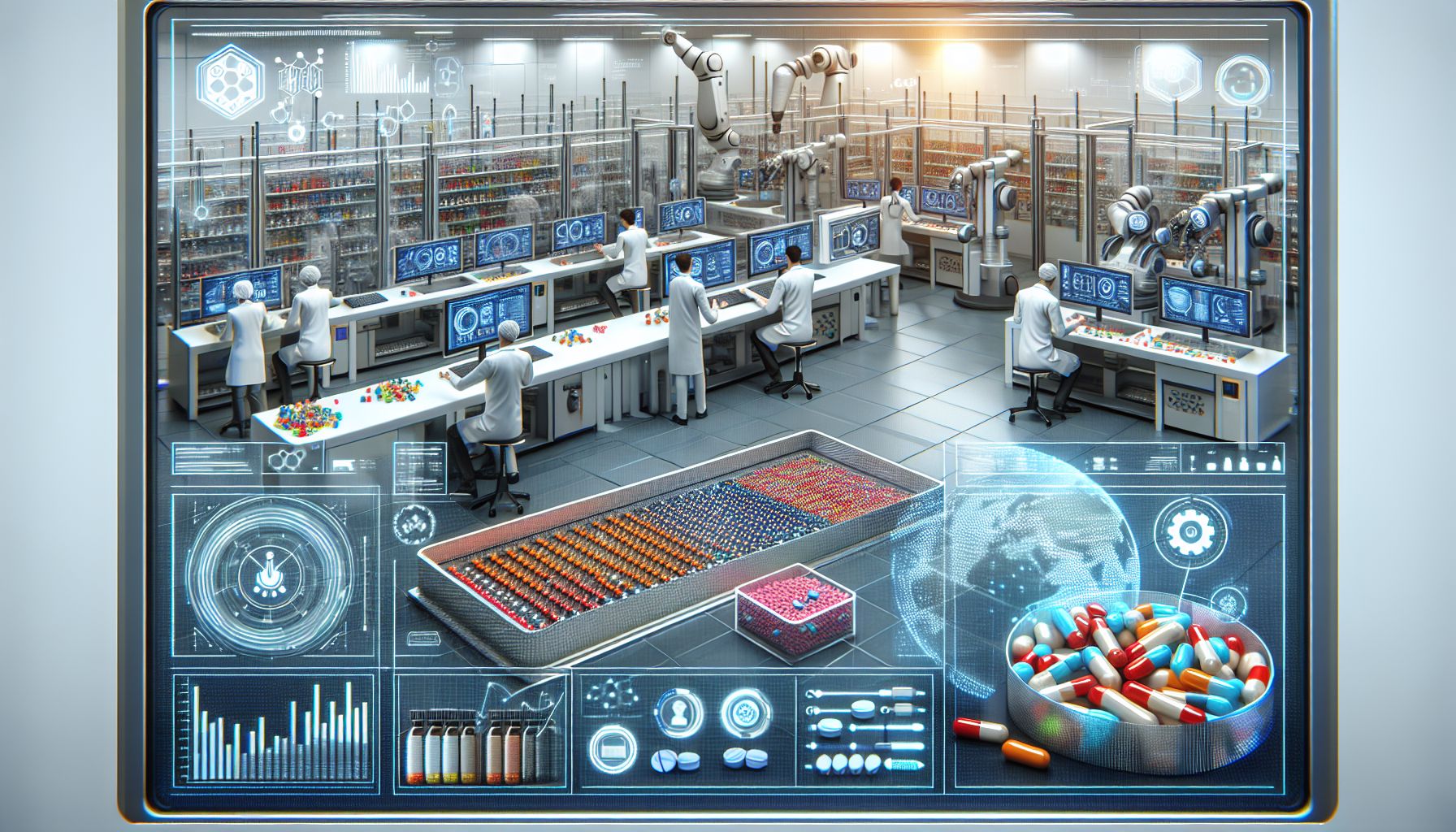
In recent years, the pharmaceutical industry has seen a significant shift towards the incorporation of technology into drug development and manufacturing processes. This integration of technology has not only streamlined production but has also led to the development of more effective and targeted pharmaceutical products.
One of the most notable advancements in technology within the pharmaceutical industry is the use of artificial intelligence (AI) and machine learning algorithms. These tools have revolutionized the drug discovery process by analyzing vast amounts of data to identify potential drug candidates much faster than traditional methods. This has significantly reduced the time and cost associated with bringing new pharmaceutical products to market.
In addition to AI, the use of 3D printing technology has allowed for more personalized and precise drug delivery systems. By creating customized dosage forms, pharmaceutical companies can tailor treatment plans for individual patients, leading to better outcomes and reduced side effects. 3D printing has also enabled the creation of complex drug formulations that were previously impossible to manufacture using traditional methods.
Furthermore, the Internet of Things (IoT) has played a crucial role in ensuring the quality and safety of pharmaceutical products. By incorporating sensors and monitoring devices into the manufacturing process, companies can track and analyze real-time data on temperature, humidity, and other variables that can impact product integrity. This level of monitoring has helped to reduce the occurrence of product recalls and enhance overall quality control.
With the rise of telemedicine and digital health platforms, pharmaceutical companies are also exploring new ways to deliver medication and treatment directly to patients. By leveraging technology, companies can provide remote monitoring and support to patients, ensuring they are adhering to their treatment plans and experiencing positive outcomes. This approach not only improves patient compliance but also leads to better overall health outcomes.
In conclusion, the integration of technology in pharmaceutical products has revolutionized the industry, leading to faster drug discovery, personalized treatment options, improved quality control, and enhanced patient care. As technology continues to advance, we can expect to see even more innovative products and solutions that will further improve the way we develop and deliver medications to patients. It is an exciting time for the pharmaceutical industry, and the possibilities for the future are endless.
The Intersection of Technology and Pharmaceutical Products
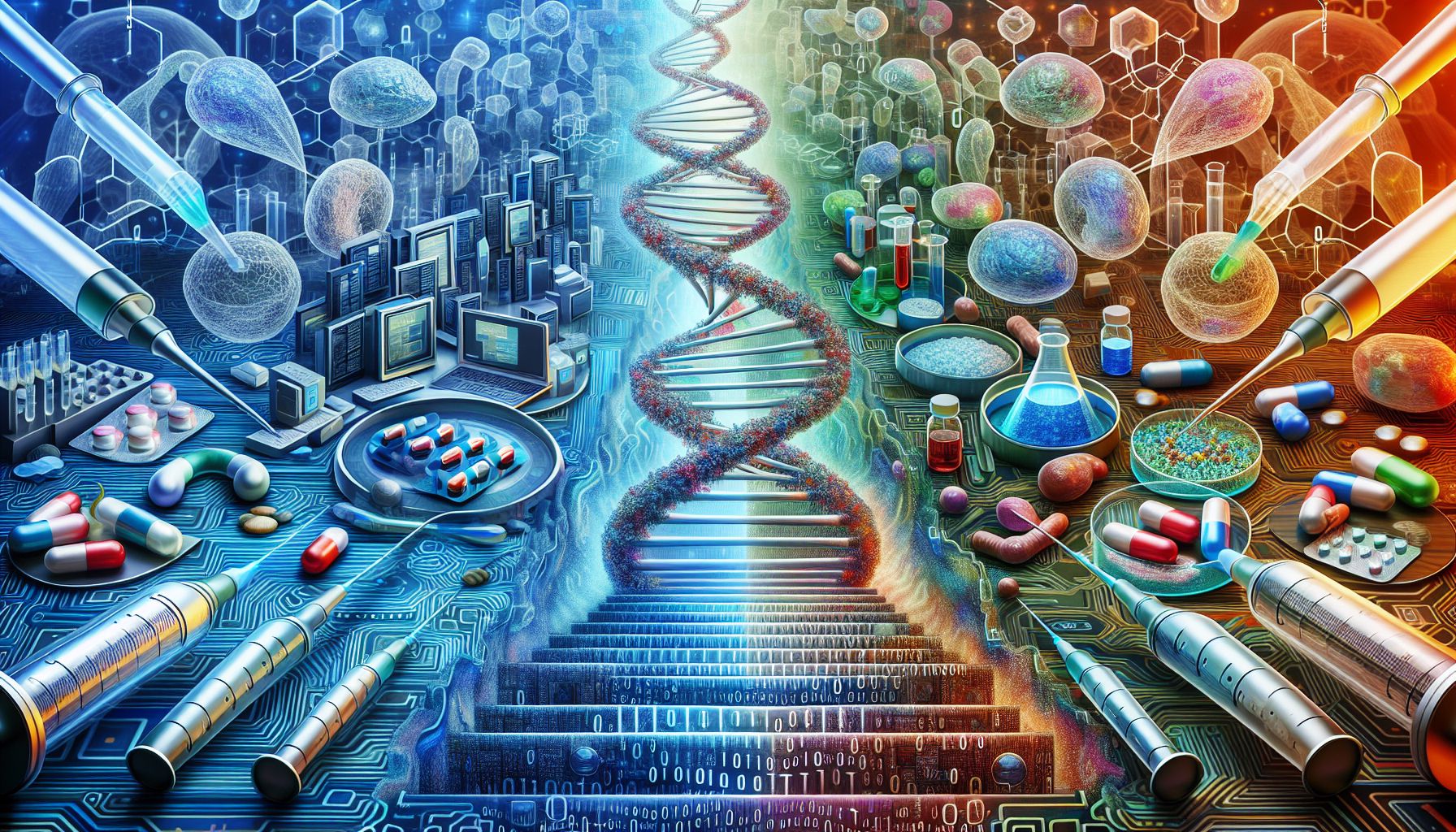
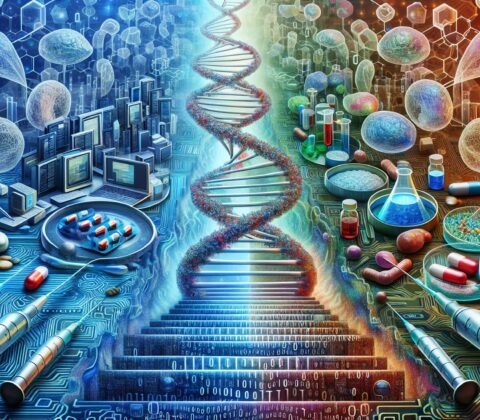
Technology has revolutionized every industry it has touched, and the pharmaceutical industry is no exception. From drug discovery and development to manufacturing and distribution, technology plays a vital role in the production of pharmaceutical products. In this blog post, we will explore how technology has transformed the pharmaceutical industry and the impact it has had on the quality and effectiveness of pharmaceutical products.
One of the most significant ways in which technology has influenced pharmaceutical products is in the field of drug discovery. With the help of computational models and artificial intelligence, researchers can analyze vast amounts of data to identify potential drug candidates more quickly and accurately than ever before. This has led to the development of new drugs and treatments that were previously thought to be impossible, revolutionizing the way we approach healthcare.
In addition to drug discovery, technology has also improved the manufacturing process of pharmaceutical products. Automation and robotics have made it possible to produce drugs more efficiently and with higher precision, reducing the risk of errors and contamination. This not only increases the quality of the products but also allows for faster production and distribution, ensuring that patients have access to the medications they need in a timely manner.
Furthermore, technology has also played a crucial role in the distribution and delivery of pharmaceutical products. Innovative tracking systems and digital platforms enable pharmaceutical companies to monitor the entire supply chain, from production to delivery, ensuring that products are stored and transported under the optimal conditions. This not only increases the safety and efficacy of the drugs but also helps to prevent counterfeiting and fraud, protecting both patients and the reputation of the pharmaceutical industry.
Overall, the integration of technology into the pharmaceutical industry has had a transformative impact on the quality and effectiveness of pharmaceutical products. By leveraging the power of technology, researchers and manufacturers can develop new drugs more efficiently, produce them with higher precision, and deliver them to patients more safely and quickly than ever before. As technology continues to evolve, we can expect further advancements in the field of pharmaceutical products, leading to improved healthcare outcomes for patients around the world.
In conclusion, the intersection of technology and pharmaceutical products has reshaped the landscape of the pharmaceutical industry, enabling the development of new drugs, improving manufacturing processes, and enhancing distribution and delivery methods. As we continue to embrace technological innovations in healthcare, we can look forward to a future where pharmaceutical products are safer, more effective, and more accessible to those who need them.
The Intersection of Technology and Pharmaceutical Products
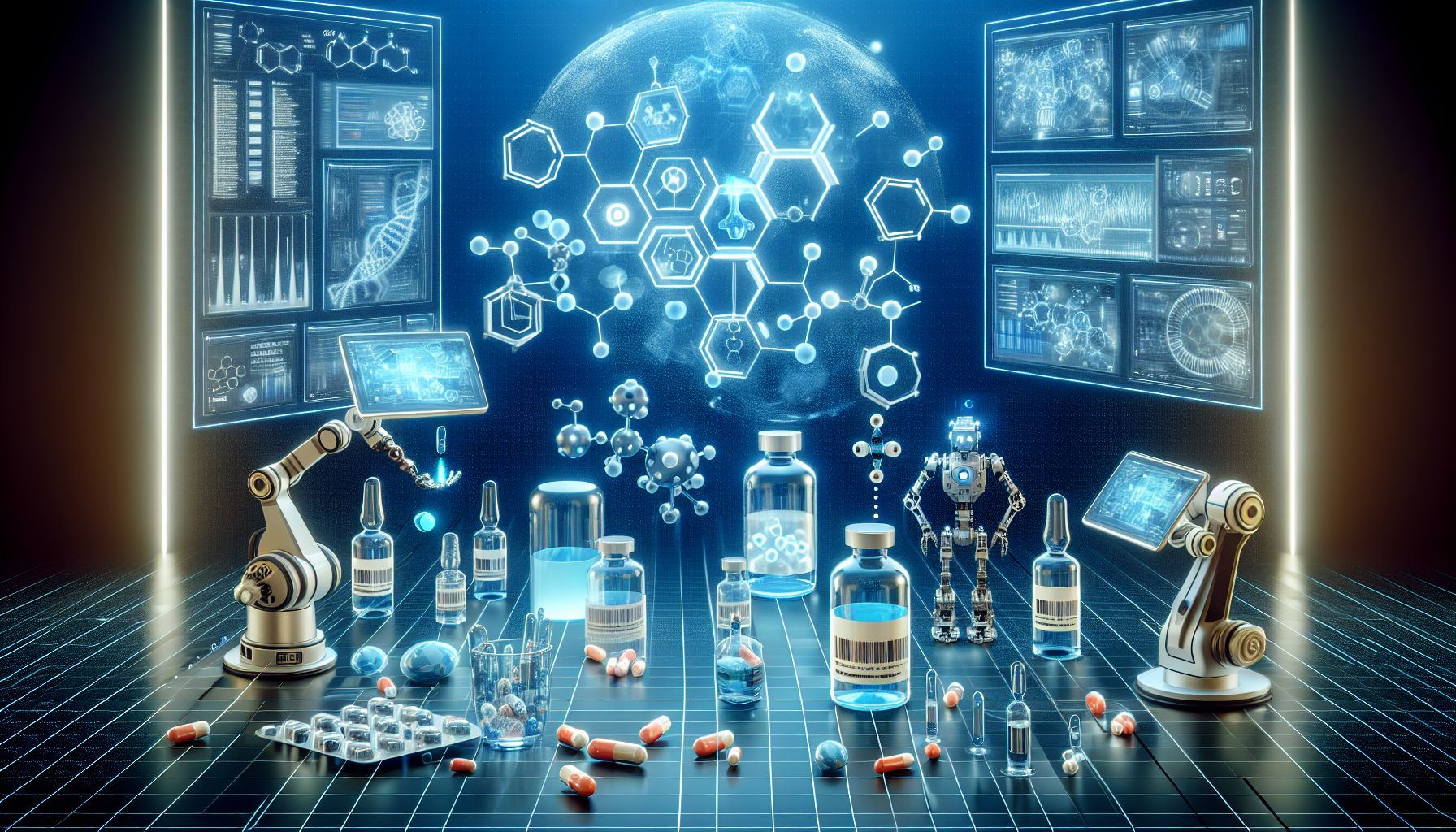
In recent years, the pharmaceutical industry has seen a dramatic shift towards incorporating technology into the development, production, and distribution of drugs and healthcare products. This intersection of technology and pharmaceutical products has paved the way for more efficient and effective treatments, personalized medicine, and improved patient outcomes.
One of the key areas where technology has had a significant impact is in drug discovery and development. Computational modeling, artificial intelligence, and machine learning algorithms are being used to identify potential drug candidates, predict their efficacy, and optimize their chemical structure. This has greatly accelerated the drug discovery process, allowing pharmaceutical companies to bring new treatments to market faster than ever before.
Additionally, technology is also being used to improve the production and quality control of pharmaceutical products. Automation and robotics have transformed the manufacturing process, increasing efficiency, reducing costs, and ensuring consistency in product quality. Advanced sensors and data analytics are being used to monitor and control the production process in real-time, leading to fewer errors and better overall performance.
In the realm of personalized medicine, technology has played a crucial role in tailoring treatments to individual patients. Genetic testing and molecular diagnostics are being used to identify specific biomarkers and genetic mutations that can help determine the most effective course of treatment for a particular patient. This has led to more targeted therapies, reduced side effects, and improved patient outcomes.
Furthermore, technology has also revolutionized the way pharmaceutical products are distributed and administered. Telemedicine, mobile health apps, and wearable devices have made it easier for patients to access healthcare services remotely, monitor their own health status, and adhere to their medication regimens. This has not only improved patient convenience but has also enabled healthcare providers to deliver more personalized and timely care.
In conclusion, the fusion of technology and pharmaceutical products has opened up new possibilities for improving healthcare outcomes and revolutionizing the way we approach drug discovery, development, and delivery. By harnessing the power of technology, the pharmaceutical industry is poised to make significant advancements in personalized medicine, precision healthcare, and overall patient care. As technology continues to evolve, we can expect to see even more innovative solutions that will transform the future of pharmaceutical products and the healthcare industry as a whole.

The Intersection of Technology and Pharmaceutical Products
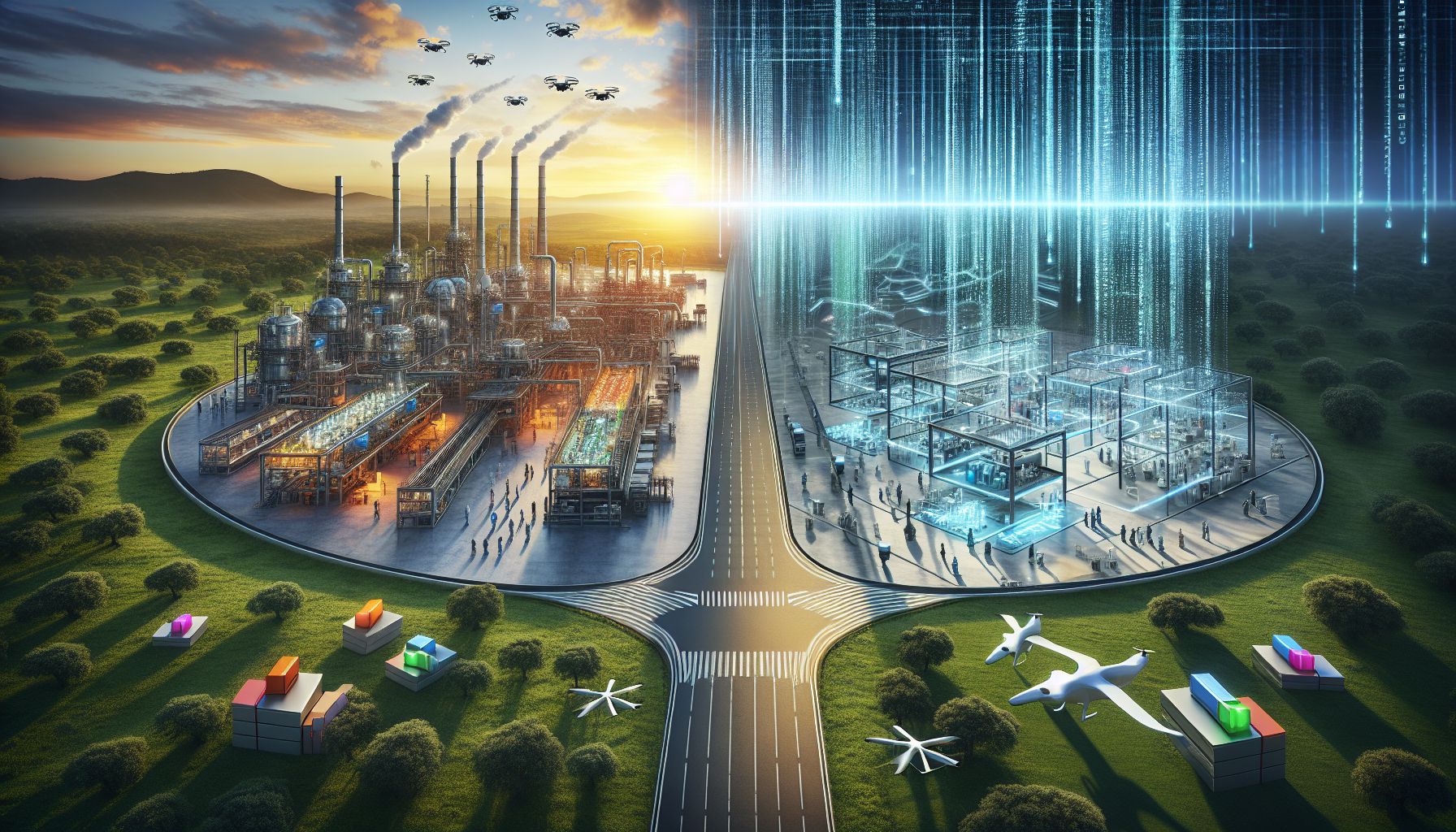
In today’s ever-evolving world, technology is playing a crucial role in the advancement of pharmaceutical products. The intersection of these two industries has led to numerous breakthroughs that are reshaping the way we approach healthcare and medicine.
One of the key ways technology is impacting the pharmaceutical industry is through research and development. With the use of advanced tools such as artificial intelligence and machine learning, scientists are able to analyze massive amounts of data in a fraction of the time it would take using traditional methods. This has led to the discovery of new drugs and treatments at a much faster pace, ultimately benefiting patients in need of innovative solutions.
Furthermore, technology has also revolutionized the manufacturing process of pharmaceutical products. Automation and robotics have streamlined production lines, increasing efficiency and reducing the risk of human error. This not only results in cost savings for companies but also ensures the quality and consistency of the final product.
In addition, the use of technology in the distribution and delivery of pharmaceutical products has improved accessibility for patients. Online pharmacies and telemedicine services have made it easier for individuals to receive the medication they need, especially those who may have difficulty accessing traditional brick-and-mortar pharmacies.
Moreover, technology has played a significant role in monitoring and tracking the efficacy of pharmaceutical products. Connected devices and wearable technology can collect real-time data on a patient’s response to medication, allowing healthcare providers to make informed decisions and adjustments to treatment plans as needed.
Despite the many benefits that technology brings to the pharmaceutical industry, there are also challenges that come with it. Data security and privacy concerns, regulatory hurdles, and ethical considerations are just a few of the issues that need to be carefully managed to ensure the safe and effective use of technology in healthcare.
In conclusion, the fusion of technology and pharmaceutical products has opened up a world of possibilities for improving healthcare outcomes and patient experiences. By leveraging the power of technology, the pharmaceutical industry is paving the way for a more efficient, effective, and personalized approach to medicine. As we continue to embrace innovation and collaboration between these two industries, the future of healthcare looks brighter than ever before.

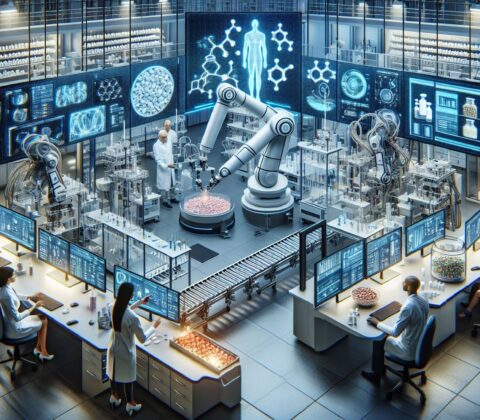
The Intersection of Technology and Pharmaceutical Products
In today’s rapidly evolving world, technology has seeped into every aspect of our lives, including the pharmaceutical industry. The integration of technology has revolutionized the way pharmaceutical products are developed, tested, and distributed, leading to more efficient processes and improved outcomes for patients.
One of the most significant advancements in the pharmaceutical industry is the use of artificial intelligence (AI) and machine learning. These technologies have greatly accelerated the drug discovery process by analyzing vast amounts of data to identify potential drug candidates, predict their efficacy, and optimize their formulations. This has not only reduced the time and cost associated with drug development but has also led to the discovery of novel therapies that may have otherwise gone unnoticed.
Additionally, technology has enabled pharmaceutical companies to streamline their clinical trials through the use of electronic data capture systems, wearable devices, and telemedicine. These innovations not only make it easier for patients to participate in clinical trials but also allow researchers to collect real-time data, monitor patient health remotely, and improve the overall efficiency of the trial process.
Moreover, technology has played a crucial role in improving drug safety and monitoring. Advanced analytics and digital tools are used to track adverse reactions, identify potential drug interactions, and optimize dosing regimens, helping to ensure that patients receive the right medication at the right time. This has led to a significant reduction in the number of adverse events and has improved patient outcomes.
In the realm of drug distribution, technology has transformed the way pharmaceutical products are manufactured, stored, and transported. Automated systems and robotics are used to increase efficiency and accuracy in drug manufacturing, while blockchain technology is employed to track the movement of pharmaceutical products and prevent counterfeiting. These advancements have not only improved supply chain management but have also enhanced the quality and safety of pharmaceutical products.
Overall, the integration of technology in the pharmaceutical industry has had a profound impact on the development, testing, and distribution of pharmaceutical products. By leveraging AI, machine learning, electronic data capture, wearable devices, telemedicine, advanced analytics, and blockchain technology, pharmaceutical companies are able to improve the efficiency, safety, and effectiveness of their products, ultimately leading to better outcomes for patients.
In conclusion, the intersection of technology and pharmaceutical products represents a new era in healthcare, where innovation and collaboration drive the development of cutting-edge therapies and treatments. As technology continues to advance, we can expect to see even more groundbreaking discoveries that will transform the pharmaceutical industry and improve the lives of patients around the world.