

The Intersection of Technology and Pharmaceutical Products
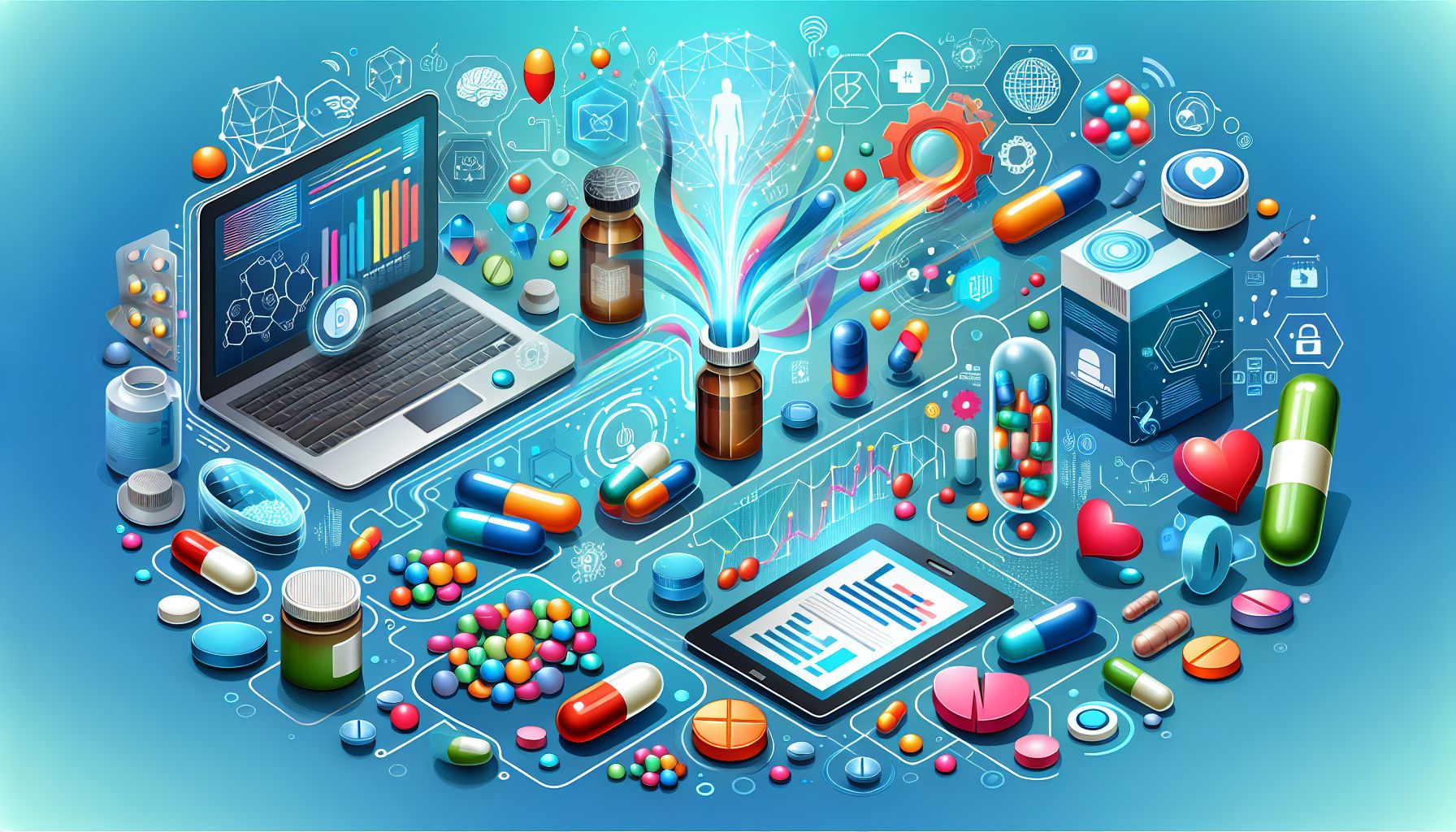
Technology has played a pivotal role in advancing the field of pharmaceutical products. From drug discovery to manufacturing to delivery, various technological innovations have revolutionized the way medications are developed and distributed. In this article, we will explore the intersection of technology and pharmaceutical products and how it has transformed the industry.
One of the most significant impacts of technology on pharmaceutical products is in the area of drug discovery. High-throughput screening, computational modeling, and artificial intelligence algorithms have accelerated the process of identifying potential drug candidates. These tools allow researchers to analyze vast amounts of data and predict how a molecule will interact with the human body, saving time and resources in the early stages of drug development.
In addition, technologies like 3D printing have revolutionized the manufacturing of pharmaceutical products. This innovative approach allows for the rapid prototyping of medications, enabling personalized medicine and on-demand production of drugs. 3D printing also allows for complex drug formulations to be created with precision, improving the efficacy and safety of medications.
Furthermore, advancements in nanotechnology have enabled the development of novel drug delivery systems. Nanoparticles can be used to encapsulate drugs and target specific cells or tissues, reducing side effects and improving overall treatment outcomes. Additionally, wearable devices and smart drug delivery systems are being developed to monitor patient adherence and adjust dosages in real-time, optimizing treatment regimens for better patient outcomes.
The integration of technology into pharmaceutical products has also led to the rise of telemedicine and digital health platforms. These tools allow patients to consult with healthcare providers remotely, access medical information and track their health metrics using mobile apps and wearable devices. This level of connectivity and convenience has improved patient engagement and adherence to treatment plans, ultimately leading to better health outcomes.
In conclusion, the intersection of technology and pharmaceutical products has ushered in a new era of innovation and efficiency in the healthcare industry. From drug discovery to manufacturing to delivery, technology has transformed every aspect of the pharmaceutical product lifecycle. As we continue to embrace new technologies and incorporate them into our healthcare systems, we can expect to see further advancements in the development and delivery of medications, ultimately improving patient care and outcomes.
The Intersection of Technology and Pharmaceutical Products
In today’s fast-paced world, technology is constantly changing the way we live and work. One industry that has been greatly impacted by these advancements is the pharmaceutical industry. From drug discovery to patient care, technology has revolutionized the way pharmaceutical products are developed and distributed.
One of the key ways technology has transformed the pharmaceutical industry is through the use of data analytics. By analyzing large sets of data, researchers can identify patterns and trends that may lead to new drug discoveries. This process, known as big data analytics, allows pharmaceutical companies to more efficiently develop and test new medications, ultimately speeding up the drug development process.
Additionally, technology has also played a significant role in improving patient care. Telemedicine, for example, allows patients to consult with healthcare providers remotely, reducing the need for in-person appointments and providing access to care for those in remote or underserved areas. Furthermore, wearable technology, such as fitness trackers and smart watches, can help patients monitor their health and track medication adherence, leading to better health outcomes.
Furthermore, the rise of artificial intelligence (AI) has also had a profound impact on the pharmaceutical industry. AI algorithms can sift through millions of data points to identify potential drug candidates, predict patient responses to medications, and even personalize treatment plans based on individual genetic data. This level of precision medicine would not be possible without the help of technology.
While technology has undoubtedly revolutionized the pharmaceutical industry, it has also brought about its own set of challenges. From ensuring data privacy and security to addressing the digital divide among patients, pharmaceutical companies must navigate a rapidly changing landscape to utilize technology effectively. Additionally, the cost of implementing new technologies can be prohibitive for some companies, leading to disparities in access to cutting-edge treatments and healthcare services.
In conclusion, the intersection of technology and pharmaceutical products has led to groundbreaking advancements in drug discovery, patient care, and personalized medicine. While there are challenges that come with integrating new technologies into the pharmaceutical industry, the potential benefits for patients and healthcare providers are immense. As technology continues to evolve, so too will the ways in which pharmaceutical products are developed, distributed, and utilized to improve patient outcomes.
The Intersection of Technology and Pharmaceutical Products
Technology has revolutionized virtually every industry, and the pharmaceutical sector is no exception. From drug research and development to distribution and monitoring, technology plays a crucial role in improving the efficacy and accessibility of pharmaceutical products.
One way in which technology has transformed the pharmaceutical industry is in the area of drug discovery. Through the use of advanced computational algorithms and artificial intelligence, researchers are able to sift through vast amounts of data to identify potential drug candidates much more quickly than was possible in the past. This not only speeds up the drug development process, but also enables researchers to focus on more promising compounds, ultimately leading to the creation of more effective pharmaceutical products.
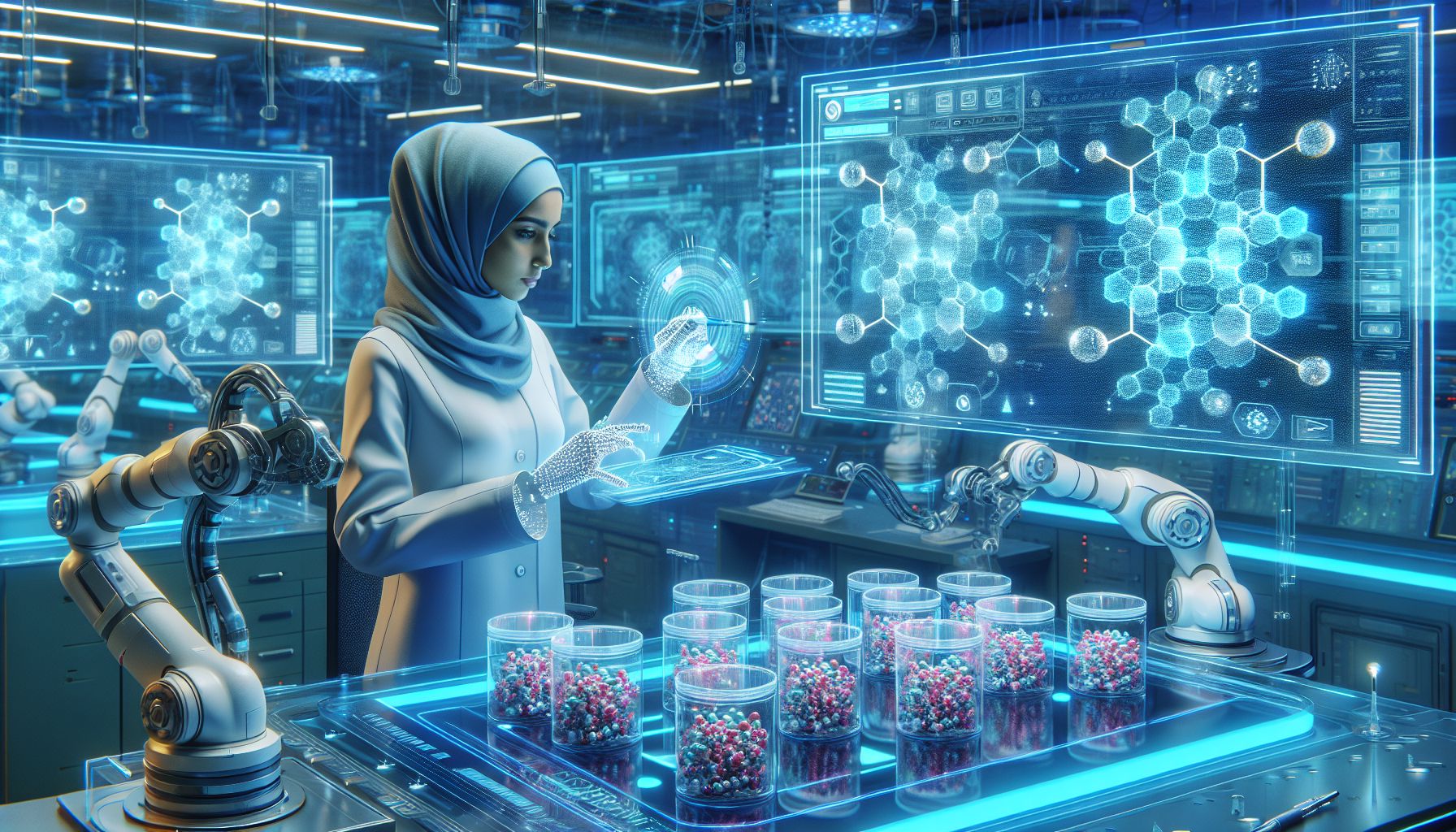
In addition to drug discovery, technology is also playing a significant role in drug manufacturing. Automation and robotics are increasingly being used in pharmaceutical production facilities, resulting in higher levels of efficiency and consistency. This not only translates to cost savings for pharmaceutical companies, but also ensures that patients receive high-quality, reliable medications.
Furthermore, technology has greatly improved the way in which pharmaceutical products are distributed and monitored. From advanced tracking systems that enable real-time monitoring of drug shipments to smart packaging that can remind patients when to take their medication, technology is helping to ensure that pharmaceutical products are delivered safely and used effectively.
One of the most exciting developments in the intersection of technology and pharmaceutical products is personalized medicine. By leveraging technologies such as genomics, researchers are able to tailor treatments to individual patients based on their genetic makeup. This not only improves the efficacy of pharmaceutical products, but also minimizes the chances of adverse reactions.
While the integration of technology into the pharmaceutical industry has brought about numerous benefits, it also presents its own set of challenges. One of the biggest hurdles is ensuring the security and privacy of patient data, particularly in light of the increasing use of digital health tools. Additionally, there is a need for regulations that keep pace with advancements in technology to ensure that pharmaceutical products remain safe and effective.
In conclusion, the marriage of technology and pharmaceutical products has opened up a world of possibilities for improving healthcare outcomes. From accelerating drug discovery to enabling personalized medicine, technology is reshaping the pharmaceutical industry in profound ways. As technology continues to advance, it will be fascinating to see how it further transforms the way in which pharmaceutical products are developed, distributed, and monitored.
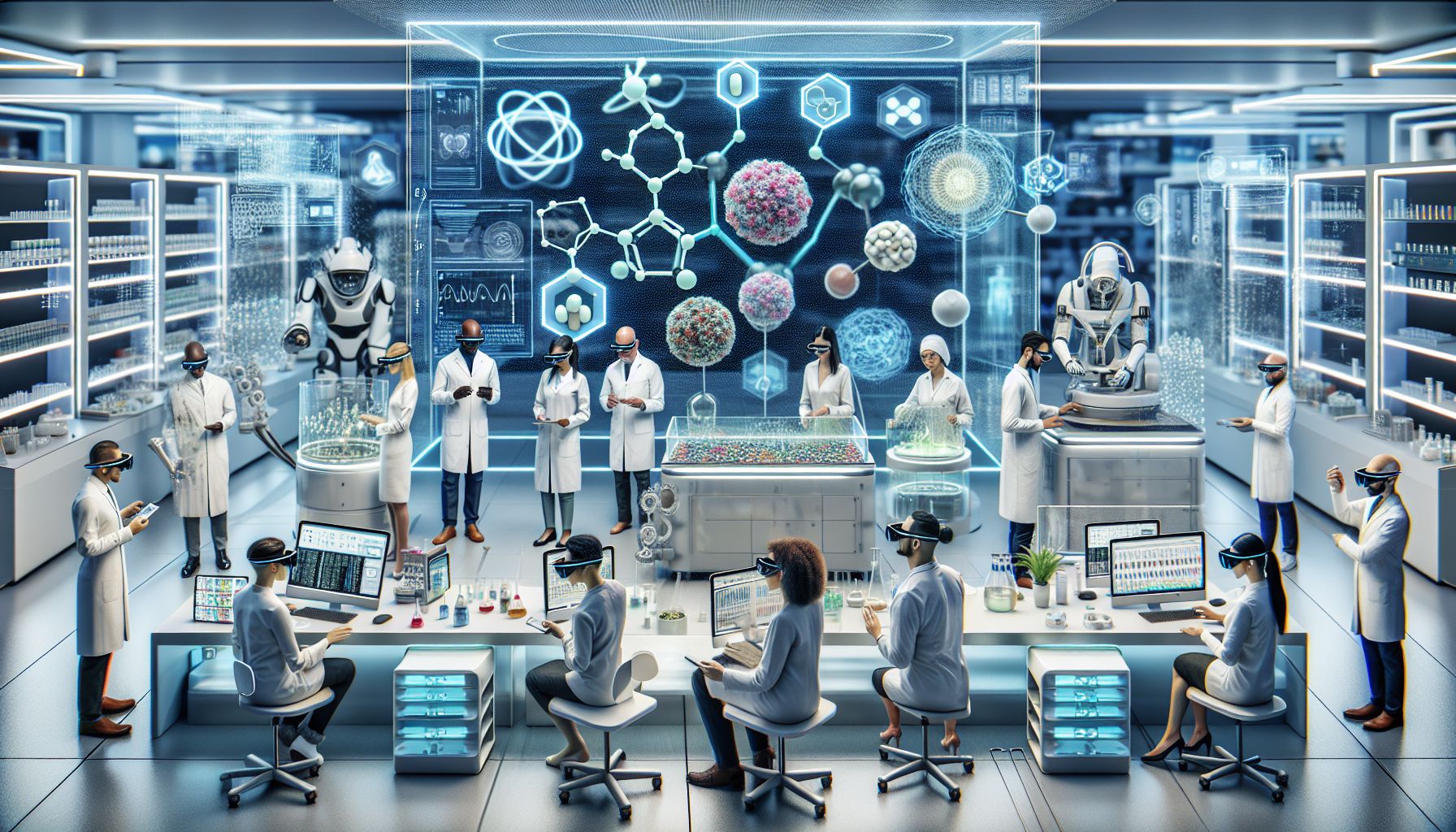
The Intersection of Technology and Pharmaceutical Products
In recent years, the pharmaceutical industry has been experiencing a revolution in the way it develops and delivers products to consumers. This revolution is largely being driven by advancements in technology, which have allowed for more efficient processes, personalized medicine, and improved patient outcomes.
One of the key ways in which technology is impacting the pharmaceutical industry is through the use of big data and analytics. By collecting and analyzing large amounts of data on things like patient demographics, genetic information, and treatment outcomes, pharmaceutical companies are able to better understand the needs of their target populations and develop more effective drugs and treatment regimens. This can lead to more tailored and personalized medicine, ultimately improving patient outcomes and reducing the risk of adverse reactions.
Another way in which technology is changing the pharmaceutical landscape is through the development of digital health solutions. These technologies, including wearable devices, mobile apps, and telemedicine platforms, are allowing patients to take a more active role in managing their health and wellness. For example, a patient with diabetes can use a smartphone app to track their blood sugar levels and receive personalized recommendations for managing their condition. Similarly, a mental health patient can use a telemedicine platform to connect with a therapist from the comfort of their own home. These digital health solutions are not only improving patient outcomes, but also reducing healthcare costs and increasing access to care.
Additionally, technology is playing a crucial role in the research and development of new pharmaceutical products. High-throughput screening techniques, computer modeling, and artificial intelligence are all being used to speed up the drug discovery process and identify new potential treatments for diseases. This has the potential to bring life-saving drugs to market faster and more efficiently than ever before.
In conclusion, the intersection of technology and pharmaceutical products is leading to a new era of innovation and progress in the healthcare industry. By harnessing the power of big data, digital health solutions, and cutting-edge research techniques, pharmaceutical companies are able to develop more effective drugs, deliver more personalized care, and ultimately improve patient outcomes. As technology continues to evolve, we can expect to see even more exciting developments in the field of pharmaceuticals, with the potential to revolutionize the way we approach healthcare in the future.
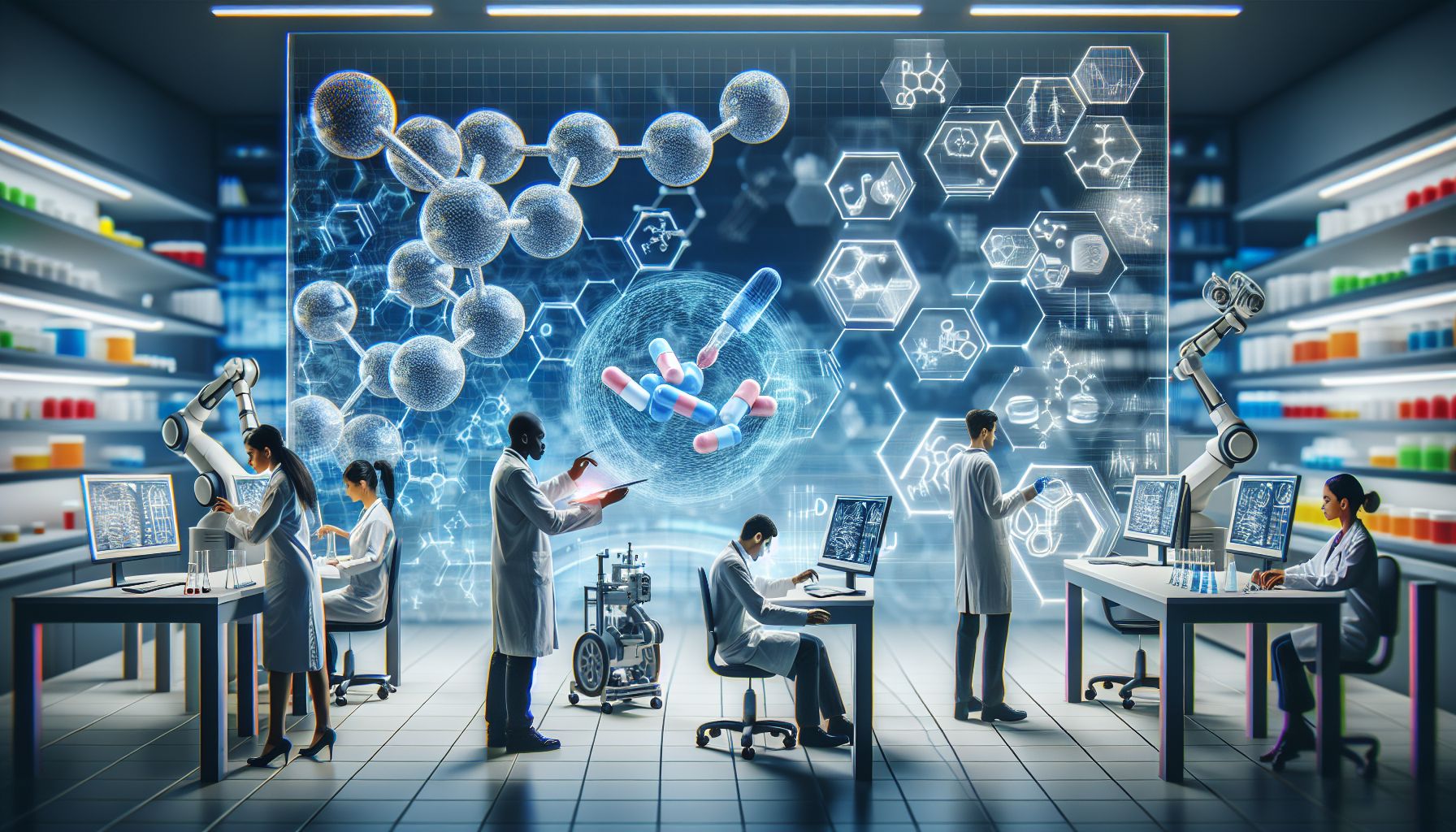
The Synergy of Technology and Pharmaceutical Products
In today’s modern world, technology has revolutionized nearly every aspect of our lives, including the development and distribution of pharmaceutical products. The marriage of technology and pharmaceuticals has led to groundbreaking advancements in medicine, improved patient outcomes, and more efficient healthcare delivery.
One of the most significant ways technology has impacted the pharmaceutical industry is through the use of big data analytics. By analyzing vast amounts of data, such as patient records, clinical trials, and genetic information, pharmaceutical companies can better understand diseases, develop more targeted treatments, and predict potential side effects. This has led to the development of personalized medicine, where treatments are tailored to an individual’s unique genetic makeup, leading to more effective and targeted therapies.
In addition to big data analytics, technology has also played a crucial role in drug discovery and development. High-throughput screening, molecular modeling, and computational chemistry are just a few examples of how technology has accelerated the process of bringing new drugs to market. With the help of artificial intelligence and machine learning, researchers can now test thousands of compounds virtually, speeding up the drug discovery process and reducing costs.
Furthermore, technology has transformed the way pharmaceutical products are manufactured and distributed. Automated manufacturing processes, such as robotic pill dispensers and 3D printing of medications, have improved the quality and consistency of drug production. Additionally, advancements in supply chain management, such as blockchain technology, have enhanced traceability and transparency in the pharmaceutical supply chain, reducing the risk of counterfeit drugs and improving patient safety.
Telemedicine is another technological innovation that has revolutionized healthcare delivery, particularly in the pharmaceutical industry. Patients can now consult with healthcare providers remotely, receive prescriptions electronically, and have medications delivered to their doorstep. This has improved access to healthcare, particularly for patients in rural or underserved areas, and has made it easier for individuals to adhere to their medication regimens.
In conclusion, the synergy of technology and pharmaceutical products has transformed the healthcare landscape, leading to more personalized treatments, faster drug development, and improved patient outcomes. As technology continues to advance, the possibilities for innovation in the pharmaceutical industry are endless. By harnessing the power of technology, pharmaceutical companies can continue to improve the quality of healthcare for patients around the world.
The Intersection of Technology and Pharmaceutical Products
In today’s fast-paced world, technology and pharmaceuticals are two industries that are constantly evolving and intertwining. The integration of technology in pharmaceutical products has led to groundbreaking advancements in healthcare, from new drug delivery systems to personalized medicine.
One of the most significant ways technology has impacted pharmaceutical products is through the development of smart pills. These pills are equipped with sensors that can track when they have been ingested and send data to healthcare providers. This can help ensure that patients are adhering to their medication regimen and allow for more personalized treatment plans.
Additionally, technology has played a crucial role in the development of targeted drug delivery systems. By using nanotechnology, researchers are able to create drug delivery systems that specifically target diseased cells, minimizing side effects and increasing efficacy. These advancements have revolutionized the way we treat diseases such as cancer and autoimmune disorders.
Furthermore, advancements in artificial intelligence and machine learning have enabled pharmaceutical companies to analyze large datasets and identify potential drug candidates more efficiently. By utilizing algorithms to predict drug interactions and side effects, researchers are able to streamline the drug development process and bring new medications to market faster.
In addition to improving drug development and delivery, technology has also transformed the way we access and manage our healthcare information. Telemedicine platforms allow patients to consult with healthcare providers remotely, making healthcare more accessible and convenient. Mobile health apps enable individuals to track their medication adherence, monitor vital signs, and receive personalized health recommendations.
While the integration of technology in pharmaceutical products has brought about numerous benefits, it also presents challenges. Data privacy and security concerns must be addressed to ensure that patient information is protected. Additionally, the growing reliance on technology in healthcare raises questions about equitable access to healthcare and the potential for technology to exacerbate existing healthcare disparities.
In conclusion, the intersection of technology and pharmaceutical products has the potential to revolutionize healthcare and improve patient outcomes. By leveraging advancements in technology such as smart pills, targeted drug delivery systems, and artificial intelligence, pharmaceutical companies can develop more effective medications and provide better care to patients. However, it is essential that we address the ethical and regulatory implications of these advancements to ensure that technology is used responsibly and equitably in healthcare.

The Intersection of Technology and Pharmaceutical Products
In today’s constantly evolving world, technology plays a significant role in the pharmaceutical industry. Advancements in technology have revolutionized the way pharmaceutical products are developed, tested, and marketed. From AI-powered drug discovery to digital health tools for patient care, the intersection of technology and pharmaceutical products is shaping the future of healthcare.
One of the most notable ways technology is impacting the pharmaceutical industry is through the use of artificial intelligence (AI) in drug discovery. Traditionally, drug discovery is a time-consuming process that involves screening thousands of compounds to identify potential candidates for new drugs. With AI, scientists can analyze vast amounts of data to predict how different compounds will interact with the human body, significantly speeding up the drug discovery process. This has the potential to bring new treatments to market faster and more efficiently than ever before.
Additionally, technology is transforming the way pharmaceutical products are tested and evaluated. Clinical trials, which are essential for testing the safety and efficacy of new drugs, can be made more efficient and cost-effective through the use of digital platforms. These platforms can help researchers collect and analyze data in real-time, allowing for quicker decision-making and more accurate results. This can ultimately lead to faster approval times for new pharmaceutical products.
Furthermore, technology is enabling pharmaceutical companies to better market their products and engage with patients. Digital health tools such as mobile apps and wearable devices are being used to monitor patient health, track medication adherence, and provide personalized treatment plans. These tools not only help patients better manage their health but also allow pharmaceutical companies to collect valuable data that can inform future product development.
In conclusion, the intersection of technology and pharmaceutical products is reshaping the healthcare industry in profound ways. From AI-driven drug discovery to digital health tools for patient care, technology is revolutionizing how pharmaceutical products are developed, tested, and marketed. As technology continues to advance, we can expect even more innovative solutions that will improve the quality of healthcare and ultimately benefit patients around the world.
The Intersection of Technology and Pharmaceutical Products
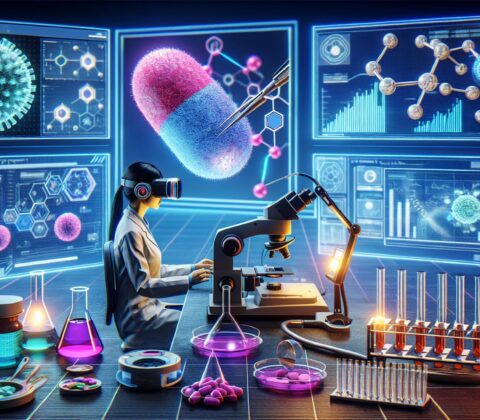
In recent years, the intersection of technology and pharmaceutical products has revolutionized the way we approach healthcare. From the discovery and development of new drugs to the delivery of medicines to patients, technology has played a crucial role in advancing the pharmaceutical industry.
One of the key areas where technology has made a significant impact is in drug discovery. Traditionally, drug discovery was a time-consuming and expensive process that relied heavily on trial and error. However, with the advent of technologies such as artificial intelligence and machine learning, researchers are now able to analyze massive amounts of data to identify potential drug candidates more quickly and accurately. This has not only accelerated the drug discovery process but has also led to the development of more targeted and effective treatments for a wide range of diseases.
In addition to drug discovery, technology has also transformed the way pharmaceutical products are manufactured and delivered to patients. With the rise of automation and robotics, pharmaceutical companies are now able to produce medicines more efficiently and with greater precision. This has not only reduced costs but has also improved the quality and consistency of the products that are being produced.
Furthermore, technology has also played a crucial role in improving patient care and medication adherence. With the development of mobile health apps and wearable devices, patients are now able to easily track their medication schedules, receive reminders, and monitor their health in real-time. This has not only helped patients better manage their health but has also enabled healthcare providers to deliver more personalized and effective treatments.
However, despite the numerous benefits that technology has brought to the pharmaceutical industry, there are also challenges that need to be addressed. One of the main concerns is data privacy and security, especially with the increasing use of electronic health records and telemedicine. It is crucial for pharmaceutical companies to ensure that patient data is protected and handled in a secure and compliant manner.
In conclusion, the intersection of technology and pharmaceutical products has transformed the healthcare landscape in unprecedented ways. From drug discovery to manufacturing and patient care, technology has revolutionized every aspect of the pharmaceutical industry. As technology continues to evolve, we can expect even more groundbreaking innovations that will drive the future of healthcare forward. By leveraging the power of technology, we can improve patient outcomes, reduce healthcare costs, and ultimately, save lives.
The Intersection of Technology and Pharmaceutical Products
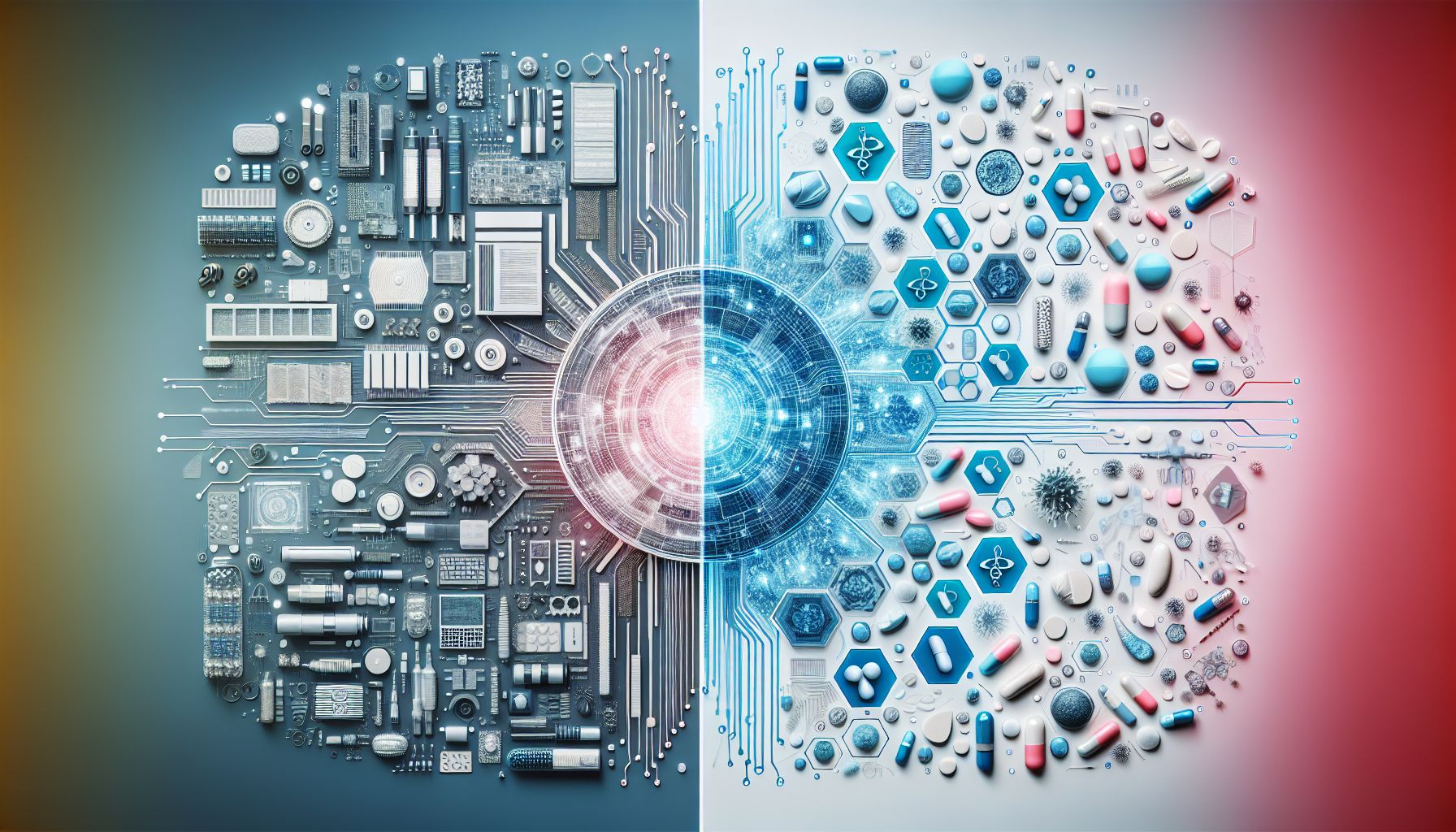
In today’s rapidly advancing world, technology has made its way into almost every aspect of our lives, including the pharmaceutical industry. With the development of new technologies, pharmaceutical companies have been able to improve their products, streamline processes, and make healthcare more efficient for consumers.
One of the key ways technology has impacted the pharmaceutical industry is through research and development. Scientists can now use artificial intelligence and machine learning algorithms to analyze massive datasets and discover new insights into diseases and potential treatments. This has led to the development of personalized medicine, where treatments can be tailored to individual patients based on their genetic makeup and other factors.
Another area where technology has made a significant impact is in the manufacturing and production of pharmaceutical products. Automation and robotics have allowed for more precise and efficient production processes, reducing the margin of error and increasing the quality of the products being produced. This has also led to a decrease in costs for pharmaceutical companies, which can ultimately benefit consumers.
Additionally, technology has revolutionized the way pharmaceutical products are distributed and consumed. With the rise of telemedicine and online pharmacies, patients can now consult with healthcare providers and order medications from the comfort of their own homes. This has increased access to healthcare for individuals in remote or underserved areas and has made it easier for patients to adhere to their medication regimens.
Furthermore, technology has also played a crucial role in improving patient outcomes and monitoring drug efficacy. Wearable devices and mobile apps can track patients’ vital signs, medication adherence, and overall health, providing valuable data to healthcare providers and allowing for more personalized and effective treatments.
In conclusion, the intersection of technology and pharmaceutical products has brought about numerous advancements in the healthcare industry. From research and development to manufacturing and distribution, technology has revolutionized the way pharmaceutical products are created, consumed, and monitored. As technology continues to evolve, we can expect even more innovative solutions to improve healthcare outcomes and ultimately, the quality of life for patients around the world.
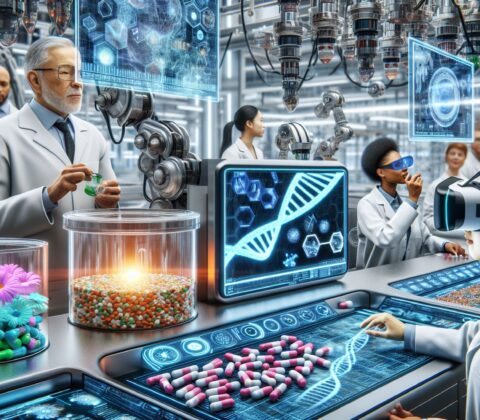
The Intersection of Technology and Pharmaceuticals
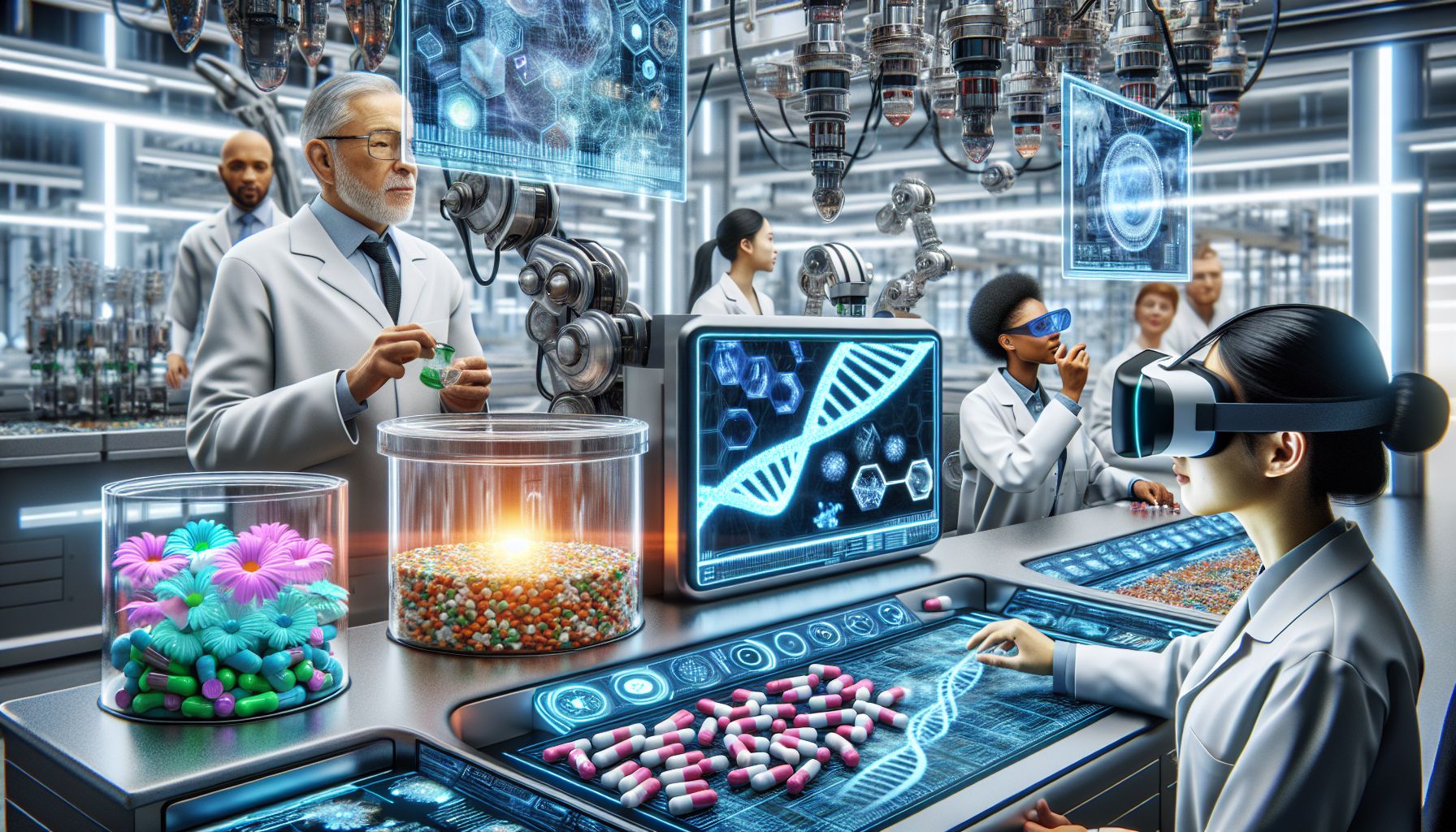
In today’s rapidly evolving world, technology has become an integral part of almost every industry, and the pharmaceutical sector is no exception. The convergence of technology and pharmaceutical products has brought about numerous advancements that have revolutionized the way we develop, produce, and consume medicine.
One of the key ways in which technology has impacted the pharmaceutical industry is through the use of artificial intelligence (AI) and machine learning. These technologies have enabled researchers to analyze vast amounts of data and identify potential drug candidates more quickly and accurately than ever before. By using algorithms to sift through huge datasets, scientists can pinpoint molecules that have the potential to be developed into new drugs, speeding up the drug discovery process significantly.
In addition to speeding up drug discovery, technology has also played a crucial role in improving the efficiency of pharmaceutical manufacturing. Advanced robotics and automation systems have been introduced in many pharmaceutical plants, reducing the risk of errors and contamination while increasing productivity. These technologies have not only made the manufacturing process faster and more reliable but also safer for both workers and consumers.
Furthermore, the rise of telemedicine and digital health platforms has transformed the way patients access and receive healthcare. From virtual doctor consultations to mobile health apps that track medication adherence, technology has made it easier for individuals to manage their health and connect with healthcare providers. This has been particularly crucial during the COVID-19 pandemic, when in-person healthcare services were limited.
Another area where technology and pharmaceuticals intersect is in the realm of personalized medicine. By utilizing genetic testing and data analytics, doctors can now tailor treatments to individual patients based on their genetic makeup, lifestyle, and medical history. This targeted approach not only increases the efficacy of treatments but also reduces the risk of adverse reactions, leading to better outcomes for patients.
While the synergy between technology and pharmaceutical products has brought about many benefits, it has also raised ethical and privacy concerns. The use of AI in drug development, for example, raises questions about the transparency of algorithms and the potential biases that could be embedded in them. Additionally, the collection and analysis of patient data for personalized medicine raise questions about data security and patient consent.
In conclusion, the integration of technology into the pharmaceutical industry has brought about numerous advancements that have transformed the way we develop, produce, and consume medicine. From accelerating drug discovery to improving manufacturing processes and enhancing patient care, technology has revolutionized the pharmaceutical sector in countless ways. However, as we continue to embrace these technological innovations, it is essential to address the ethical and privacy implications that come with them to ensure that the benefits of technology in healthcare are maximized while minimizing the risks.