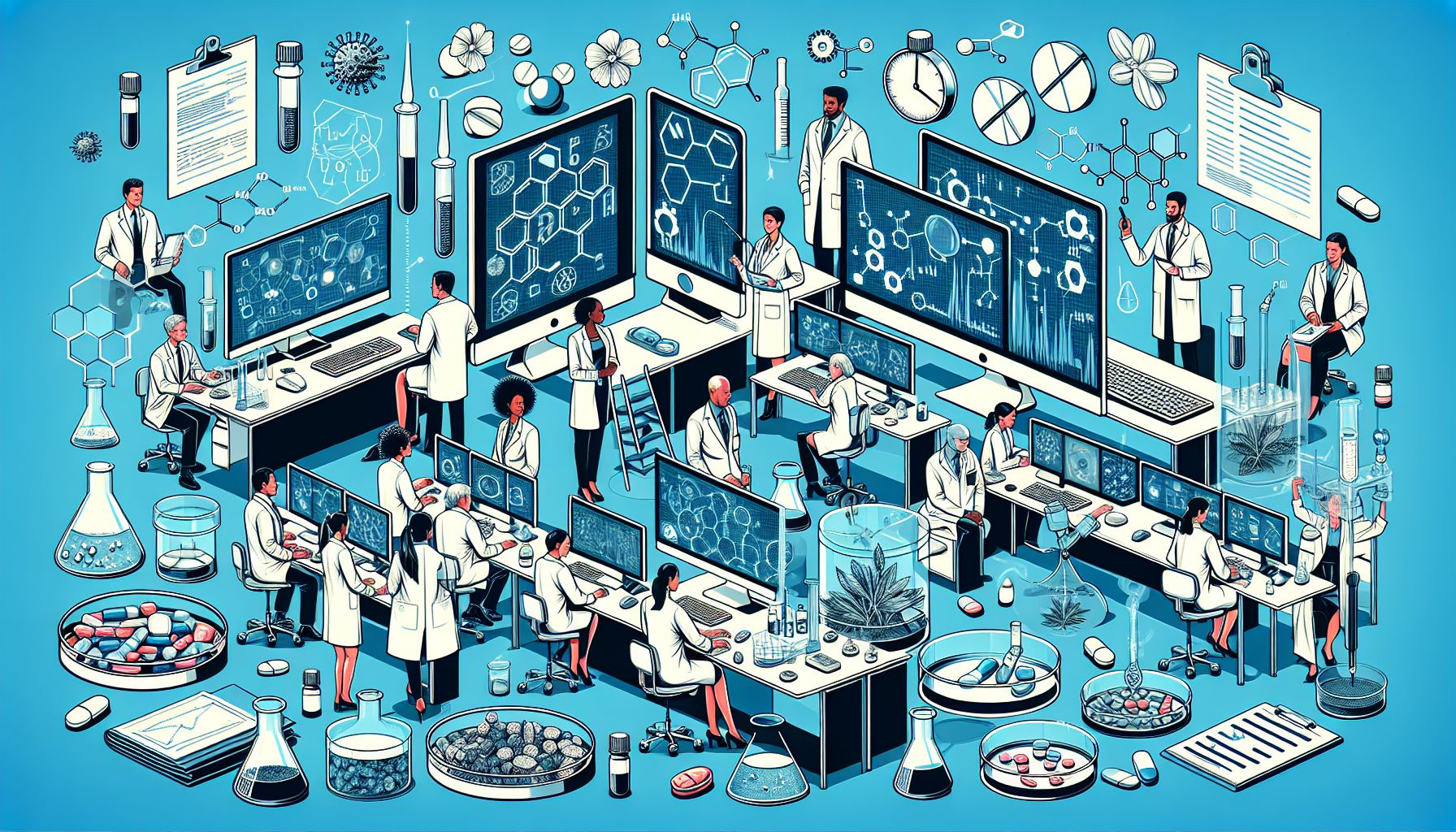
The Intersection of Technology and Pharmaceutical Products
As technology continues to advance at a rapid pace, its impact on various industries, including healthcare and pharmaceuticals, is becoming increasingly significant. The integration of technology with pharmaceutical products has revolutionized the way medical treatments are developed, delivered, and monitored.
One of the most notable advancements in this field is the development of personalized medicine, also known as precision medicine. This approach uses a patient’s genetic and molecular profile to tailor medical treatments to their specific needs. By leveraging technology such as genomic sequencing and data analytics, pharmaceutical companies can create targeted therapies that are more effective and have fewer side effects.
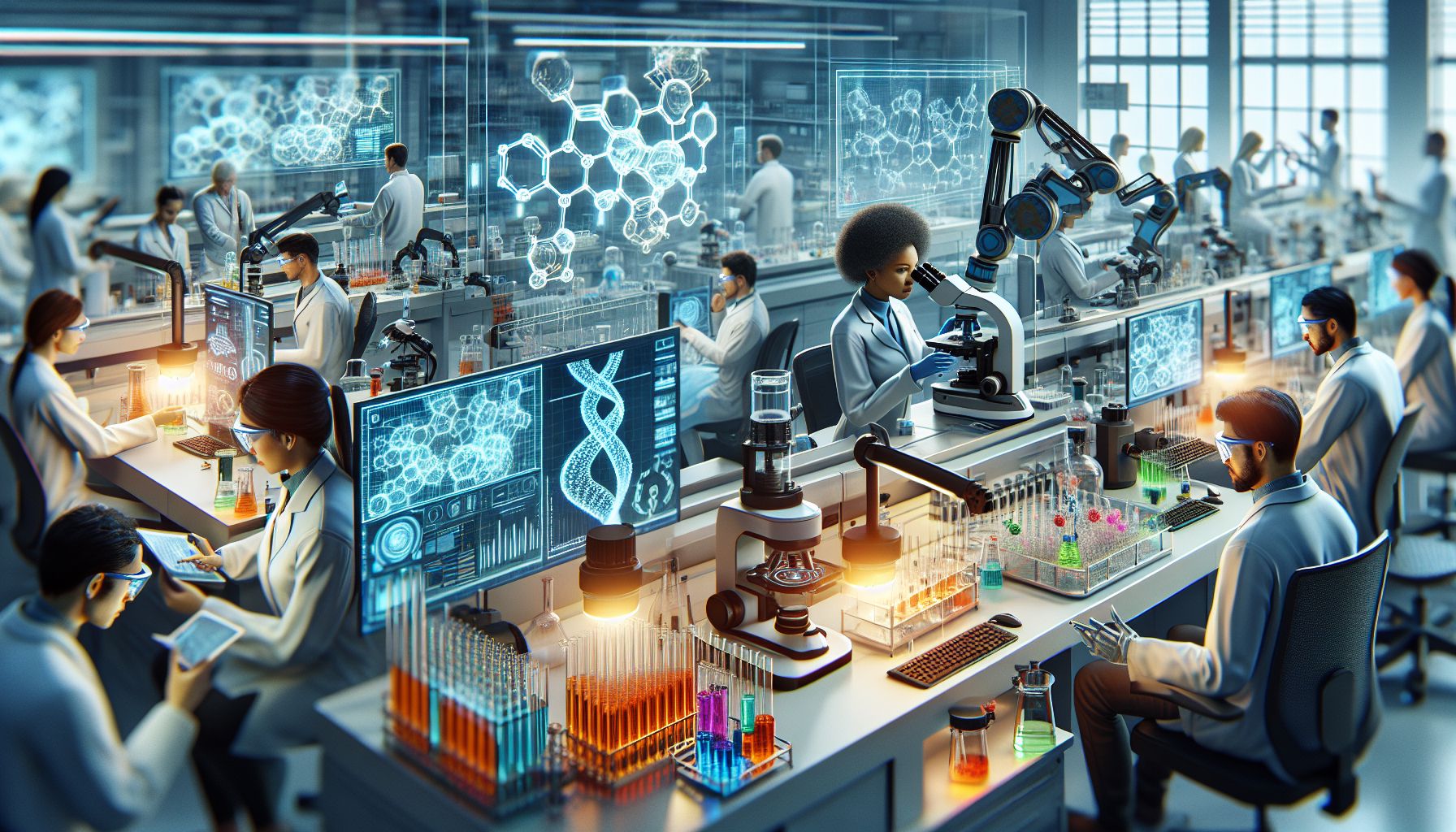
Additionally, technology has played a crucial role in improving drug discovery and development processes. With the help of artificial intelligence (AI) and machine learning algorithms, researchers can analyze vast amounts of data to identify potential drug candidates much faster than traditional methods. This not only accelerates the pace of drug development but also reduces costs and increases the likelihood of success.
Furthermore, technology has enabled the creation of innovative drug delivery systems that enhance the effectiveness and convenience of pharmaceutical products. For example, smart pills with embedded sensors can track medication adherence and provide real-time data to healthcare providers. Similarly, wearable devices and mobile apps allow patients to monitor their health metrics and receive personalized treatment recommendations.
In the era of telemedicine, technology has also facilitated remote consultations and monitoring of patients, particularly those with chronic conditions. Virtual healthcare platforms enable patients to interact with healthcare providers from the comfort of their homes, reducing the need for in-person visits and improving access to care.
Despite the numerous benefits of integrating technology with pharmaceutical products, there are also challenges that need to be addressed. Issues related to data privacy, cybersecurity, and regulatory compliance must be carefully managed to ensure the safety and security of patient information.
In conclusion, the nexus of technology and pharmaceutical products has paved the way for groundbreaking innovations in healthcare. From personalized medicine and AI-driven drug discovery to smart drug delivery systems and telemedicine solutions, technology is reshaping the pharmaceutical industry and revolutionizing patient care. As these advancements continue to evolve, it is essential for stakeholders to collaborate and navigate the complexities of integrating technology into the development and delivery of pharmaceutical products.
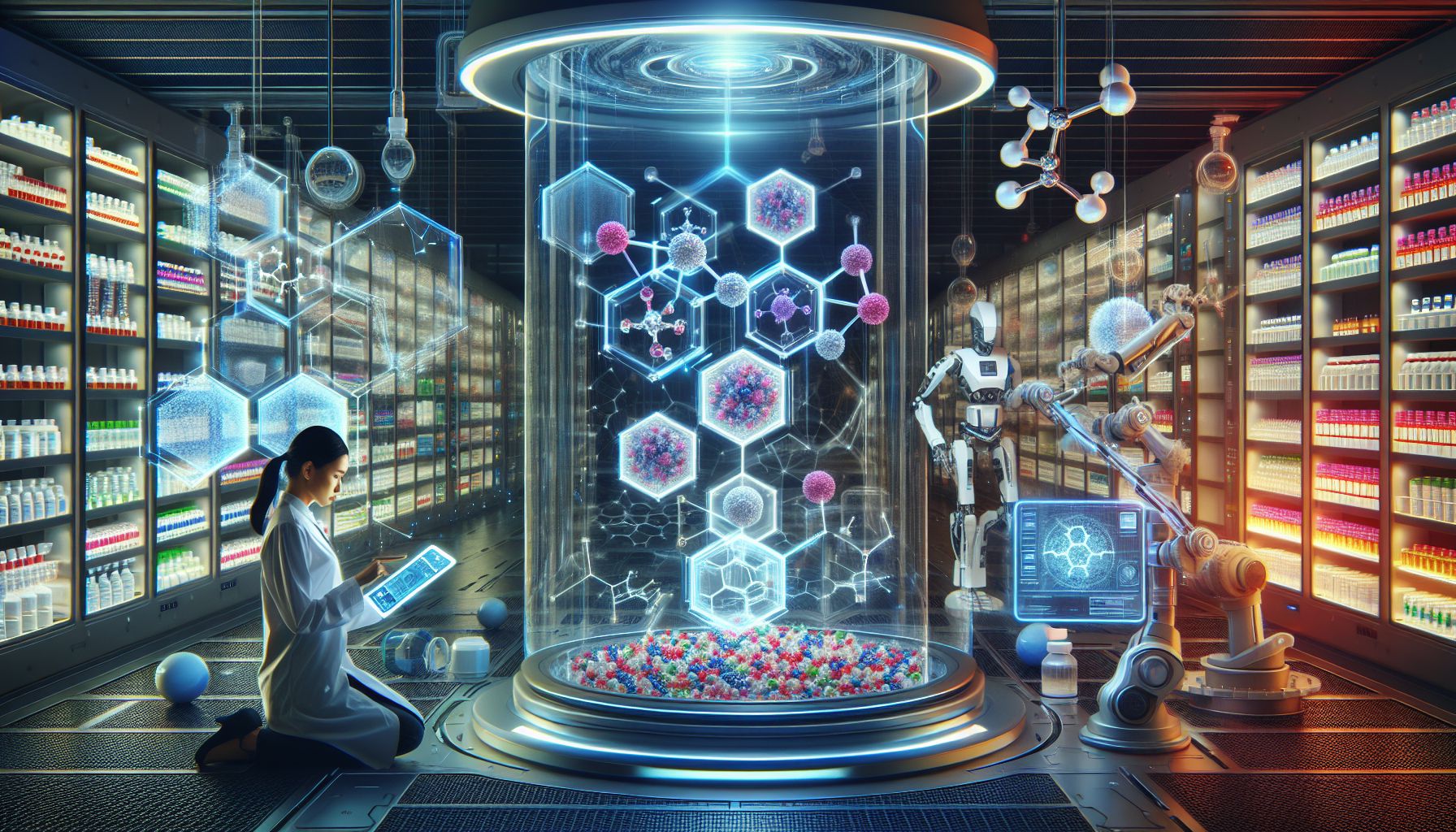
The Intersection of Technology and Pharmaceutical Products
In today’s digital age, technology has revolutionized almost every industry, including the pharmaceutical sector. The intersection of technology and pharmaceutical products has resulted in significant advancements in drug development, manufacturing, distribution, and patient care.
One of the key ways technology has impacted the pharmaceutical industry is through the use of data analytics and artificial intelligence. These tools help researchers analyze enormous amounts of data to identify potential drug candidates, predict their efficacy, and optimize clinical trials. This has significantly reduced the time and cost of drug development, leading to the faster delivery of new and innovative treatments to patients.
Moreover, technology has transformed the manufacturing and distribution processes of pharmaceutical products. Automation and robotics have improved efficiency and accuracy in drug production, ensuring that medications are manufactured consistently and comply with strict quality standards. Additionally, supply chain management software has enhanced the tracking and distribution of pharmaceutical products, reducing the risk of counterfeiting and ensuring timely delivery to patients in need.
In the realm of patient care, technology has enabled the development of personalized medicine and telehealth solutions. Genetic testing and big data analytics allow healthcare providers to tailor treatments to individual patients based on their genetic makeup and lifestyle factors. Telemedicine platforms have made it easier for patients to consult with healthcare professionals remotely, reducing the need for in-person visits and improving access to care, particularly in underserved areas.
Despite the numerous benefits of technology in the pharmaceutical industry, there are also challenges that come with its integration. Data privacy and security concerns, regulatory hurdles, and the digital divide among patients are some of the issues that need to be addressed to fully realize the potential of technology in healthcare.
As technology continues to evolve, so too will the ways in which pharmaceutical products are developed, manufactured, and delivered to patients. The collaboration between tech companies and pharmaceutical firms will be crucial in driving innovation and improving healthcare outcomes for individuals around the world. By harnessing the power of technology, the future of pharmaceutical products looks brighter than ever before.
In conclusion, the intersection of technology and pharmaceutical products has transformed the healthcare landscape, paving the way for more efficient drug development, manufacturing, distribution, and patient care. With continued advancements in technology, the potential for improving healthcare outcomes and enhancing the quality of life for patients is limitless. The synergies between technology and pharmaceutical products will continue to drive innovation and revolutionize the way we approach healthcare in the years to come.
The Advancements of Technology in the Pharmaceutical Industry
Technology has significantly impacted the pharmaceutical industry, revolutionizing the way drugs are developed, tested, and brought to market. With the integration of cutting-edge technologies, the industry has been able to enhance efficiency, improve accuracy, and accelerate the pace of innovation.
One of the most significant ways in which technology has transformed the pharmaceutical industry is through the use of artificial intelligence (AI) and machine learning. These technologies have enabled researchers to analyze vast amounts of data, identify patterns, and make predictions with unprecedented speed and accuracy. This has helped to streamline the drug discovery process, reducing the time and cost involved in bringing new drugs to market.
Additionally, technology has played a crucial role in drug testing and clinical trials. Advanced imaging techniques, such as MRI and PET scans, allow researchers to monitor the effects of experimental drugs in real-time, providing valuable insights into their efficacy and safety. Furthermore, virtual clinical trials conducted remotely via telemedicine platforms have made it easier for patients to participate in studies, improving recruitment rates and speeding up the development of new medications.
Moreover, technology has transformed the way pharmaceutical products are manufactured and distributed. Automated systems and robotics have made production processes more efficient and precise, ensuring consistent quality and reducing the risk of errors. Digital tracking systems and blockchain technology have also improved supply chain management, making it easier to trace the origins of drugs and prevent counterfeit products from entering the market.
In the realm of personalized medicine, technology has empowered healthcare providers to tailor treatments to individual patients based on their genetic makeup and other factors. Precision medicine platforms and genetic testing services have enabled doctors to identify the most effective therapies for each patient, leading to better outcomes and fewer side effects.
Looking ahead, the pharmaceutical industry is poised to continue benefiting from advancements in technology. The rise of digital health tools, such as wearable devices and mobile apps, will enable patients to monitor their health more closely and communicate with healthcare providers in real-time. Furthermore, the integration of big data analytics and genetic sequencing technologies will pave the way for the development of even more targeted and effective treatments.
In conclusion, technology has had a profound impact on the pharmaceutical industry, driving innovation and improving patient outcomes. By leveraging the power of AI, machine learning, advanced imaging techniques, and other technological advancements, the industry is transforming the way drugs are developed, tested, and delivered. As technology continues to evolve, the future of pharmaceutical products looks brighter than ever before.
The Intersection of Technology and Pharmaceuticals: A New Frontier in Healthcare
Technology has revolutionized nearly every aspect of our lives, and the field of pharmaceuticals is no exception. From drug discovery to patient care, technology is playing an increasingly important role in the development and delivery of pharmaceutical products.
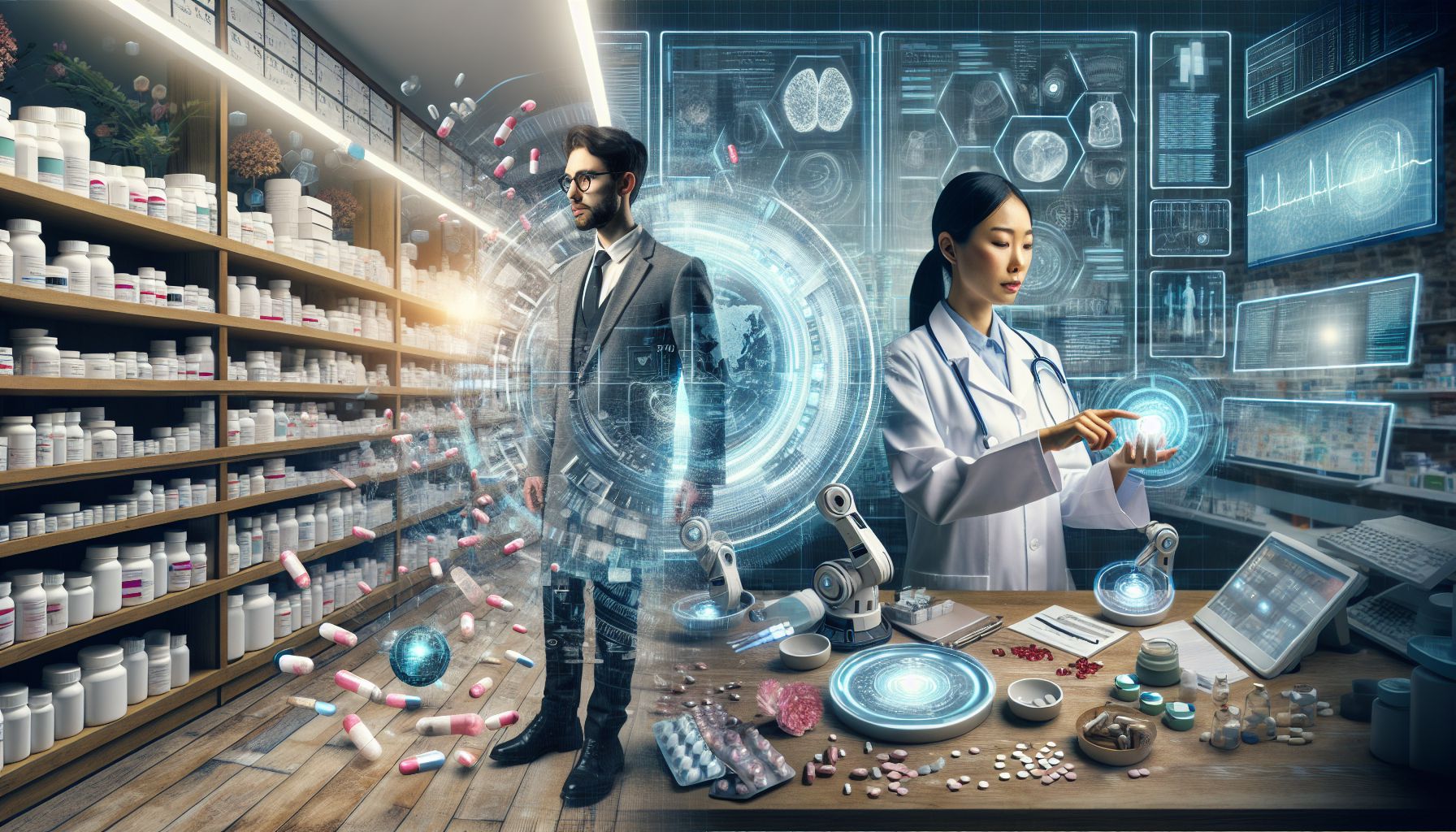
One of the most exciting areas where technology is making a difference in pharmaceuticals is in drug discovery. Traditional methods of drug discovery are time-consuming and expensive, but with the help of technologies like artificial intelligence and machine learning, researchers are able to sift through vast amounts of data to identify potential drug candidates more quickly and efficiently than ever before. This has the potential to greatly accelerate the development of new treatments for a wide range of diseases.
In addition to speeding up the drug discovery process, technology is also improving the way pharmaceutical products are delivered to patients. For example, advancements in medical devices and wearables are allowing patients to monitor their own health in real-time and share that data with their healthcare providers. This not only helps to improve patient outcomes, but also allows for more personalized and targeted treatment plans.
Another way technology is impacting the pharmaceutical industry is through the development of telemedicine platforms. These platforms enable patients to consult with healthcare providers remotely, eliminating the need for in-person visits and making healthcare more accessible and convenient for patients. This is especially important in rural or underserved areas where access to healthcare may be limited.
Furthermore, technology is also playing a crucial role in ensuring the safety and efficacy of pharmaceutical products. With the use of blockchain technology, for example, pharmaceutical companies are able to track the entire supply chain of a drug, from raw materials to the pharmacy shelf. This not only helps to prevent counterfeit drugs from entering the market, but also allows for greater transparency and traceability in the supply chain.
In conclusion, the intersection of technology and pharmaceuticals is opening up a new frontier in healthcare. From drug discovery to patient care, technology is transforming the way pharmaceutical products are developed, delivered, and monitored. By harnessing the power of technology, the pharmaceutical industry has the potential to greatly improve patient outcomes and revolutionize the way we think about healthcare.
The Impact of Technology on Pharmaceutical Products
Technology has revolutionized every industry, and the pharmaceutical sector is no exception. From drug discovery to production and distribution, technology plays a crucial role in improving the efficiency and effectiveness of pharmaceutical products. In this article, we will explore the various ways in which technology has transformed the pharmaceutical industry.
One of the most significant advancements in the pharmaceutical industry is the use of artificial intelligence (AI) and machine learning in drug discovery. These technologies enable scientists to analyze massive amounts of data to identify potential drug candidates much faster than traditional methods. This has led to the development of new drugs for a variety of illnesses, including cancer, diabetes, and heart disease.
In addition to drug discovery, technology has also transformed the production and manufacturing processes of pharmaceutical products. Automation and robotics have made it possible to streamline production, reduce errors, and increase efficiency. This not only decreases the time and cost of manufacturing drugs but also ensures their quality and consistency.
Another area where technology has had a significant impact is in the distribution and delivery of pharmaceutical products. The use of blockchain technology, for example, has improved transparency and traceability in the supply chain, making it easier to track the movement of drugs from manufacturer to patient. This has helped to reduce the risk of counterfeit drugs entering the market and improved patient safety.
Furthermore, technology has also revolutionized the way pharmaceutical companies interact with patients and healthcare providers. Telemedicine, for example, allows patients to consult with healthcare professionals remotely, reducing the need for in-person visits and improving access to care. Mobile apps and wearable devices have made it easier for patients to track their medication adherence and monitor their health conditions.
In conclusion, technology has had a transformative impact on pharmaceutical products, from drug discovery to distribution and patient care. By harnessing the power of AI, automation, blockchain, and other technologies, pharmaceutical companies can develop new drugs faster, improve manufacturing processes, ensure the quality and safety of products, and enhance the overall patient experience. As technology continues to advance, we can expect even more innovation and breakthroughs in the pharmaceutical industry in the years to come.
The Merge of Technology and Pharmaceutical Products
In recent years, the pharmaceutical industry has seen a significant shift towards integrating technology into the development, production, and delivery of pharmaceutical products. This fusion of technology and medicine has revolutionized the way healthcare is administered, leading to more efficient treatments and improved patient outcomes.
One of the key ways that technology has impacted pharmaceutical products is through the use of artificial intelligence (AI) and machine learning. These technologies have enabled researchers to analyze massive amounts of data to identify potential drug targets and develop new medications more quickly and accurately than ever before. By leveraging AI, pharmaceutical companies can streamline the drug discovery process, ultimately bringing new and innovative treatments to market faster.
Additionally, technology has also played a crucial role in improving the manufacturing and quality control processes of pharmaceutical products. Automation and robotics have been implemented in pharmaceutical manufacturing facilities to increase efficiency, reduce errors, and ensure consistency in the production of medications. This not only leads to cost savings for pharmaceutical companies but also enhances the safety and effectiveness of the drugs being produced.
Furthermore, the integration of technology has also transformed the way pharmaceutical products are delivered and monitored. The rise of telemedicine and digital health platforms has made it easier for patients to access medications and receive personalized treatment plans remotely. These digital tools also allow healthcare providers to track patient adherence to medication regimens and adjust treatments in real-time, leading to better patient outcomes and improved overall health.
Despite the many advantages that technology brings to the pharmaceutical industry, there are also challenges and concerns that must be addressed. Data privacy and security issues, regulatory hurdles, and ethical considerations are some of the key obstacles that pharmaceutical companies need to navigate as they continue to innovate with technology. However, with proper safeguards and protocols in place, the benefits of integrating technology into pharmaceutical products far outweigh the risks.
In conclusion, the merge of technology and pharmaceutical products has opened up new possibilities for improving healthcare and advancing medical treatments. By harnessing the power of AI, automation, and digital health platforms, pharmaceutical companies can develop innovative medications, enhance manufacturing processes, and deliver personalized care to patients more efficiently. As technology continues to evolve, the future of pharmaceutical products looks brighter than ever before.
The Intersection of Technology and Pharmaceutical Products
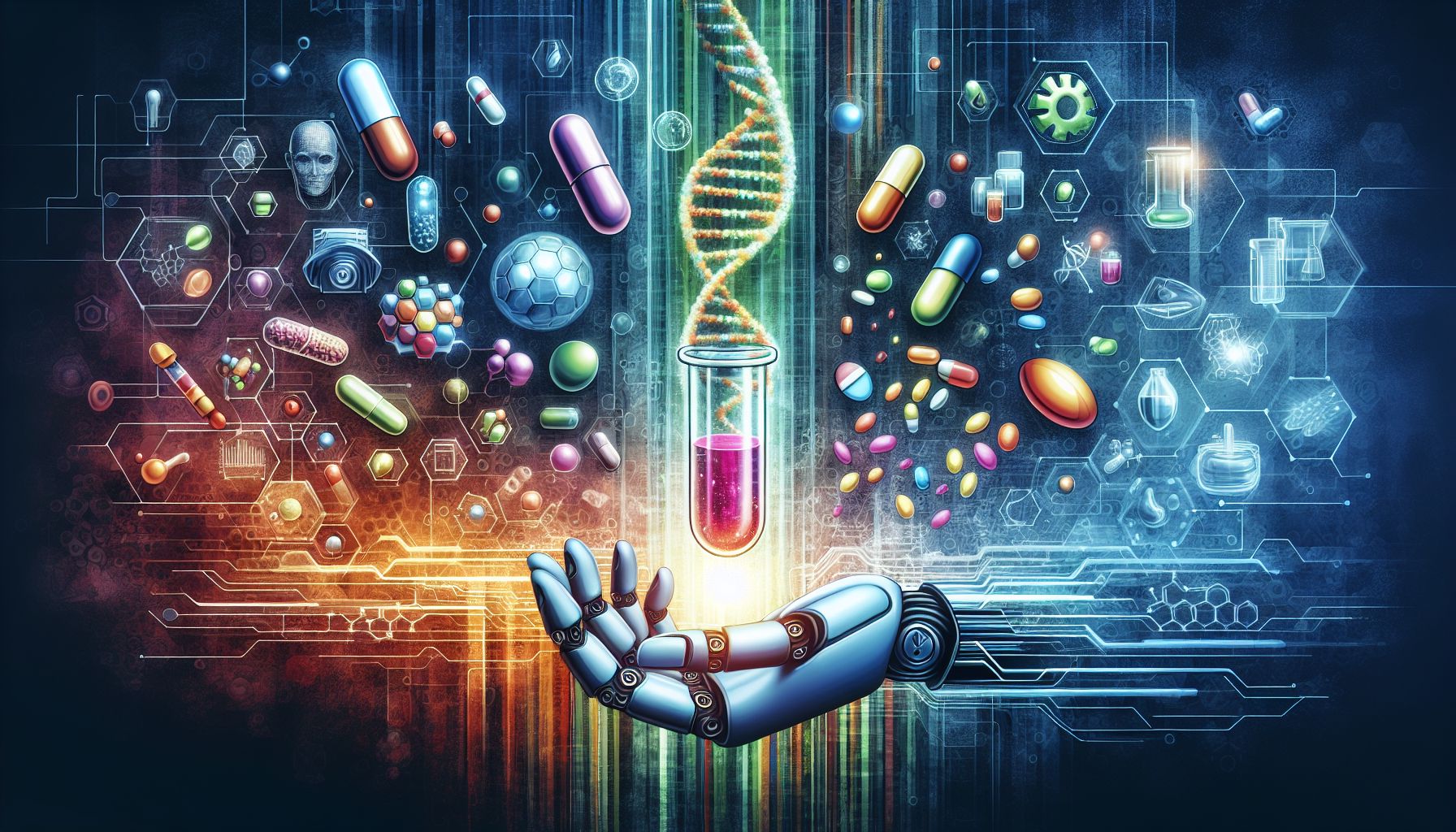
Technology has been drastically changing the way we live our lives, from how we communicate with each other to how we access information. One area that has seen a significant impact from technology is the pharmaceutical industry. The integration of technology into the development and distribution of pharmaceutical products has led to improved efficiency, accuracy, and overall patient outcomes.
In the past, pharmaceutical companies relied heavily on manual processes for drug discovery, clinical trials, and production. However, the advancements in technology have revolutionized these processes, making them faster, more cost-effective, and ultimately more successful. For example, artificial intelligence and machine learning algorithms are now being used to analyze vast amounts of data to identify potential drug candidates and predict their efficacy. This has significantly reduced the time and resources required for drug discovery, which ultimately leads to faster access to life-saving treatments for patients.
Moreover, technology has also played a crucial role in the distribution and monitoring of pharmaceutical products. With the rise of telemedicine, patients now have easier access to healthcare professionals and medication without needing to leave their homes. Through the use of mobile apps and wearable devices, patients can track their medication adherence and receive personalized notifications and reminders. This not only improves patient compliance but also allows healthcare providers to monitor patient progress in real-time.
Additionally, the use of blockchain technology in the pharmaceutical industry has enhanced supply chain transparency and integrity. By creating a secure, decentralized ledger of transactions, pharmaceutical companies can track the movement of products from manufacturer to patient, ensuring that medications are not counterfeit or tampered with along the way. This not only protects patients from receiving harmful counterfeit products but also allows for faster product recalls in case of safety concerns.
In conclusion, the integration of technology into the pharmaceutical industry has vastly improved the efficiency, accuracy, and overall quality of pharmaceutical products. From drug discovery to distribution, technology has played a pivotal role in transforming the way we develop, deliver, and monitor medications. As technology continues to advance, we can expect even more innovations in the pharmaceutical industry that will ultimately benefit patients worldwide.
The Intersection of Technology and Pharmaceutical Products
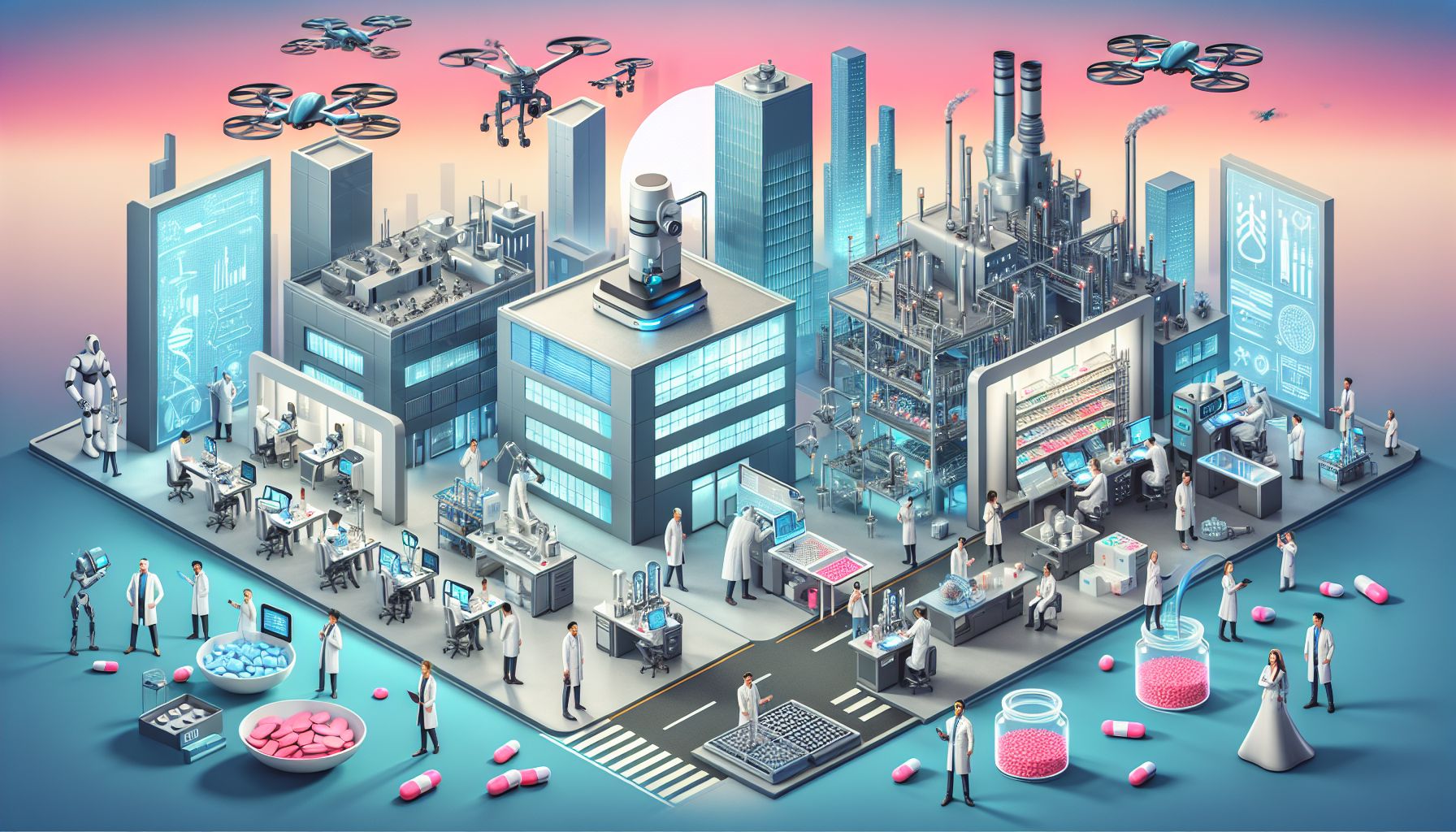
In recent years, we have witnessed a revolution in the healthcare industry thanks to the integration of technology into pharmaceutical products. This convergence has led to significant advancements in the development, manufacturing, and distribution of medications, ultimately improving patient outcomes and the overall healthcare ecosystem.
One of the key benefits of technology in pharmaceutical products is the introduction of personalized medicine. By leveraging tools such as genetic testing, artificial intelligence, and data analytics, pharmaceutical companies can tailor medications to individual patients based on their genetic makeup, lifestyle, and medical history. This personalized approach not only enhances the efficacy of treatments but also minimizes the risk of adverse effects, providing patients with a more targeted and precise form of healthcare.
Moreover, technology has streamlined the drug discovery and development process, making it faster, more cost-effective, and efficient. High-throughput screening, molecular modeling, and computer simulations have enabled researchers to identify potential drug candidates, predict their efficacy, and optimize their delivery mechanisms with greater accuracy. This accelerated pace of innovation has led to the quicker availability of new treatments for various medical conditions, ultimately benefitting patients who are in urgent need of novel therapies.
In addition to drug development, technology has also transformed the manufacturing and distribution of pharmaceutical products. Automation, robotics, and IoT devices have revolutionized production lines, ensuring consistent quality, reducing human error, and increasing productivity. Furthermore, blockchain technology has introduced greater transparency and traceability in the supply chain, preventing counterfeit drugs, improving inventory management, and enhancing regulatory compliance.
As we continue to witness the convergence of technology and pharmaceutical products, it is important for stakeholders in the healthcare industry to embrace and leverage these advancements to their fullest potential. By investing in research and development, fostering collaboration between tech companies and pharmaceutical manufacturers, and prioritizing patient-centric innovations, we can further enhance the efficacy, safety, and accessibility of medications for individuals around the world.
In conclusion, the integration of technology into pharmaceutical products represents a pivotal moment in the evolution of healthcare. From personalized medicine to streamlined drug development and manufacturing processes, technology has significantly improved the quality of care and outcomes for patients. As we look towards the future, it is essential for all stakeholders to continue supporting and investing in this intersection to drive further advancements and ultimately enhance the well-being of humanity.
The Intersection of Technology and Pharmaceutical Products
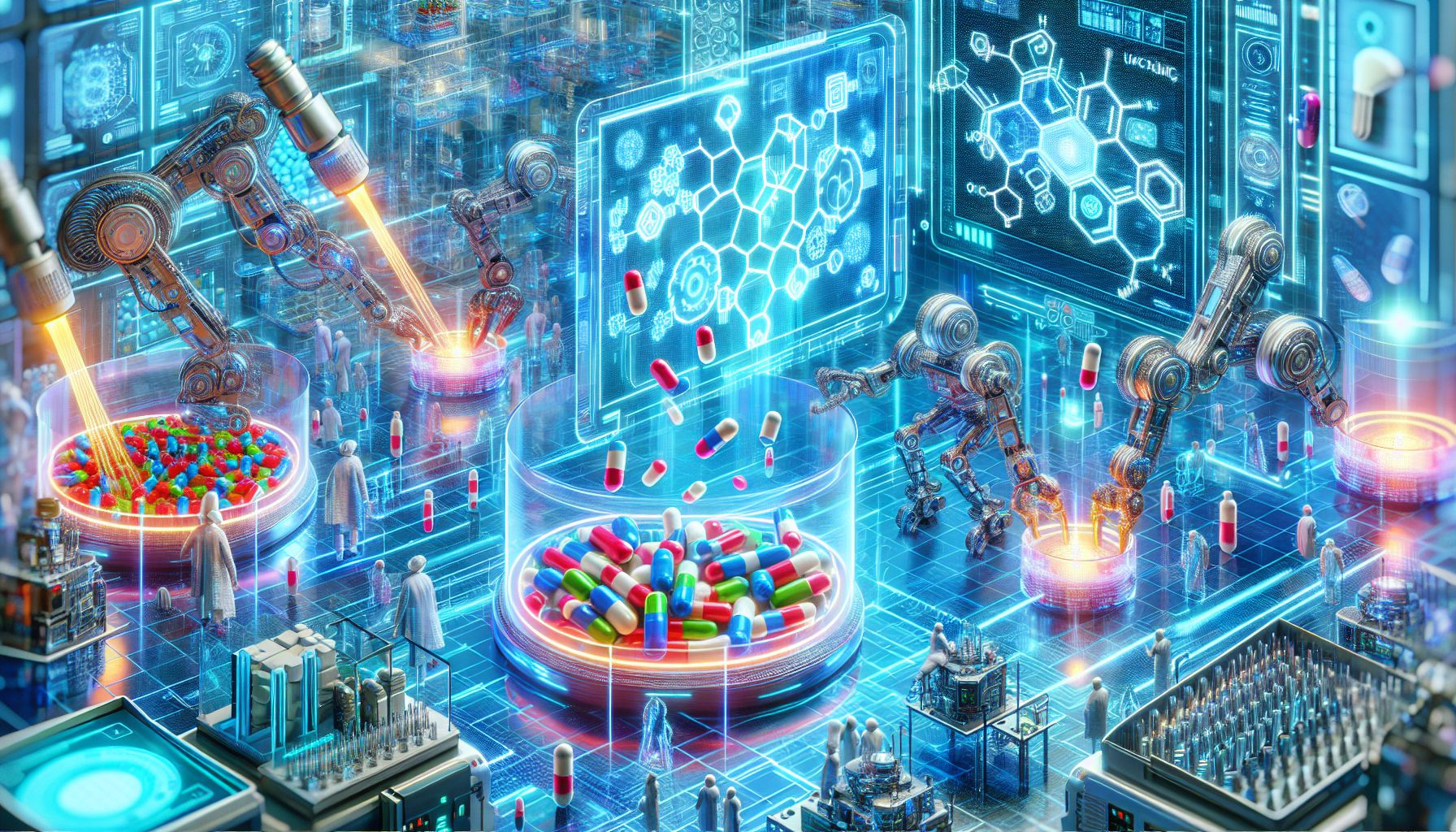
In recent years, the pharmaceutical industry has witnessed a remarkable transformation with the integration of cutting-edge technology. From drug discovery to delivery, technology has revolutionized the way pharmaceutical products are developed, tested, and distributed. This intersection of technology and pharmaceutical products has not only accelerated the pace of innovation but has also improved patient outcomes and healthcare delivery.
One of the most significant advancements in the pharmaceutical industry is the use of big data and artificial intelligence in drug discovery. By analyzing vast amounts of data, AI algorithms can identify potential drug candidates faster and more accurately than traditional methods. This has led to the development of novel treatments for various diseases and conditions, providing new hope for patients who previously had limited options.
Additionally, technology has also played a crucial role in improving the efficiency of clinical trials. Mobile health devices, wearable sensors, and telemedicine platforms have made it easier for researchers to collect real-time data from participants, leading to more comprehensive and reliable results. This not only speeds up the drug development process but also ensures that new medications are safe and effective for patients.
Furthermore, advancements in manufacturing technologies have allowed pharmaceutical companies to produce drugs more efficiently and cost-effectively. Automation, robotics, and 3D printing have streamlined production processes, resulting in higher quality medications at a lower cost. This has made treatments more accessible to patients around the world, particularly in underserved areas where healthcare infrastructure is limited.
In the realm of drug delivery, technology has also made significant strides. Nanotechnology, for example, has enabled the development of targeted drug delivery systems that can deliver medications directly to the site of action within the body. This not only enhances the efficacy of treatments but also reduces side effects and improves patient compliance.
In conclusion, the intersection of technology and pharmaceutical products has transformed the industry in profound ways. From drug discovery to delivery, technology has enabled faster innovation, more efficient processes, and improved patient outcomes. As technology continues to evolve, we can expect even more groundbreaking advancements in the pharmaceutical industry, ultimately leading to better healthcare for all.
By incorporating modern technological tools into the pharmaceutical industry, the potential of creating more effective drugs for various health issues seems promising. The innovation in this sector has surely opened up new doors for not only patients but also healthcare providers.
The Intersection of Technology and Pharmaceuticals
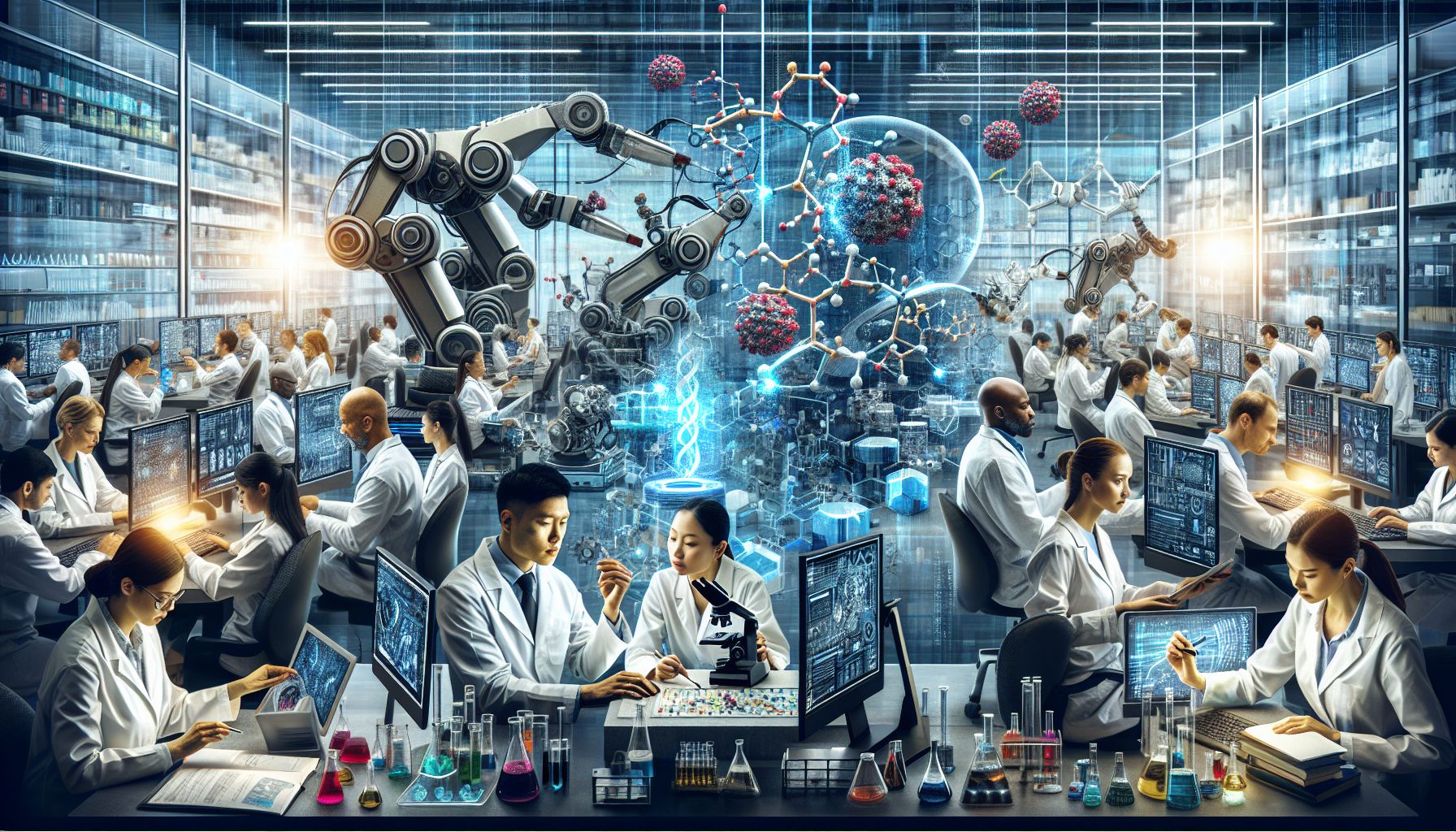
In today’s rapidly advancing world, technology has become a fundamental tool in the pharmaceutical industry. From drug development to production to distribution, various forms of technology are being integrated to improve efficiency, accuracy, and overall patient care.
One of the most significant ways in which technology has impacted pharmaceuticals is in the field of drug discovery. With the use of computational modeling, machine learning, and artificial intelligence, researchers are now able to analyze vast amounts of data to identify potential drug candidates at a much faster rate than ever before. This has not only accelerated the drug development process but has also led to the discovery of novel therapies for diseases that were previously untreatable.
Once a drug candidate has been identified, technology continues to play a crucial role in the manufacturing process. Advanced robotics and automation are being used to streamline production and ensure consistent quality control. This not only reduces the risk of errors but also helps to lower production costs, making medications more accessible to patients.
In the realm of patient care, technology has revolutionized how pharmaceutical products are delivered and administered. From smart pills that can track medication adherence to telemedicine platforms that allow patients to consult with healthcare providers remotely, technology is making it easier for individuals to manage their health and receive the treatment they need.
Furthermore, with the rise of personalized medicine, technology is paving the way for treatments that are tailored to an individual’s unique genetic makeup. Through the use of genetic testing and data analytics, healthcare providers can now prescribe medications that are more likely to be effective and less likely to cause adverse reactions, ultimately improving patient outcomes.
However, while the integration of technology in the pharmaceutical industry has brought about numerous benefits, it also presents challenges. Issues such as data privacy, cybersecurity, and regulatory compliance must be carefully considered to ensure that the use of technology does not compromise patient safety or infringe on their rights.
In conclusion, the intersection of technology and pharmaceuticals has the potential to transform healthcare in ways we never thought possible. By harnessing the power of technology, the pharmaceutical industry can continue to innovate, improve patient care, and ultimately save lives. As we look to the future, it is essential for stakeholders to collaborate and address the challenges that come with this technological revolution, ensuring that we can fully realize the benefits of this exciting new era in healthcare.