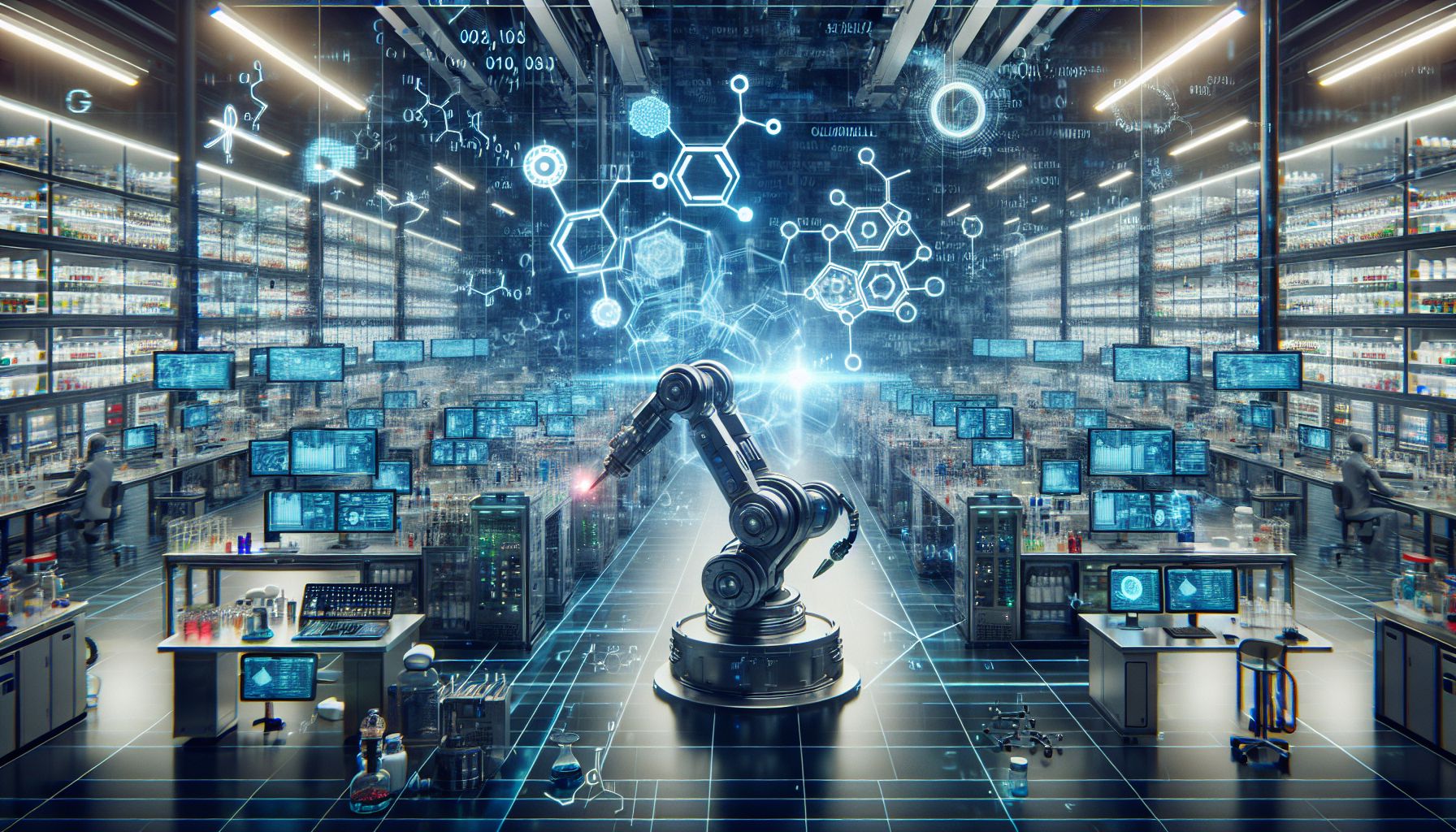

The Intersection of Technology and Pharmaceutical Products
In recent years, there has been a significant shift in the way pharmaceutical products are developed, tested, and distributed, thanks to advances in technology. The intersection of technology and the pharmaceutical industry has led to exciting innovations that are revolutionizing the way we approach healthcare.
One of the most significant advancements in this area is the use of artificial intelligence (AI) and machine learning in drug discovery. These technologies have the potential to accelerate the drug development process by analyzing vast amounts of data and identifying potential drug candidates more efficiently than traditional methods. By using AI, researchers can predict how a drug candidate will interact with biological systems, leading to more targeted and effective treatments.
In addition to drug discovery, technology is also transforming the way pharmaceutical products are manufactured. 3D printing, for example, allows for the production of personalized medications tailored to an individual’s unique needs. This not only improves patient adherence to medication regimens but also reduces waste and costs associated with traditional manufacturing processes.
Furthermore, technology is playing a crucial role in improving the safety and efficacy of pharmaceutical products. The use of blockchain technology, for instance, can help track the entire supply chain of a drug, ensuring its authenticity and preventing counterfeit products from entering the market. This not only protects patients from harmful substances but also helps pharmaceutical companies maintain their reputation and trust with consumers.
Moreover, the rise of telemedicine and digital health platforms has made it easier for patients to access pharmaceutical products and healthcare services from the comfort of their own homes. This has been especially beneficial during the COVID-19 pandemic, where individuals have been able to consult with healthcare providers and receive prescriptions without having to leave their homes.
In conclusion, the intersection of technology and pharmaceutical products has opened up a world of possibilities for improving healthcare outcomes. From AI-driven drug discovery to personalized medication manufacturing, technology is revolutionizing the pharmaceutical industry in ways we never thought possible. As we continue to embrace these technologies, we can expect to see even more innovations that will shape the future of healthcare for years to come.
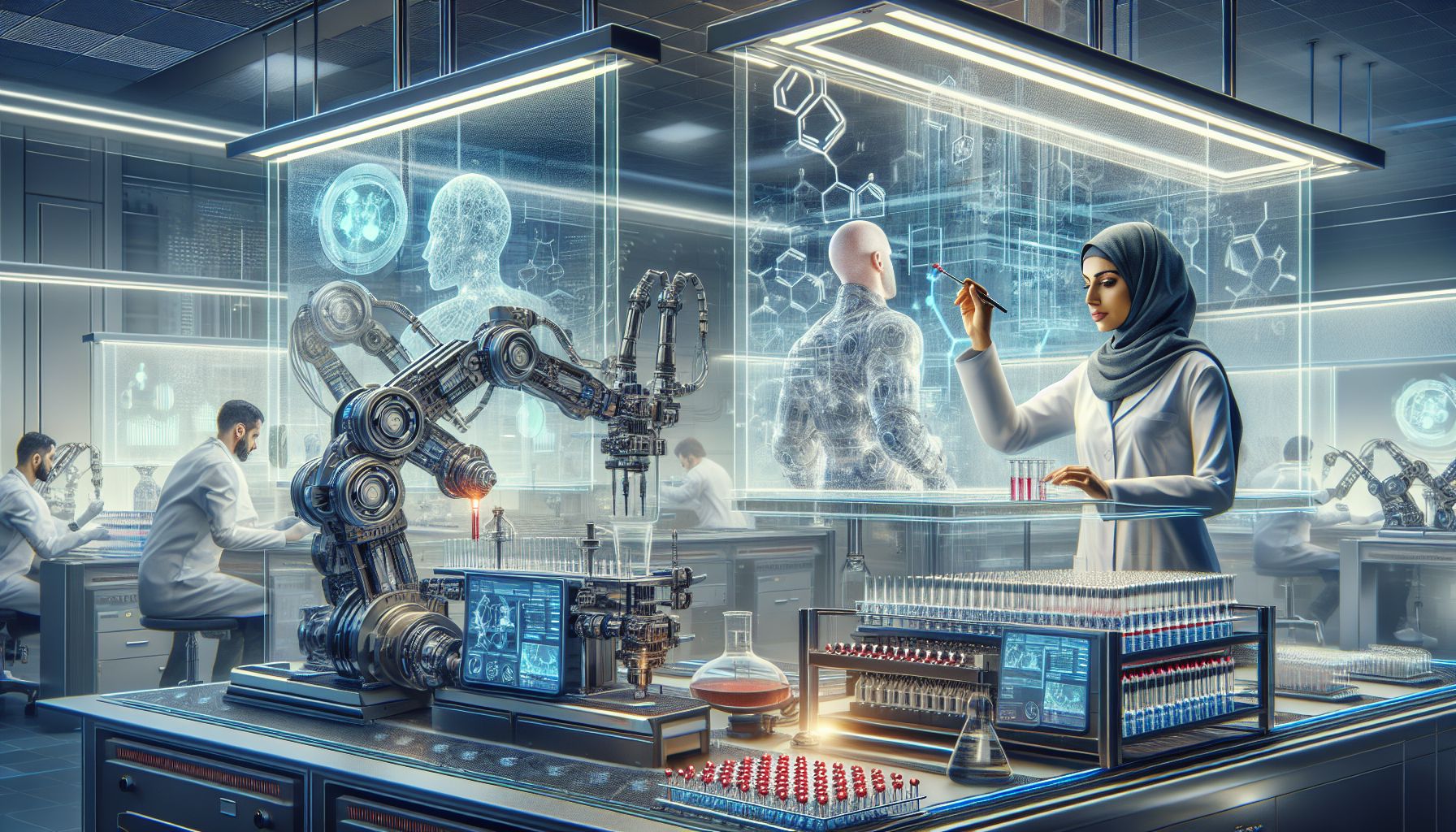
The Intersection of Technology and Pharmaceuticals
In today’s fast-paced world, technology and pharmaceuticals have become intertwined in a way that was unimaginable just a few decades ago. The development of new drugs, the manufacturing process, and even the way they are prescribed and administered have all been greatly influenced by advancements in technology.
One of the most significant ways technology has impacted the pharmaceutical industry is through the development of new drugs. With the help of computer modeling and simulations, scientists are able to test the efficacy of potential new drugs before ever conducting a single trial on humans. This not only speeds up the drug development process but also reduces the costs associated with bringing a new drug to market.
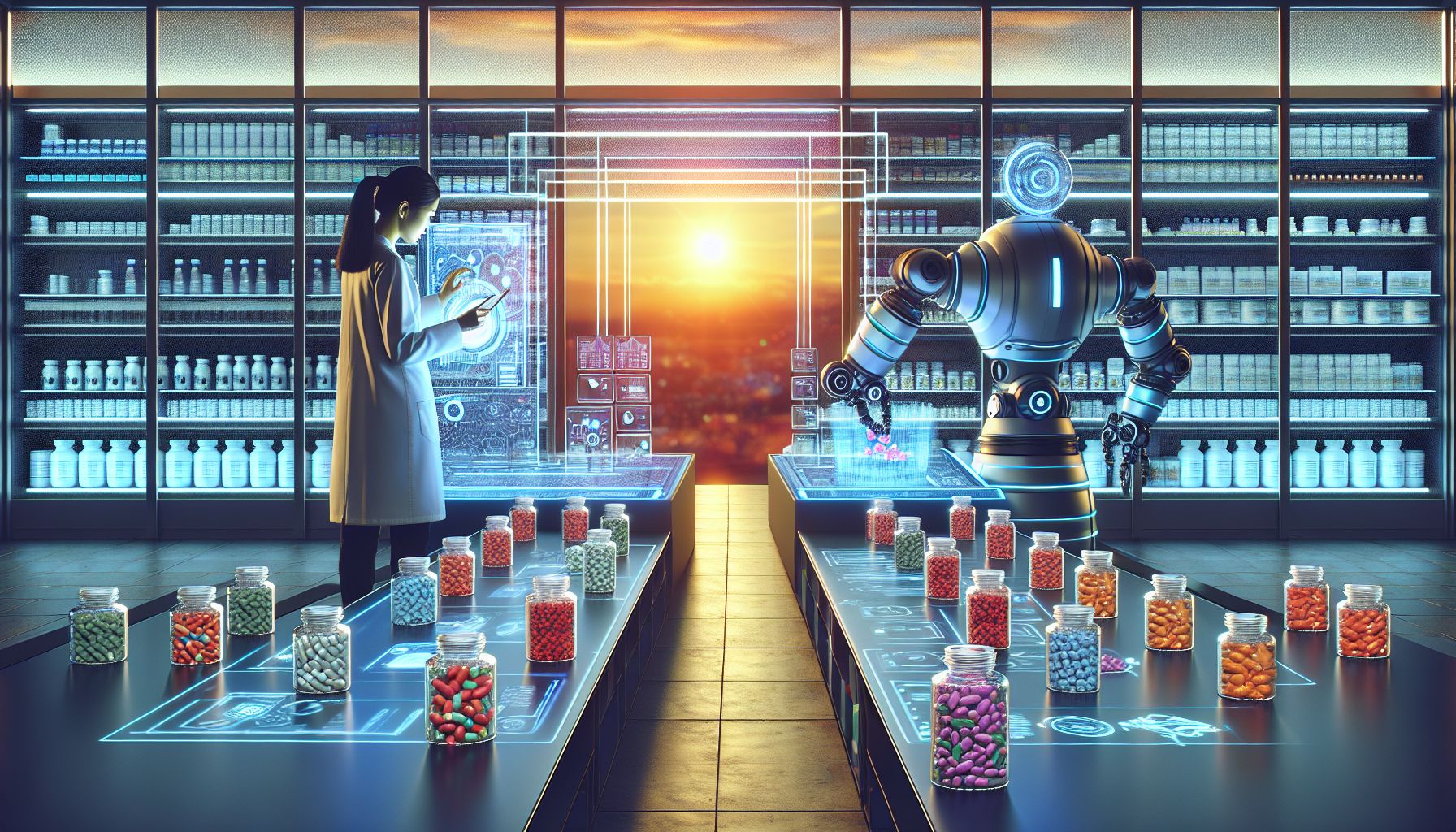
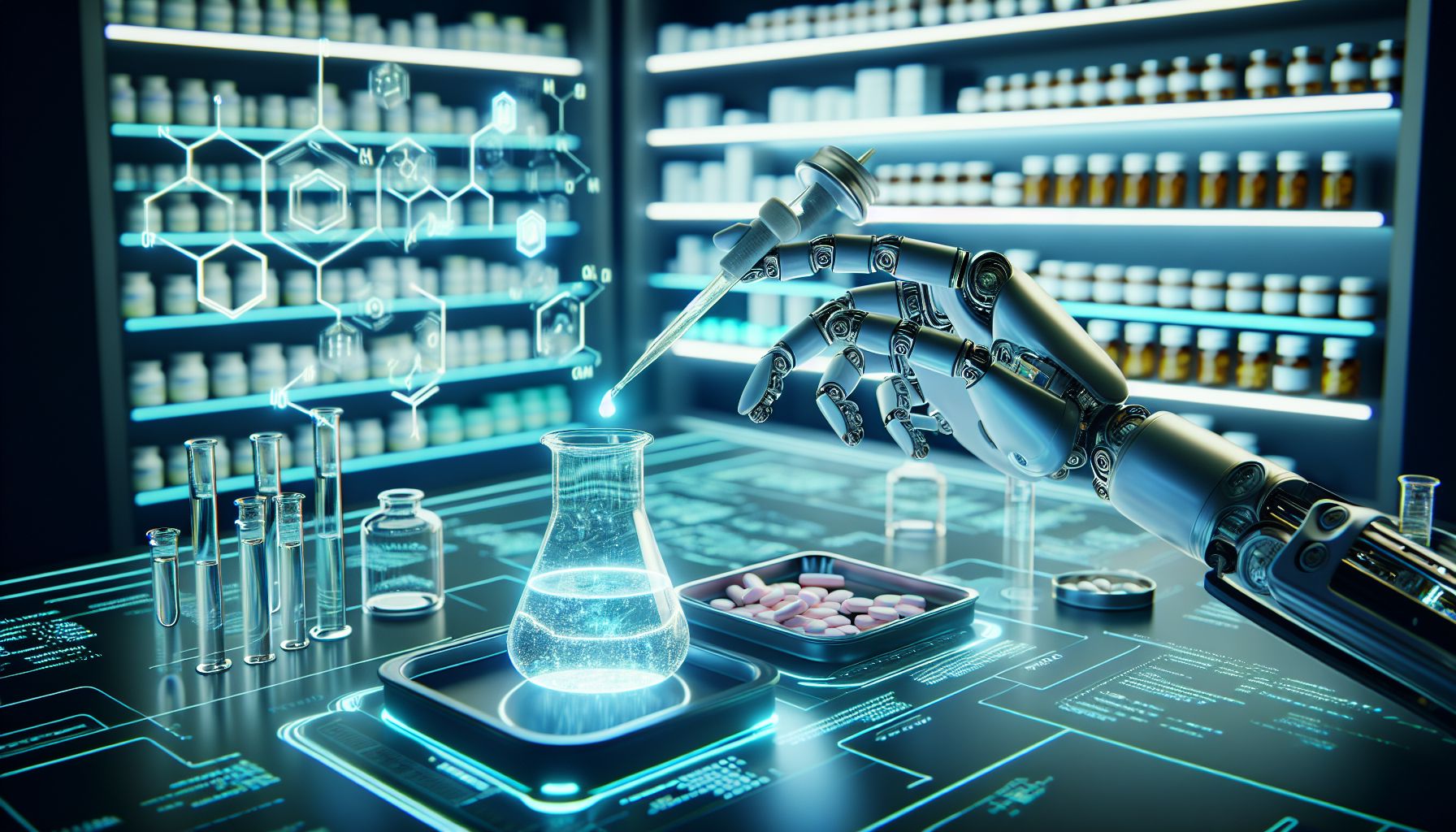
In addition to drug development, technology has also revolutionized the manufacturing process of pharmaceutical products. Automation and robotics have made it possible to produce drugs in large quantities with a level of precision that was once impossible. This has not only increased the efficiency of drug production but has also improved the quality and consistency of the products that are being produced.
Furthermore, technology has also had a profound impact on the way drugs are prescribed and administered. Electronic health records have made it easier for healthcare providers to access a patient’s medical history and make informed decisions about the medications they are prescribed. In addition, advancements in drug delivery systems have made it possible for patients to take their medications in ways that are more convenient and effective than ever before.
Overall, the intersection of technology and pharmaceuticals has had a positive impact on both industries. The development of new drugs has been accelerated, the manufacturing process has been optimized, and the way drugs are prescribed and administered has been greatly improved. As technology continues to advance, we can only expect these advancements to grow and continue to revolutionize the pharmaceutical industry.
In conclusion, the relationship between technology and pharmaceuticals is one that is constantly evolving and shaping the future of healthcare. The advancements that have been made in drug development, manufacturing, and administration have greatly improved the efficacy and accessibility of pharmaceutical products. As we look towards the future, it is clear that technology will continue to play a crucial role in the advancement of the pharmaceutical industry.

The Intersection of Technology and Pharmaceutical Products
In recent years, there has been a significant shift in the pharmaceutical industry towards the incorporation of technology into the development and distribution of products. This marriage of technology and pharmaceuticals has led to innovative solutions that are revolutionizing the way healthcare is delivered to patients worldwide.
One of the most prominent examples of this intersection is the rise of telemedicine and telehealth services. These technologies allow patients to consult with healthcare providers virtually, eliminating the need for in-person visits. This not only provides convenience for patients but also increases access to healthcare for those in remote or underserved areas. Additionally, telemedicine has played a crucial role in providing care during the COVID-19 pandemic, allowing patients to receive medical advice and treatment without risking exposure to the virus.
Another area where technology has made a significant impact on pharmaceutical products is in the realm of personalized medicine. Advances in genomics and data analytics have enabled researchers to tailor treatments to individual patients based on their genetic makeup. This personalized approach not only improves the effectiveness of treatments but also reduces the likelihood of adverse reactions, making healthcare safer and more efficient.
Furthermore, the use of technology in drug manufacturing and distribution has helped to streamline processes and ensure the quality and safety of pharmaceutical products. Automation and robotics have been implemented in manufacturing facilities to increase productivity and reduce human error. Additionally, blockchain technology has been used to track the supply chain of pharmaceutical products, allowing for greater transparency and accountability.
The integration of technology into pharmaceutical products has also led to the development of innovative drug delivery systems. From smart pills that can monitor patient adherence to medications to wearable devices that can administer drugs directly to the body, these advancements are changing the way drugs are administered and managed.
In conclusion, the synergy between technology and pharmaceutical products has opened up a world of possibilities in the healthcare industry. From telemedicine and personalized medicine to automation and innovative drug delivery systems, the impact of technology on pharmaceuticals is undeniable. As we continue to embrace these advancements, we can look forward to a future where healthcare is more accessible, efficient, and personalized than ever before.
The Intersection of Technology and Pharmaceutical Products
In recent years, the pharmaceutical industry has seen a significant increase in the integration of technology into their products and practices. From drug development to production to distribution, technology has revolutionized the way pharmaceutical companies operate. This intersection of technology and pharmaceutical products has not only improved the efficiency of drug development and delivery but has also led to better patient outcomes.
One area where technology has had a profound impact on the pharmaceutical industry is in drug discovery and development. Advances in artificial intelligence and machine learning have enabled researchers to analyze vast amounts of data quickly and efficiently, leading to the identification of new drug candidates at a faster rate. This can significantly shorten the time it takes for a new drug to go from the lab to the market, potentially saving lives in the process.
Additionally, technologies such as 3D printing have revolutionized the way drugs are manufactured. With 3D printing, it is now possible to create personalized drug formulations tailored to an individual patient’s needs. This has the potential to improve patient adherence to medication regimens and reduce the risk of adverse drug reactions.
In the realm of distribution, technology has enabled pharmaceutical companies to track their products more effectively, ensuring that medications are delivered safely and securely to patients. Through the use of blockchain technology, companies can create a transparent and traceable supply chain, reducing the risk of counterfeit drugs entering the market.
Moreover, technology has also transformed the way pharmaceutical companies interact with healthcare providers and patients. Mobile apps and telemedicine platforms have made it easier for patients to access information about their medications and communicate with their healthcare providers. This increased connectivity can lead to better medication adherence and improved health outcomes.
While the integration of technology into pharmaceutical products has brought about many benefits, it is not without its challenges. Ensuring the security and privacy of patient data, navigating regulatory hurdles, and keeping up with rapidly evolving technologies are all issues that pharmaceutical companies must address.
Overall, the intersection of technology and pharmaceutical products has the potential to revolutionize healthcare and improve patient outcomes. By embracing technology and leveraging its capabilities, pharmaceutical companies can continue to innovate and create products that have a positive impact on the lives of patients around the world.
The Intersection of Technology and Pharmaceutical Products
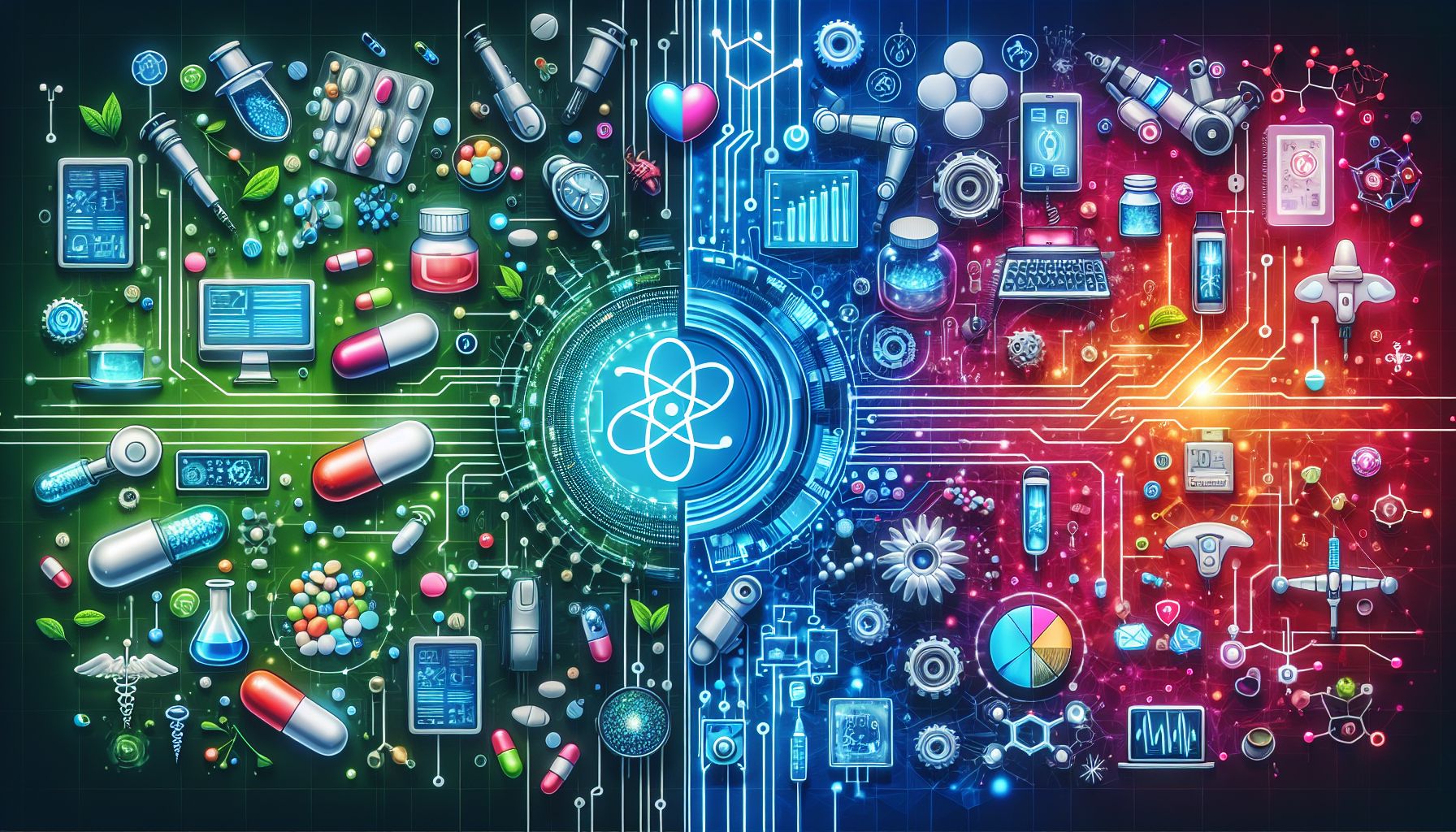
In today’s rapidly evolving world, technology is playing an increasingly important role in all aspects of our lives, including the pharmaceutical industry. The integration of cutting-edge technology with pharmaceutical products is revolutionizing the way medications are developed, manufactured, and distributed. This intersection of technology and pharmaceutical products is not only enhancing the efficiency and effectiveness of the drug development process but also improving patient outcomes.
One of the most significant ways in which technology is impacting the pharmaceutical industry is through the use of artificial intelligence (AI). AI algorithms can analyze large amounts of data to identify potential drug candidates, predict their efficacy, and optimize treatment regimens. This allows researchers to accelerate the drug discovery process and bring new medications to market more quickly. In addition, AI can help personalize treatment plans for individual patients based on their unique genetic makeup and medical history, leading to more targeted and effective therapies.
Another key technological advancement in the pharmaceutical industry is the development of 3D printing for drug manufacturing. This innovative technology allows for the precise and efficient production of personalized medications, such as dosage forms tailored to a patient’s specific needs. 3D printing also enables the creation of complex drug delivery systems that can release medications at a controlled rate, improving patient compliance and outcomes.
The use of blockchain technology is also revolutionizing the pharmaceutical supply chain by enhancing transparency, security, and traceability. By utilizing blockchain-based platforms, pharmaceutical companies can track the movement of medications from production facilities to patients, ensuring the authenticity and integrity of the products. This helps prevent counterfeiting and contamination, ultimately safeguarding patient safety.
Furthermore, the advent of telemedicine and digital health tools is transforming the way patients access healthcare services and manage their medications. Patients can now consult with healthcare providers remotely, receive medication reminders, and monitor their health conditions using smartphone apps and wearable devices. These technologies not only improve convenience for patients but also enable healthcare professionals to collect real-time data on treatment adherence and efficacy.
In conclusion, the integration of technology with pharmaceutical products is reshaping the landscape of healthcare and offering new opportunities for innovation and improvement. By harnessing the power of AI, 3D printing, blockchain, and digital health tools, the pharmaceutical industry is poised to deliver more personalized, efficient, and effective treatments to patients around the world. As technology continues to advance, the possibilities for enhancing pharmaceutical products and patient care are limitless.
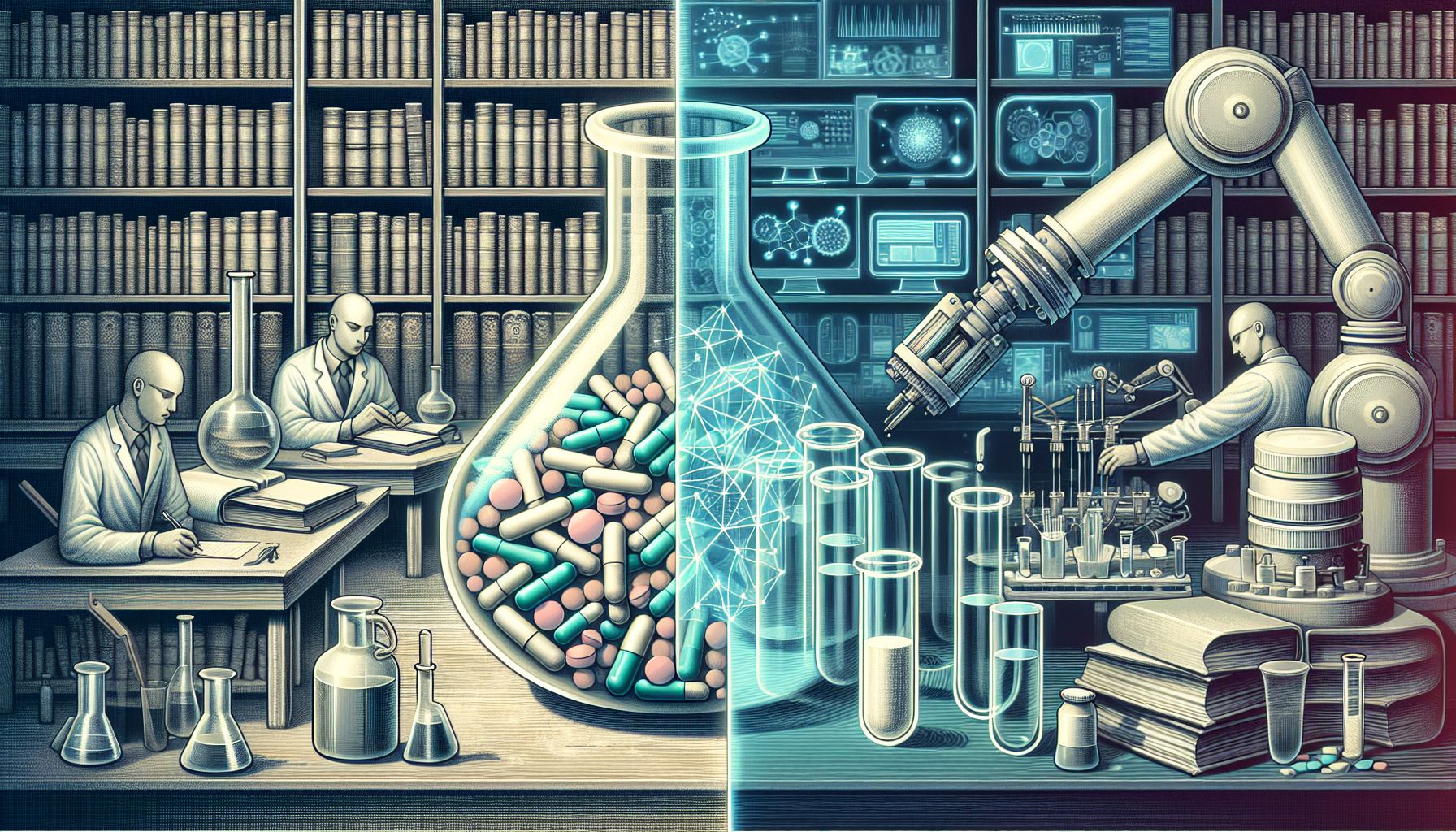
Technology’s Impact on Pharmaceutical Products
In today’s rapidly evolving world, technology plays a crucial role in the development, production, and distribution of pharmaceutical products. From research and development to manufacturing and marketing, advancements in technology have revolutionized the pharmaceutical industry, leading to the creation of innovative drugs and treatments that improve the quality of life for millions of people worldwide.
One of the major ways in which technology has transformed the pharmaceutical industry is through accelerated drug discovery and development. With the help of computational modeling and simulation, scientists can analyze vast amounts of data to identify potential drug candidates more quickly and accurately than ever before. This has significantly reduced the time and cost associated with bringing a new drug to market, allowing pharmaceutical companies to deliver life-saving treatments to patients in a timelier manner.
Moreover, technology has also revolutionized the manufacturing process of pharmaceutical products. Automation and robotics have made production more efficient and streamlined, ensuring the consistency and quality of drugs being manufactured. Additionally, the use of data analytics and artificial intelligence has enabled manufacturers to optimize their supply chains, reducing waste and improving overall productivity.
In terms of distribution and marketing, technology has facilitated the seamless delivery of pharmaceutical products to patients. Online pharmacies and telemedicine services have made it easier for individuals to access the medications they need, particularly in remote or underserved areas. Furthermore, digital marketing strategies have allowed pharmaceutical companies to reach their target audience more effectively, increasing awareness about various health conditions and available treatment options.
However, while technology has brought about numerous benefits to the pharmaceutical industry, it also presents new challenges and ethical considerations. Issues such as data privacy, cybersecurity, and the regulation of digital health products require careful attention and ongoing dialogue to ensure that patients are protected and that the integrity of the industry is maintained.
In conclusion, technology has had a profound impact on pharmaceutical products, from drug discovery and development to manufacturing and distribution. As the industry continues to embrace new technologies and innovations, it is essential for stakeholders to collaborate and adapt to these changes responsibly. By leveraging the power of technology, the pharmaceutical industry can continue to make significant advancements in healthcare and improve the well-being of individuals around the world.
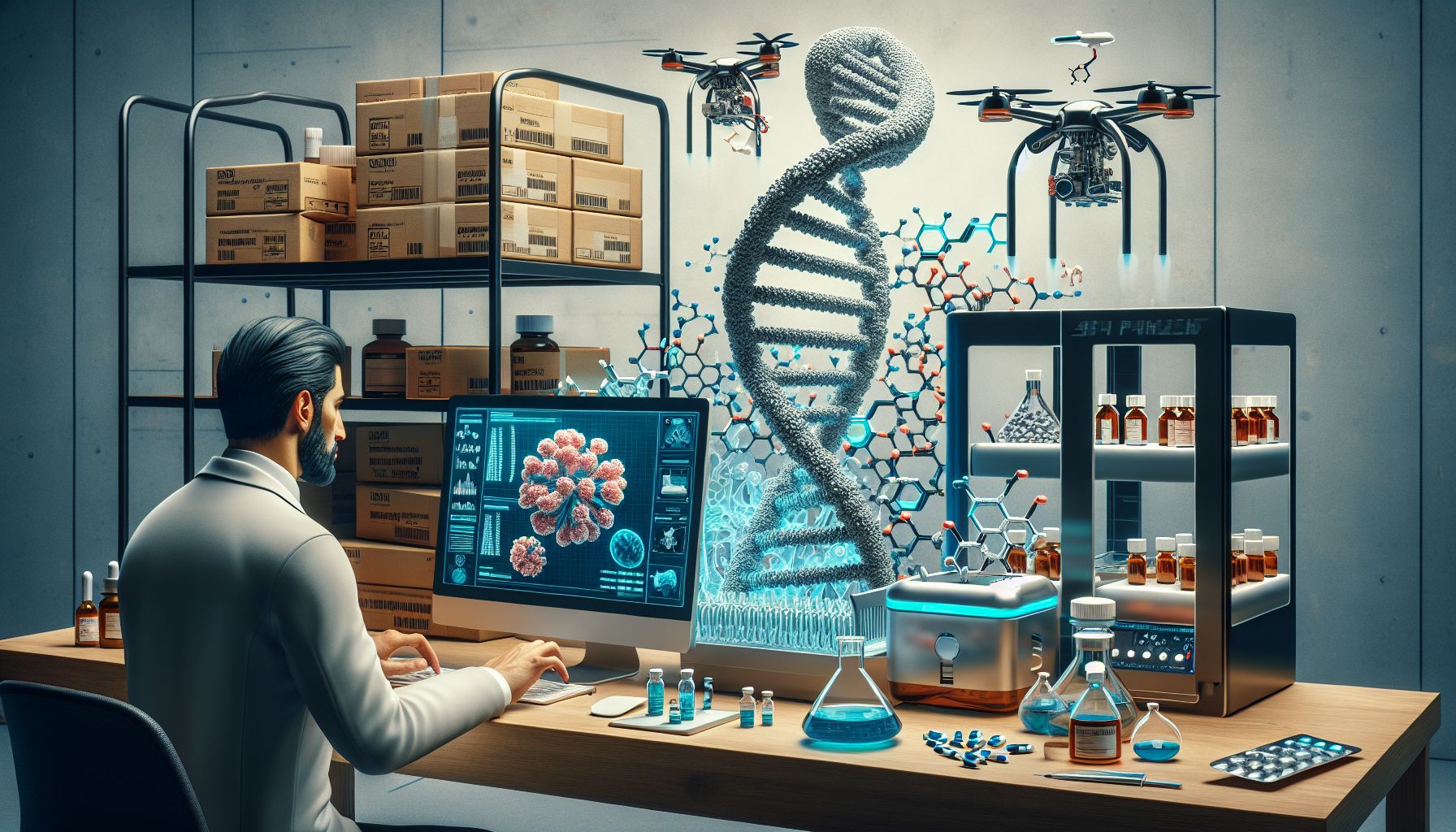
How Technology is Revolutionizing Pharmaceutical Products
Technology has been a driving force in advancing various industries, and pharmaceuticals are no exception. From drug discovery to patient care, technology has played a crucial role in enhancing the development and delivery of pharmaceutical products.
One of the key ways technology has revolutionized pharmaceutical products is through the process of drug discovery. Through the use of artificial intelligence and machine learning, scientists can now analyze vast amounts of data to identify potential drug candidates in a fraction of the time it would take using traditional methods. This has greatly accelerated the drug discovery process, allowing pharmaceutical companies to bring new treatments to market more quickly.
In addition to speeding up the drug discovery process, technology has also improved the safety and efficacy of pharmaceutical products. Advanced modeling and simulation tools allow scientists to predict how a drug will behave in the body, helping to identify potential side effects or interactions with other medications. This has led to the development of safer and more effective drugs, benefiting patients around the world.
Furthermore, technology has transformed the way pharmaceutical products are delivered to patients. The rise of telemedicine and digital health platforms has made it easier for patients to access the medications they need, whether through online consultations with healthcare providers or prescription delivery services. This has been especially important during the COVID-19 pandemic, when many people have been unable or hesitant to visit doctors’ offices in person.
Looking ahead, technology continues to hold great promise for the future of pharmaceutical products. The use of personalized medicine, where treatments are tailored to an individual’s genetic makeup, is becoming more common thanks to advances in genomics and data analytics. This approach not only improves patient outcomes but also reduces the risk of adverse reactions to medications.
In conclusion, technology has had a profound impact on the pharmaceutical industry, from drug discovery to patient care. By leveraging the power of artificial intelligence, machine learning, and other innovative tools, pharmaceutical companies are able to develop safer, more effective drugs in less time than ever before. As technology continues to evolve, we can expect even more groundbreaking advancements in pharmaceutical products that will ultimately improve the health and well-being of people worldwide.
The Intersection of Technology and Pharmaceutical Products
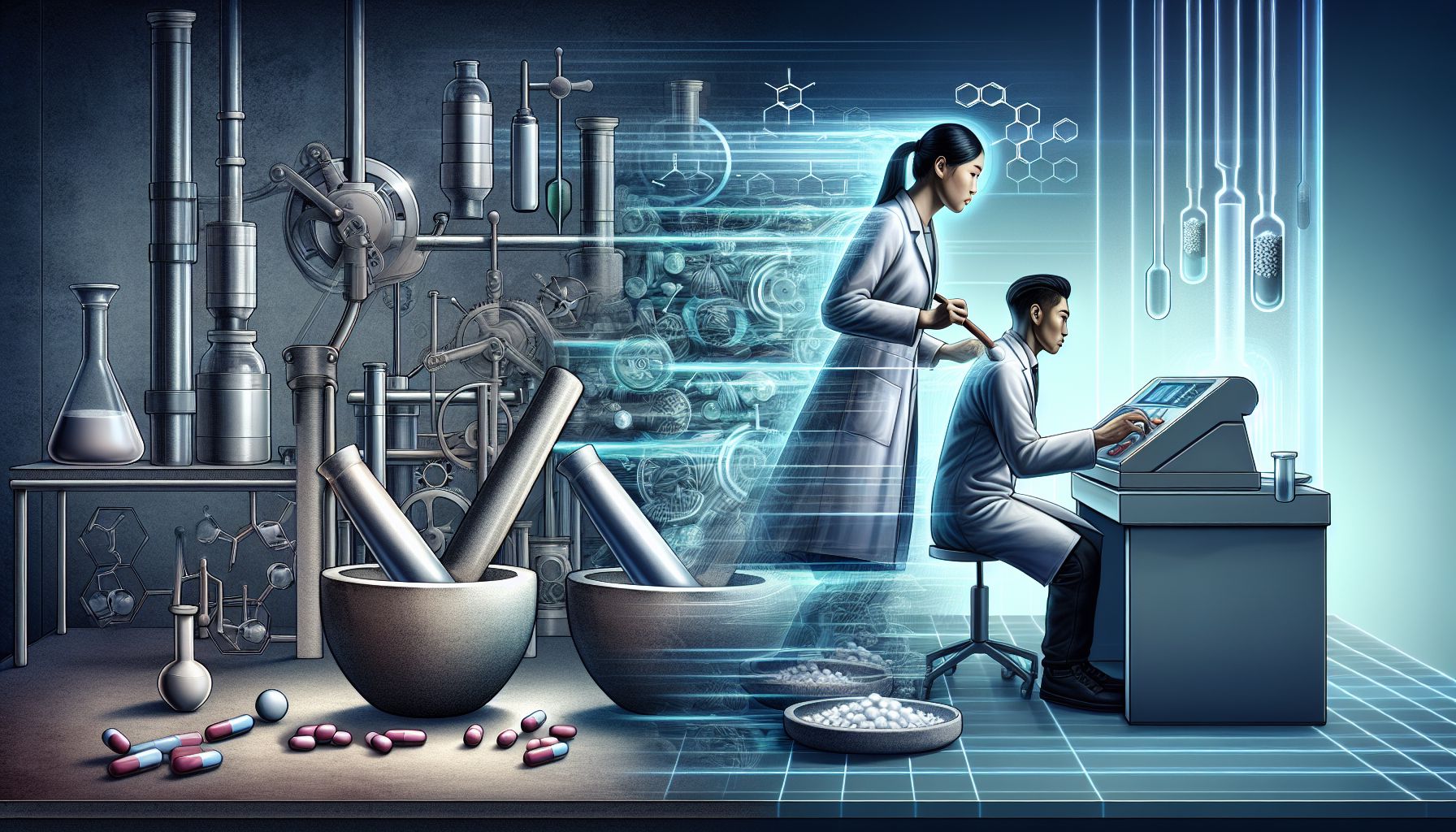
Technology has drastically transformed all industries, including the pharmaceutical sector. From research and development to manufacturing and distribution, new advancements in technology have revolutionized the way pharmaceutical products are created and brought to market. In this digital age, where innovation is key, the intersection of technology and pharmaceutical products has opened up new possibilities and opportunities for patients, healthcare providers, and pharmaceutical companies alike.
One of the most significant ways in which technology has impacted pharmaceutical products is in the field of research and development. With the help of AI and machine learning algorithms, researchers can now analyze vast amounts of data in a fraction of the time it would have taken with traditional methods. This has led to the quicker identification of potential drug candidates, as well as a better understanding of diseases and their underlying mechanisms. Furthermore, technology has enabled the development of precision medicine, where treatments can be tailored to individual patients based on their genetic makeup and other factors.
In the manufacturing process, technology has also played a crucial role in improving efficiency and quality control. Automation and robotics have made it possible to produce pharmaceutical products at a much faster rate, while reducing the risk of errors and contamination. This has not only increased productivity but has also made it easier for pharmaceutical companies to meet regulatory standards and ensure the safety of their products.
When it comes to distribution, technology has enabled pharmaceutical companies to track their products in real-time, ensuring that they reach the right patients at the right time. The use of blockchain technology, for example, has made it possible to create a secure and transparent supply chain, reducing the risk of counterfeit drugs entering the market. Additionally, the rise of telemedicine and digital health platforms has made it easier for patients to access the medications they need, regardless of their location.
In conclusion, the intersection of technology and pharmaceutical products has had a profound impact on the industry, leading to more innovative treatments, improved manufacturing processes, and better access to medications for patients worldwide. As technology continues to advance, we can expect even more exciting developments in the field of pharmaceuticals, ultimately leading to better outcomes for all.
The Impact of Technology on Pharmaceutical Products
In recent years, technology has had a profound impact on the pharmaceutical industry. From drug discovery and development to manufacturing and distribution, technology has revolutionized the way pharmaceutical products are created and delivered to consumers. This article will explore the ways in which technology has transformed the pharmaceutical industry and discuss the potential benefits and challenges that come with these advancements.
One of the most significant ways in which technology has influenced pharmaceutical products is in the field of drug discovery. High-throughput screening, computer modeling, and artificial intelligence have all been used to identify potential drug candidates more efficiently and effectively than ever before. These technologies allow researchers to sift through vast amounts of data and identify promising compounds that may have been overlooked using traditional methods. This has the potential to speed up the drug discovery process and bring new therapies to market more quickly.
In addition to drug discovery, technology has also played a crucial role in improving the manufacturing and distribution of pharmaceutical products. Automation and robotics have been implemented in manufacturing facilities to increase efficiency and reduce the likelihood of human error. This has led to higher-quality products and reduced costs for pharmaceutical companies. Furthermore, the use of supply chain management software and tracking technologies have improved the transparency and traceability of pharmaceutical products, ensuring that they are delivered safely and securely to consumers.
Despite the numerous benefits that technology has brought to the pharmaceutical industry, there are also challenges that come with these advancements. Concerns around data privacy and security have become more prevalent as more information is stored and shared electronically. Additionally, the cost of implementing and maintaining new technologies can be prohibitive for some companies, particularly smaller firms with limited resources. As technology continues to evolve, it will be important for pharmaceutical companies to address these challenges and ensure that the benefits of new technologies outweigh the risks.
In conclusion, technology has had a transformative impact on pharmaceutical products, from drug discovery to manufacturing and distribution. While there are challenges that come with these advancements, the potential benefits are vast, including faster drug development, improved product quality, and enhanced supply chain management. As technology continues to progress, the pharmaceutical industry will need to adapt and innovate in order to remain competitive and meet the needs of consumers in an increasingly digital world.
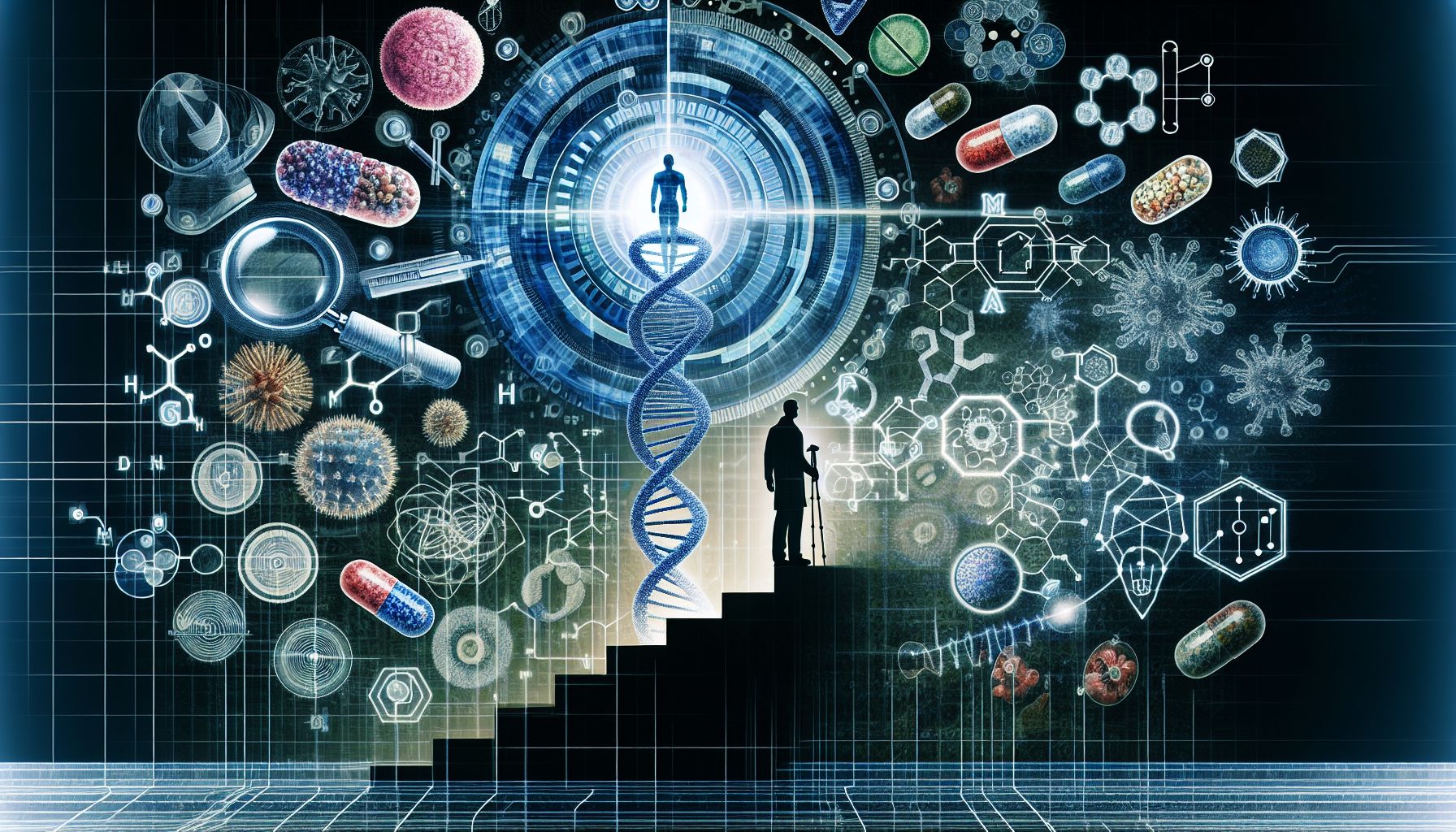
Transforming Healthcare: The Intersection of Technology and Pharmaceutical Products
In recent years, the healthcare industry has seen a significant shift towards the integration of technology and pharmaceutical products. This collaboration has paved the way for groundbreaking advancements in patient care, medical research, and treatment options. From digital therapeutics to personalized medicine, the marriage of technology and pharmaceuticals has revolutionized the way we approach healthcare.
One of the most significant developments in this intersection is the rise of digital health platforms. These platforms allow patients to monitor their health in real-time, track medication adherence, and communicate with healthcare providers remotely. By leveraging the power of technology, pharmaceutical companies are able to deliver more personalized and efficient care to patients, ultimately improving health outcomes.
Additionally, technology has played a crucial role in the development of precision medicine. This approach tailors medical treatment to the individual characteristics of each patient, taking into account factors such as genetics, lifestyle, and environment. By using advanced algorithms and data analytics, pharmaceutical companies can identify the most effective treatment options for each patient, leading to better outcomes and reduced side effects.
Furthermore, technology has enabled the pharmaceutical industry to streamline the drug development process. By utilizing technologies such as artificial intelligence and machine learning, researchers can analyze vast amounts of data to identify potential drug candidates more efficiently. This not only speeds up the time it takes to bring new drugs to market but also reduces the cost of development, making treatments more accessible to patients.
The collaboration between technology and pharmaceutical products has also led to the emergence of innovative treatment options, such as digital therapeutics. These software-based interventions are designed to treat medical conditions in the same way traditional drugs would, but without the use of chemical substances. Digital therapeutics have shown promising results in the treatment of chronic conditions such as diabetes, depression, and substance abuse.
In conclusion, the integration of technology and pharmaceutical products has transformed the healthcare industry, paving the way for more personalized, efficient, and effective patient care. As technology continues to evolve, we can expect to see even more groundbreaking advancements in the field of healthcare, ultimately improving the lives of millions of patients worldwide. By embracing this intersection, we are moving towards a future where healthcare is not only more accessible but also more tailored to the individual needs of each patient.