The Impact of Technology on Pharmaceutical Products
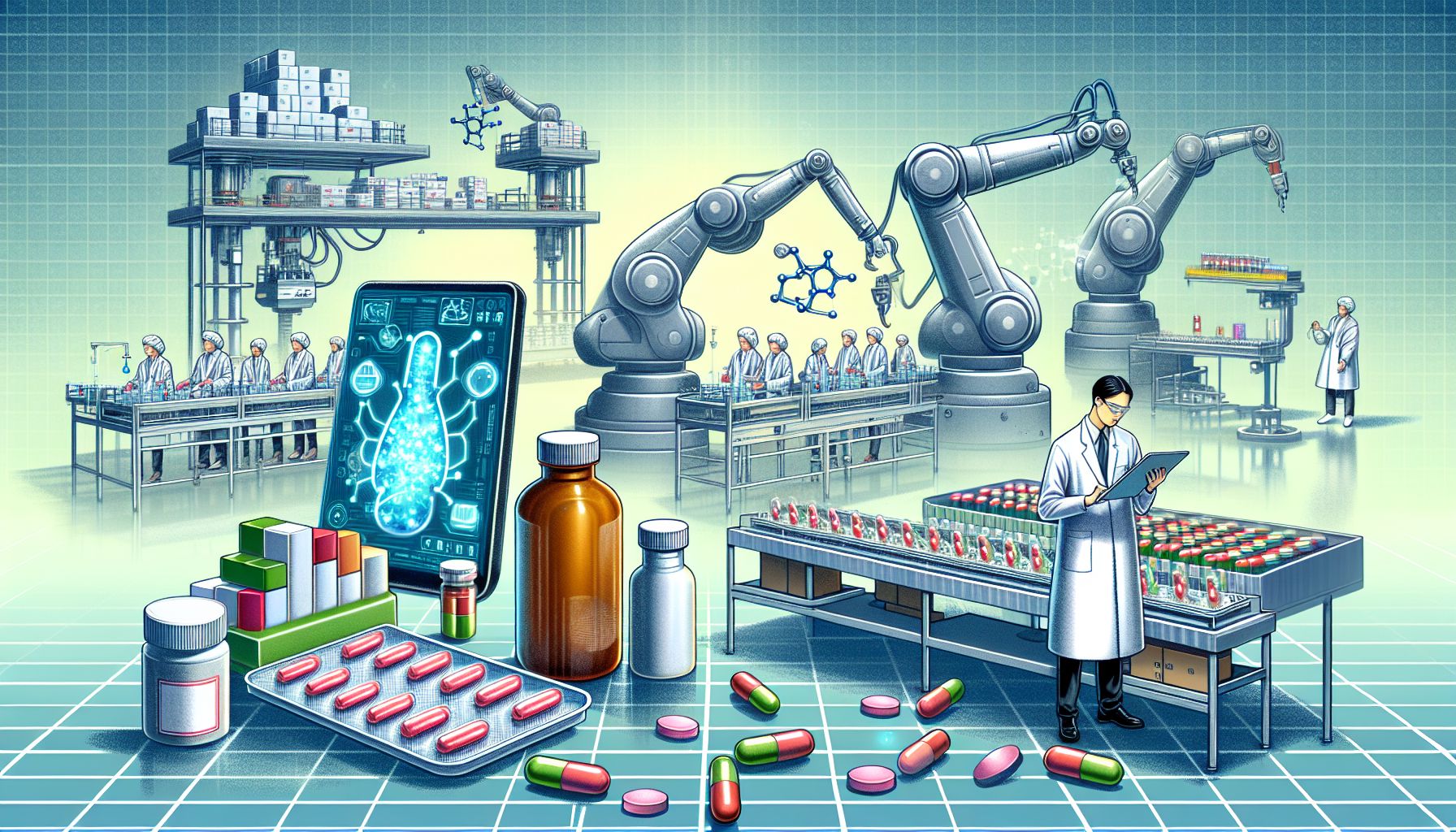
In recent years, the intersection of technology and pharmaceutical products has led to significant advancements in the way medications are developed, produced, and distributed. From drug discovery to clinical trials to personalized medicine, technology has revolutionized the pharmaceutical industry in ways that were once unimaginable.
One of the key areas where technology has had a profound impact on pharmaceutical products is in the field of drug discovery. High-throughput screening techniques and computer modeling have allowed researchers to quickly and efficiently test thousands of potential drug candidates, speeding up the process of finding new treatments for various diseases. Artificial intelligence and machine learning algorithms are also being used to analyze large datasets and identify patterns that can lead to the discovery of new drugs.
Once a drug candidate has been identified, technology plays a crucial role in the development and production of the medication. Automation and robotics have made it possible to manufacture drugs more efficiently, accurately, and at a larger scale than ever before. This has not only reduced the cost of production but has also improved the quality and consistency of pharmaceutical products.
In the realm of clinical trials, technology has transformed the way research is conducted and data is collected. Electronic data capture systems, wearable devices, and mobile health applications allow researchers to gather real-time data from patients, improving the accuracy and reliability of clinical trial results. This has led to faster approval times for new medications and has helped to bring potentially life-saving treatments to market more quickly.
Technology has also enabled the development of personalized medicine, which tailors medical treatment to the individual characteristics of each patient. Advances in genomics, proteomics, and digital health have made it possible to identify genetic variations that may impact an individual’s response to medication, allowing healthcare providers to prescribe the most effective and safest drug for each patient.
In conclusion, the integration of technology into the pharmaceutical industry has brought about numerous benefits, including faster drug discovery, more efficient production, improved clinical trials, and personalized medicine. As technology continues to advance, we can expect even more groundbreaking developments in the way pharmaceutical products are developed, tested, and delivered to patients. The future of medicine is undoubtedly intertwined with technology, and the possibilities for innovation and improvement are endless.
The Intersection of Technology and Pharmaceutical Products
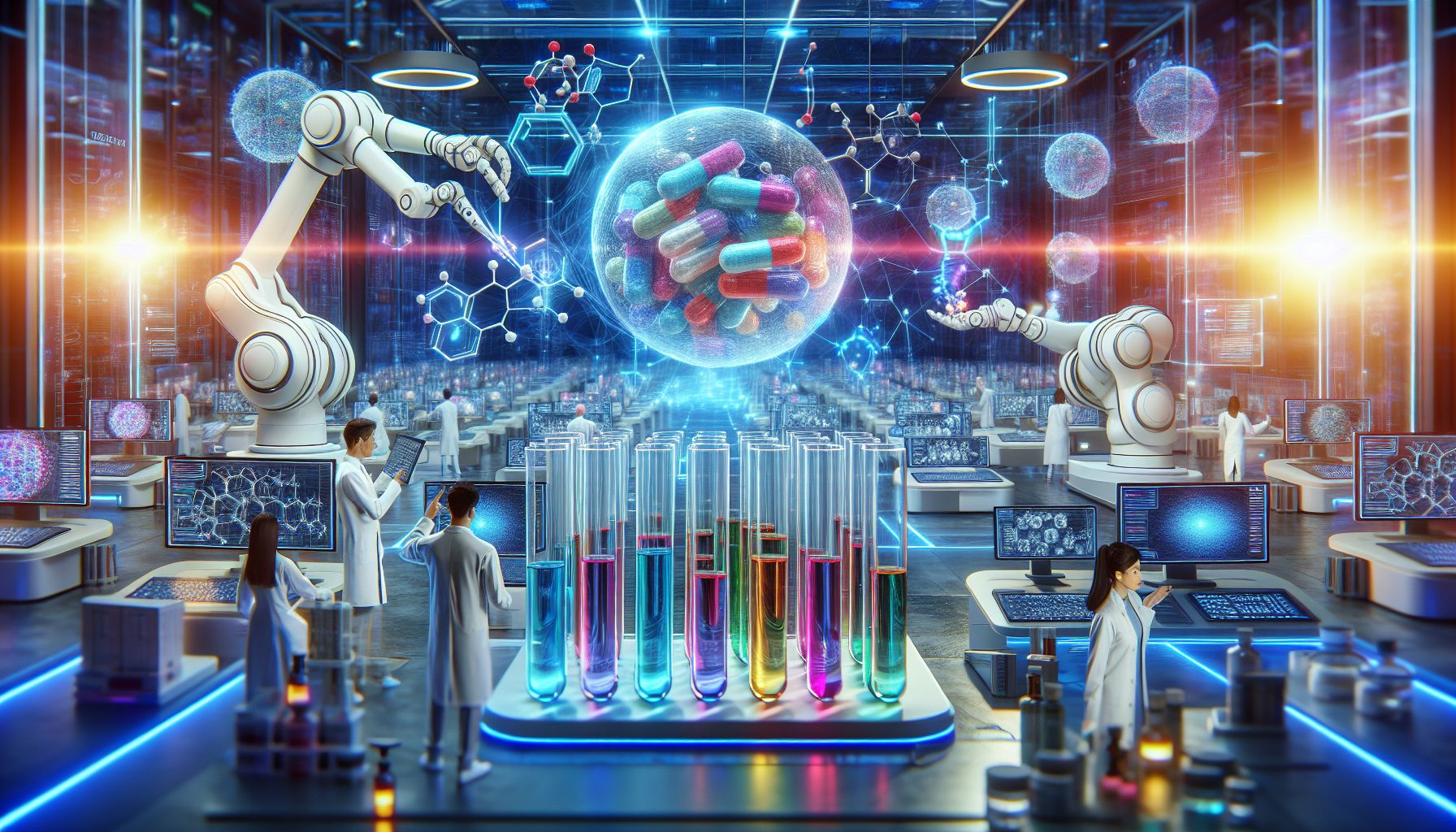
In recent years, the pharmaceutical industry has seen a significant shift towards incorporating technology into the research, development, and distribution of new products. This intersection of technology and pharmaceutical products has the potential to revolutionize and improve healthcare on a global scale.
One of the most valuable contributions of technology to the pharmaceutical industry is in the research and development phase. Advancements in data analytics, artificial intelligence, and machine learning have accelerated the process of drug discovery. These technologies allow researchers to analyze vast amounts of data, identify potential drug candidates, and predict their efficacy with greater accuracy than ever before. This has led to faster and more targeted drug development, ultimately bringing innovative treatments to patients more quickly.
Additionally, technology has also improved the manufacturing and distribution of pharmaceutical products. Automation and robotics have increased the efficiency and precision of drug production, while blockchain technology has enhanced supply chain management and security. These advancements not only speed up the manufacturing process but also ensure greater quality control and traceability of pharmaceutical products, reducing the risk of counterfeit medications entering the market.
Furthermore, technology has played a crucial role in improving patient care and adherence to medication. Mobile health apps, wearable devices, and telemedicine platforms have made it easier for patients to monitor their health, track their medication intake, and communicate with healthcare providers remotely. This not only improves patient outcomes but also reduces the burden on healthcare systems by enabling more efficient and personalized care.
Despite the numerous benefits of technology in the pharmaceutical industry, there are still challenges that need to be addressed. Data privacy and security concerns, regulatory hurdles, and the digital divide are just a few of the obstacles that need to be overcome to fully realize the potential of technology in healthcare.
In conclusion, the integration of technology into the pharmaceutical industry has had a transformative impact on the research, development, manufacturing, distribution, and patient care of pharmaceutical products. As technology continues to evolve, we can expect to see even more innovative solutions that will further improve healthcare outcomes and accessibility. By embracing these advancements and addressing the challenges, we can create a future where technology and pharmaceutical products work seamlessly together to benefit patients worldwide.
Technology’s Impact on the Pharmaceutical Industry
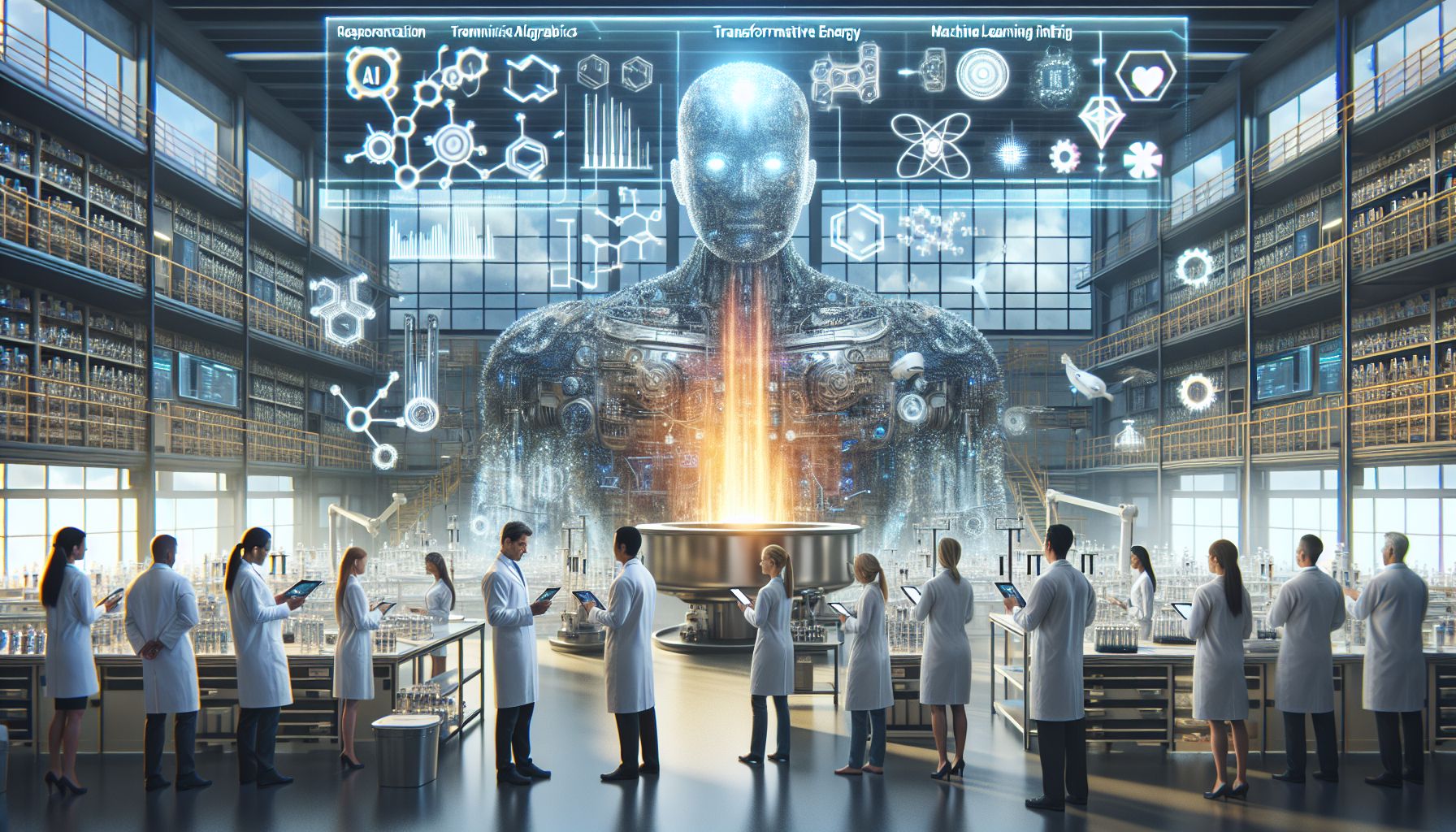
In recent years, technological advancements have revolutionized the way pharmaceutical products are developed, tested, and distributed. These innovations have not only improved efficiency and quality in the industry but also accelerated the pace of drug discovery and development. Let’s explore the intersection of technology and pharmaceutical products and the benefits it brings to both the industry and consumers.
Drug Discovery and Development
One area where technology has had a significant impact is in drug discovery and development. Technologies such as artificial intelligence, machine learning, and data analytics are being used to identify potential drug targets, predict drug interactions, and optimize drug formulations. These tools allow researchers to analyze vast amounts of data quickly and efficiently, leading to faster and more cost-effective drug development processes.
Personalized Medicine
Advancements in technology have also enabled the development of personalized medicine, where treatment plans are tailored to individual patients based on their genetic makeup, lifestyle, and health history. This precision medicine approach has the potential to improve patient outcomes and reduce the risk of adverse reactions to medications. With the help of genetic testing and other technologies, healthcare providers can now prescribe medications that are more likely to be effective for a specific patient.
Supply Chain Management
Technology has also transformed the pharmaceutical supply chain, making it more efficient and secure. Blockchain technology, for example, is being used to track and authenticate pharmaceutical products from the manufacturer to the end-user, reducing the risk of counterfeit drugs entering the market. Additionally, inventory management systems and automated warehouses help pharmaceutical companies streamline their operations and ensure that medications are readily available when needed.
Patient Engagement
Technological innovations have also improved communication and engagement between pharmaceutical companies and patients. Mobile apps, telemedicine, and wearable devices allow patients to monitor their health, track medications, and receive reminders for prescription refills. These tools empower patients to take an active role in managing their health and promote adherence to prescribed treatment plans.
Conclusion
Overall, technology has transformed the pharmaceutical industry in profound ways, from drug discovery and development to supply chain management and patient engagement. These advancements have not only improved efficiency and quality in the industry but also enhanced patient care and outcomes. As technology continues to evolve, we can expect even greater innovations in the pharmaceutical sector, benefiting both industry professionals and consumers alike.
The Intersection of Technology and Pharmaceutical Products
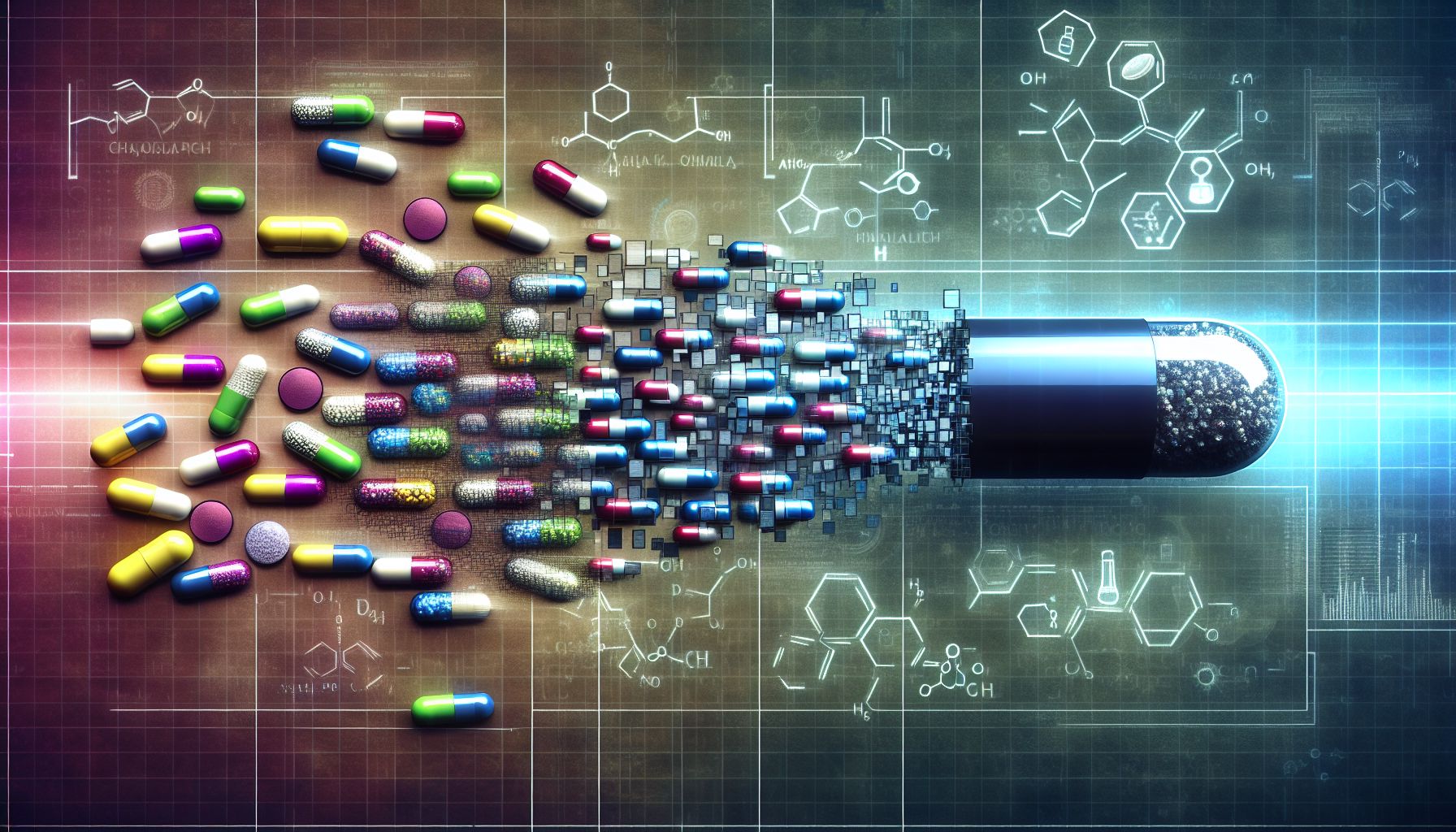
In recent years, the pharmaceutical industry has seen significant advancements in technology that have revolutionized the way drugs are developed, tested, and distributed. From AI-powered drug discovery to personalized medicine based on genetic data, the intersection of technology and pharmaceutical products is reshaping the future of healthcare.
One of the most significant technological breakthroughs in the pharmaceutical industry is the use of artificial intelligence and machine learning in drug discovery. Traditionally, the process of developing a new drug can take years and cost billions of dollars. However, with AI-powered algorithms, researchers can analyze vast amounts of data to identify potential drug candidates in a fraction of the time. This not only speeds up the drug development process but also allows for more targeted and effective treatments for various diseases.
Another area where technology is making a big impact in the pharmaceutical industry is in personalized medicine. By combining genetic data with advanced analytics, researchers can tailor treatments to individual patients based on their unique genetic makeup. This approach not only leads to more effective treatments but also reduces the likelihood of adverse reactions, ultimately improving patient outcomes.
In addition to drug discovery and personalized medicine, technology is also being used to improve the efficiency of pharmaceutical manufacturing and distribution. Automation and robotics are being increasingly adopted in pharmaceutical plants to streamline production processes and ensure quality control. Furthermore, the use of blockchain technology is improving the traceability and transparency of the pharmaceutical supply chain, helping to combat counterfeit drugs and ensure patient safety.
While the advancements in technology have brought about many benefits to the pharmaceutical industry, there are also challenges that come with it. Data privacy and security concerns, ethical considerations surrounding the use of AI in healthcare, and regulatory barriers are just some of the issues that need to be addressed as technology continues to reshape the pharmaceutical landscape.
In conclusion, the intersection of technology and pharmaceutical products is ushering in a new era of innovation and possibilities in healthcare. From AI-powered drug discovery to personalized medicine and advanced manufacturing processes, technology is transforming the way drugs are developed, tested, and distributed. As we continue to harness the power of technology in the pharmaceutical industry, it is essential to address the challenges and ensure that these advancements benefit patients, healthcare professionals, and society as a whole.
The Intersection of Technology and Pharmaceutical Products
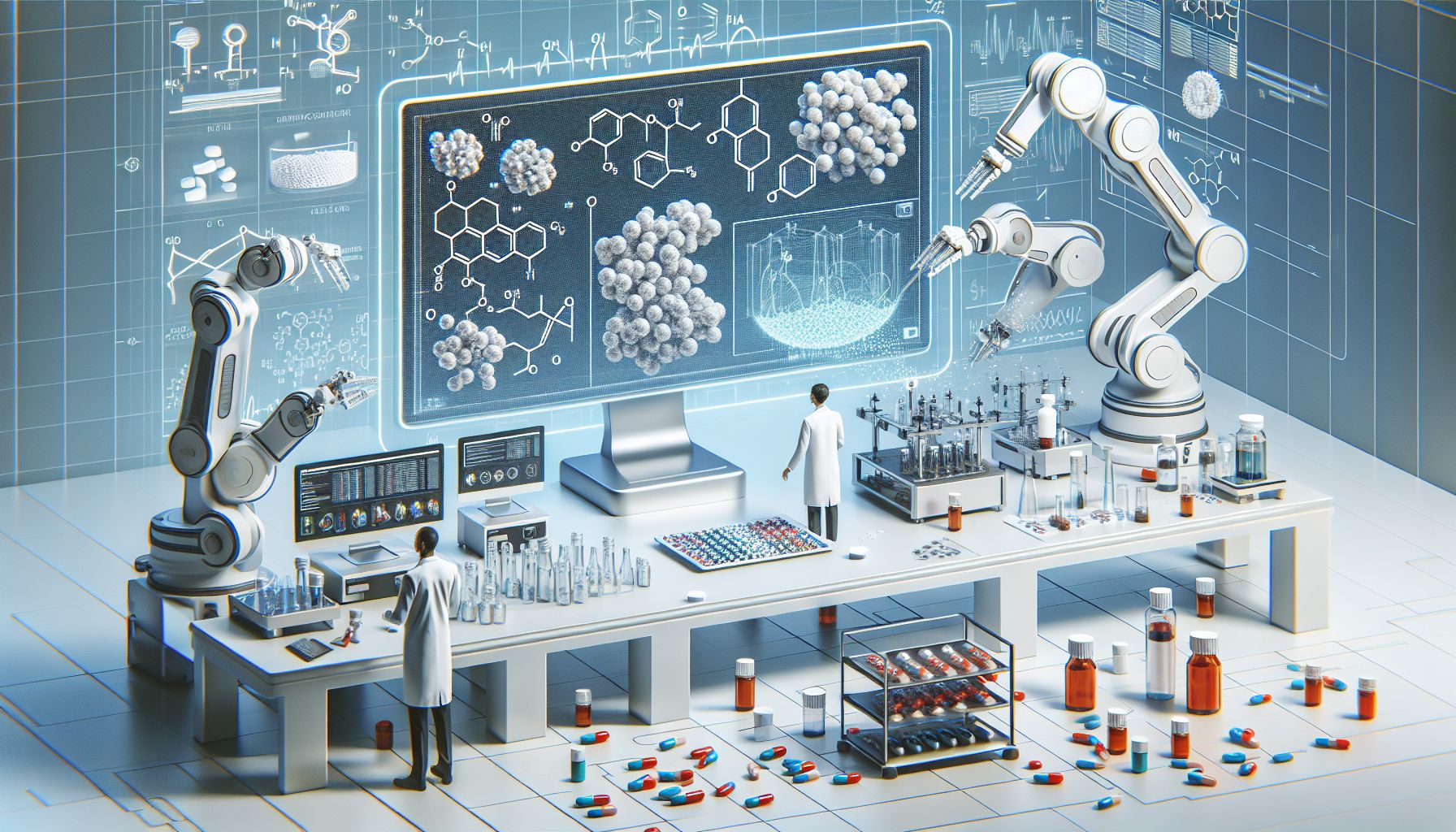
In recent years, the fields of technology and pharmaceuticals have increasingly overlapped, leading to innovations that have revolutionized the healthcare industry. From telemedicine and electronic health records to personalized medicine and medical devices, technology has played a crucial role in advancing the development and delivery of pharmaceutical products.
One of the most significant ways in which technology has impacted pharmaceutical products is through the use of data analytics and artificial intelligence. With the massive amounts of data available today, researchers can analyze and identify trends in drug effectiveness, adverse reactions, and patient outcomes. This allows pharmaceutical companies to develop more targeted and personalized treatments for patients, ultimately improving the efficacy and safety of their products.
Furthermore, technology has enabled the development of sophisticated drug delivery systems that enhance the bioavailability and efficacy of pharmaceutical products. From nanotechnology-based drug delivery systems to implantable devices that release medication at controlled rates, these innovations have streamlined treatment regimens and improved patient compliance.
In addition, advancements in technology have revolutionized the way pharmaceutical products are manufactured and tested. Automation and robotics have significantly increased the efficiency and accuracy of drug manufacturing processes, leading to higher-quality products and faster production times. Similarly, technologies such as 3D printing and organ-on-a-chip systems have enabled researchers to simulate the human body and test drugs in a more realistic and precise manner, reducing the time and cost of drug development.
Moreover, technology has transformed how pharmaceutical products are marketed and distributed to consumers. Digital platforms and mobile apps allow companies to directly engage with patients, providing them with valuable information about their products and treatment options. Additionally, e-commerce platforms have made it easier for patients to access and purchase pharmaceutical products online, improving convenience and accessibility.
In conclusion, the integration of technology into the pharmaceutical industry has had a profound impact on the development, manufacturing, and distribution of medical products. As technology continues to advance, we can expect even more groundbreaking innovations that will further improve patient outcomes and revolutionize healthcare delivery. The future of pharmaceutical products is undoubtedly intertwined with technology, and the possibilities for improving human health are endless.
The Impact of Technology on Pharmaceutical Products
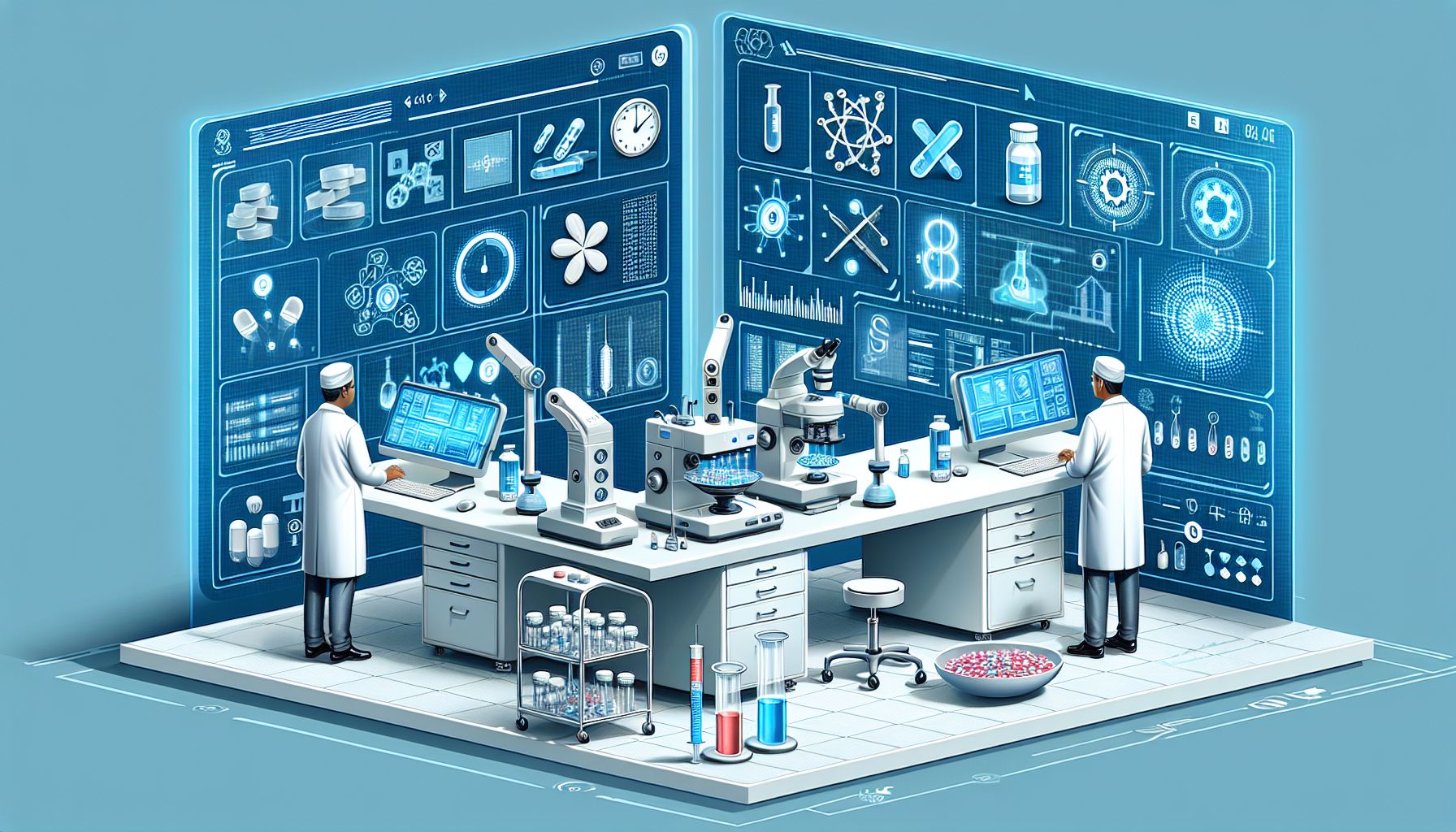
Technology has significantly revolutionized the pharmaceutical industry, impacting every aspect of drug development, manufacturing, distribution, and patient care. From the creation of new drugs to the delivery of medication, technology plays a crucial role in advancing the field of pharmacy.
In drug discovery and development, the use of technologies such as artificial intelligence, big data analytics, and high-throughput screening has accelerated the process of identifying potential drug candidates. These tools allow researchers to analyze large volumes of data, predict drug interactions, and design more effective and targeted therapies. With the help of technology, pharmaceutical companies can reduce the time and cost involved in bringing new drugs to market, ultimately improving patient outcomes.
Manufacturing pharmaceutical products has also been transformed by technology. Automated systems and robotics are now used in drug production, increasing efficiency, precision, and safety. These advancements ensure that medications are manufactured consistently and adhere to strict quality standards. Furthermore, technologies like 3D printing enable the creation of personalized medicines tailored to individual patient needs, offering innovative solutions to complex medical conditions.
In the distribution and supply chain of pharmaceutical products, technology has improved inventory management, tracking, and monitoring. Barcoding, RFID tagging, and blockchain technology are utilized to streamline the process of transporting medications from manufacturers to pharmacies, ensuring the integrity and security of the supply chain. Real-time data and analytics allow for better forecasting of demand, reducing stockouts and wastage of valuable medications.
Patient care has also benefited from technological innovations in the pharmaceutical industry. Telemedicine, mobile health apps, and wearable devices empower patients to monitor their health, track medication adherence, and communicate with healthcare providers remotely. These tools enhance patient engagement, improve treatment outcomes, and enable more personalized and proactive healthcare management.
In conclusion, the impact of technology on pharmaceutical products is undeniable. Advances in technology have revolutionized drug discovery, manufacturing, distribution, and patient care, leading to improved efficacy, safety, and accessibility of medications. As the pharmaceutical industry continues to embrace innovation, it is essential for stakeholders to collaborate and leverage the power of technology to address the evolving needs of patients and healthcare systems worldwide.
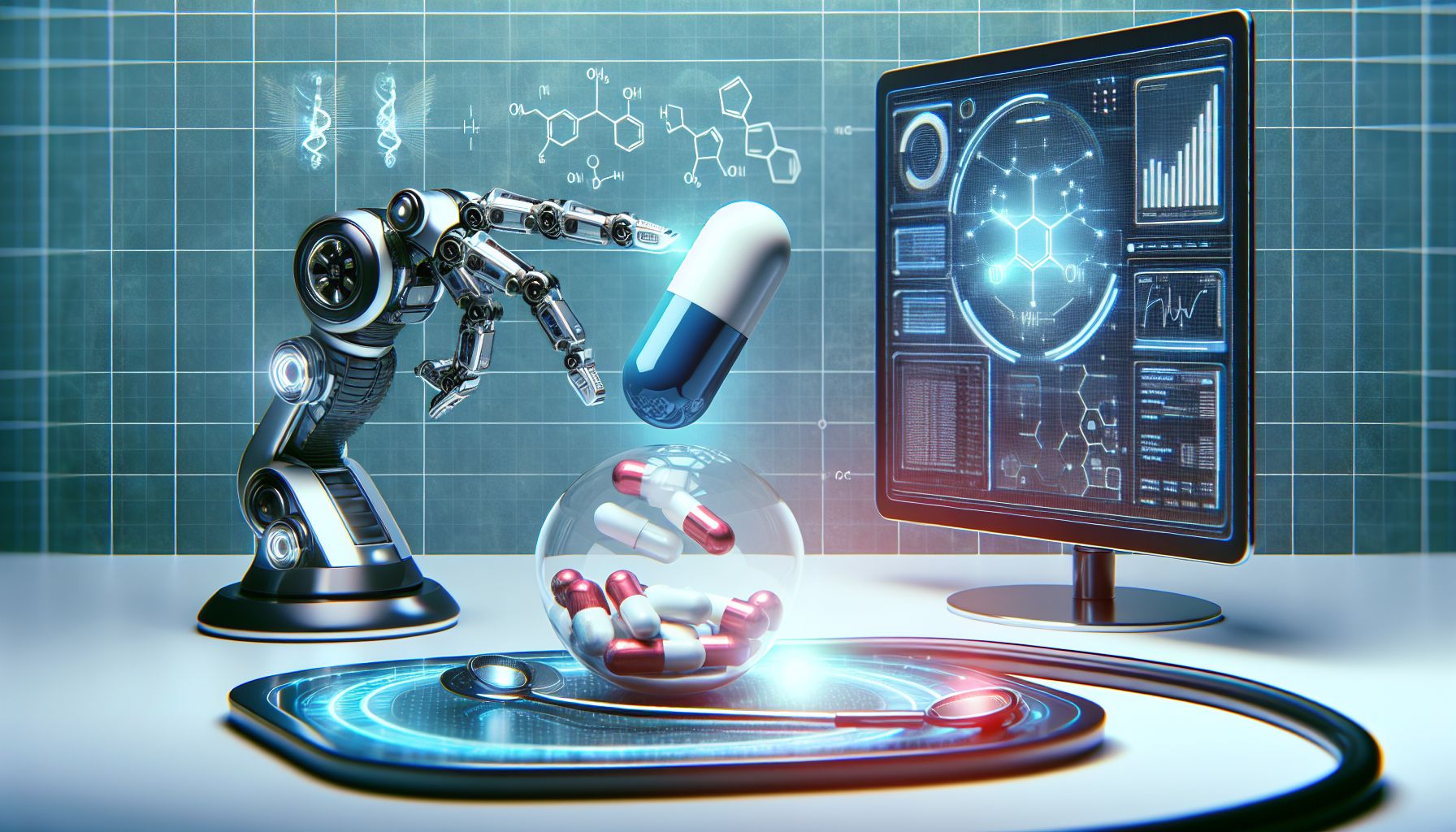
The Symbiotic Relationship between Technology and Pharmaceutical Products
In today’s fast-paced world, technology plays a crucial role in almost every industry, including the pharmaceutical sector. Advancements in technology have revolutionized the way pharmaceutical products are developed, tested, and distributed, ultimately leading to improved healthcare outcomes for patients around the world.
One of the key ways in which technology has impacted the pharmaceutical industry is through the process of drug discovery. With the help of powerful computational tools and algorithms, researchers are able to analyze vast amounts of data to identify potential drug candidates more quickly and efficiently than ever before. This has significantly reduced the time and cost required to bring new medications to market, ultimately benefiting patients who are in need of life-saving treatments.
In addition to drug discovery, technology has also played a significant role in the development of personalized medicine. By leveraging tools such as genetic testing and artificial intelligence, pharmaceutical companies are able to tailor treatments to individual patients based on their unique genetic makeup. This has the potential to greatly improve the effectiveness of medications, as well as reduce the likelihood of harmful side effects.
Furthermore, technology has revolutionized the way pharmaceutical products are tested and monitored. Through the use of wearable devices, sensors, and other digital health technologies, researchers are able to collect real-time data on how patients are responding to medications. This not only allows for more accurate and efficient clinical trials, but also enables healthcare providers to closely monitor patients after they have started treatment, ensuring that they are achieving the desired outcomes.
Finally, technology has transformed the way pharmaceutical products are distributed and accessed by patients. With the rise of e-commerce and telemedicine, individuals are now able to order medications online and have them delivered directly to their doorsteps. This not only provides convenience for patients, but also helps to improve medication adherence and overall health outcomes.
In conclusion, the relationship between technology and pharmaceutical products is symbiotic in nature, with each one driving advancements in the other. As technology continues to evolve, we can expect to see even greater improvements in the development, testing, and distribution of pharmaceutical products, ultimately leading to better healthcare outcomes for patients worldwide.
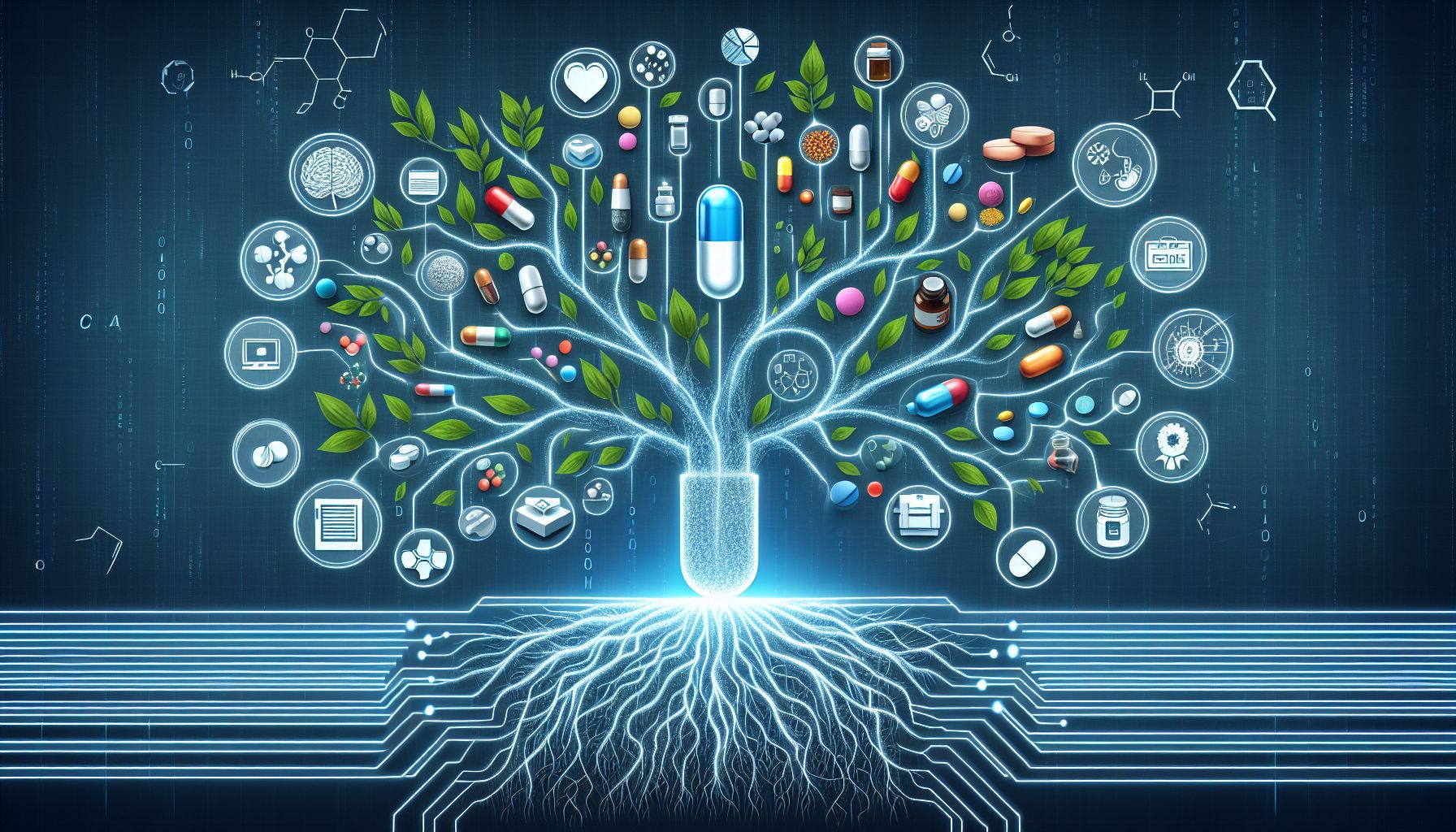
The Intersection of Technology and Pharmaceutical Products
Technology has revolutionized nearly every industry in the world, and the pharmaceutical sector is no exception. From the discovery of new drugs to drug delivery mechanisms, technology has played a crucial role in advancing the field of pharmacy. In this blog post, we will explore how technology has impacted pharmaceutical products and the ways in which it continues to shape the future of medicine.
One of the most significant contributions of technology to the pharmaceutical industry is the process of drug discovery. Through the use of computational simulations, scientists can now predict the efficacy and safety of potential drug candidates before they are even tested in a lab. This has significantly reduced the time and cost associated with developing new drugs, allowing pharmaceutical companies to bring life-saving medications to market faster than ever before.
Additionally, technology has revolutionized drug delivery methods, making it easier for patients to receive their medications. From simple tablets and capsules to more complex drug delivery systems like transdermal patches and nanotechnology-based drug carriers, technology has made it possible to tailor drug administration to individual patient needs. This has not only improved patient outcomes but has also increased patient compliance with medication regimens.
Furthermore, technology has transformed the way in which pharmaceutical products are marketed and sold. With the rise of e-commerce and online pharmacies, patients now have greater access to a wider range of medications than ever before. Additionally, pharmaceutical companies are using digital marketing strategies to reach a larger audience and raise awareness about their products. This has enabled patients to make more informed decisions about their health and well-being.
Looking towards the future, technology continues to play a crucial role in the development of personalized medicine. By analyzing a patient’s genetic makeup and other individual characteristics, scientists can now create customized treatment plans that are tailored to each patient’s unique needs. This not only improves the effectiveness of treatment but also reduces the likelihood of adverse drug reactions.
In conclusion, technology has had a profound impact on the pharmaceutical industry, from drug discovery to drug delivery to marketing and sales. As technology continues to advance, we can expect to see even more innovations in the field of pharmacy, ultimately leading to better patient outcomes and improved health for all. The intersection of technology and pharmaceutical products represents an exciting and promising future for the field of medicine.
Technology Integration in Pharmaceutical Products
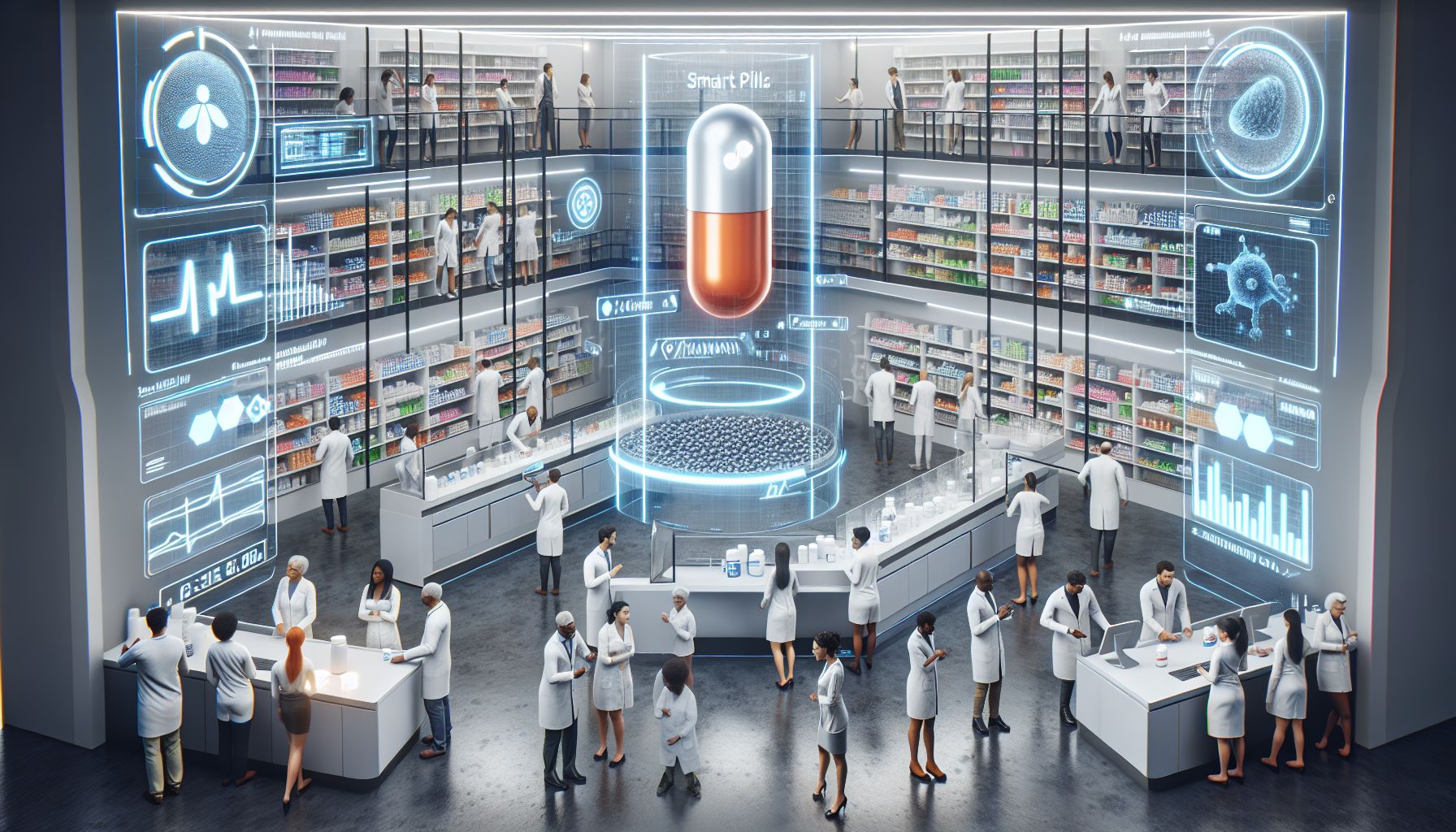
In today’s fast-paced world, technology is advancing at a rapid pace, and the pharmaceutical industry is no exception. With the emergence of new technologies, pharmaceutical companies are able to make significant advancements in drug development, testing, and production. The integration of technology in pharmaceutical products has revolutionized the way medicine is researched, developed, and delivered to patients.
One of the most significant ways technology has impacted pharmaceutical products is in the area of drug discovery. With the use of advanced algorithms and computer simulations, researchers are able to analyze vast amounts of data to identify potential drug candidates more efficiently. This has led to a significant increase in the speed at which new medicines are brought to market, ultimately improving patient outcomes.
In addition to drug discovery, technology has also improved the testing and production of pharmaceutical products. Automation and robotics have streamlined the manufacturing process, reducing the risk of human error and increasing efficiency. This has led to a more consistent and higher quality of drugs being produced, ensuring that patients receive safe and effective medications.
Furthermore, technology has also improved the way pharmaceutical products are delivered to patients. Telemedicine and digital health platforms have made it easier for patients to receive medical advice and prescriptions from the comfort of their own homes. This has not only improved access to healthcare for many individuals but has also increased medication adherence and overall health outcomes.
Overall, the integration of technology in pharmaceutical products has had a profound impact on the industry, leading to more efficient drug development, testing, and production. As technology continues to advance, we can expect to see even more innovative solutions that will improve patient care and outcomes. By embracing these technological advancements, pharmaceutical companies can continue to make strides in providing safe and effective medications to patients around the world.
In conclusion, technology has become an integral part of the pharmaceutical industry, driving advancements in drug development, testing, and production. The integration of technology in pharmaceutical products has improved efficiency, quality, and patient outcomes. As technology continues to evolve, we can expect to see even more innovative solutions that will revolutionize the way medicine is researched, developed, and delivered. It is clear that technology will continue to play a crucial role in shaping the future of pharmaceutical products.
The Intersection of Technology and Pharmaceutical Products
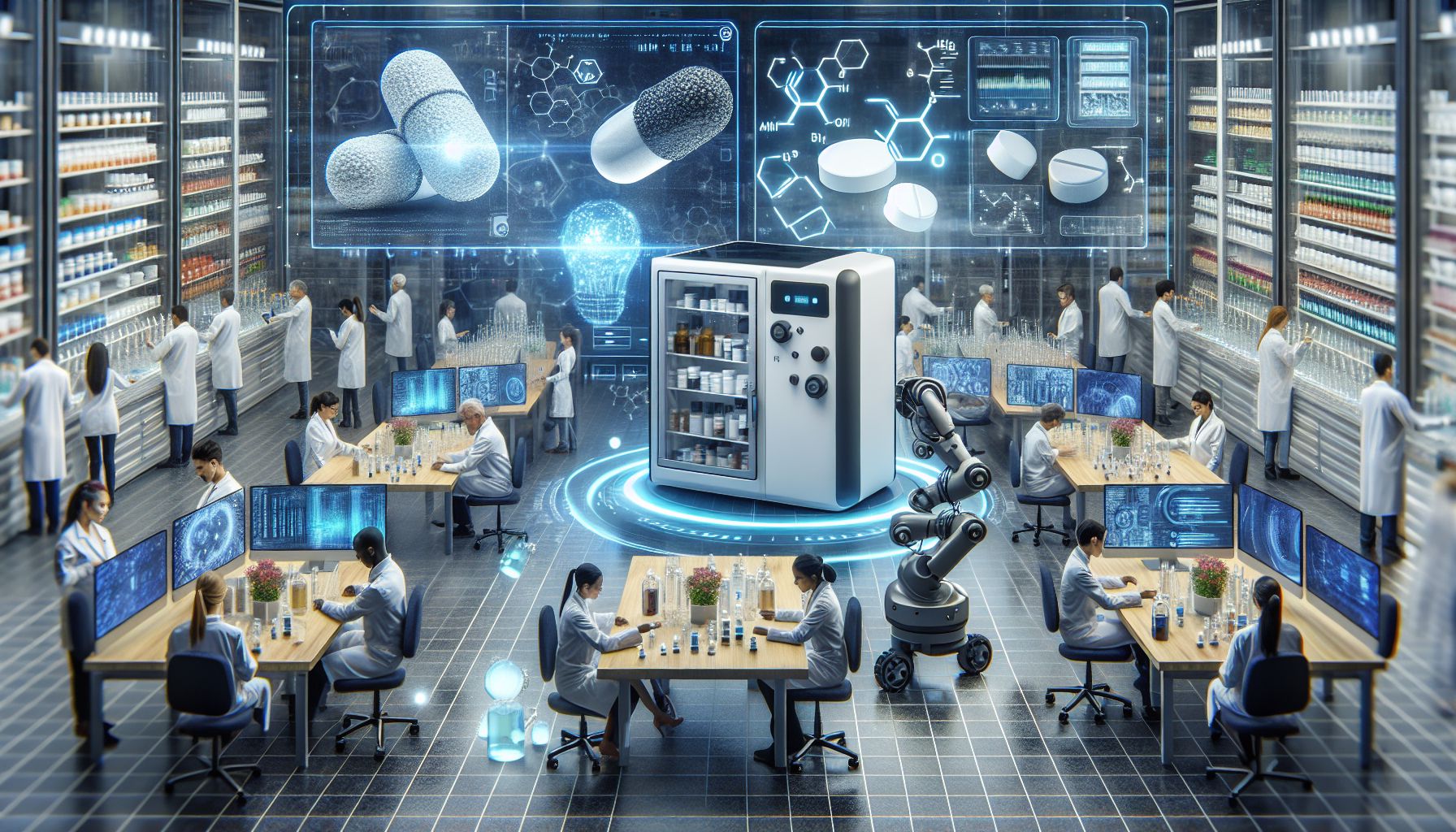
In recent years, technology has played an increasingly important role in the pharmaceutical industry, revolutionizing the way drugs are developed, tested, and distributed. From artificial intelligence and machine learning to 3D printing and personalized medicine, the possibilities are endless when it comes to the intersection of technology and pharmaceutical products.
One of the key ways technology is transforming the pharmaceutical industry is through the use of data analytics. With the vast amounts of data available today, companies are able to analyze information in real time, leading to more efficient drug discovery and development processes. By utilizing algorithms and machine learning, researchers can identify potential drug candidates much faster than traditional methods, ultimately speeding up the drug development timeline.
Additionally, advancements in technology have led to the development of personalized medicine, which tailors treatments to individual patients based on their genetic makeup. This approach not only improves patient outcomes but also reduces the likelihood of adverse reactions to medications. Through genetic testing and advanced diagnostic tools, doctors can now offer more targeted and effective treatments, leading to a more personalized approach to healthcare.
Another area where technology is making a significant impact is in the manufacturing and distribution of pharmaceutical products. 3D printing, for example, is being used to create personalized dosage forms for patients, making it easier for individuals to adhere to their medication regimens. Furthermore, blockchain technology is improving the traceability and transparency of the pharmaceutical supply chain, reducing the likelihood of counterfeit drugs entering the market.
Despite all the advancements, there are still challenges that need to be addressed. Issues such as data privacy, regulatory compliance, and ethical concerns need to be carefully considered to ensure the safe and effective use of technology in the pharmaceutical industry. Additionally, there are disparities in access to technology that need to be addressed to ensure that all patients can benefit from these advancements.
In conclusion, the intersection of technology and pharmaceutical products holds great promise for the future of healthcare. From faster drug discovery to personalized treatments and improved manufacturing processes, the possibilities are endless. By continuing to innovate and collaborate, the pharmaceutical industry can harness the power of technology to improve patient outcomes and drive meaningful change in healthcare.