The Intersection of Technology and Pharmaceutical Products
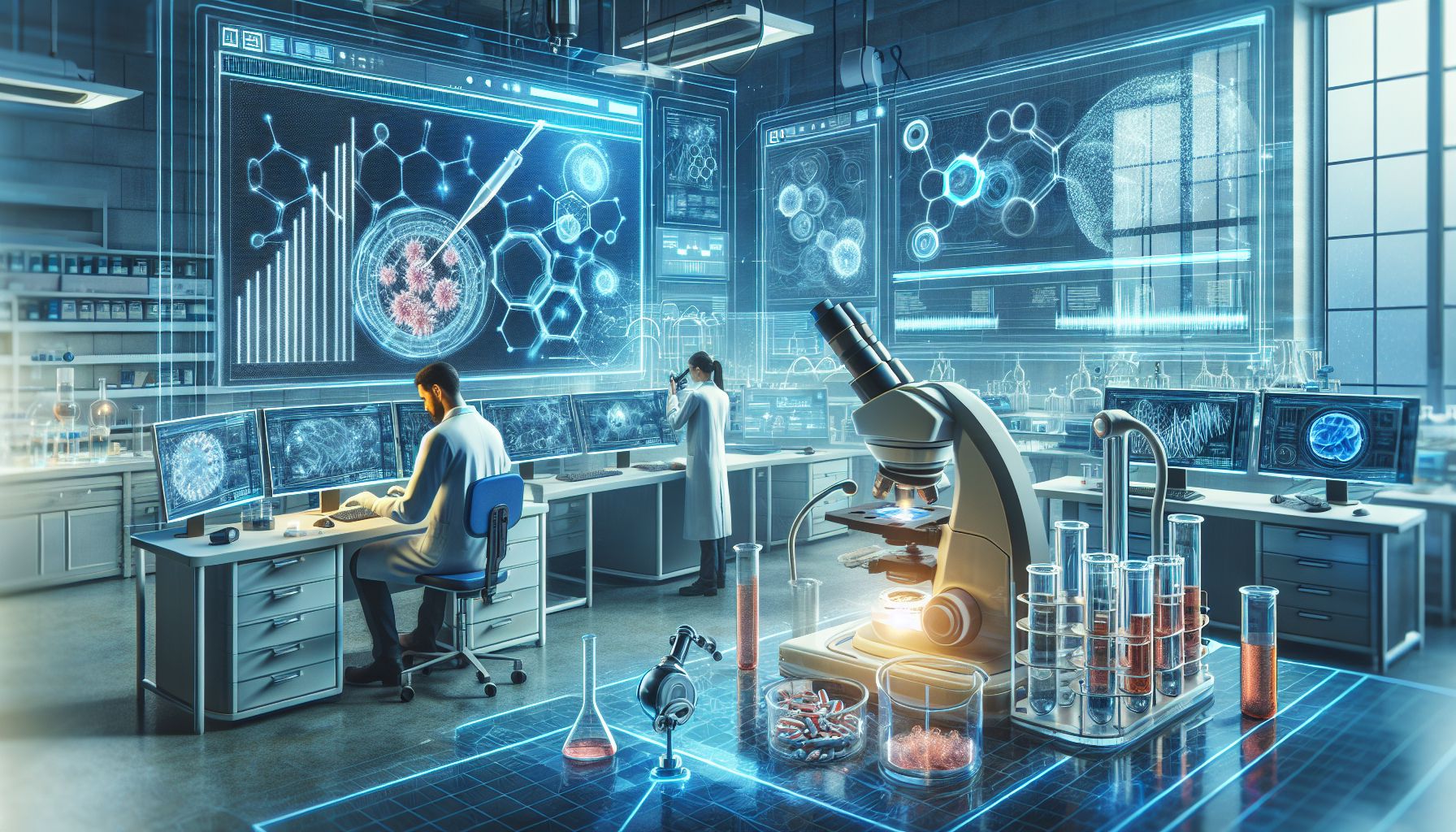
In recent years, the pharmaceutical industry has seen a significant shift towards the integration of technology into its products. This has led to the development of innovative solutions that have improved patient outcomes, increased medication adherence, and streamlined healthcare processes. The intersection of technology and pharmaceutical products has not only revolutionized the way medications are delivered and administered but has also opened up new opportunities for personalized medicine and patient care.
One of the most significant advancements in this area is the development of smart pills. These are medications that contain a tiny sensor that communicates with a smartphone app to track when the pill is swallowed. This technology has been particularly useful in the treatment of chronic conditions such as diabetes, where medication adherence is critical for successful management. By monitoring pill ingestion, healthcare providers can ensure that patients are taking their medications as prescribed and make adjustments to their treatment plans as needed.
Another important technology that has been integrated into pharmaceutical products is wearable devices. These devices can track vital signs, monitor medication levels in the body, and provide real-time feedback to patients and healthcare providers. For example, insulin pumps that are connected to continuous glucose monitors can automatically adjust insulin delivery based on the patient’s blood sugar levels, leading to better glycemic control and fewer hypoglycemic episodes.
Furthermore, advancements in artificial intelligence and machine learning have enabled pharmaceutical companies to analyze vast amounts of data to identify patterns and trends in patient responses to medications. This has led to the development of personalized medicine, where treatments are tailored to each individual based on their genetic makeup, lifestyle factors, and medical history. By leveraging technology in this way, pharmaceutical companies can create more effective and safe medications that are better suited to the needs of each patient.
Additionally, technology has played a crucial role in improving the transparency and safety of pharmaceutical products. Blockchain technology, for example, can be used to track the supply chain of medications from manufacturing to distribution, ensuring that counterfeit drugs do not enter the market. This has led to increased trust in the pharmaceutical industry and greater confidence among patients and healthcare providers.
In conclusion, the integration of technology into pharmaceutical products has transformed the way medications are developed, delivered, and monitored. By leveraging smart pills, wearable devices, artificial intelligence, and blockchain technology, pharmaceutical companies have been able to improve patient outcomes, reduce healthcare costs, and enhance the quality of care. As technology continues to advance, we can expect to see even more innovative solutions that will revolutionize the pharmaceutical industry and improve the lives of patients around the world.
The Intersection of Technology and Pharmaceuticals
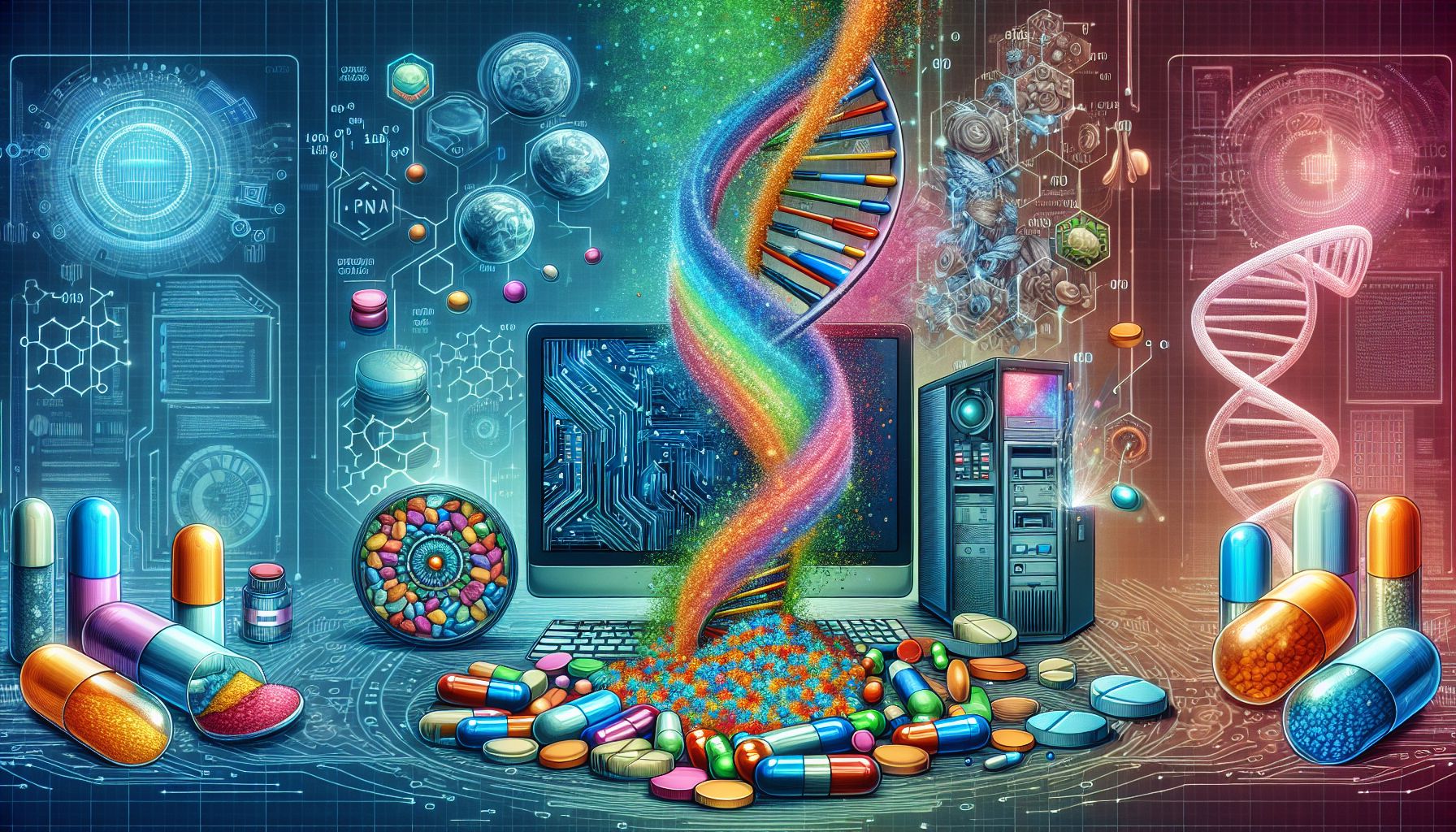
In recent years, technology has been revolutionizing the pharmaceutical industry in ways that were once thought to be impossible. From drug development to patient care, technology has been playing a crucial role in driving innovation and advancements in this sector.
One of the most notable areas where technology has had a significant impact is in the field of drug discovery. With the help of artificial intelligence and machine learning algorithms, researchers are able to sift through massive amounts of data to identify potential drug candidates more quickly and accurately than ever before. This has led to a significant increase in the number of new drugs being brought to market, as well as a reduction in the time and cost involved in the drug development process.
Furthermore, technology has also revolutionized the way in which pharmaceutical companies conduct clinical trials. With the advent of electronic health records and wearable devices, researchers are able to collect real-time data from patients, allowing for more accurate and personalized treatment plans. This not only streamlines the clinical trial process but also improves patient outcomes by providing tailored interventions based on individual data.
In addition to drug discovery and clinical trials, technology has also transformed the way in which medications are administered and monitored. The development of smart pills, for example, allows healthcare providers to track patient adherence to medication schedules and monitor the effectiveness of treatments remotely. This is particularly beneficial for patients with chronic conditions who require regular medication intake to manage their health.
Moreover, technology has also enabled the creation of innovative treatment options such as personalized medicine. By analyzing a patient’s genetic makeup and other biological factors, healthcare providers can tailor treatment plans to individual patients, maximizing the effectiveness of medications while minimizing adverse effects. This personalized approach to medicine has the potential to revolutionize the way in which diseases are treated and managed, leading to improved patient outcomes and quality of life.
In conclusion, the intersection of technology and pharmaceutical products has transformed the healthcare industry in ways that were once unimaginable. From drug discovery to patient care, technology has enabled advancements that are revolutionizing the field of medicine. As technology continues to evolve, it is clear that the future of pharmaceuticals will be shaped by innovation and collaboration between these two industries.
Technology and Pharmaceutical Products: Enhancing Healthcare
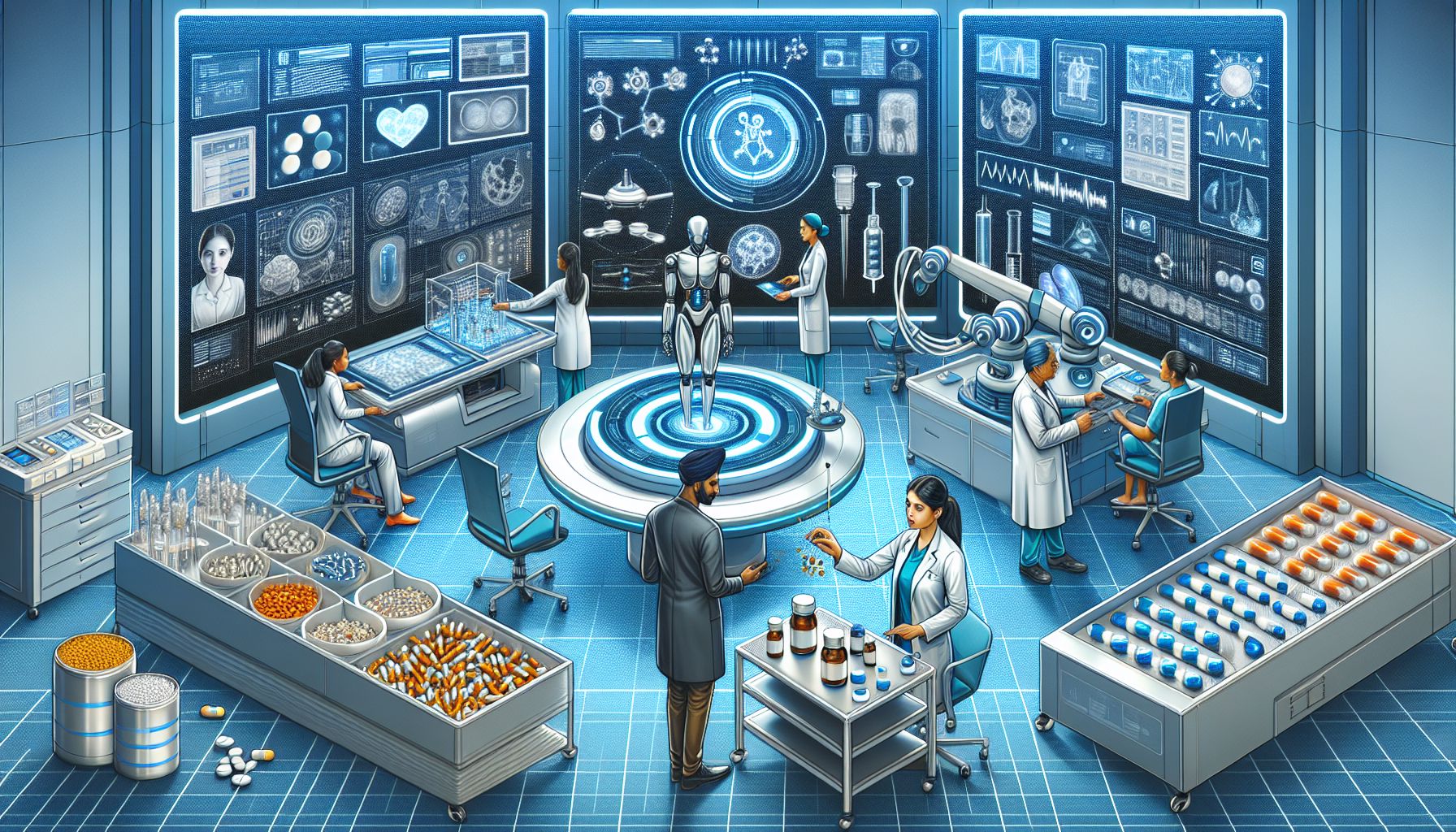
In recent years, the healthcare industry has seen a significant impact from the integration of technology and pharmaceutical products. With advancements in both fields, the synergy between the two has transformed the way healthcare is delivered, making treatments more effective and accessible for patients around the world.
One of the key ways technology has revolutionized the pharmaceutical industry is through the development of precision medicine. By utilizing advanced genetic testing and data analytics, pharmaceutical companies are able to tailor treatments to an individual’s genetic makeup, allowing for more targeted and personalized therapies. This has led to improved patient outcomes and reduced side effects, ultimately improving the quality of care.
Furthermore, technology has also played a crucial role in drug discovery and development. High-throughput screening and computer simulations have enabled researchers to identify potential drug candidates more efficiently, leading to faster development timelines and a greater understanding of drug interactions. Additionally, the use of artificial intelligence and machine learning algorithms has accelerated the drug discovery process by analyzing vast amounts of data to predict drug efficacy and toxicity.
The integration of technology has not only improved the development and delivery of pharmaceutical products but has also enhanced patient care and medication adherence. Mobile health applications and wearable devices allow patients to track their health conditions, receive medication reminders, and communicate with their healthcare providers in real-time. This connectivity enables better monitoring of patient progress and ensures that treatments are optimized for each individual’s needs.
Moreover, the use of telemedicine has expanded access to healthcare services, particularly in underserved areas or during times of crisis. Patients can now consult with healthcare providers remotely, receive virtual prescriptions, and have medications delivered directly to their homes. This has proven to be especially valuable during the COVID-19 pandemic, allowing patients to continue their treatment plans without risking exposure to the virus.
As the healthcare landscape continues to evolve, the collaboration between technology and pharmaceutical products will undoubtedly play a pivotal role in driving innovation and improving patient outcomes. By harnessing the power of data analytics, artificial intelligence, and telemedicine, the industry can continue to advance personalized medicine, streamline drug development processes, and enhance patient care.
In conclusion, the integration of technology and pharmaceutical products has revolutionized the healthcare industry, paving the way for more effective treatments and enhanced patient care. With continued advancements in both fields, we can expect to see further innovation and improvements in healthcare delivery, ultimately benefiting patients worldwide.
The Intersection of Technology and Pharmaceutical Products
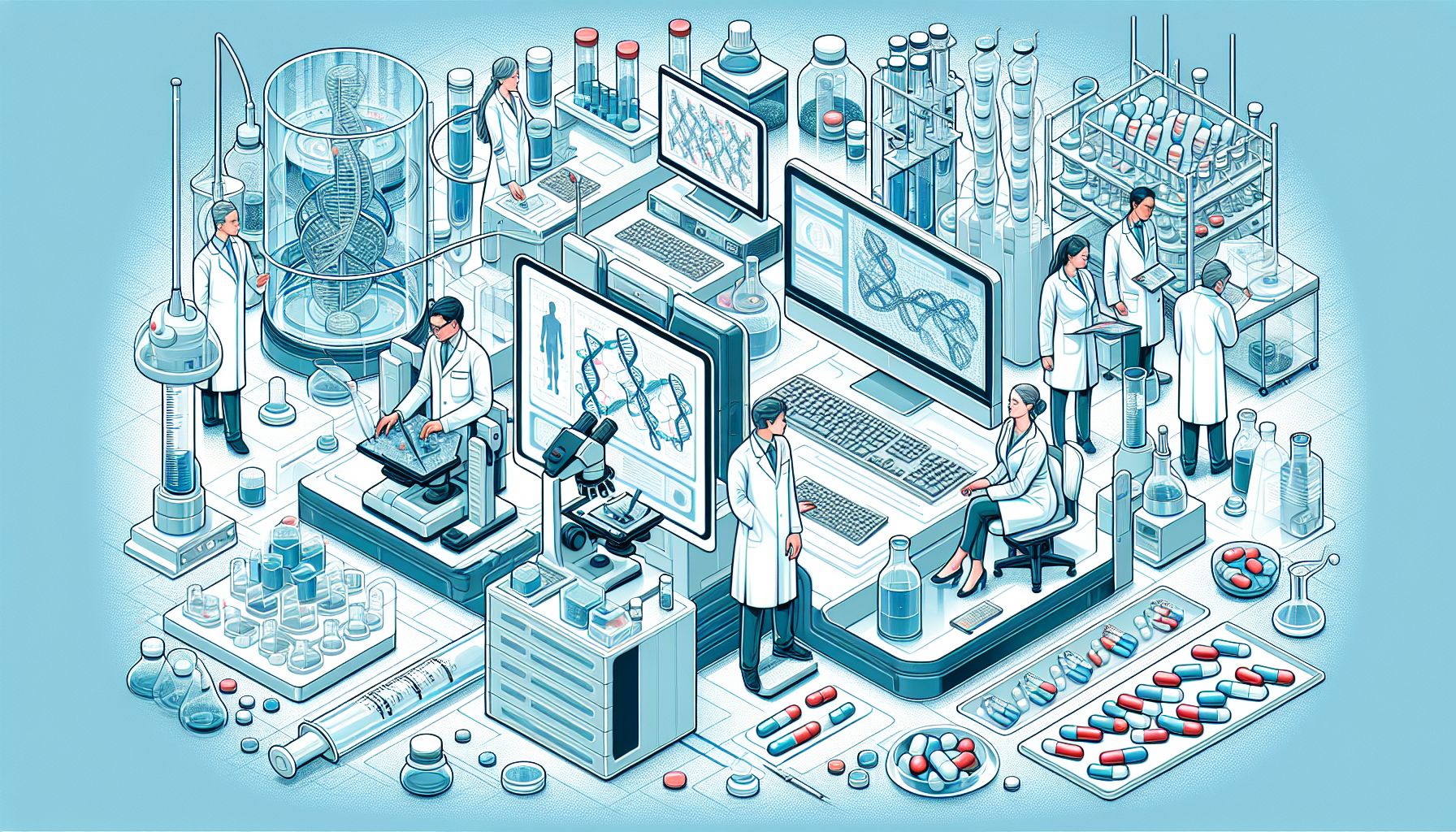
In today’s fast-paced world, technology has become an essential part of our daily lives. From smartphones to smart homes, technology has revolutionized the way we live, work, and even how we take care of our health. One industry that has greatly benefitted from the integration of technology is the pharmaceutical industry.
Technology has played a crucial role in the development and production of pharmaceutical products. With the use of advanced software and algorithms, researchers are able to analyze vast amounts of data to discover new drugs and treatments for various medical conditions. This has led to the creation of innovative medicines that have helped improve the quality of life for millions of people around the world.
In addition to drug discovery, technology has also revolutionized the manufacturing process of pharmaceutical products. Automation and robotics have made it possible to produce medicines more efficiently and with greater precision. This has not only reduced the risk of errors in production but has also helped to lower costs, making essential medications more accessible to those in need.
Moreover, technology has also played a significant role in improving the distribution and delivery of pharmaceutical products. With the development of advanced tracking systems and logistics software, pharmaceutical companies can now ensure that medicines reach patients in a timely and safe manner. This has been particularly crucial during times of crisis, such as the recent COVID-19 pandemic, where the demand for pharmaceutical products has been at an all-time high.
Furthermore, technology has also transformed the way patients access and manage their medications. From smart pill dispensers to telemedicine platforms, patients now have more options than ever before to stay on top of their treatment regimens. This has not only improved medication adherence but has also empowered patients to take charge of their own health in a more personalized way.
In conclusion, the integration of technology and pharmaceutical products has brought about a new era of innovation and advancement in the healthcare industry. From drug discovery to manufacturing to distribution, technology has revolutionized every aspect of the pharmaceutical supply chain. As we continue to move forward, it is clear that technology will play an even greater role in shaping the future of healthcare, providing patients with better, more effective treatments and ultimately improving the quality of life for all.
The Intersection of Technology and Pharmaceutical Products
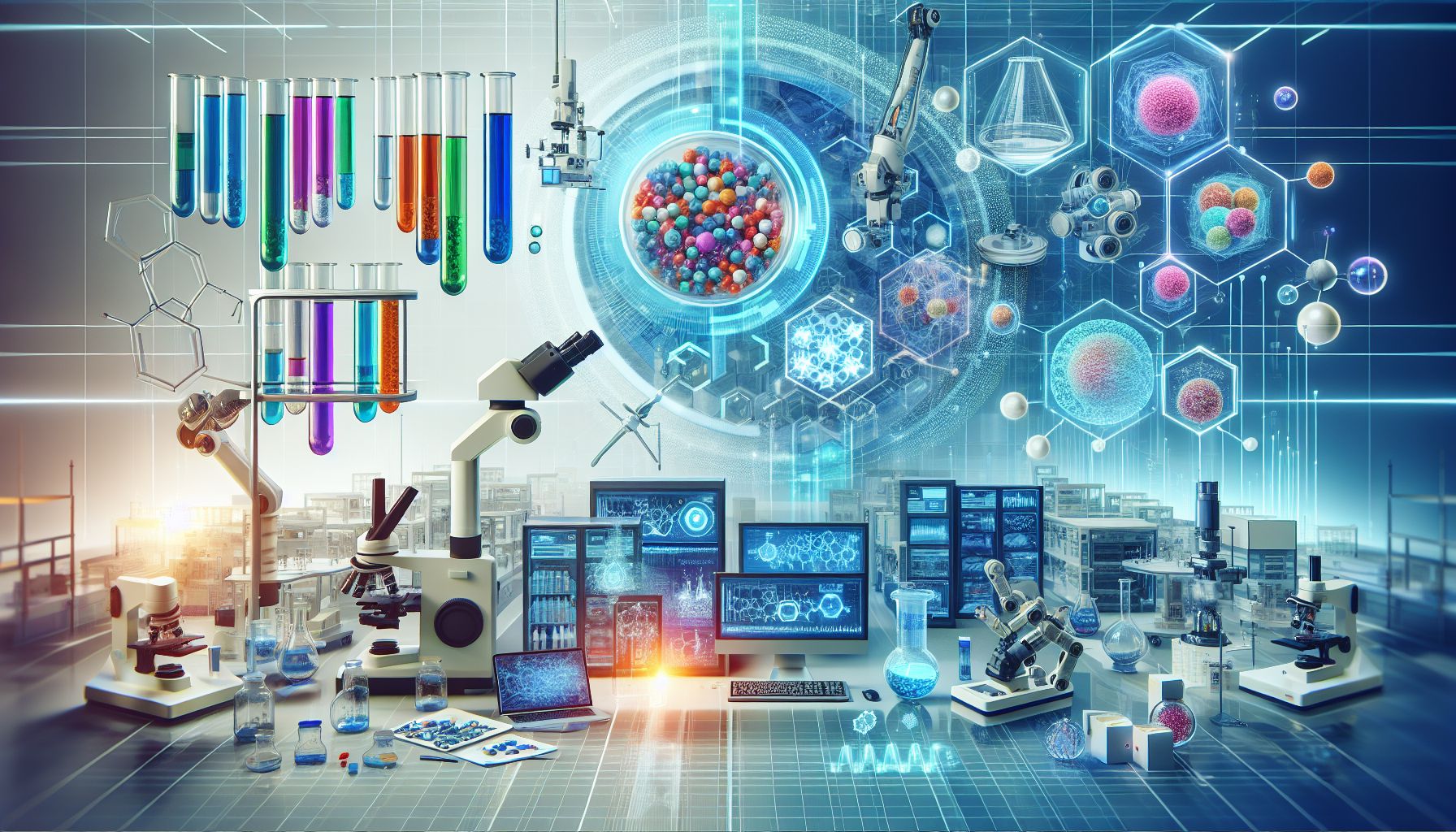
In recent years, we have seen a significant convergence between technology and pharmaceutical products. This union has led to groundbreaking advancements in both fields, ultimately benefiting society as a whole. From the development of new drugs to the innovative ways in which they are administered, technology has played a crucial role in revolutionizing the pharmaceutical industry.
One of the most notable contributions of technology to pharmaceutical products is the rise of personalized medicine. Through the use of genetic testing and data analytics, healthcare professionals can now tailor treatments to individual patients based on their unique genetic makeup. This not only increases the effectiveness of medications but also reduces the likelihood of adverse reactions. Additionally, advances in artificial intelligence have enabled researchers to analyze vast amounts of data to identify potential drug candidates more efficiently, speeding up the drug development process.
Another area where technology has made a significant impact is in drug delivery systems. Traditional methods of administering medication, such as pills and injections, have been enhanced by the development of wearable devices and smart pills. These innovative technologies help patients adhere to their treatment regimens by providing reminders and tracking their progress. Smart inhalers, for example, can monitor a patient’s usage of asthma medication and provide real-time feedback to improve their inhalation technique.
Furthermore, the use of digital health platforms has transformed the way in which pharmaceutical companies interact with patients and healthcare providers. Telemedicine services allow patients to consult with healthcare professionals remotely, saving time and reducing the need for in-person visits. Additionally, mobile apps and wearable devices enable patients to monitor their health conditions in real-time and share data with their healthcare team. This connectivity has not only improved patient outcomes but has also led to a more collaborative approach to healthcare.
Despite the numerous benefits that technology has brought to the pharmaceutical industry, challenges still remain. Issues such as data privacy, cybersecurity, and regulatory compliance must be addressed to ensure the safety and security of patients’ information. Additionally, the cost of implementing new technologies can be a barrier for some healthcare organizations, especially in developing countries.
In conclusion, the integration of technology into pharmaceutical products has paved the way for significant advancements in healthcare. From personalized medicine to smart drug delivery systems, technology has enhanced the effectiveness and efficiency of treatments. As we continue to embrace these innovations, it is essential to prioritize patient safety and data security to maximize the potential of this exciting intersection of technology and pharmaceutical products.
The Intersection of Technology and Pharmaceutical Products
In recent years, there has been a significant shift in the way technology is being utilized in the pharmaceutical industry. From drug discovery to patient care, technology has revolutionized the development and delivery of pharmaceutical products. This intersection of technology and pharmaceutical products has led to a number of advancements that have the potential to improve patient outcomes and revolutionize the healthcare industry as a whole.
One of the most impactful ways in which technology has influenced pharmaceutical products is in the development of new drugs. With the help of artificial intelligence and machine learning algorithms, researchers are now able to analyze vast amounts of data to identify potential drug candidates much more quickly than before. This has sped up the drug discovery process and has the potential to bring new treatments to market faster than ever.
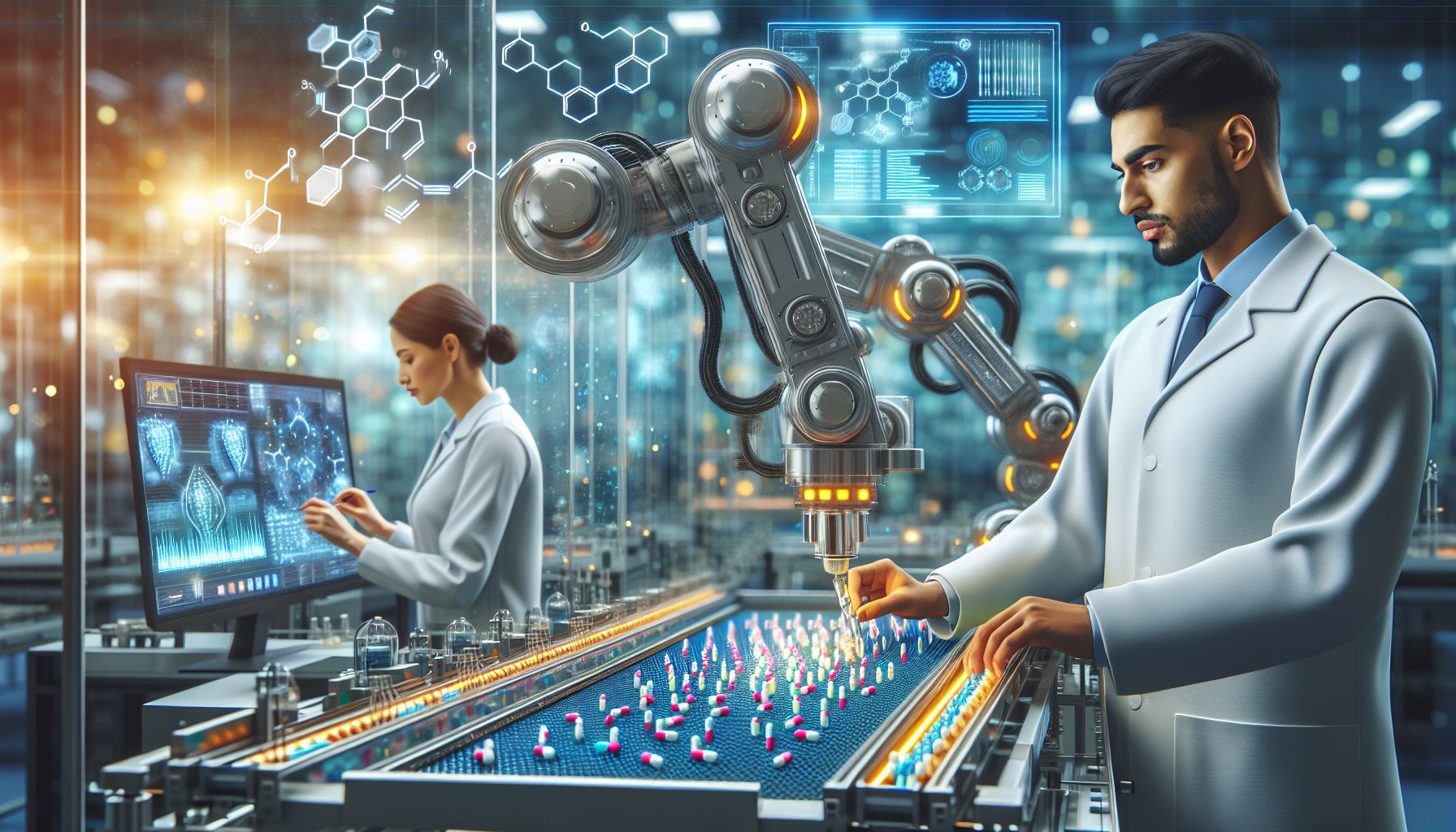
Additionally, technology has played a crucial role in improving the efficiency of manufacturing processes for pharmaceutical products. Automation and robotics have been introduced to streamline production and ensure that medications are made consistently and accurately. This has not only increased the quality of pharmaceutical products but has also helped to reduce costs and meet the growing demand for medications around the world.
In terms of patient care, technology has enabled healthcare professionals to better monitor and track patient outcomes. Wearable devices, such as smartwatches and fitness trackers, can now provide real-time data on a patient’s vital signs and overall health, allowing for more personalized and effective treatment plans. Furthermore, telemedicine platforms have made it easier for patients to consult with their healthcare providers remotely, reducing the need for in-person visits and improving access to care for those in remote or underserved areas.
While the integration of technology into the pharmaceutical industry has brought about many benefits, it also presents new challenges. Data privacy and security concerns, as well as the need for regulatory oversight, are just a few of the issues that need to be addressed as technology continues to advance in this field. However, with proper safeguards in place, the potential for technology to transform the pharmaceutical industry and improve patient outcomes is immense.
In conclusion, the intersection of technology and pharmaceutical products has opened up new possibilities for drug development, manufacturing, and patient care. By harnessing the power of technology, the pharmaceutical industry has the potential to revolutionize the way medications are developed, delivered, and monitored. As we look towards the future, it is clear that technology will continue to play a crucial role in advancing healthcare and improving the lives of patients around the world.

The Intersection of Technology and Pharmaceuticals: Enhancing the Future of Healthcare
In today’s fast-paced world, the fields of technology and pharmaceuticals have become increasingly intertwined, leading to significant advancements in healthcare. From the development of cutting-edge medical devices to the creation of innovative drugs, the integration of technology has revolutionized the way we approach the treatment of various medical conditions.
One of the key ways in which technology has impacted the pharmaceutical industry is through the use of data analytics and artificial intelligence. These tools have enabled researchers to analyze vast amounts of medical data to identify trends, predict outcomes, and discover new treatment options. By harnessing the power of technology, pharmaceutical companies can more efficiently develop and test new drugs, ultimately bringing life-saving treatments to patients more quickly.
Furthermore, technology has also played a crucial role in improving patient outcomes and enhancing the delivery of healthcare services. Telemedicine platforms, for example, have allowed patients to consult with healthcare providers remotely, reducing the need for in-person visits and expanding access to care. Wearable devices and mobile health apps have empowered individuals to monitor their health in real-time and make informed decisions about their well-being.
In addition to these advancements, the use of technology in pharmaceutical manufacturing has also transformed the production process. Automated systems and robotics have increased efficiency, reduced errors, and improved safety in drug manufacturing facilities. This has not only streamlined the production of pharmaceutical products but has also helped to ensure the quality and consistency of medications.
Despite the many benefits of technology in the pharmaceutical industry, there are also challenges that must be addressed. Data privacy and security concerns, regulatory hurdles, and the high cost of implementing new technologies are just a few of the issues that pharmaceutical companies must navigate as they work to integrate technology into their operations.
As we look to the future, it is clear that the intersection of technology and pharmaceuticals will continue to shape the landscape of healthcare. By embracing innovation and collaboration, we can leverage the power of technology to develop groundbreaking treatments, improve patient care, and ultimately, enhance the health and well-being of individuals around the world.
In conclusion, the fusion of technology and pharmaceuticals holds great promise for the future of healthcare. By harnessing the power of data analytics, artificial intelligence, and other cutting-edge technologies, we can accelerate the development of life-saving treatments, improve patient outcomes, and transform the way we approach healthcare delivery. As we move forward, it is essential that we continue to innovate, collaborate, and adapt to ensure that technology continues to drive progress in the pharmaceutical industry.
The Intersection of Technology and Pharmaceutical Products
Technology has played a significant role in revolutionizing the pharmaceutical industry, leading to the development of innovative products that have transformed the way diseases are diagnosed, treated, and managed. From advanced drug delivery systems to precision medicine, the integration of technology has paved the way for more personalized and effective healthcare solutions.
One of the key areas where technology has made a substantial impact is in drug discovery and development. With the help of artificial intelligence and machine learning algorithms, researchers are able to analyze vast amounts of data to identify potential drug candidates and predict their efficacy. This has significantly accelerated the drug discovery process, reducing the time and cost involved in bringing new drugs to market.
In addition, advancements in technology have also led to the development of novel drug delivery systems that offer more targeted and precise delivery of medications to specific areas of the body. For example, nanotechnology has enabled the creation of nanoscale drug delivery systems that can deliver drugs directly to diseased cells while minimizing side effects on healthy tissues. This has opened up new possibilities for the treatment of diseases such as cancer, where targeted therapies are essential for better outcomes.
Moreover, the rise of digital health technologies has ushered in a new era of patient-centered care, allowing individuals to take a more active role in managing their health. Mobile health apps, wearable devices, and telemedicine platforms have enabled patients to monitor their health, track their medication adherence, and communicate with healthcare providers remotely. This not only improves patient engagement and outcomes but also reduces healthcare costs by preventing unnecessary hospital visits and complications.
Furthermore, technology has also played a crucial role in the development of personalized medicine, where treatments are tailored to an individual’s unique genetic makeup, lifestyle, and environment. Advances in genomics, proteomics, and data analytics have enabled researchers to identify biomarkers that can predict how a patient will respond to a specific treatment, allowing for more targeted and effective therapies.
In conclusion, the integration of technology into pharmaceutical products has brought about significant advancements in drug discovery, drug delivery, patient engagement, and personalized medicine. These technological innovations have not only improved the effectiveness and efficiency of healthcare solutions but have also paved the way for more personalized and patient-centered care. As technology continues to evolve, the potential for even more groundbreaking advancements in the pharmaceutical industry remains promising.
The Intersection of Technology and Pharmaceutical Products
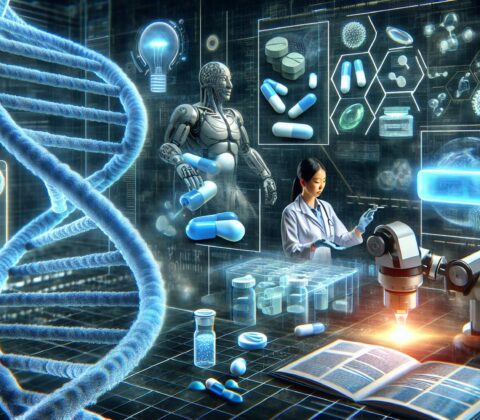
In today’s fast-paced world, technology has revolutionized the way we live our lives. From smartphones to self-driving cars, advances in technology have fundamentally changed the way we interact with the world around us. One industry that has been greatly impacted by technology is the pharmaceutical industry. With the rise of artificial intelligence, big data analytics, and wearable devices, pharmaceutical companies are able to research, develop, and distribute life-saving medications more efficiently than ever before.
One of the most significant ways in which technology has influenced the pharmaceutical industry is through the use of big data analytics. By analyzing large sets of data, pharmaceutical companies can better understand the needs of patients, predict trends in the market, and develop more effective medications. For example, companies can use data from electronic health records to identify patterns in patient outcomes and tailor their medications accordingly. This personalized approach to medicine has the potential to greatly improve patient care and reduce healthcare costs.
Another way in which technology is transforming the pharmaceutical industry is through the use of artificial intelligence (AI). AI can be used to automate various tasks in the drug development process, such as predicting the efficacy of potential drug candidates or identifying new drug targets. This not only speeds up the research and development process but also reduces the risk of human error. Additionally, AI can be used to analyze genetic data and create personalized treatment plans for patients based on their unique genetic makeup.
Wearable devices are also playing a significant role in the intersection of technology and pharmaceutical products. These devices, such as smart watches and fitness trackers, can collect real-time data on patient health and behavior. Pharmaceutical companies can use this data to monitor patient adherence to medications, track disease progression, and even conduct clinical trials remotely. By leveraging wearable technology, pharmaceutical companies can gather more accurate and comprehensive data, leading to more effective treatments and better patient outcomes.
In conclusion, technology has become a driving force behind innovation in the pharmaceutical industry. The use of big data analytics, artificial intelligence, and wearable devices has revolutionized the way medications are developed and distributed. These advancements have the potential to greatly improve patient care, reduce healthcare costs, and ultimately save lives. As technology continues to evolve, we can expect to see even greater advancements in the pharmaceutical industry, leading to a future where personalized medicine is the standard of care.
The Impacts of Technology on Pharmaceutical Products
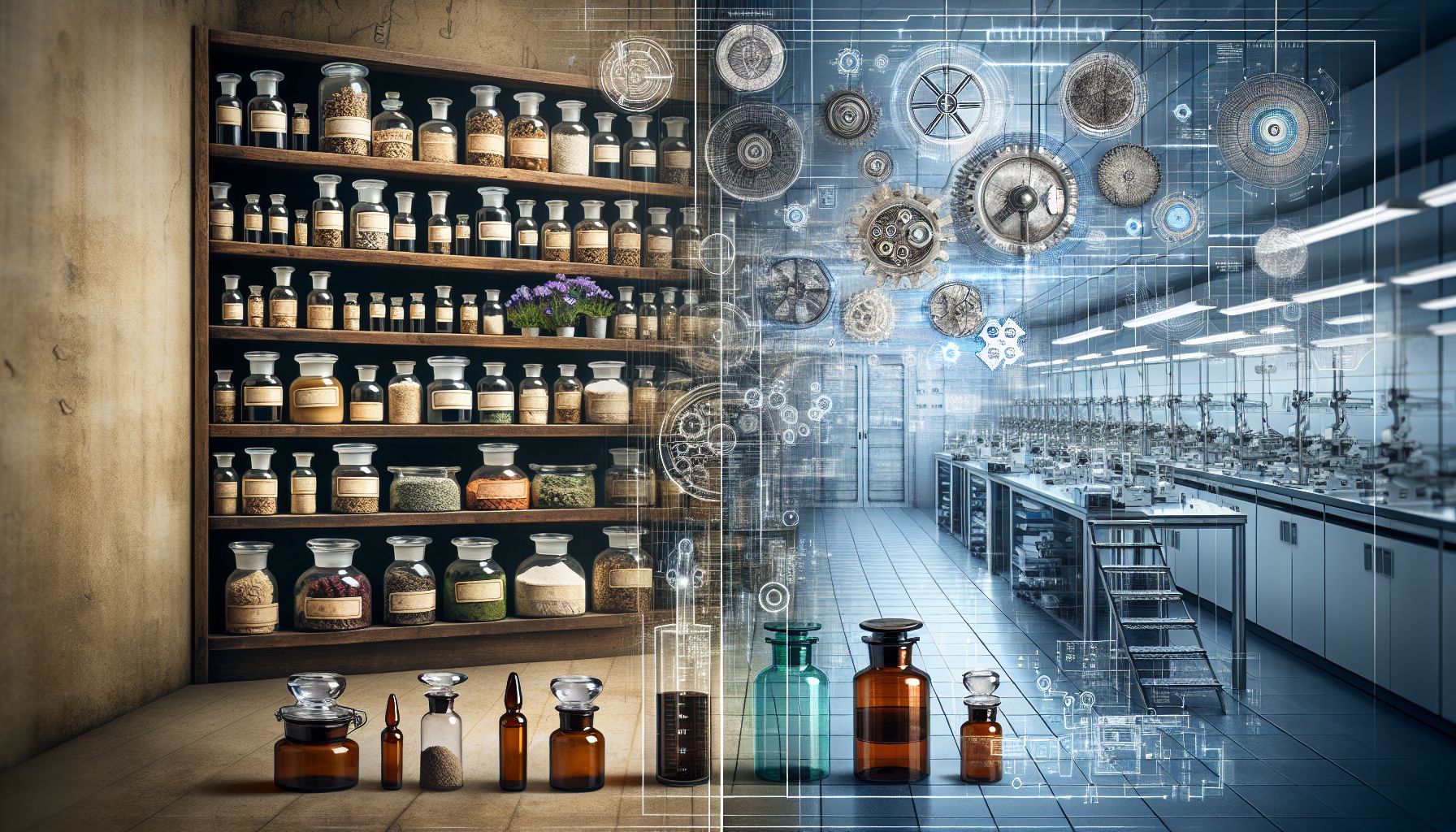
Technology has had a profound impact on every aspect of our lives, including the pharmaceutical industry. From drug discovery to manufacturing, distribution, and patient care, technology has transformed the way pharmaceutical products are developed, tested, and delivered. In this blog post, we will explore the various ways in which technology has revolutionized the pharmaceutical industry.
One major way in which technology has impacted pharmaceutical products is in the area of drug discovery. With the advent of high-throughput screening technologies, researchers are now able to test thousands of drug candidates in a fraction of the time it used to take. This has led to the discovery of new drugs and treatments for a wide range of diseases and conditions.
In addition to drug discovery, technology has also revolutionized the way pharmaceutical products are manufactured. Automated systems and robotics have streamlined the production process, making it faster, more efficient, and less prone to error. This has resulted in higher quality products that are more readily available to patients in need.
Technology has also made it easier for pharmaceutical companies to track and monitor their products throughout the supply chain. RFID technology, for example, allows companies to track the movement of their products from the manufacturing plant to the pharmacy shelves. This not only helps prevent counterfeiting but also ensures that products are stored and handled properly to maintain their efficacy.
Patient care has also been greatly improved by technology. Electronic health records allow healthcare providers to access a patient’s medical history and treatment plan with the click of a button, reducing the risk of errors and improving overall patient outcomes. Additionally, mobile health apps and wearable devices enable patients to monitor their own health and communicate with their healthcare providers remotely.
In conclusion, technology has had a transformative impact on pharmaceutical products. From drug discovery to manufacturing, distribution, and patient care, technology has revolutionized every aspect of the pharmaceutical industry. As technology continues to advance, we can expect even more innovative products and treatments to emerge, improving the health and well-being of people around the world.