Technology and Pharmaceutical Products: A Match Made in Innovation
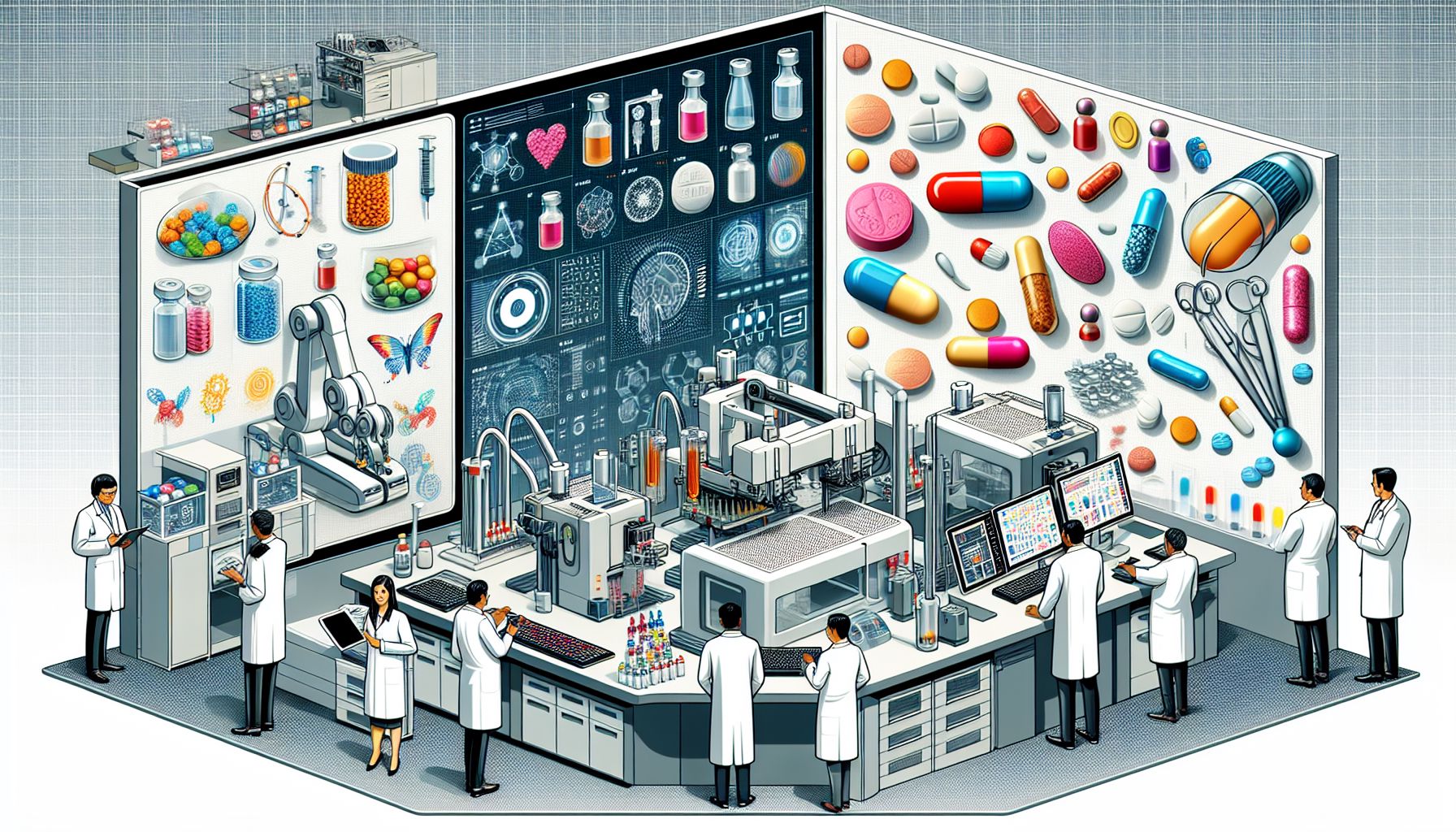
Technology is rapidly advancing in every field, and the pharmaceutical industry is no exception. The marriage between technology and pharmaceutical products has resulted in revolutionary breakthroughs, transforming the way we prevent, diagnose, and treat diseases. From drug discovery to patient care, technology has become an essential component in every stage of pharmaceutical development and delivery.
Enhancing Drug Discovery
One of the most crucial aspects of pharmaceutical development is the process of finding new drugs. Traditionally, this has been a time-consuming and expensive endeavor. However, technology has helped streamline the process, making it faster and more efficient.
High-throughput screening, for example, uses automated technology to rapidly test thousands of chemical compounds and identify potential candidates for new drugs. This saves researchers countless hours in the lab and expedites the discovery process significantly. Furthermore, advanced algorithms and machine learning have enabled scientists to predict the outcome of drug-target interactions accurately, reducing the reliance on trial and error.
Revolutionizing Manufacturing
The production of pharmaceutical products has also been revolutionized by technology. Automation and robotics have made manufacturing processes more precise, reducing the chances of errors and contamination. This not only ensures the quality and safety of pharmaceutical products but also improves cost-effectiveness.
Additionally, technology has opened up avenues for personalized medicine and tailored drug formulations. 3D printing, for example, allows the creation of customized pills with precise dosages, catering to individual patient needs. This customization improves treatment outcomes and patient compliance.
Empowering Patient Care
Beyond the research and manufacturing aspects, technology has transformed how patients receive healthcare and manage their conditions. Mobile applications have become a powerful tool in monitoring and managing chronic diseases. From tracking medication adherence to measuring vital signs, these applications enable patients to take control of their health.
Telemedicine, another technological advancement, allows patients to access healthcare remotely, eliminating the need for unnecessary hospital visits. This has proven particularly beneficial for patients in rural areas with limited access to healthcare facilities. Furthermore, electronic health records have improved communication and coordination between healthcare providers, ensuring seamless care delivery.
Concluding Thoughts
As technology continues to evolve, so does its impact on the pharmaceutical industry. From drug discovery to patient care, technology has revolutionized every aspect of pharmaceutical development and delivery. The enhanced efficiency, accuracy, and personalized nature of pharmaceutical products owe much to innovative technologies.
However, it is vital to acknowledge that technology and pharmaceutical products also pose challenges. Ensuring the security and privacy of sensitive patient data, for instance, is of utmost importance. Striking a balance between innovation and ethical considerations is crucial in harnessing the full potential of this powerful alliance.
Nonetheless, the integration of technology within the pharmaceutical industry has undoubtedly improved treatment outcomes for patients worldwide. The future holds even more promise as ongoing research focuses on artificial intelligence, nanotechnology, and other cutting-edge advancements. The close collaboration between technology and pharmaceutical products continues to pave the way for a healthier and brighter future.
The Marriage of Technology and Pharmaceutical Products: Transforming Healthcare
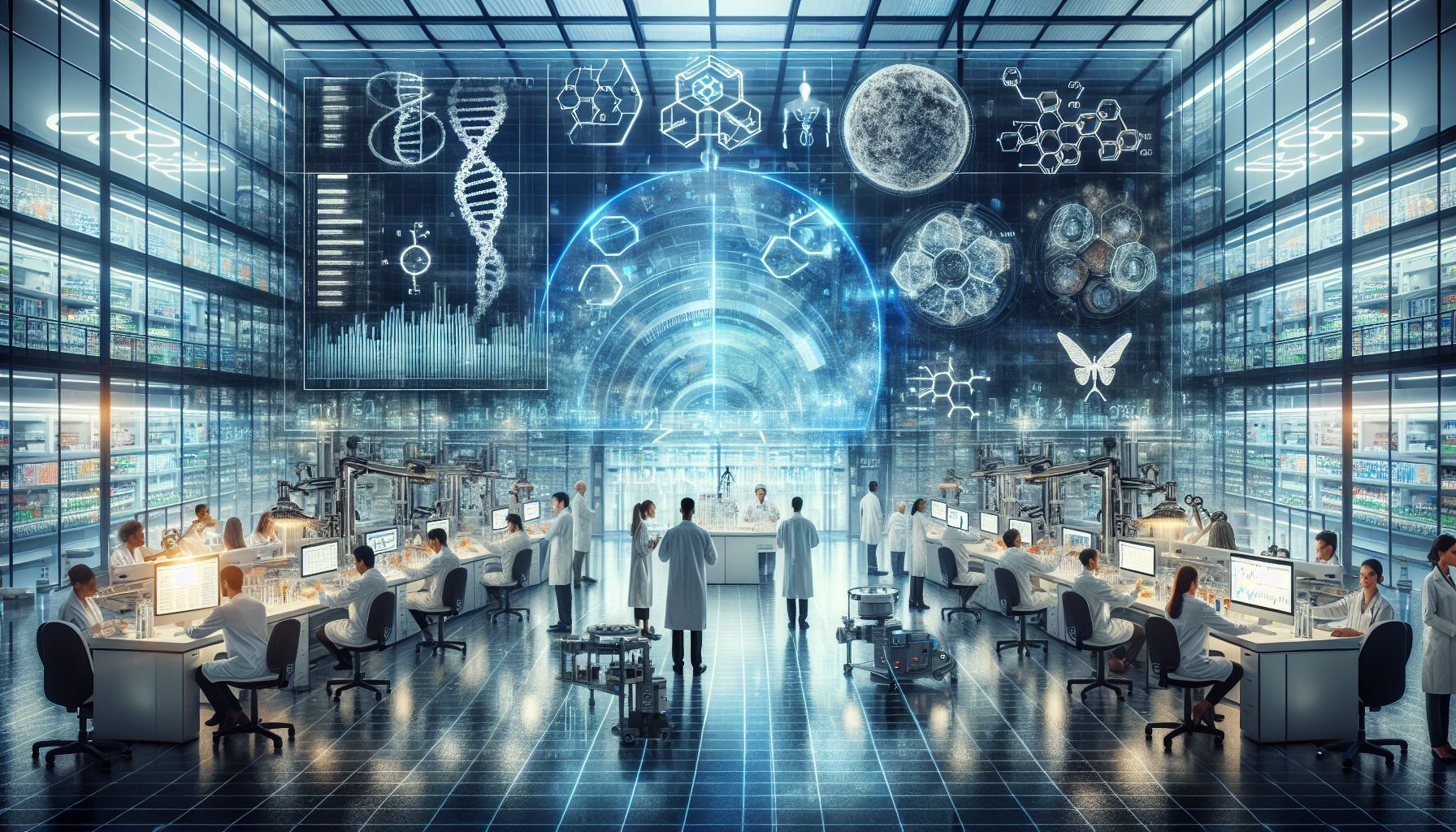
In today’s rapidly advancing world, the intersection of technology and pharmaceutical products is creating a transformative impact on healthcare. This innovative fusion is revolutionizing the way we prevent, diagnose, and treat diseases. From smart devices that track vital signs to automated drug delivery systems, technology is enhancing the effectiveness and efficiency of pharmaceutical products. Let us delve into the incredible possibilities and the promising future of this synergy.
The Power of Data-driven Medicine
One of the major advancements facilitated by technology is the collection and analysis of vast amounts of data. Pharmaceutical companies harness this data to develop targeted therapies, customized treatment plans, and preventive measures. By analyzing patient data, they can identify patterns, predict disease progression, and personalize treatment options. This data-driven approach allows for faster and more accurate diagnoses, improving patient outcomes and overall healthcare efficiency.
Wearable Devices and Remote Monitoring
Wearable devices, such as fitness trackers and smartwatches, have gained immense popularity. However, their potential extends far beyond just fitness tracking. These devices can monitor an individual’s vital signs, including heart rate, blood pressure, and blood glucose levels. This real-time data enables healthcare professionals to remotely monitor patients, detect early warning signs of potential health issues, and intervene promptly in emergencies. Moreover, this technology facilitates continuous monitoring, enabling personalized medication adjustments to optimize treatment outcomes.
Digital Therapeutics and Telemedicine
The integration of technology and pharmaceutical products has paved the way for digital therapeutics. These software-based interventions help prevent, manage, or treat medical conditions by delivering therapeutic interventions through digital platforms. From mental health apps to smoking cessation programs, digital therapeutics offer innovative solutions to age-old challenges. Furthermore, telemedicine enables patients to consult with healthcare providers remotely, reducing travel time and increasing access to care. Combined with digital therapeutics, telemedicine provides a comprehensive approach to disease management.
Automated Drug Delivery Systems
In the realm of pharmaceutical products, technology has also revolutionized drug delivery systems. Automated devices, such as insulin pumps and inhalers, have improved the precision and convenience of medication administration. These devices deliver accurate doses, reduce the risk of human error, and provide timely reminders for medication intake. Additionally, smart pill dispensers can track patient adherence, ensuring that the right medication is taken at the right time. These advancements not only enhance patient compliance but also improve treatment outcomes.
Conclusion
As technology and pharmaceutical products continue to intertwine, the future of healthcare seems brighter than ever. From data-driven medicine to wearable devices and digital therapeutics, the possibilities are endless. This collaboration promises more accurate diagnoses, personalized treatment plans, and improved patient outcomes. By embracing the synergy between technology and pharmaceutical products, we can transform healthcare, making it more accessible, effective, and patient-centered. As we embark on this journey, let us harness the power of innovation to create a healthier and brighter future for all.
The Intersection of Technology and Pharmaceutical Products
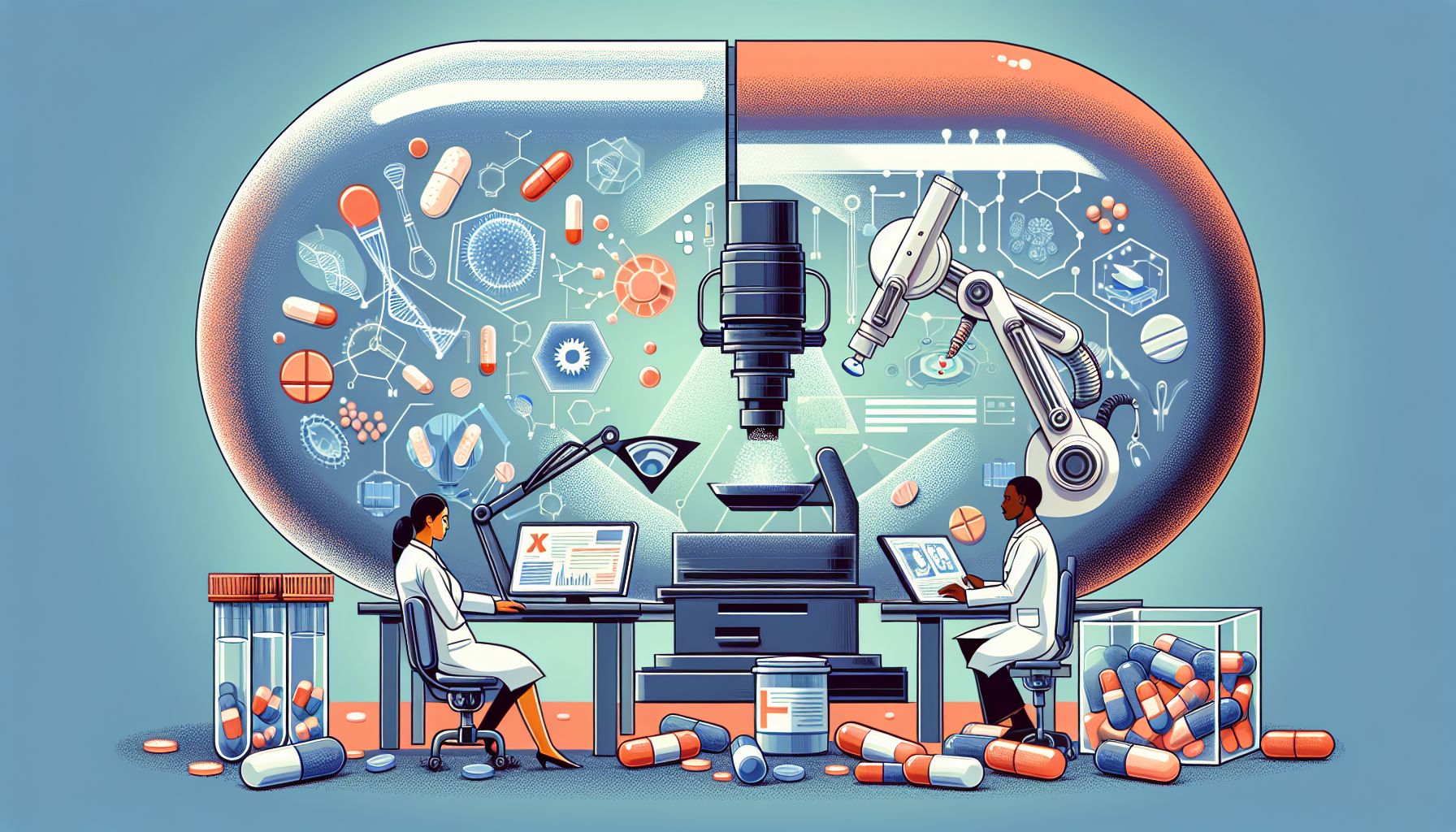
Technology has revolutionized various industries, and the pharmaceutical sector is no exception. In recent years, advancements in technology have led to significant improvements in pharmaceutical products. From drug discovery to manufacturing and patient care, technology has played a pivotal role in enhancing the efficiency and effectiveness of pharmaceuticals. In this blog post, we will delve deeper into the intersection of technology and pharmaceutical products and explore the remarkable benefits it brings.
Enhancing Drug Discovery and Development
One of the key areas where technology has made a profound impact on the pharmaceutical industry is in the process of drug discovery and development. With the help of sophisticated computer modeling and artificial intelligence algorithms, scientists can now identify potential drug candidates with greater accuracy and efficiency. This not only speeds up the process but also increases the chances of success in finding new treatments for diseases.
Furthermore, technology has enabled the development of innovative drug delivery systems. From transdermal patches to smart pills, these advancements have improved the ease of administration and patient compliance. By incorporating sensors and wearables, pharmaceutical products can also collect data about the patient’s health, allowing for better monitoring and personalized treatments.
Streamlining Manufacturing Processes
Beyond drug discovery, technology has also transformed the manufacturing processes in the pharmaceutical industry. Automation and robotics have increased precision and productivity, leading to higher quality products and reducing the risk of human error. Furthermore, the use of artificial intelligence and data analytics in production allows for real-time insights and optimization, resulting in streamlined operations and cost savings.
Additionally, technology has enabled the development of 3D printing in pharmaceutical manufacturing. This revolutionary technique allows for the production of personalized medicines and complex dosage forms, bringing customization to a whole new level. With 3D printing, pharmaceutical products can be tailored to individual patient needs, increasing efficacy and reducing side effects.
Improving Patient Care and Outcomes
The integration of technology in pharmaceutical products has also improved patient care and outcomes. Mobile health applications and wearable devices have empowered patients to actively participate in their own healthcare. By providing real-time data and reminders, these technologies facilitate medication adherence and help patients manage their conditions more effectively.
Further, telemedicine has gained prominence, allowing patients to consult doctors remotely and receive prescriptions without leaving their homes. This not only improves accessibility to healthcare but also reduces the burden on traditional healthcare systems. Technology has even enabled the development of smart-pills that can track patient adherence and provide feedback to healthcare providers, ensuring optimal treatment outcomes.
Conclusion
The convergence of technology and pharmaceutical products has revolutionized the industry, from drug discovery and manufacturing to patient care. The advancements in technology have increased the precision, efficiency, and personalization of pharmaceutical products. With ongoing research and development, we can expect even more groundbreaking innovations that will continue to shape the future of healthcare. As we embrace this intersection, patients will undoubtedly benefit from improved treatments, better outcomes, and a higher quality of life.
Technology and Pharmaceutical Products
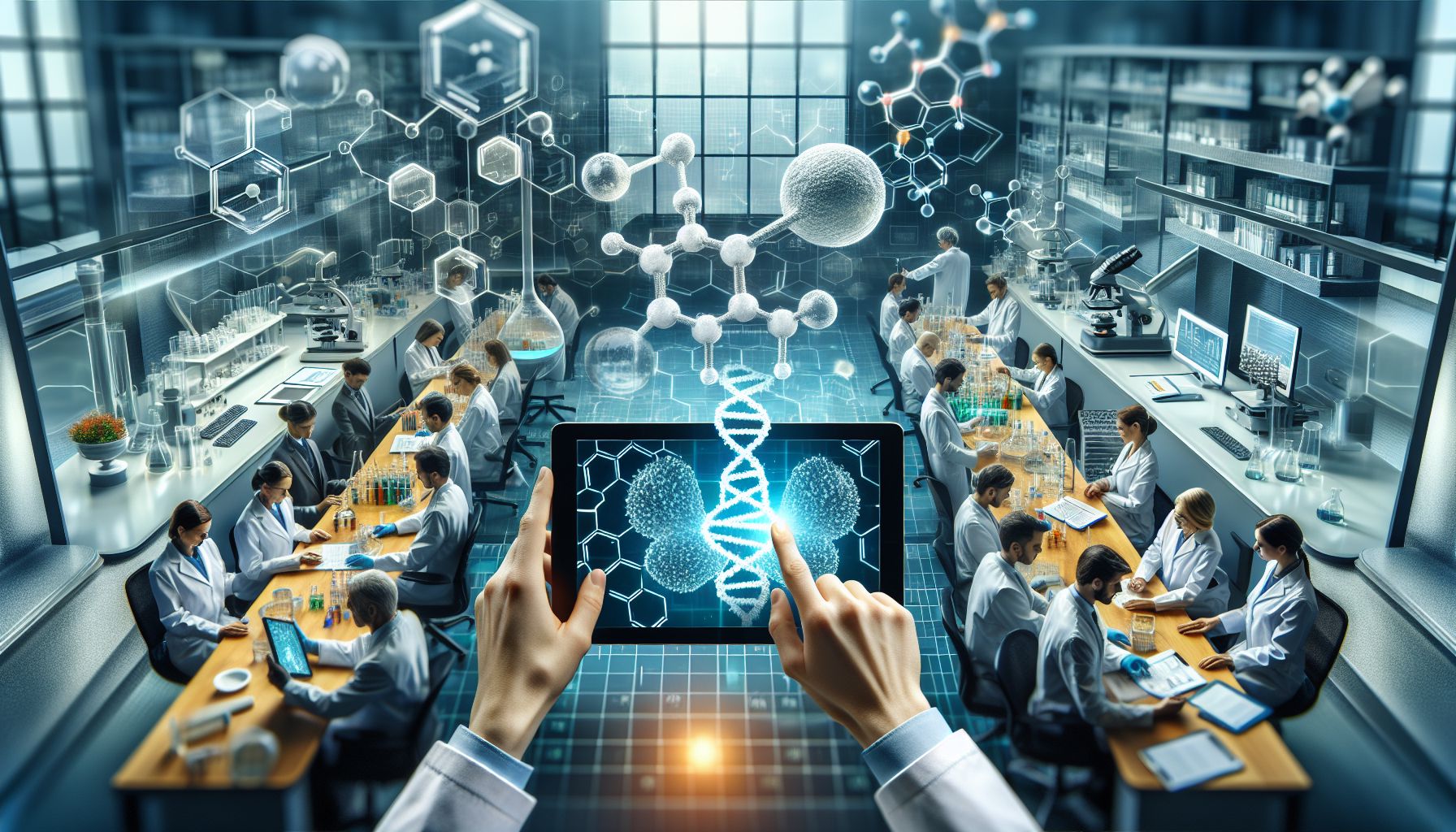
In today’s rapidly advancing world, technology has become an integral part of our daily lives. From smartphones to smart homes, technology has revolutionized every aspect of human existence. One sector that has greatly benefited from the fusion of technology and innovation is the pharmaceutical industry. The marriage of these two fields has brought incredible advancements and breakthroughs, leading to improved healthcare and better quality of life for millions of individuals.
The Intersection of Technology and Pharmaceutical Products
Technology has provided pharmaceutical companies with cutting-edge tools and platforms that allow for more efficient research and development of drugs. It has accelerated the discovery process, simplified data analysis, and reduced the time required to bring a new drug to market. The use of artificial intelligence (AI) algorithms and machine learning has significantly enhanced drug discovery by efficiently identifying potential drug candidates from vast databases. This enables scientists to focus their efforts and resources on the most promising compounds, saving both time and money.
Furthermore, technology has paved the way for personalized medicine, a groundbreaking approach that tailors medical treatments to individuals based on their genetic makeup. Through the use of genetic testing and data analysis, healthcare professionals can now predict how a patient will respond to a particular medication, thereby delivering more targeted and effective therapies. This has revolutionized disease management, allowing for better outcomes and reducing adverse drug reactions.
Advancements in Drug Delivery Systems
Another area where technology has shaped the pharmaceutical industry is in drug delivery. Traditional routes of drug administration, such as pills and injections, have their limitations in terms of effectiveness and patient compliance. However, advancements in technology have given rise to novel drug delivery systems that are more precise, convenient, and patient-friendly.
Nanotechnology, for instance, has enabled the development of nano-sized drug carriers that can target specific cells or tissues in the body. These carriers, known as nanoparticles, can deliver drugs directly to the site of action, minimizing side effects and maximizing therapeutic efficacy. Moreover, wearable devices have revolutionized drug delivery by providing continuous monitoring and controlled release of medications. These devices, like smart patches or implants, allow patients to receive a steady and personalized dose of medication, ensuring optimal treatment outcomes.
The Future of Technology and Pharmaceuticals
As technology continues to evolve at an exponential rate, the future of pharmaceutical products looks exceptionally promising. The integration of technology with pharmaceuticals will not only lead to more efficient drug discovery but also to the development of innovative treatment modalities. Gene editing technologies like CRISPR-Cas9 hold the potential to directly modify genetic material, opening up new avenues for treating genetic diseases and even curing them.
Moreover, advancements in 3D printing technology have the potential to revolutionize the manufacturing of pharmaceutical products. This will allow for the production of personalized medications with precise dosages and formulations tailored to individual patients’ needs. Ultimately, this personalized approach will improve treatment outcomes and patient adherence.
Conclusion
The convergence of technology and pharmaceutical products has brought about remarkable advancements in healthcare. From accelerating drug discovery to revolutionizing drug delivery systems, the integration of technology has positively impacted every aspect of the pharmaceutical industry. As technology continues to advance, we can expect further breakthroughs that will transform the treatment landscape and lead to improved patient care. Embracing this amalgamation of technology and pharmaceuticals is not only a necessity but also a gateway to a healthier and more promising future.
The Intersection of Technology and Pharmaceutical Products
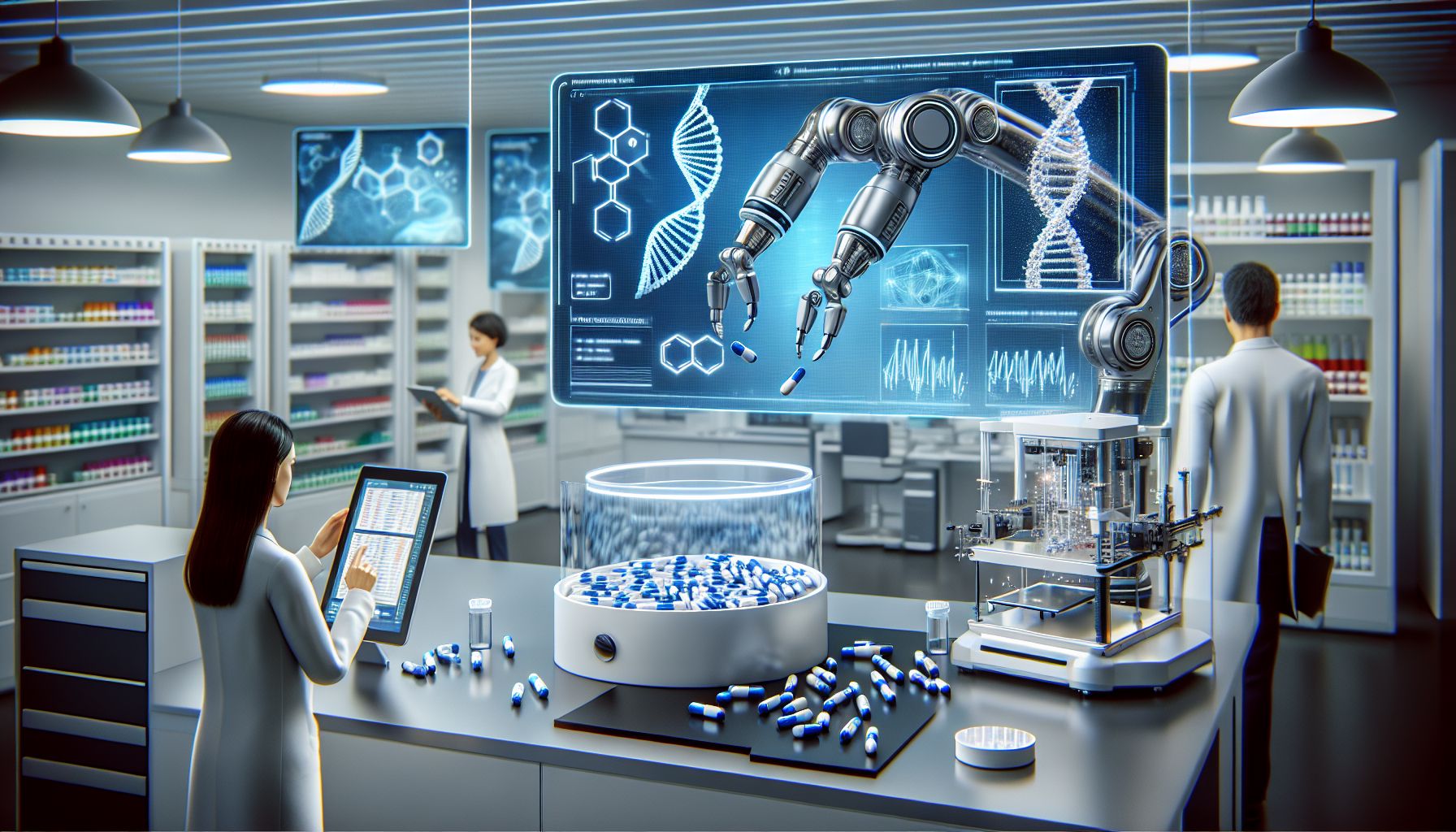
In recent years, technology has revolutionized various sectors, bringing about significant advancements and disrupting traditional practices. One industry that has greatly benefited from this convergence is the pharmaceutical sector. By integrating technology into their products and processes, pharmaceutical companies are not only enhancing their research and development capabilities but also improving patient outcomes. Let’s explore the exciting ways in which technology has transformed pharmaceutical products.
Increasing Efficiency in Drug Development
Traditionally, drug development has been a complex and time-consuming process, often taking many years and enormous resources to see a drug through from its conception to market availability. However, with the aid of technology, this landscape is rapidly evolving. Cutting-edge software and artificial intelligence algorithms are now streamlining various stages of drug development, saving time and costs.
Through advanced computational models, scientists can now analyze vast amounts of data to identify potential drug candidates and predict their efficacy. This data-driven approach maximizes efficiency by minimizing the need for manual trial and error methodologies. The integration of technology in drug development not only expedites the process but also increases the success rates of clinical trials, bringing life-saving medications to patients faster.
Digital Health Monitoring and Wearable Devices
The advent of wearable technology has transformed the way patients and healthcare providers monitor and manage various health conditions. From fitness trackers to smartwatches, these devices have become ubiquitous in our lives. However, their impact on the pharmaceutical industry has been particularly remarkable.
Wearable devices equipped with sensors can monitor vital signs, collect real-time health data, and transmit it to healthcare professionals. This constant stream of data enables accurate, remote patient monitoring, making it easier to detect early signs of deterioration and prevent serious health complications. Moreover, healthcare providers can leverage this information to personalize medication regimens based on individual needs, optimizing treatment outcomes.
Enhancing Medication Adherence
Non-adherence to prescribed medication regimens is a pervasive issue that affects patient outcomes and healthcare costs. Technology has stepped in to address this challenge, offering solutions that improve medication adherence.
Smart pill bottles and medication reminder apps effectively notify patients when it’s time to take their medication. Some devices even track whether the medication has been consumed and send notifications to both patients and healthcare providers regarding missed doses. By integrating technology into pharmaceutical products, patients can better adhere to their prescribed regimens, leading to improved health outcomes and reduced hospitalizations.
Conclusion
As technology continues to advance at an exponential pace, its integration with pharmaceutical products is significantly transforming the industry. From expediting drug development to enabling remote patient monitoring and improving medication adherence, technology is enhancing the way we develop, use, and benefit from pharmaceuticals. The future holds immense potential for these innovations, fostering better health outcomes and improving the overall quality of life for patients worldwide.
The Intersection of Technology and Pharmaceutical Products
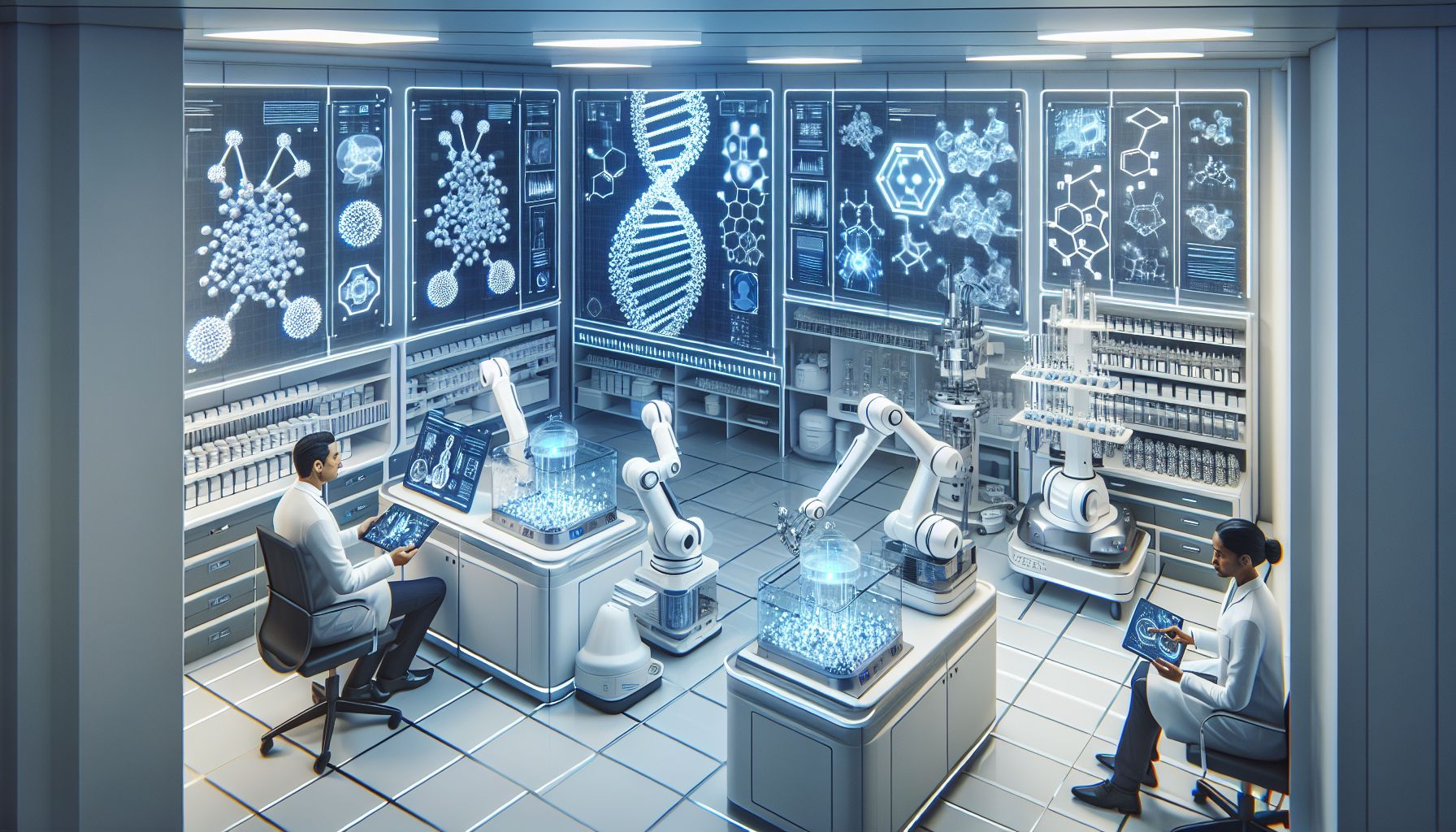
In recent years, the advancement of technology has had a significant impact on various industries, and the pharmaceutical sector is no exception. The fusion of technology and pharmaceutical products has opened up new possibilities in drug development, manufacturing, and patient care. From improving the efficiency of research and clinical trials to enhancing patient outcomes, technology has become an invaluable tool in the world of pharmaceuticals.
Revolutionizing Drug Discovery and Development
One of the most significant contributions of technology to the pharmaceutical industry is the revolution it has brought to the process of drug discovery and development. With the integration of artificial intelligence (AI) and machine learning algorithms, scientists can analyze vast amounts of data to identify potential drug candidates more efficiently. This has significantly accelerated the early stages of drug development and has the potential to transform the entire process.
Furthermore, technology has also made it easier to simulate and model the behavior of new drugs, allowing researchers to predict how they will interact with the human body. This simulation helps identify and mitigate potential risks and side effects, resulting in safer and more effective pharmaceutical products.
Enhancing Manufacturing Efficiency
Technology has also played a crucial role in improving the efficiency of pharmaceutical manufacturing processes. Automation and robotics have eliminated many of the manual tasks involved in drug production, reducing human error and increasing productivity. Additionally, the use of sensors and data analytics has enabled real-time monitoring of manufacturing facilities, ensuring optimal conditions and minimizing waste.
The integration of technology into manufacturing has also given rise to the concept of personalized medicine. By leveraging advancements in 3D printing and nanotechnology, pharmaceutical companies can now produce customized medications tailored to an individual’s unique needs. This not only improves treatment outcomes but also reduces the risk of adverse reactions.
Empowering Patients and Healthcare Providers
Technology has empowered both patients and healthcare providers, transforming the way pharmaceutical products are accessed, used, and monitored. Mobile health applications and wearable devices allow patients to track their health conditions, schedule medication reminders, and communicate with healthcare professionals instantaneously. This integration of technology has greatly improved medication adherence and enabled remote monitoring, leading to better disease management.
Moreover, technology has facilitated the sharing of medical information between patients and healthcare providers. Electronic health records have replaced cumbersome paper files, making data easily accessible and reducing the risk of errors. This seamless sharing of information enables healthcare providers to make more informed decisions and deliver personalized treatment plans.
Conclusion
The intersection of technology and pharmaceutical products has ushered in a new era for the industry. From drug discovery and development to manufacturing and patient care, technology has revolutionized every step of the pharmaceutical journey. As technology continues to evolve and researchers delve deeper into its capabilities, we can expect even more groundbreaking advancements in the future. With the potential to save lives and improve the quality of healthcare worldwide, the collaboration between technology and pharmaceuticals holds immense promise.

The Integration of Technology in Pharmaceutical Products: Revolutionizing the Healthcare Industry
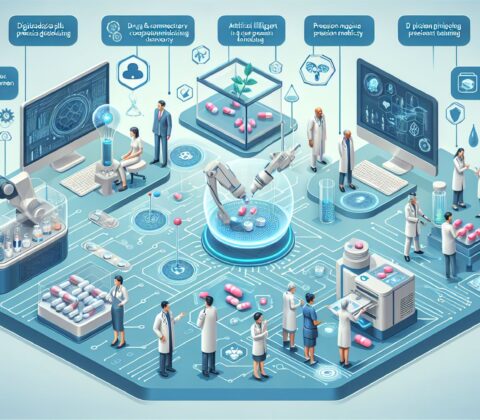
In today’s digital age, technology has made advancements in various industries, including pharmaceuticals. The integration of technology has brought about significant changes in pharmaceutical products, revolutionizing the healthcare industry. From drug discovery to patient care, technology has played a crucial role in improving efficiency, accuracy, and patient outcomes.
The Power of Artificial Intelligence and Machine Learning
Artificial intelligence (AI) and machine learning (ML) have become powerful tools in the pharmaceutical industry. Through AI, researchers can analyze vast amounts of data quickly and efficiently. This technology aids in drug discovery and development by identifying potential drug candidates, predicting drug side effects, and assessing drug safety.
Additionally, ML algorithms can detect patterns in patient data, leading to personalized medicine. By analyzing patient demographics, genetic information, and medical history, healthcare professionals can tailor treatment plans to individual patients, increasing the effectiveness of pharmaceutical products.
The Internet of Medical Things (IoMT)
The Internet of Things (IoT) has extended its influence to the medical field, giving rise to the Internet of Medical Things (IoMT). IoMT refers to the network of medical devices, wearables, and sensors that collect and transmit data for healthcare purposes. This technology has enhanced drug delivery systems, medication adherence, and remote patient monitoring.
With smart drug delivery systems, patients can receive personalized medication at the right dosage and time. Connected devices ensure that patients follow their medication regimen, reducing medication errors and improving treatment outcomes. Moreover, remote patient monitoring allows healthcare professionals to keep track of patients’ health without requiring frequent hospital visits. This technology is especially beneficial for individuals with chronic diseases, promoting early intervention and preventing complications.
Virtual Reality and Augmented Reality
Virtual reality (VR) and augmented reality (AR) technologies are not just limited to the gaming and entertainment industries. In the pharmaceutical field, they have proven to be remarkable tools for medical education and training. With these immersive technologies, medical professionals can simulate complex surgical procedures, practice their skills, and gain valuable experience without putting patients at risk.
Furthermore, VR and AR have shown promising results in patient treatment. Virtual reality therapy has been utilized for pain management, reducing the need for opioids and other pain medications. AR has been integrated into medication packaging, providing patients with interactive instructions and information about the medication.
Conclusion
The integration of technology in pharmaceutical products has undoubtedly transformed the healthcare industry. From AI-driven drug discovery to the IoMT and immersive technologies like VR and AR, technology has revolutionized the way pharmaceutical products are developed, delivered, and utilized. These advancements have improved patient outcomes, increased medication adherence, and enhanced overall healthcare efficiency.
As technology continues to advance, the possibilities for the integration of technology in pharmaceuticals are limitless. With further research and development, we can expect even more groundbreaking innovations that will reshape the pharmaceutical landscape, leading to more personalized, precise, and effective treatments. The future of healthcare is undoubtedly intertwined with technology, and this union holds immense potential for the betterment of patient care and well-being.
Technology and Pharmaceutical Products: A Perfect Partnership
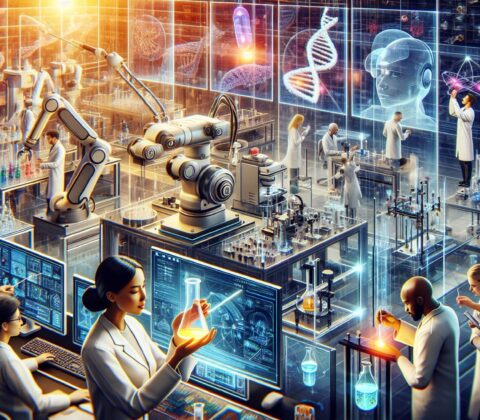
In today’s fast-paced world, technology is advancing at an unprecedented rate. This technological revolution is not limited to just gadgets in our hands or complex machinery in industries; it has seeped into every aspect of our lives, including the healthcare sector. The integration of technology in the pharmaceutical industry has proven to be a game-changer, with countless benefits for both patients and healthcare providers.
The use of technology in pharmaceutical products has significantly improved the efficiency and accuracy of various processes. One notable advancement is the development of electronic medical records (EMRs). Gone are the days when doctors had to scuffle through stacks of paper records to find a patient’s medical history. With EMRs, all the information is stored digitally and can be accessed with just a few clicks. This not only saves time but also reduces the chances of errors caused by illegible handwriting or misplaced files.
Another significant stride in technology and pharmaceutical products is the use of telemedicine. With the help of video calls and other digital communication tools, patients can now consult doctors remotely. This has proven especially beneficial for those living in rural areas where access to healthcare facilities is limited. Telemedicine has bridged the gap between patients and doctors, ensuring that medical advice is just a click away. Moreover, it has reduced the burden on hospitals and clinics, allowing them to focus on critical cases that require physical examination.
Pharmaceutical companies are also leveraging technology to enable efficient manufacturing processes. Automation systems have been introduced to streamline drug production, reducing human error and increasing output. These systems can accurately measure and mix ingredients, improving the quality and consistency of pharmaceutical products. Additionally, technology has enabled the implementation of advanced quality control measures, ensuring that every batch of medication meets strict safety standards.
One of the most exciting developments in technology and pharmaceutical products is the rise of wearable devices. These devices, such as smartwatches and fitness trackers, not only monitor vital signs and activity levels but also have the potential to revolutionize drug delivery. Researchers are exploring the use of wearable devices that can administer medications through the skin or monitor drug levels in the body. This could greatly improve patient compliance and eliminate the need for frequent visits to the doctor for injections or medication adjustments.
In conclusion, the integration of technology in pharmaceutical products has transformed the healthcare landscape. From electronic medical records to telemedicine and automation systems, technology has improved efficiency, accuracy, and accessibility in the pharmaceutical industry. With wearable devices on the rise, the future holds even more promising advancements. As technology continues to evolve, so will the ways in which pharmaceutical products are developed, administered, and monitored. The perfect partnership between technology and pharmaceuticals is undoubtedly benefiting patients and healthcare providers alike, paving the way for a healthier and more convenient future.
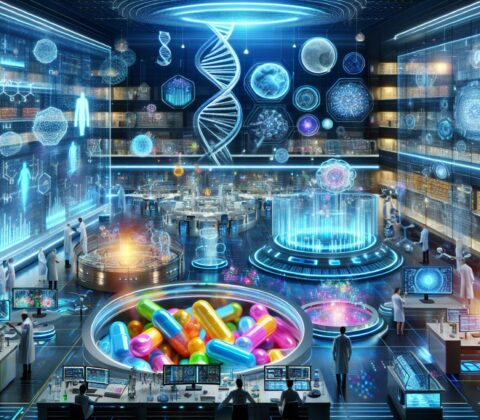
The Intersection of Technology and Pharmaceutical Products
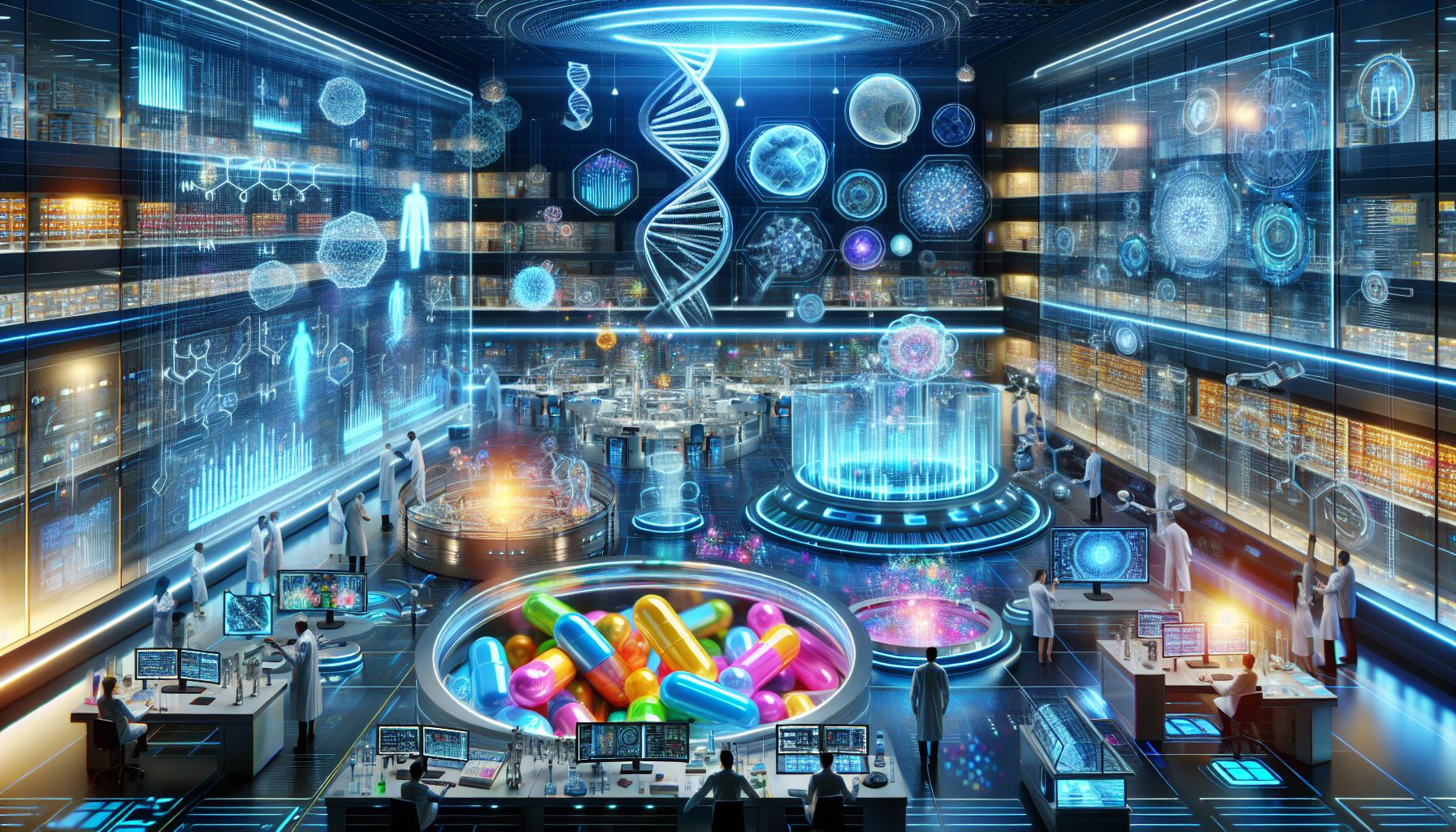
In recent years, the rapid advancements in technology have revolutionized many industries, and the pharmaceutical industry is no exception. The integration of technology into pharmaceutical products has brought about numerous benefits, ranging from improved drug delivery systems to enhanced patient care. This article explores the intersection of technology and pharmaceutical products and examines the transformative impact it has had on the field.
1. Improved Drug Delivery Systems
One of the significant contributions of technology to the pharmaceutical industry is the development of improved drug delivery systems. Traditional oral medications often have limited bioavailability due to factors such as poor solubility or rapid metabolism. However, advancements in nanotechnology have paved the way for the creation of nanoparticles and liposomes that can carry drugs directly to the target site, increasing effectiveness while minimizing side effects.
Furthermore, the rise of wearable technology has led to the development of innovative drug delivery systems. Smartwatches and other wearable devices equipped with sensors can continuously monitor the patient’s vital signs and administer medications accordingly, ensuring a timely and personalized dosage.
2. Remote Patient Monitoring
Technology has also made remarkable strides in enabling remote patient monitoring, improving patient care and safety. With the aid of mobile apps, patients can now track their health conditions and receive real-time updates from healthcare providers, saving them both time and effort. This technology has proven particularly valuable for individuals with chronic illnesses who require continuous monitoring and medication adjustments.
Moreover, telemedicine, facilitated by technology, has revolutionized the way patients receive medical consultations. Today, individuals can consult doctors remotely, eliminating the need for in-person visits and reducing healthcare costs. This advancement has proven critical, especially amidst recent global challenges, by ensuring that patients can access quality care and guidance from the comfort of their homes.
3. Data Analytics and Personalized Medicine
Technological advancements have also played a crucial role in the era of personalized medicine. With the advent of big data analytics and machine learning algorithms, vast amounts of patient data can be processed and analyzed to provide valuable insights. This data-driven approach enables healthcare professionals to tailor treatment options, predict patient outcomes, and offer more precise medication recommendations based on an individual’s genetic makeup and health history.
By integrating technology into pharmaceutical products, medication adherence monitoring systems have also been developed. These systems track patients’ adherence to their prescribed drug regimens and provide real-time reminders, enhancing overall treatment efficacy.
Conclusion
The intersection of technology and pharmaceutical products has ushered in a new era of advancements and possibilities. From improved drug delivery systems to remote patient monitoring and personalized medicine, the integration of technology has transformed the pharmaceutical industry. With continued research and innovation in this field, we can anticipate even more significant improvements in patient care, ultimately leading to better health outcomes for individuals worldwide.
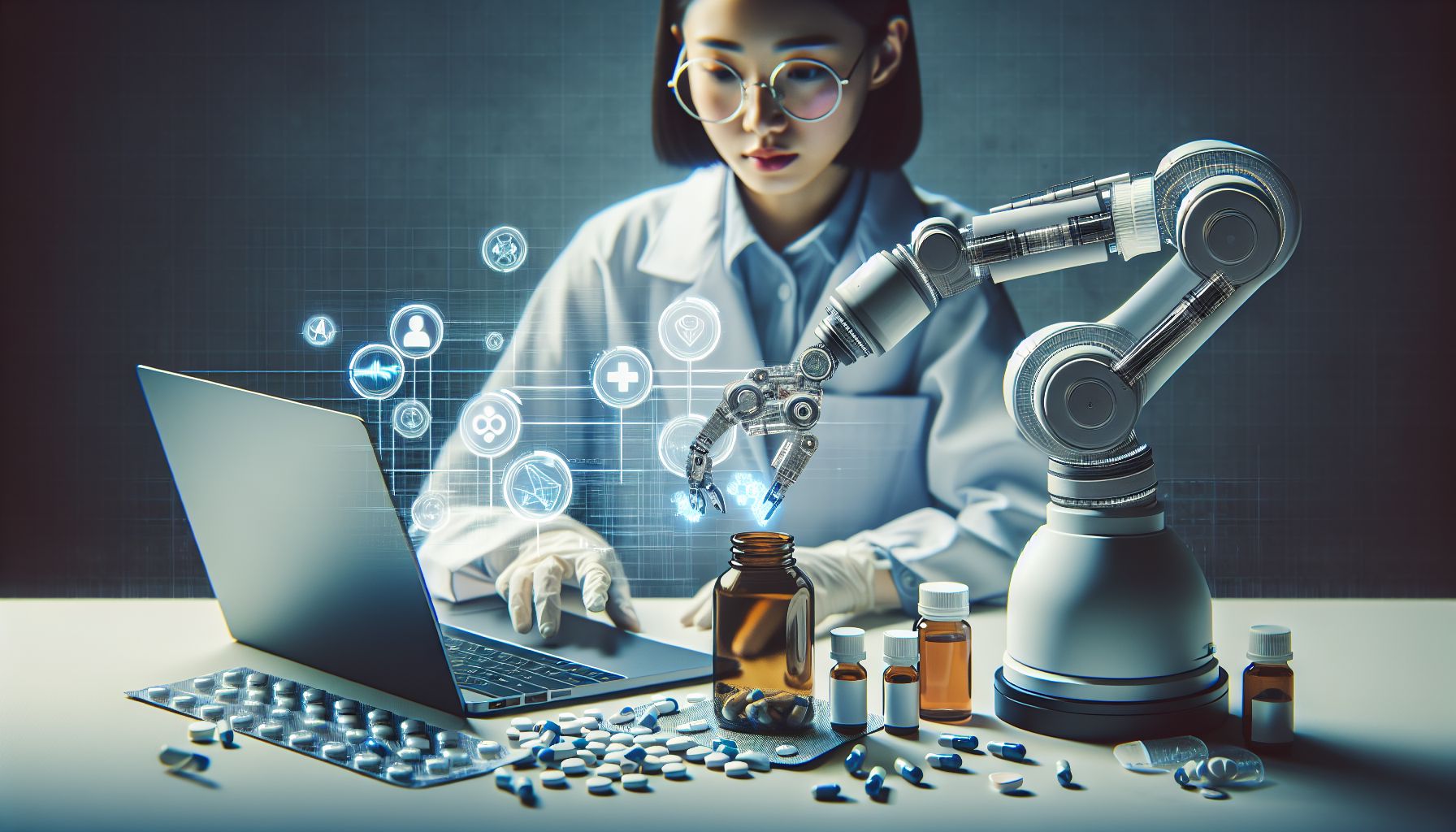
The Intersection of Technology and Pharmaceutical Products
In recent years, we have witnessed significant advancements in both the fields of technology and pharmaceutical products. These two seemingly distinct domains have now begun to converge, leading to exciting and groundbreaking innovations. The integration of technology into pharmaceutical products has revolutionized the healthcare industry, offering improved treatments, enhanced drug delivery methods, and personalized medicine. Let’s explore how technology has transformed pharmaceutical products and the numerous benefits it provides.
Enhanced Drug Delivery Systems
Technology has played a crucial role in developing advanced drug delivery systems, ensuring the precise and targeted administration of medications. Traditional oral tablets and capsules often have limitations in terms of dosage control and targeted delivery. However, advancements such as nanotechnology and 3D printing have enabled the production of innovative drug delivery methods.
Nanotechnology has allowed for the development of tiny nanoparticles that can encapsulate drugs, improving their stability, solubility, and bioavailability. These nanoparticles can be specifically designed to target certain cells or tissues, increasing the effectiveness of medication and minimizing side effects.
Furthermore, the utilization of 3D printing technology has revolutionized drug manufacturing. It enables the creation of personalized medicines with precise dosages and formulations tailored to individual patients. This has the potential to alleviate the challenges of mass production and improve patient adherence to medication regimes.
Smart Medical Devices
Technology has also led to the emergence of smart medical devices that can seamlessly integrate into our daily lives, making healthcare more accessible and efficient. Devices such as wearables, implantable sensors, and smartphone applications empower individuals to monitor their health conditions and receive real-time feedback.
Wearable devices, including smartwatches and fitness trackers, can continuously track vital signs, collect data, and provide valuable insights into an individual’s health. They not only enable early detection and prevention of illnesses but also encourage a proactive approach towards maintaining a healthy lifestyle.
Implantable sensors have also become increasingly sophisticated, allowing healthcare professionals to monitor patients remotely. These sensors can gather data about various health parameters, such as glucose levels, heart rate, and blood pressure. By integrating this data with cloud-based systems, healthcare providers can remotely monitor patients’ conditions and make timely interventions when necessary.
Improved Medication Management
Technology has undeniably transformed medication management, making it more efficient and error-proof. Digital platforms and smartphone applications enable patients to store and manage their medication schedules, ensuring adherence and minimizing the risk of missed doses or incorrect usage.
Additionally, barcode scanning technology has been implemented in hospitals and pharmacies to improve medication tracking and reduce medication errors. This technology enables the verification of medications and ensures that patients receive the correct and appropriate dosage. It also allows healthcare professionals to monitor medication usage patterns and provide personalized recommendations.
Conclusion
The convergence of technology and pharmaceutical products holds immense potential for transforming the healthcare landscape. Through enhanced drug delivery systems, smart medical devices, and improved medication management, patients can benefit from more personalized treatments, improved monitoring, and reduced medical errors. As technology continues to evolve, we can only anticipate further advancements in the integration of technology and pharmaceutical products, leading to a brighter and healthier future for all.